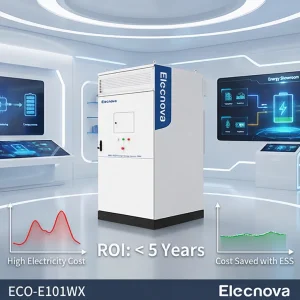
Advanced Energy Storage Systems (ESS) optimized for heavy-duty EV charging hubs and industrial grids.
In-depth analysis of solar-integrated battery storage for the electric vehicle revolution.
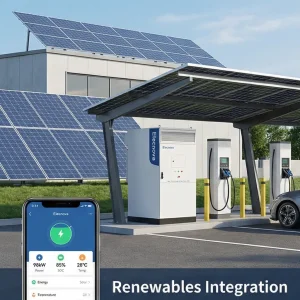
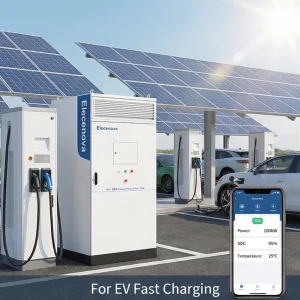
As EV adoption surges, the strain on traditional power grids is reaching a breaking point. Solar Battery for EV Charging Infrastructure acts as a critical buffer, storing energy during off-peak hours or from renewable sources to deliver high-power DC fast charging without overloading local transformers.
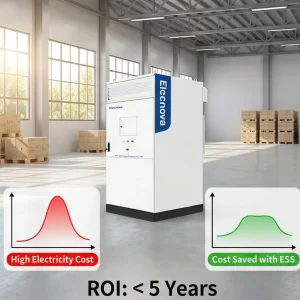
Unlike standard batteries, our systems utilize advanced Peak Shaving and Load Leveling algorithms. This allows manufacturers and operators to avoid expensive peak-demand charges and ensures charging stations remain operational even during grid instability or blackouts.
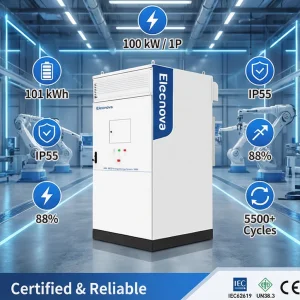
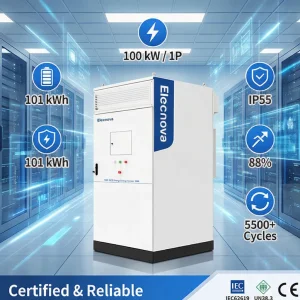
Safety is non-negotiable. Our products, such as the Eco-E101wx, are certified under UL 1973 and IEC 63056 standards, ensuring 100% Depth of Discharge (DoD) and long-term State-of-Health (SOH) monitoring for stationary storage safety.
Leveraging China's world-leading supply chain to deliver high-performance energy storage.
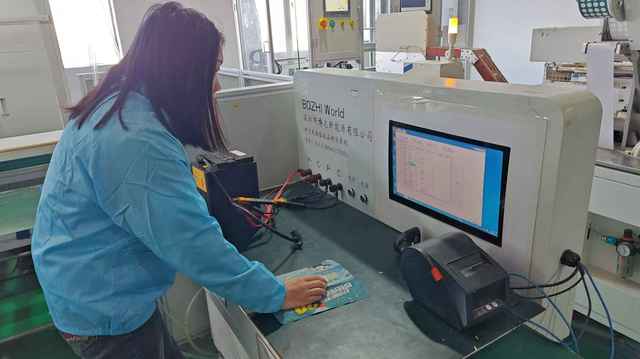
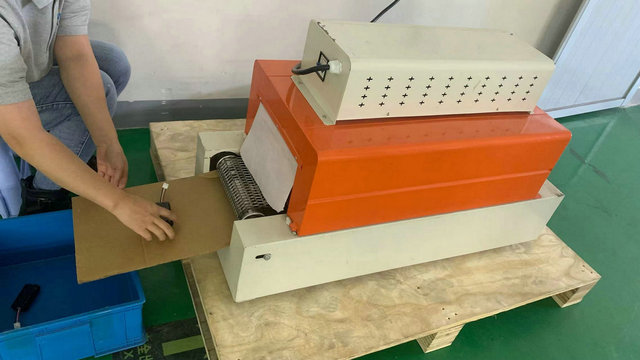
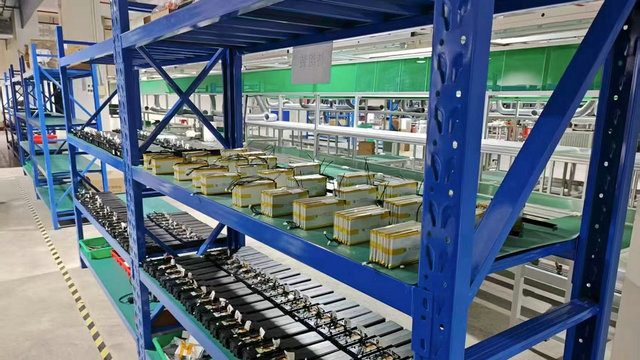
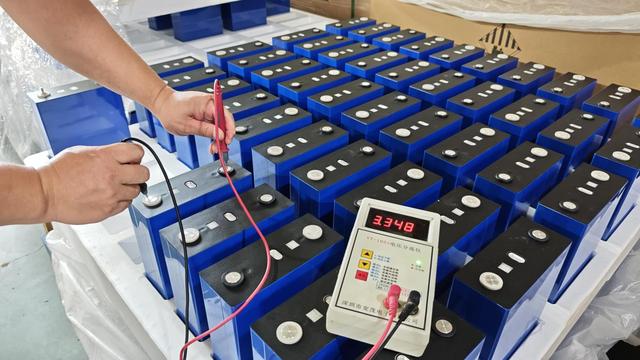
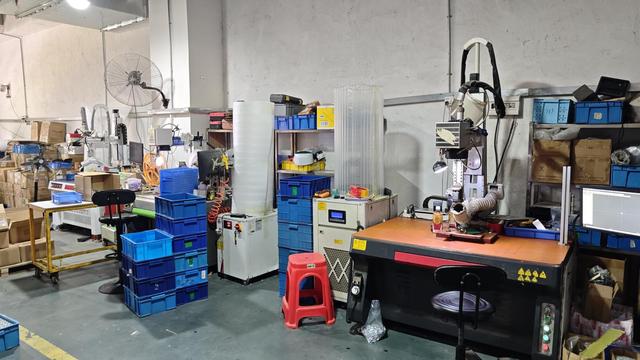
Shenzhen Ansar Energy Co., Ltd. is a professional manufacturer specializing in solar energy storage batteries and integrated renewable energy solutions. Established in 2015, we operate a 18,000 square meter modern facility in Shenzhen, the heart of global battery innovation.
Our competitive advantage lies in our integrated vertical supply chain. From cell integration to smart Battery Management Systems (BMS), we ensure every component is optimized for the harsh thermal environments of EV charging hubs.

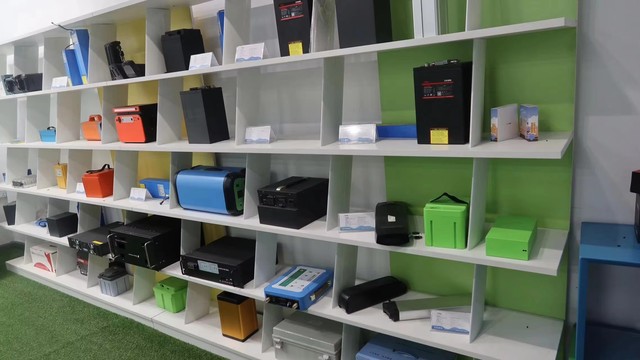
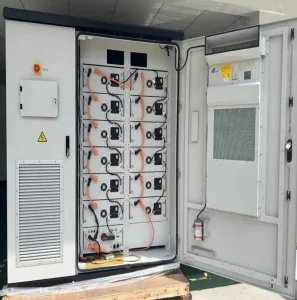
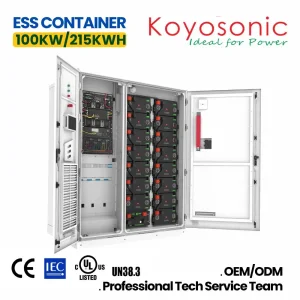
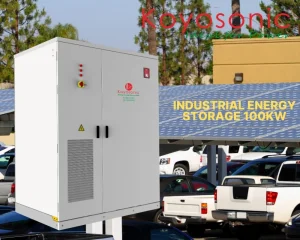
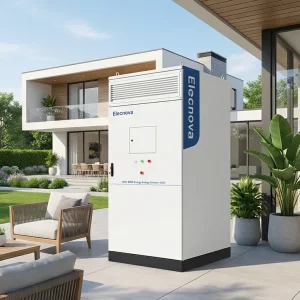
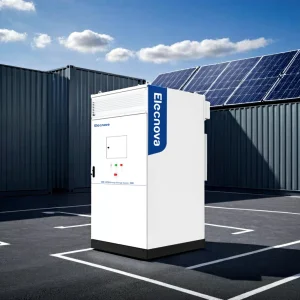
The industry is moving beyond simple storage. We are now seeing the rise of All-in-One HVAC Integrated Cabinets. These systems, like our containerized 100kw/153kwh units, maintain consistent internal temperatures, crucial for maintaining battery longevity in desert or arctic climates. Furthermore, Grid-Compliant ESS (EN50549) is becoming a prerequisite for public EV charging hubs to ensure seamless synchronization with European and North American utilities.
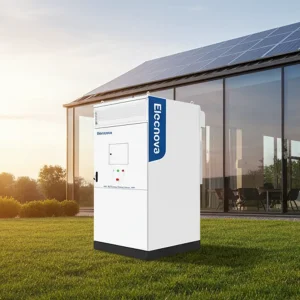
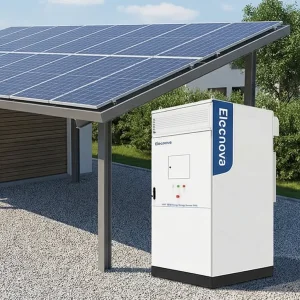
Remote locations can now host ultra-fast charging by combining solar arrays with LiFePO4 battery packs, creating autonomous microgrids.
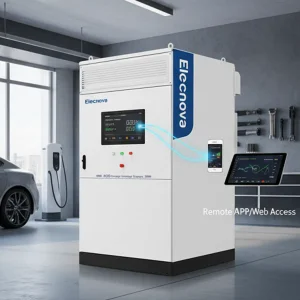
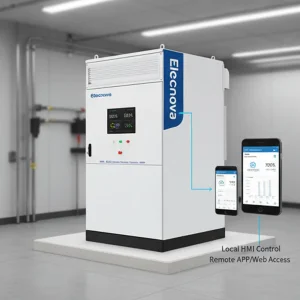
Real-time SOC (State of Charge) and SOH (State of Health) monitoring powered by AI helps predict maintenance needs before failure.
Vehicle-to-Grid (V2G) technology is being integrated into our hybrid inverters, allowing EVs to return power to the factory during peak demand.
Where our solar battery systems make the biggest impact.
Reducing the high-voltage connection costs by using Peak Shaving batteries to support 350kW chargers during holiday travel surges.
Utilizing Containerized Energy Storage Systems to power factory machinery and fleet EV charging simultaneously from rooftop solar.
Supporting electric bus depots with high-capacity 215kWh BESS units to ensure overnight charging doesn't destabilize the city grid.
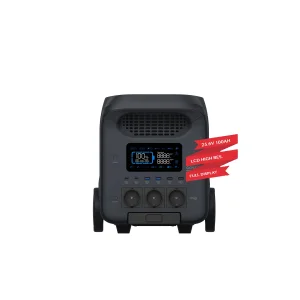
Using portable solutions like the Gosta Mbs25h-3c for emergency night lighting and backup UPS for charging station control systems.
When selecting a manufacturer for your EV charging infrastructure, consider these E-E-A-T factors:
Energy Density: High power density allows for a smaller footprint in urban environments where real estate is expensive.
Thermal Management: Look for integrated HVAC systems to prevent thermal runaway and extend cycle life.
Ease of Installation: Systems with pre-installed conduit and cable entry points reduce onsite labor costs by up to 30%.
Scalability: Ensure the BMS supports parallel configuration for future expansion as your EV fleet grows.
Round-Trip Efficiency: Aim for >88% to minimize energy loss during the AC-DC-AC conversion process.
After-Sales Support: Partner with manufacturers like Ansar Energy who provide comprehensive SOH monitoring and remote diagnostics.
Expert insights into solar battery integration.
Comprehensive solutions for every scale of energy storage.
 Ansar Energy