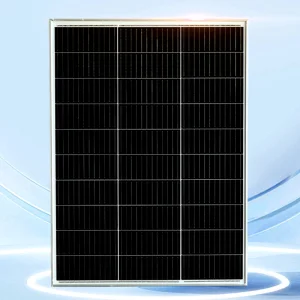
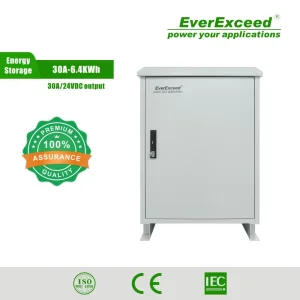
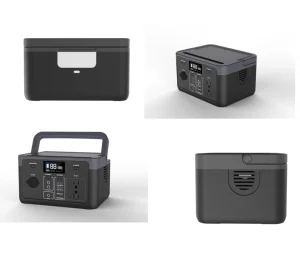
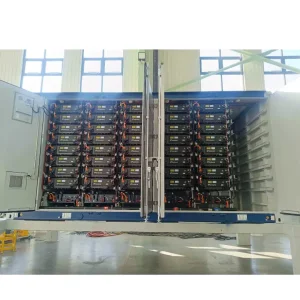
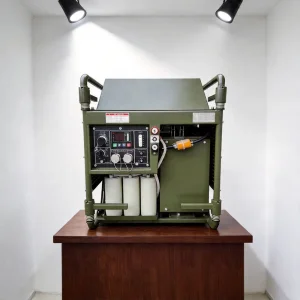
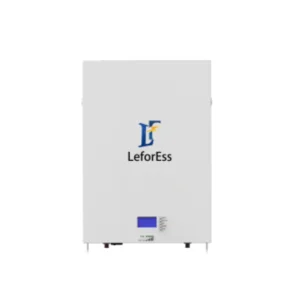
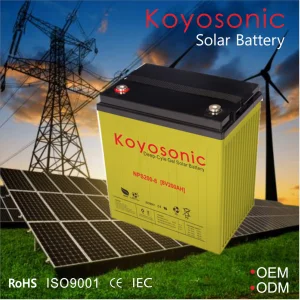
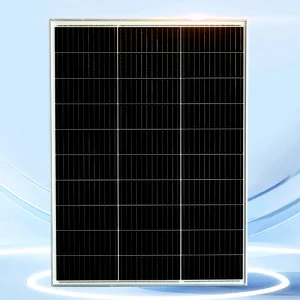
As the global energy landscape undergoes a paradigm shift from centralized fossil-fuel reliance to decentralized renewable integration, Distributed Solar Storage Solutions have emerged as the cornerstone of modern grid resilience. In 2024, the market is no longer just about "batteries"; it is about Intelligent Energy Orchestration. The convergence of photovoltaic (PV) generation and Battery Energy Storage Systems (BESS) allows commercial, industrial, and residential users to mitigate rising electricity costs while ensuring 24/7 power availability.
Enterprises are increasingly adopting distributed storage to bypass peak-hour tariffs. By charging during off-peak times (or via solar) and discharging during peak demand, businesses achieve significant ROI through energy arbitrage.
Modern BESS now utilizes AI to predict weather patterns and consumption loads, optimizing battery health and discharge cycles to extend system lifespan beyond 15 years.
Aggregated distributed storage systems are now being networked into VPPs, allowing owners to sell excess capacity back to the grid, transforming an expense into a revenue stream.
Shenzhen Ansar Energy Co., Ltd. is a professional manufacturer specializing in solar energy storage batteries and integrated renewable energy solutions for residential, commercial, and industrial applications. Established in 2015 and headquartered in Shenzhen, Guangdong Province, China, the company is committed to supporting the global transition toward sustainable energy through advanced battery storage technologies and intelligent power management systems.
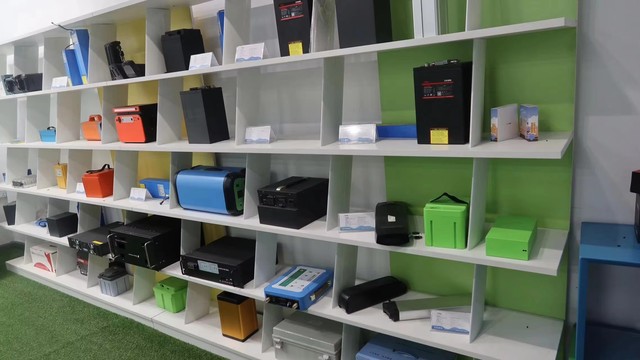
With a modern manufacturing facility covering more than 18,000 square meters and a workforce of over 250 employees, Ansar Energy serves customers across international renewable energy markets. The company's core product portfolio includes solar energy storage batteries, residential energy storage systems, commercial battery storage solutions, industrial energy storage systems, off-grid solar battery systems, hybrid energy storage solutions, backup power batteries, lithium battery packs, and smart battery management systems.
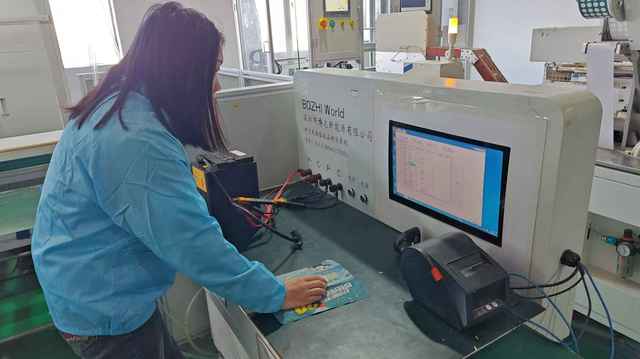
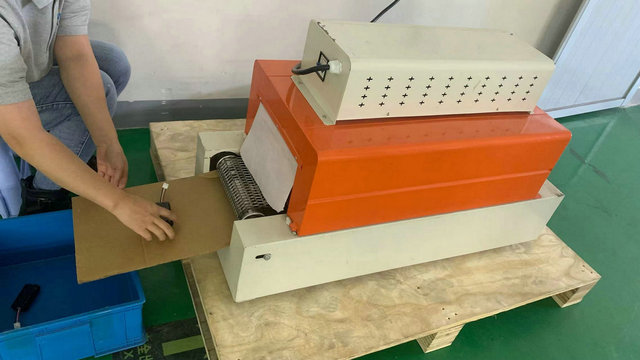
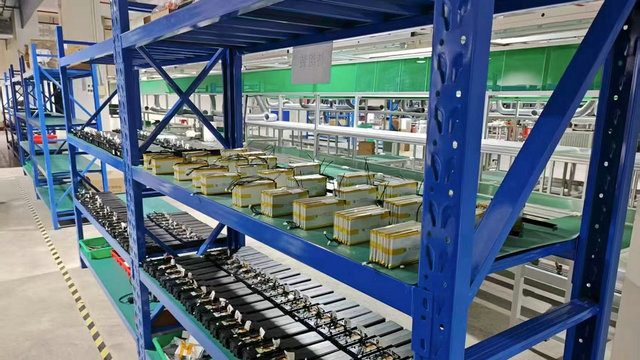
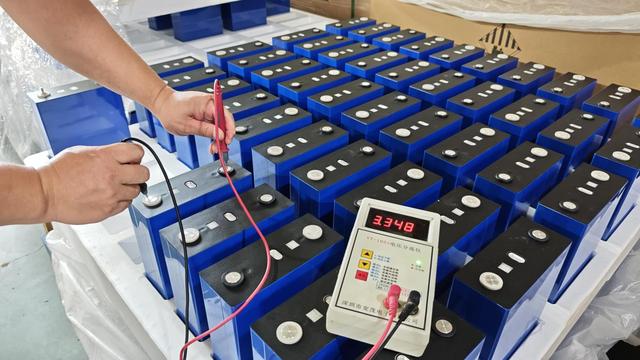
These products are widely used in residential solar installations, commercial buildings, industrial facilities, microgrid projects, telecommunications infrastructure, emergency backup power applications, and renewable energy integration projects. Ansar Energy operates advanced battery assembly lines, testing laboratories, and quality control facilities equipped with modern manufacturing technologies.
Procurement teams for global infrastructure projects require more than just hardware; they demand comprehensive Macro Industry Solutions that address localized challenges. Ansar Energy bridges this gap by offering:
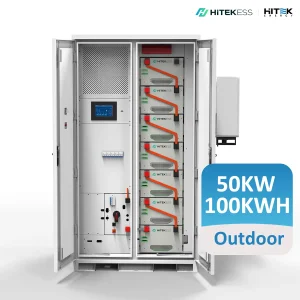
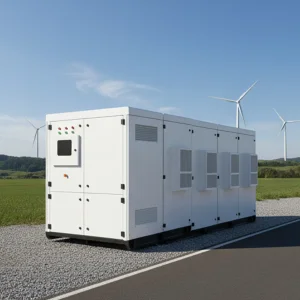
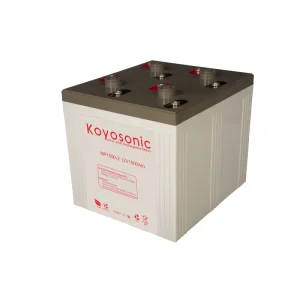
Scalable cabinets (50kW/100kWh to MWh scale) designed for factory rooftops, hospitals, and data centers. Focus on high safety standards and rapid deployment.
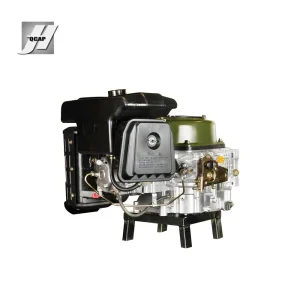
Solutions for off-grid mining sites or island communities where grid stability is non-existent. Integrated diesel-range extenders ensure 100% uptime.
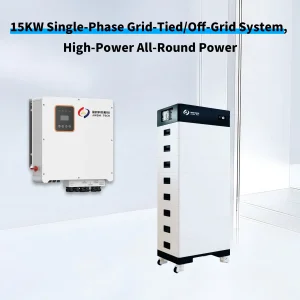
Sleek, low-voltage and high-voltage home battery stacks (5.12kWh to 30kWh) that integrate seamlessly with hybrid inverters and EV chargers.
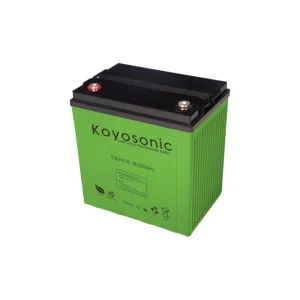
As a supplier at the forefront of the energy transition, our technical roadmap focuses on Information Gain through transparency in manufacturing. We prioritize the shift toward Lead-Carbon for high-cycle industrial needs and LFP (Lithium Iron Phosphate) for high-density safety.

Distributed storage reduces transmission losses, enhances local grid stability, and provides site-specific backup power that centralized plants cannot offer during localized outages.
We utilize advanced active cooling systems and BMS with multi-point thermal sensors that automatically throttle or shut down the system if temperatures exceed safety thresholds.
Yes, our Hybrid and Off-Grid solutions include ATS (Automatic Transfer Switch) logic that allows seamless orchestration between solar, battery, and diesel gensets for maximum efficiency.
Depending on local electricity rates and subsidies, most industrial clients see a full return on investment within 4 to 6 years through energy savings and grid services.
 Ansar Energy