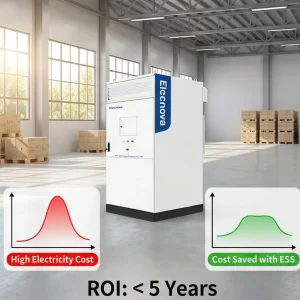
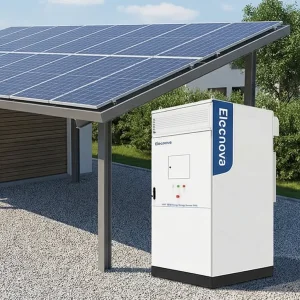
Premium Grade Solar Energy Storage Systems Optimized for Timor-Leste's Grid Conditions and Tropical Coastal Environments
The Democratic Republic of Timor-Leste (East Timor) faces a crucial energy transition. Historically reliant on localized diesel gensets and heavy fuel oil (HFO) plants managed by Electricidade de Timor-Leste (EDTL), the country is shifting toward solar-powered microgrids. Off-grid rural communities and coastal urban networks (from Dili to Baucau and Oecusse) require decentralization to ensure energy resilience.
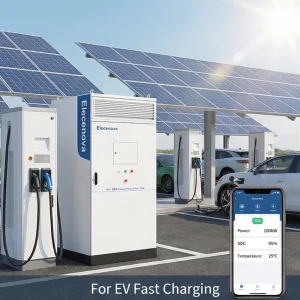
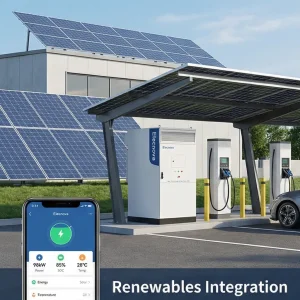
With global EV policies gaining ground and Timor-Leste seeking to minimize its fuel-import expenditures, deploying solar-integrated EV charging infrastructure is a strategic priority. However, building charging stations on a weak or remote grid creates severe peak loads. This is where Shenzhen Ansar Energy Co., Ltd. steps in, providing specialized containerized BESS configurations that buffer local networks, absorb solar generation during the day, and deliver ultra-fast charging to electric vehicles and regional public fleets without overloading the national distribution infrastructure.
Timor-Leste's regional transmission grids frequently experience voltage fluctuations. Our integrated battery storage buffers fluctuations, providing a steady 400V/50Hz output for heavy DC fast chargers.
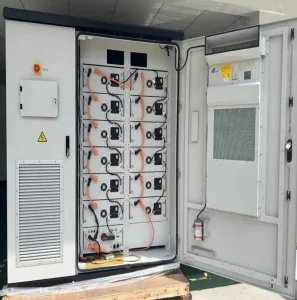
Featuring C5-M high anti-corrosion rated enclosures and integrated liquid cooling/HVAC systems, our BESS cabinets are designed to withstand Timor-Leste’s tropical coastal salinity.
Integrating EV chargers directly into the local grid in Timor-Leste poses critical technical risks, including transformer overloading and localized blackouts during simultaneous charging events. By utilizing our advanced LiFePO4 energy storage systems:
Aligning Procurement Strategies with Tier-1 Standards for Long-Term Infrastructure Reliability
Across Europe, the Americas, and APAC, the trend of Solar-Storage-Charging (光储充) integration is accelerating. Global procurement departments (EPC developers, state-owned utility providers, and green port authorities) require robust warranties, reliable cycle life, and modular flexibility. Purchasing engineers seek to avoid single-point failure designs by demanding advanced localized state-of-health (SOH) monitoring, integrated HVAC units, and dual-disconnect protection structures.
Ansar Energy meets these rigorous global demands by employing tier-1 LFP cells with high power density, ensuring minimal footprint and maximum system uptime. With our customized OEM and ODM solutions, clients in Timor-Leste receive configurations tailored precisely to native high-temperature, coastal-saline operating environments.
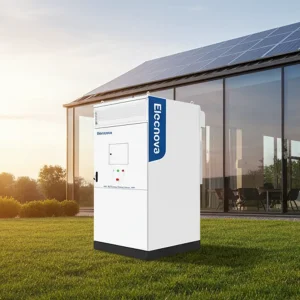
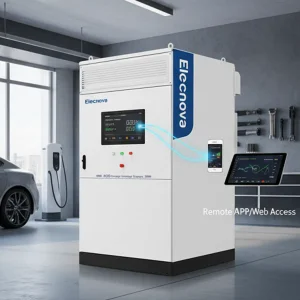
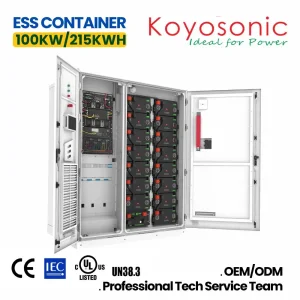
Explore our industrial energy storage cabinets equipped with active thermal management and cloud-based SOC/SOH diagnostics
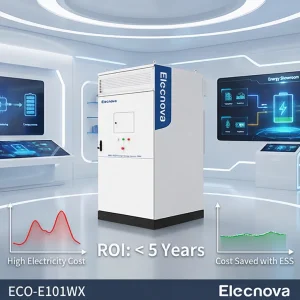
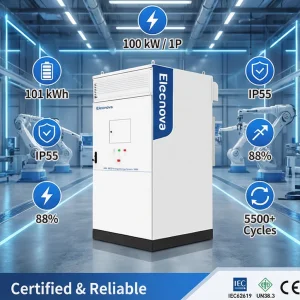
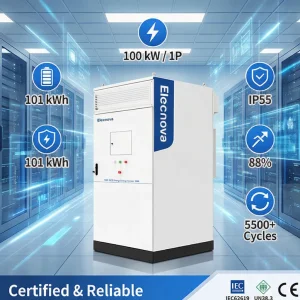
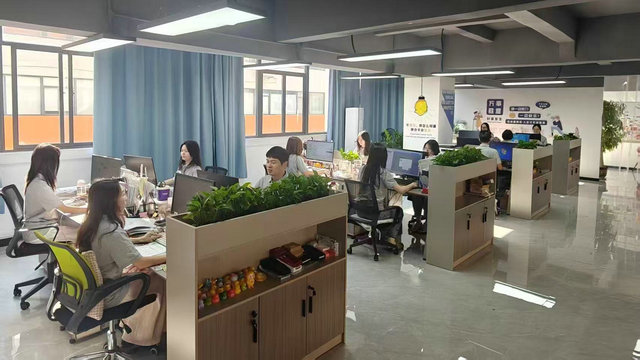
Established in 2015 and headquartered in the high-tech hub of Shenzhen, Guangdong Province, China, Shenzhen Ansar Energy Co., Ltd. has grown to become a premium manufacturer of integrated solar energy storage batteries and renewable energy systems. Operating a modern facility of over 18,000 square meters and employing over 250 skilled energy professionals, we leverage advanced manufacturing automation and strict quality management procedures.
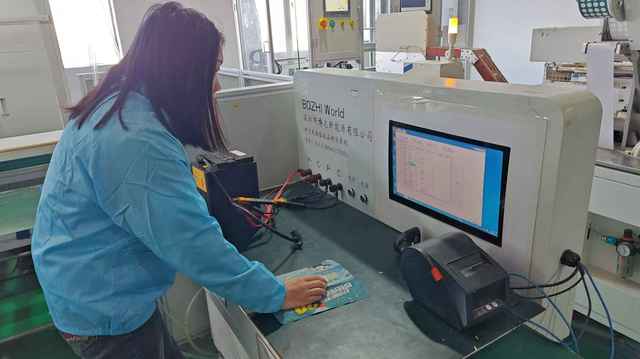
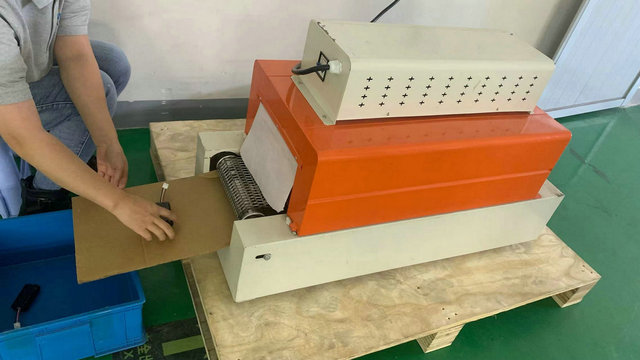
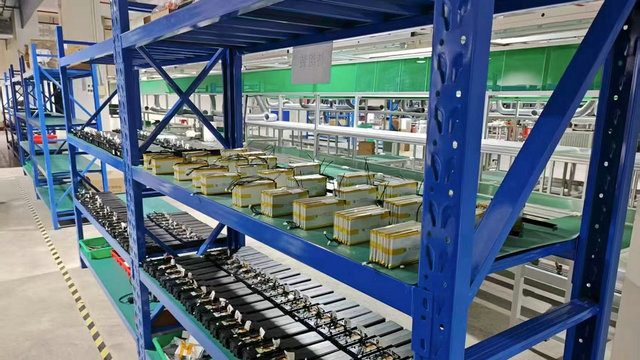
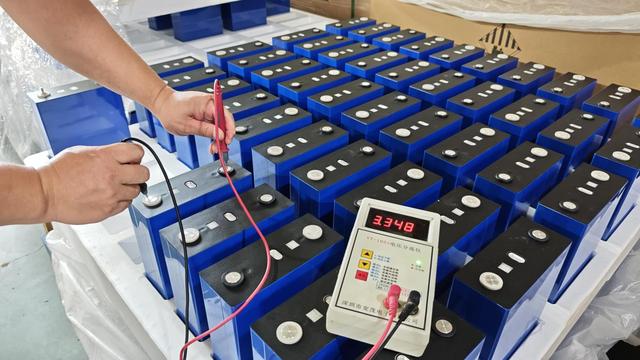
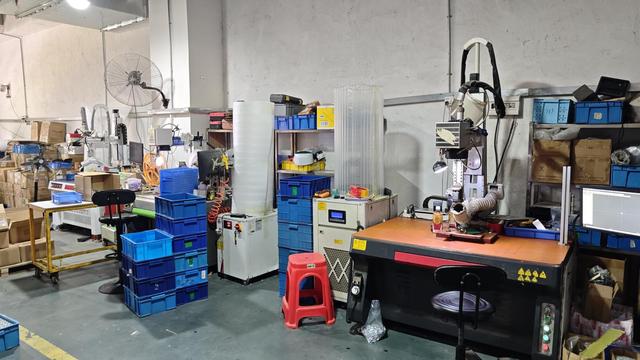
Our production floor uses Factory 4.0 automated module assembly lines, laser-welding robots, and high-precision testing chambers. Every battery pack undergoes comprehensive cycle tests, insulation validation, and thermal imaging checks to verify high performance and safety under load. Ansar Energy provides standard off-the-shelf cabinets and provides robust OEM and ODM services, creating custom battery management configurations, mechanical envelopes, and grid communication protocols for global clients.
| Parameters | Factory Standards & Quality Controls |
|---|---|
| Manufacturing Area | 18,000+ Square Meters, dust-free anti-static workshops |
| Certifications | ISO9001, ISO14001, CE, UN38.3, UL 1973, IEC 63056, EN 50549 |
| Core Testing Procedures | Cell sorting, automated module laser welding, EOL test, temperature cycle test |
| Customization Scope | Bespoke capacities, BMS protocols, HVAC integration, branding (OEM/ODM) |
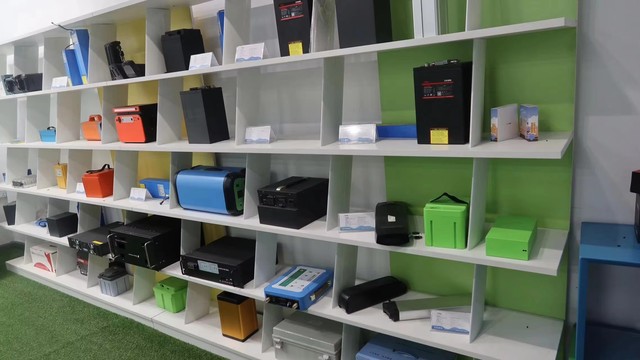
Below is an inside look at Ansar Energy's modern assembly workshops, cell matching labs, and quality inspection departments:
Engineering resilient solutions for the unique infrastructural and geographic demands of East Timor
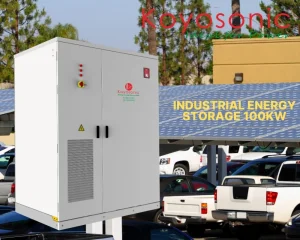
Inter-city travel along the northern coastal highway requires reliable charging points. By setting up decentralized microgrid stations using the Containerized 100kw 153kwh Bess combined with solar canopies, regional travelers can recharge quickly without relying on a centralized grid supply.
As Timor-Leste moves to electrify government micro-mobility options and city buses, high-power DC charging draws heavy peak currents. Utilizing peak-shaving battery cabinets reduces demand charges and maintains stable distribution lines for surrounding residential areas.
Industrial marine and logistics environments pose high risk for electrical infrastructure. Using our IP54/NEMA 3R integrated HVAC battery cabinets ensures sea-spray resistance, protecting battery cells from the high humidity of maritime zones.
Select from our complete range of certified systems for utility-scale deployment, off-grid power, and emergency backup
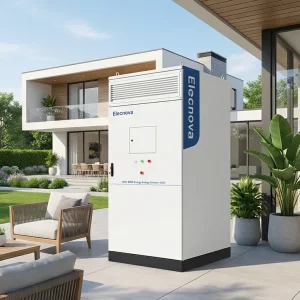
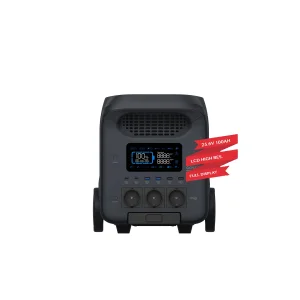
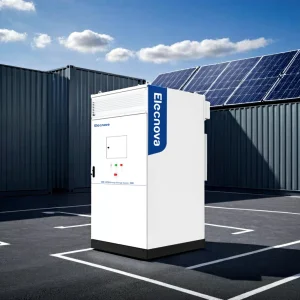
Addressing critical design questions for engineering teams deploying BESS in isolated grid configurations
Lithium Iron Phosphate (LiFePO4) chemistry offers superior thermal stability compared to NMC cells, minimizing the risk of thermal runaway in hot environments. Under high tropical ambient temperatures common in coastal locations like Dili, our cells maintain safe operation, offering over 6,000 charge-discharge cycles at 80% Depth of Discharge (DoD), yielding a significantly lower lifetime cost of storage (LCOS).
High ambient heat accelerates battery capacity fading and degradation. Our All-in-One Ess Battery with Integrated HVAC maintains internal cabinet temperatures between 20°C and 25°C. This active thermal cooling ensures cell temperature uniformity, preventing localized hot spots and maintaining stable state-of-health (SOH) and peak round-trip efficiency (RTE) metrics above 88%.
Yes, our battery energy storage systems feature modern intelligent power management software (EMS) compatible with diesel generators and solar PV arrays. In microgrid setups, our battery functions as a grid former, matching voltage and frequency requirements to minimize generator run-times, reduce diesel fuel consumption, and optimize local renewable usage.
All Ansar Energy BESS systems comply with international standards for energy and mechanical safety. Our products hold certifications including UL 1973 for stationary storage safety, IEC 63056 for cell testing standards, and EN 50549 for grid compliance, ensuring seamless licensing approvals with local utilities and government inspection boards.
Our high power density inverter systems manage power delivery efficiently, minimizing reactive losses. A 0.99 power factor ensures nearly all apparent power (kVA) is converted to active, usable power (kW), reducing grid strain and energy losses on lines prone to thermal fatigue.
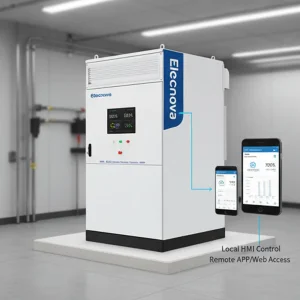
Our integrated BMS tracks State-of-Charge (SOC) and State-of-Health (SOH) at the cell level. Real-time data is transmitted via Modbus TCP/IP, CAN, or 4G LTE communication interfaces to localized control centers or cloud dashboards, allowing developers in Timor-Leste to monitor battery health and address cell imbalances remotely.
Whether you are designing a public EV charging hub in Dili or an off-grid commercial microgrid in East Timor, our engineering team can customize BESS capacities and configurations to your project requirements.
 Ansar Energy