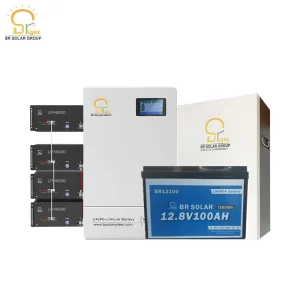
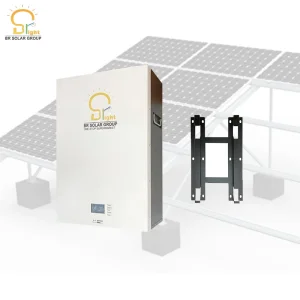
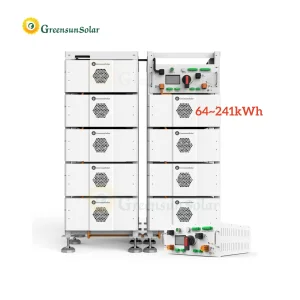
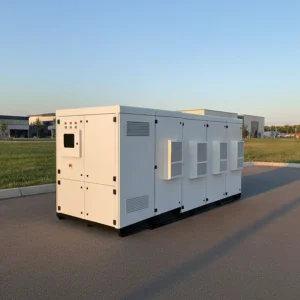
Optimized hybrid storage systems featuring integrated MPPT controllers, wall-mounted architectures, and microgrid container enclosures designed to withstand tropical marine environments.
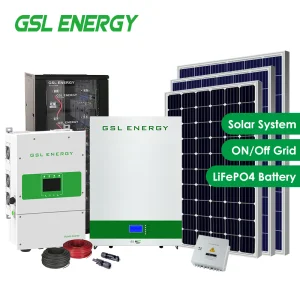
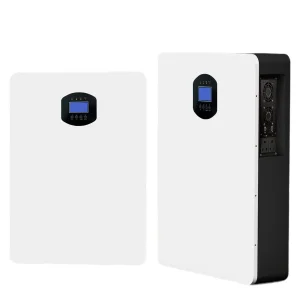
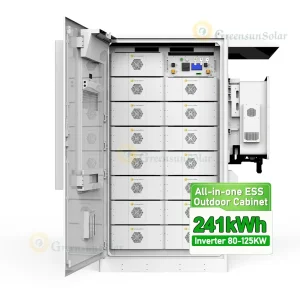
As an archipelago of over 80 islands, Vanuatu faces unique energy challenges characterized by high electricity tariffs, heavy reliance on imported diesel, and susceptibility to severe tropical cyclones. The Government of Vanuatu's National Energy Road Map (NERM) outlines an ambitious target: 100% renewable electricity by 2030. Achieving this transition requires robust, high-performance Hybrid Solar Storage Battery Systems that can buffer the intermittent nature of solar irradiance and provide reliable microgrid infrastructure.
For hotels, agricultural processors, and public clinics in rural provinces like Sanma and Malampa, power outages are not merely disruptive; they are economically devastating. Local commercial operations are increasingly replacing diesel gensets with intelligent, containerized energy storage systems (BESS). These installations mitigate peak demand charges, stabilize local grids, and secure critical infrastructure during severe weather events.
Globally, the transition to renewable energy has entered a new phase driven by "hybridization." Rather than simple grid-tied solar arrays, modern utility and commercial-scale projects deploy multi-source energy hubs combining PV arrays, backup diesel generators, and advanced battery energy storage systems (BESS).
The core technology enabling this shift is the hybrid inverter combined with high-density lithium iron phosphate (LiFePO4) chemistry. This synergy allows seamless switching between on-grid and off-grid modes, dynamic frequency regulation, and load-shifting capacity. As global raw materials supply chains stabilize, commercial enterprises demand longer cycle lives (typically >6000 cycles at 80% DOD), integrated smart cooling, and cloud-monitored Battery Management Systems (BMS) to optimize long-term Levelized Cost of Storage (LCOS).
High-density energy storage configurations engineered for resilient off-grid utility.
How our centralized production ecosystem in Shenzhen delivers superior cost efficiency, cell-level safety, and customized OEM/ODM energy storage configurations.
Shenzhen Ansar Energy Co., Ltd. is a professional manufacturer specializing in solar energy storage batteries and integrated renewable energy solutions for residential, commercial, and industrial applications. Established in 2015 and headquartered in Shenzhen, Guangdong Province, China, the company is committed to supporting the global transition toward sustainable energy through advanced battery storage technologies and intelligent power management systems. With a modern manufacturing facility covering more than 18,000 square meters and a workforce of over 250 employees, Ansar Energy serves customers across international renewable energy markets.
The company's core product portfolio includes solar energy storage batteries, residential energy storage systems, commercial battery storage solutions, industrial energy storage systems, off-grid solar battery systems, hybrid energy storage solutions, backup power batteries, lithium battery packs, and smart battery management systems. These products are widely used in residential solar installations, commercial buildings, industrial facilities, microgrid projects, telecommunications infrastructure, emergency backup power applications, and renewable energy integration projects.
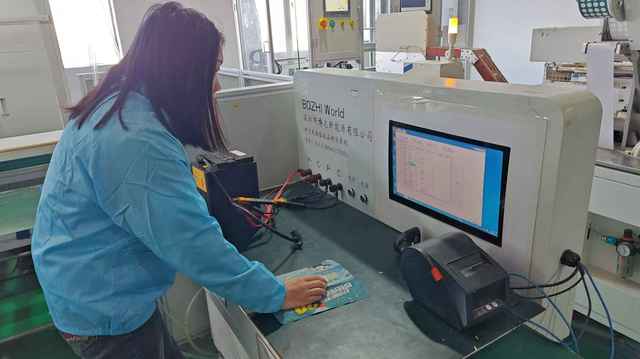
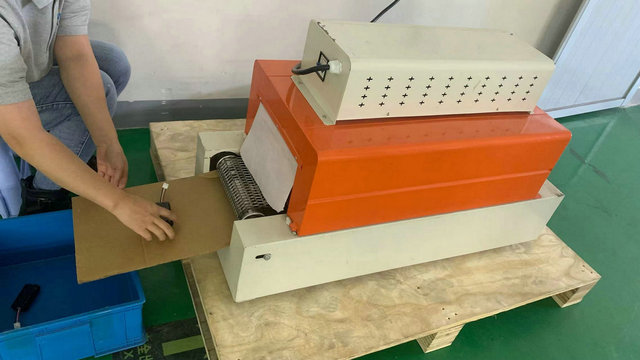
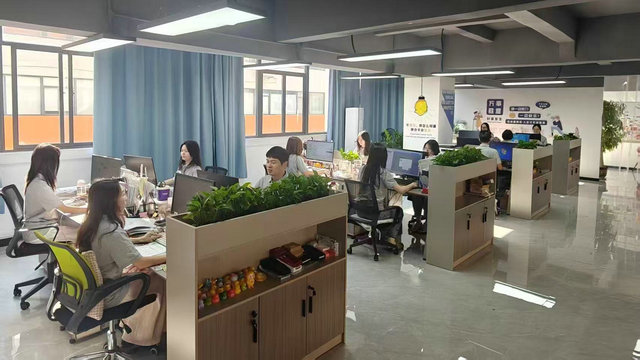
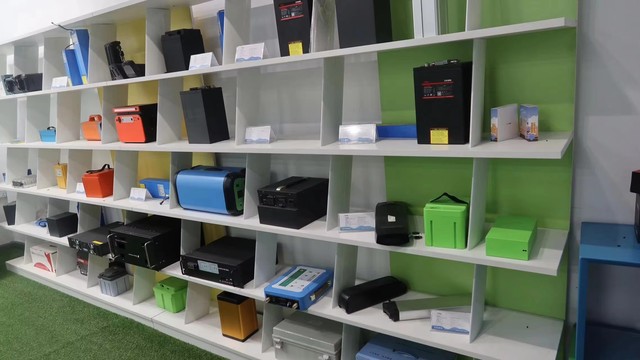
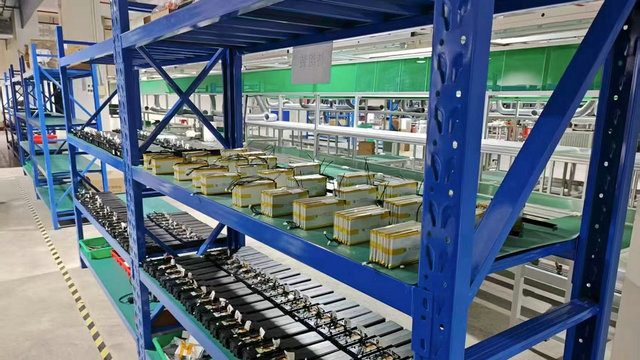
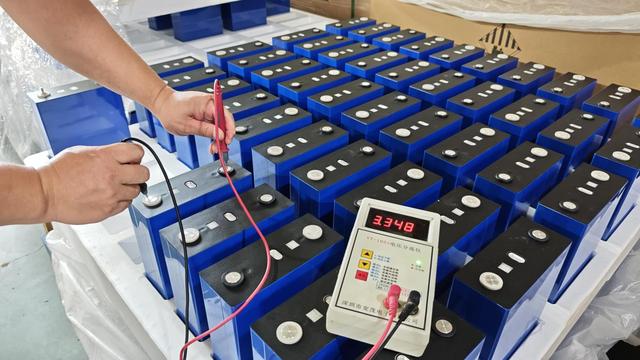
Ansar Energy operates advanced battery assembly lines, testing laboratories, and quality control facilities equipped with modern manufacturing technologies. The company follows strict quality management procedures throughout product design, cell integration, system assembly, testing, and final inspection to ensure dependable performance, safety, and long-term reliability. Continuous investment in research and development enables the company to improve energy efficiency, battery lifespan, and system intelligence.
In addition to standard products, Ansar Energy provides OEM and ODM manufacturing services, offering customized battery capacities, system configurations, branding solutions, and project-specific energy storage designs. The company collaborates closely with solar installers, energy developers, distributors, and system integrators worldwide. Driven by innovation, sustainability, and customer-focused engineering, Shenzhen Ansar Energy Co., Ltd. is dedicated to delivering reliable solar energy storage solutions that help customers achieve greater energy independence, operational efficiency, and long-term renewable energy value.
Targeted deployment scenarios optimized for the unique climatic and commercial landscape of the South Pacific.
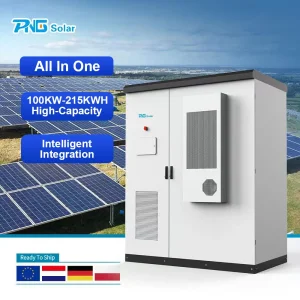
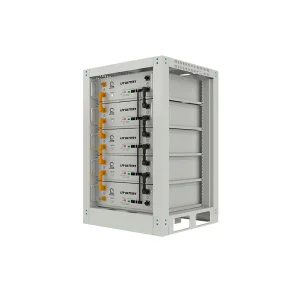
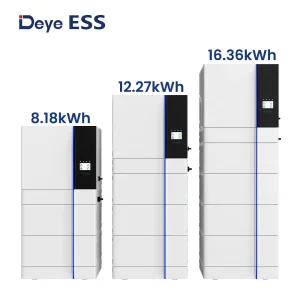
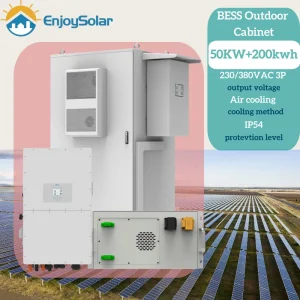
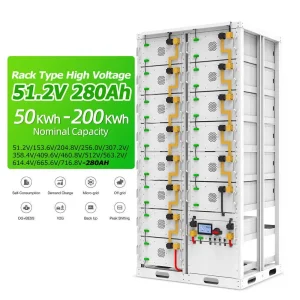
Tourism is a primary driver of Vanuatu's economy. High-end eco-resorts located on outer islands require silent, zero-emission microgrids to maintain their luxury appeal. Our containerized systems (up to 240kWh) coupled with high-voltage stackable battery units offer silent operations, peak-shaving capability, and a robust marine-grade design to resist ambient humidity and salt corrosion.
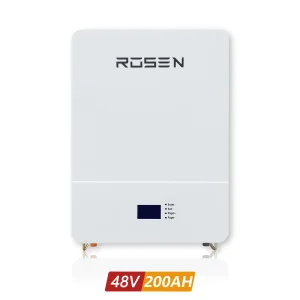
Uninterrupted internet and mobile services are critical for emergency response across the Vanuatu archipelago. The 48V wall-mounted solar gel and LFP batteries provide deep-cycle resilience for remote telecom towers. Designed for extreme operating temperatures, they ensure high round-trip efficiency without demanding heavy cooling resources.
Agricultural exports, including kava, copra, and cocoa, require stable processing and cold storage facilities. Micro-grid high-voltage battery storage containers offer high charging/discharging efficiency, allowing processing facilities to use stored solar energy during peak load times, reducing energy operational overheads by up to 60%.
Helping engineers, EPC contractors, and purchasing agents choose the correct configuration for Oceania microgrids.
When engineering energy systems for coastal tropical climates, key variables such as thermal derating, C-rates, and relative humidity protection must be balanced. Below is the technical procurement roadmap for our hybrid solar batteries:
| System Classification | Nominal Voltage (V) | Common Capacity Range | Target Applications | Inverter Compatibility |
|---|---|---|---|---|
| Low-Voltage Residential ESS | 48V / 51.2V | 5kWh - 20kWh (Stackable/Wall-mount) | Home Backup, Remote Medical Clinics, Telemetry Systems | Deye, Victron, Growatt, Voltronic |
| High-Voltage Building ESS | 200V - 450V | 15kWh - 60kWh (Stackable) | Large Residential Villas, Retail Outlets, Server Backups | GoodWe, Kstar, Deye, SMA |
| Commercial & Industrial BESS | 600V - 1000V+ | 100kWh - 300kWh (IP55/IP65 Containerized) | Eco-Resorts, Copra Processing, Isolated Microgrids | Solis, Sungrow, Kehua, Sinexcel |
High-capacity energy systems engineered for maximum scaling, rapid field installation, and compatibility with leading global inverter brands.
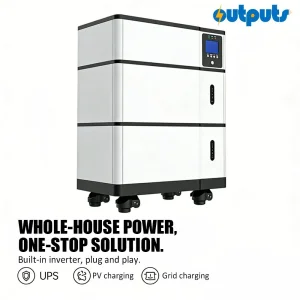
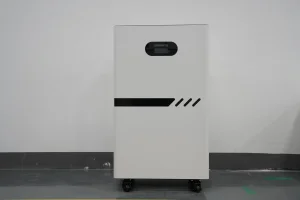
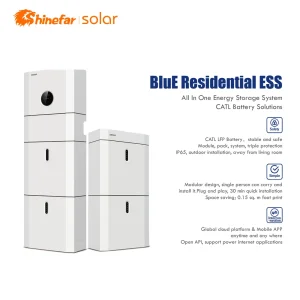
Providing clear, expert answers on battery chemistry, integration protocols, and environmental specifications for commercial project managers.
Lithium Iron Phosphate (LiFePO4) chemistry offers superior thermal stability and safety margins compared to Nickel Cobalt Manganese (NCM) cells. Vanuatu experiences high ambient temperatures and humidity. LiFePO4 has a high thermal runaway threshold (approx. 270°C) and does not release oxygen during structural degradation. Furthermore, LiFePO4 delivers over 6000 cycles at 80% Depth of Discharge (DOD), yielding a substantially lower Levelized Cost of Storage (LCOS) over a typical 10-year lifespan.
Our containerized battery energy storage systems (BESS), such as the Greensun IP55 container, utilize specialized anti-corrosion marine coatings (C4 or C5 class) and double-layer thermal insulation. The cooling systems utilize closed-loop air conditioners or liquid-cooling plates. This keeps the internal battery racks completely isolated from the humid, salt-laden external air, preventing terminal oxidation, leakage currents, and premature cell aging.
Yes. Our integrated Smart BMS (Battery Management System) comes programmed with multi-protocol firmware. It supports CANbus and RS485 communication protocols compatible with major global inverter brands. This enables plug-and-play communication, allowing the inverter to dynamically regulate charging currents based on real-time cell parameters, cell temperature, and State of Charge (SOC).
Standard manufacturing lead time for standard stackable batteries is 15-20 days, whereas containerized commercial systems (100kWh+) require 30-40 days. Shipments are consolidated and dispatched from Shenzhen/Guangzhou ports to Port Vila or Luganville. All logistics comply with UN38.3 maritime safety regulations for Class 9 dangerous goods (Lithium Batteries), accompanied by MSDS documentation and marine transport safety certificates.
Our BMS monitors cell-level metrics including over-voltage, under-voltage, over-current, short circuits, and extreme temperature variations. If a parameter exceeds safe limits, the BMS communicates with the inverter to ramp down current or trips the integrated DC breaker to isolate the battery pack, preventing cell damage and thermal runaway.
Connect with our expert application engineering team to calculate your microgrid storage requirements, obtain dynamic quotes, and access customized CAD layouts.
Send Inquiry Now Ansar Energy