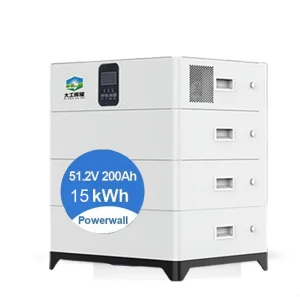
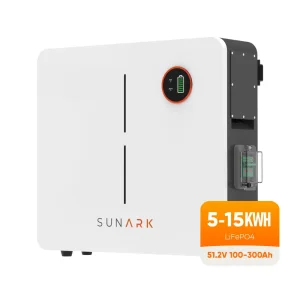
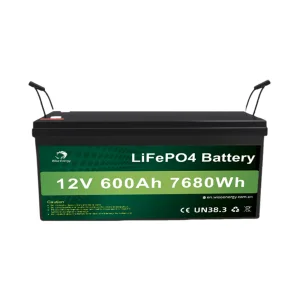
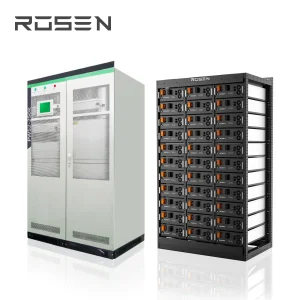
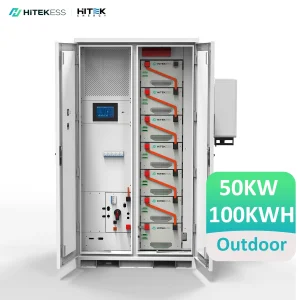
The global energy landscape is undergoing a seismic shift. As the world transitions toward carbon neutrality, Wall Mounted Energy Storage Systems (ESS) have emerged as the cornerstone of decentralized power. This "White Paper" grade guide explores the market leaders, technical innovations, and manufacturing paradigms that define the current energy storage epoch. Wall-mounted solutions, specifically LiFePO4-based "Powerwalls," are no longer just luxury backup items; they are essential assets for grid stability, energy arbitrage, and total self-sufficiency.
When analyzing the Top 10 Wall Mounted Energy Storage Manufacturers, we look beyond mere sales volume. We evaluate through the lens of "Information Gain"—analyzing how manufacturers like Shenzhen Ansar Energy Co., Ltd. integrate AI-driven Battery Management Systems (BMS) with high-density lithium cells to solve the volatility of renewable sources.
Search intent for this sector has evolved. Buyers are no longer just looking for "cheap batteries"; they are searching for "system compatibility," "thermal runaway protection," and "long-term cycle reliability." This report addresses the multi-layered needs of global EPC contractors and distributors.
Shenzhen Ansar Energy Co., Ltd. stands as a vanguard in the professional manufacturing of solar energy storage batteries. Established in 2015 and headquartered in the high-tech hub of Shenzhen, China, the company has bridged the gap between advanced R&D and mass-scale industrial application.
Sqm Facility
Expert Employees
Battery Cycles
Global Regions
Ansar Energy's core product portfolio includes residential storage systems, commercial battery solutions, and industrial-grade off-grid systems. By operating advanced assembly lines and rigorous testing laboratories, they ensure that every LiFePO4 module meets the "E-E-A-T" (Experience, Expertise, Authoritativeness, and Trustworthiness) criteria required by global safety standards like UL1973 and CE.
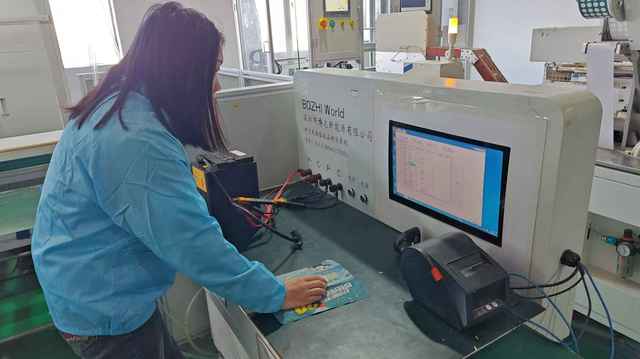
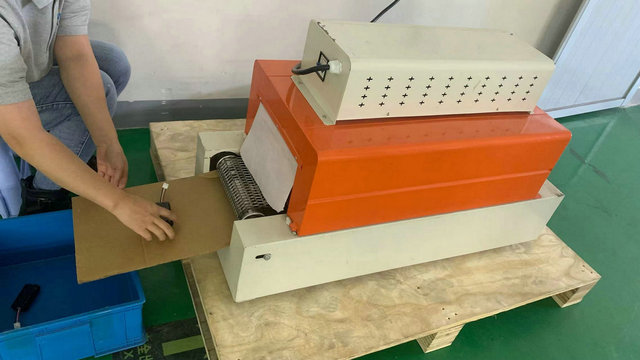

The roadmap for wall-mounted energy storage is not linear; it is an exponential convergence of materials science and software. Manufacturers are shifting from simple chemistry providers to full-stack energy intelligence companies.
Compared to NCM (Nickel Cobalt Manganese), LiFePO4 has become the industry standard for wall-mounted units. The thermal stability of LFP ensures that residential installations are safe from "thermal runaway," a critical factor for home insurance compliance and consumer peace of mind. Future iterations are looking at Solid-State LFP to further increase energy density by 30%.
Next-generation systems integrate IoT and AI. Ansar Energy’s Smart BMS doesn't just monitor voltage; it uses predictive algorithms to balance cell aging, optimize discharge curves based on weather forecasts, and provide real-time cloud-based diagnostics. This is the "Technical Incremental Value" that distinguishes top-tier exporters.
The future of the wall-mounted battery is its role as a hub. By 2026, we expect seamless integration between home ESS and Electric Vehicle (EV) chargers, allowing for bi-directional energy flow that turns a house into a truly autonomous microgrid.
China’s dominance in the energy storage sector is not just about labor costs; it is about Industrial Clustering and Industry 4.0 automation. Shenzhen-based manufacturers like Ansar Energy leverage a mature ecosystem of cell producers, PCB manufacturers, and aluminum extrusion plants.
Top exporters control everything from cell sorting to the final casing. This minimizes the risk of component shortages that plague European and North American assemblers.
Using AI vision for weld inspection and laser-guided assembly ensures that a 51.2V 200Ah battery maintains its integrity over 10 years of daily cycling.
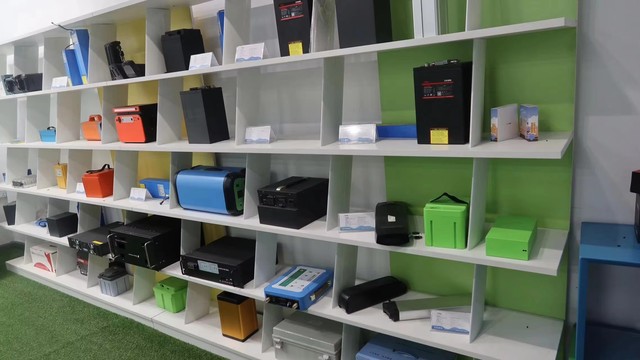
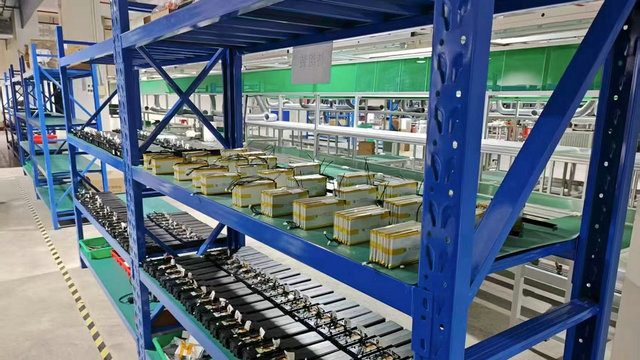
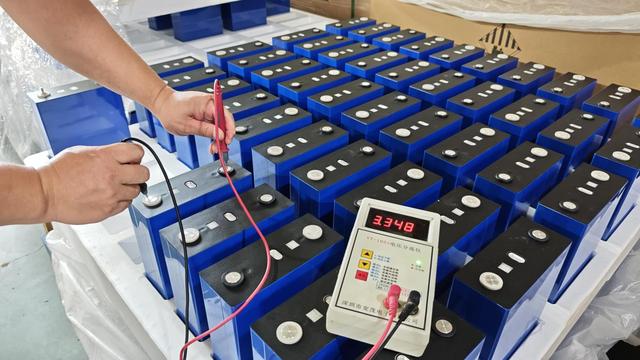
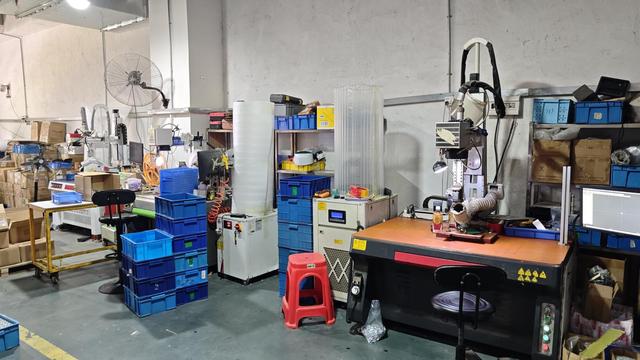
A true manufacturer provides a "Solution," not just a "Product." The top 10 exporters in the wall-mounted space distinguish themselves by addressing regional challenges:
Exporting to 50+ countries requires a massive investment in legal compliance. Ansar Energy provides localized support through OEM/ODM services, ensuring that branding, manuals, and software interfaces are adapted to local grid codes (e.g., G98 in the UK, AS4777 in Australia).
A: Most premium wall-mounted batteries, like those from Ansar Energy, offer 6,000+ cycles at 80% Depth of Discharge (DoD). In a typical residential setting where the battery cycles once a day, this translates to over 15 years of operational life.
A: It is highly discouraged. Different manufacturers use different BMS protocols and cell chemistries. Mixing brands can lead to communication errors and uneven charging. It is best to stick with a single manufacturer’s stackable or parallel solution.
A: High Voltage (HV) systems (typically >100V) offer higher efficiency for large energy transfers and are better suited for three-phase commercial systems. Low Voltage (48V/51.2V) systems are the standard for residential due to their safety and ease of installation.
A: Yes, provided they are LiFePO4 chemistry and have an IP65 or higher rating. These batteries do not off-gas (unlike lead-acid) and are built with fire-retardant enclosures.
 Ansar Energy