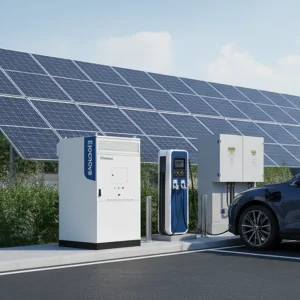
Shenzhen Ansar Energy Co., Ltd. stands at the forefront of the global energy revolution. As a premier manufacturer specializing in CE certified combined energy storage systems (CESS), we provide integrated renewable energy solutions that bridge the gap between volatile solar generation and consistent power demand. Established in 2015 and headquartered in the heart of China’s technology hub, Shenzhen, Ansar Energy has evolved from a battery assembler into a world-class powerhouse for intelligent energy management.
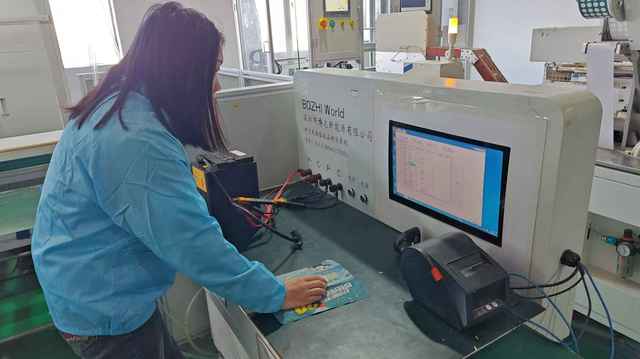
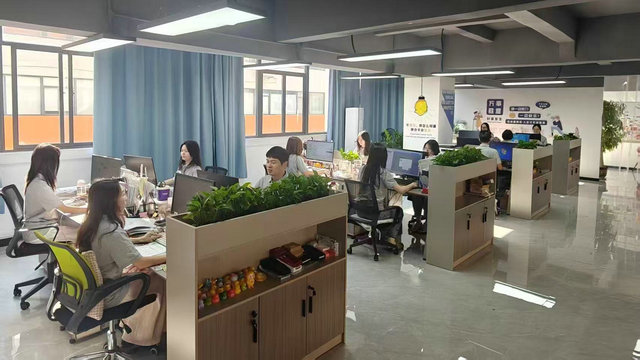
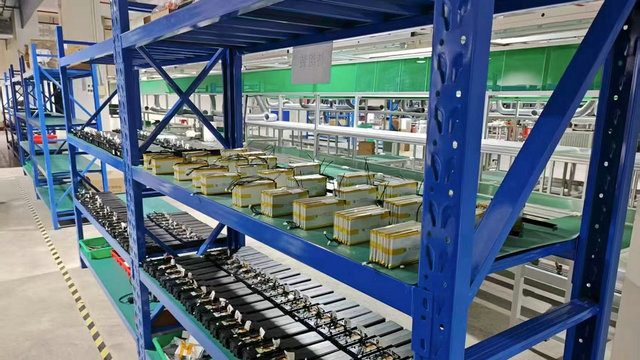
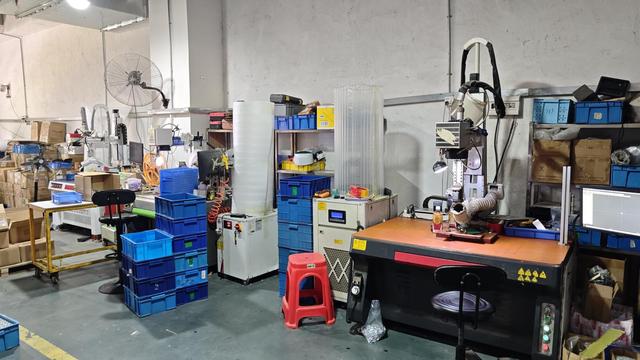
Our expansive 18,000-square-meter facility is a testament to our commitment to scale and quality. Housing over 250 skilled engineers and technicians, we utilize state-of-the-art automated production lines to deliver over 2GWh of annual capacity. For global enterprises, Ansar Energy is not just a supplier; we are a strategic partner providing Information Gain through deep technical insights and localized compliance expertise.
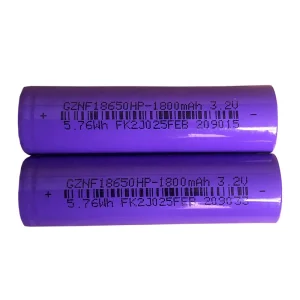
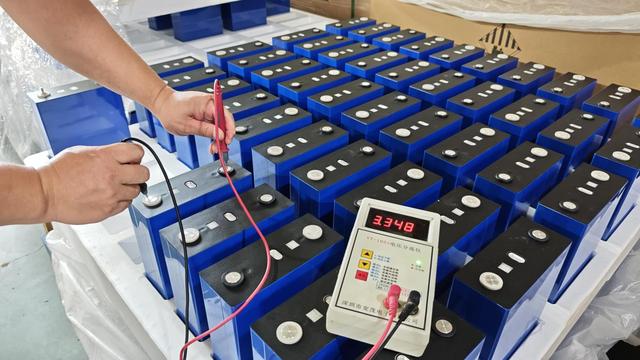
Our R&D team focuses on "Levelized Cost of Storage" (LCOS) optimization. By utilizing Grade-A LiFePO4 (Lithium Iron Phosphate) cells, we ensure our combined systems exceed 6,000 cycles at 80% DOD, significantly lowering the long-term CAPEX for commercial and industrial users.
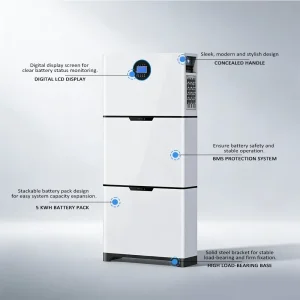
True "combined" energy storage requires a symbiotic relationship between the battery, inverter, and the grid. Our proprietary Battery Management Systems (BMS) provide real-time monitoring of cell voltage, temperature, and SOC, featuring triple-layered safety protocols to prevent thermal runaway.
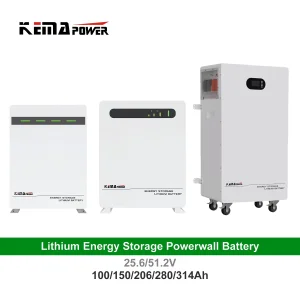
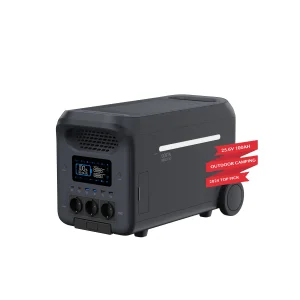
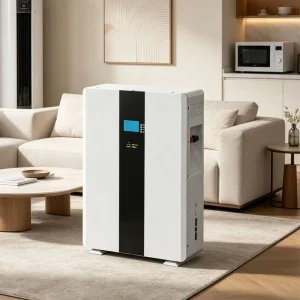
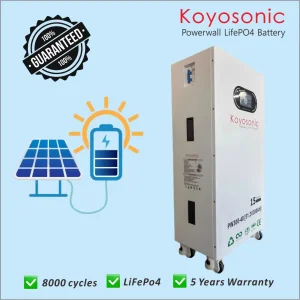
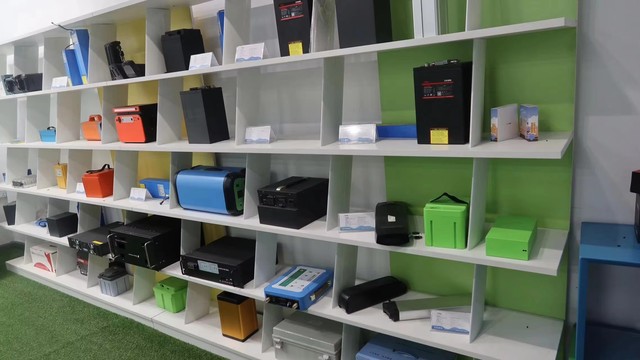
We provide deep-level customization from the PCB design level up to the exterior branding. Whether it's a 5kWh residential "Powerwall" equivalent or a 5MWh containerized industrial solution, our engineering team ensures the configuration matches specific project load profiles.
Entering international markets requires more than just high-quality hardware; it requires a deep understanding of local regulatory frameworks. Ansar Energy’s CE Certification is not just a label—it represents rigorous testing against Low Voltage (LVD) and Electromagnetic Compatibility (EMC) directives.
Our systems are designed to meet VDE-AR-N 4105 and G98/G99 standards, ensuring seamless grid connection across Germany, the UK, and the EU. We provide localized documentation in multiple languages to facilitate rapid permitting.
For the NA market, our components are engineered to align with UL 1973 and UL 9540A testing, prioritizing fire safety and large-scale thermal management essential for dense urban installations.
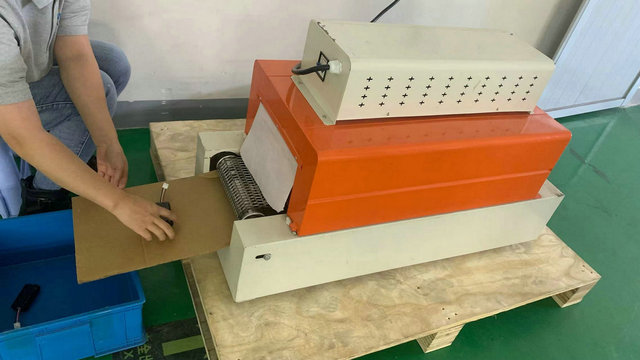
Safe transport of lithium batteries is paramount. We handle all UN38.3 certifications and MSDS documentation, ensuring that our products reach your doorstep in compliant, vibration-resistant packaging.
Sourcing from our Shenzhen factory offers unparalleled competitive advantages in the Energy Storage System (ESS) market:
Self-consumption optimization for homeowners. Store excess midday solar energy to power homes during peak tariff hours, achieving up to 90% energy independence.
Commercial facilities use our systems to reduce "Demand Charges." By discharging the battery during peak load spikes, factories can save thousands on monthly utility bills.
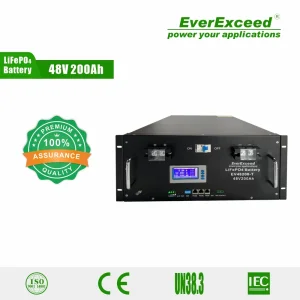
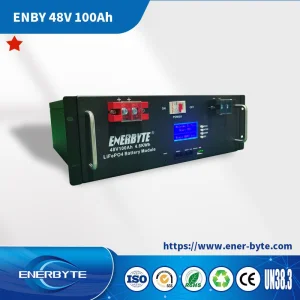
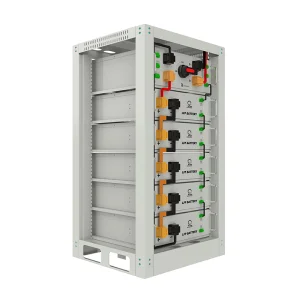
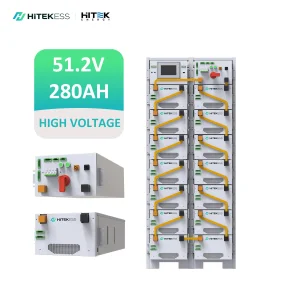
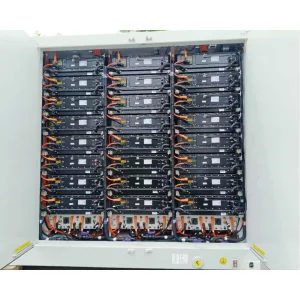
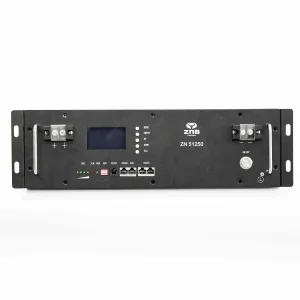
Our rack-mounted 48V 100Ah/200Ah LiFePO4 modules offer a footprint 70% smaller than traditional lead-acid batteries, with zero maintenance for 10+ years.
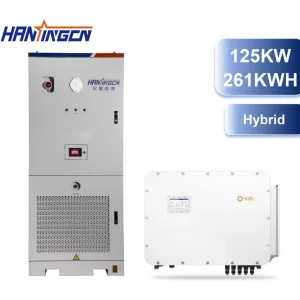
Integrated containerized solutions (up to 5MWh) provide stable 50/60Hz power for remote mining sites, island resorts, and agricultural projects where grid extension is unfeasible.
The industry is moving from "Passive Storage" to "Active Management." Key trends that Ansar Energy is currently pioneering include:
1. Virtual Power Plants (VPP): Our systems are being equipped with API interfaces to allow grid operators to aggregate residential batteries into a single, controllable power source, rewarding owners with "Grid Service" payments.
2. Solid-State Evolution: While LiFePO4 remains the safest current tech, our labs are already testing semi-solid-state cells to further enhance energy density and safety.
3. AI-Driven EMS: Using machine learning to predict weather patterns and household consumption, optimizing battery charging cycles to ensure power is always available when solar output is low.
 Ansar Energy