Decarbonizing SIDS with Resilient Energy Storage

Solar Battery for EV Charging Infrastructure Manufacturer & Exporter serving the Antigua and Barbuda market

88%
Round Trip Efficiency (RTE)
100%
Depth of Discharge (DoD)
18K+ m²
Shenzhen OEM Factory Space
IP55/C5-M
Corrosion & Climate Rating

Executive Brief: Navigating the Antigua & Barbuda Grid Limitations for EV Infrastructure

As a Small Island Developing State (SIDS), Antigua and Barbuda faces some of the highest electricity tariffs in the world due to its historic reliance on imported diesel fuel. The Antigua Public Utilities Authority (APUA) manages a localized, highly sensitive distribution grid that is highly vulnerable to the dynamic loading profiles of modern Electric Vehicle (EV) Charging Infrastructure. Instating high-power Level 2 AC and Level 3 DC fast chargers in key urban nodes such as Saint John's, Jolly Harbour, and English Harbour presents a double-edged sword: accelerating the country's decarbonization goals while risking grid destabilization, voltage drops, and excessive peak demand penalties.

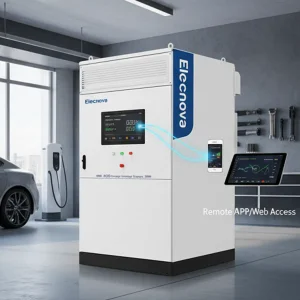
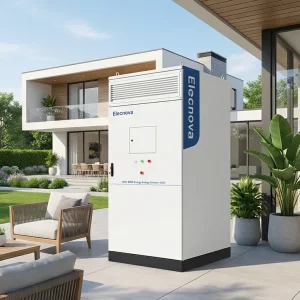
Deploying specialized **Solar Battery Energy Storage Systems (BESS)** as an active buffer is no longer optional; it is the core technological bridge. Shenzhen Ansar Energy Co., Ltd. custom engineers and manufactures utility-scale and commercial LFP (Lithium Iron Phosphate) solar battery systems optimized for the specific challenges of Caribbean deployments, striking a precise balance between thermal management, corrosion resistance, and grid compliance.

Environmental Adaptation: Engineering for Maritime Humidity, Heat, and Hurricanes

Typical commercial energy storage systems fail prematurely in island environments due to overlooked ambient conditions. At Ansar Energy, we modify our international export models to meet the specific ecological profile of the twin-island nation:

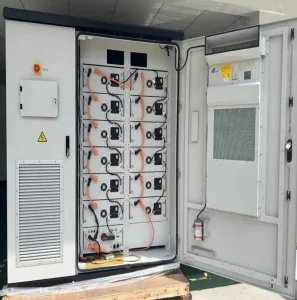
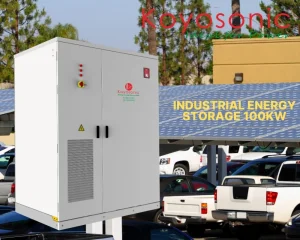
  • C5-M Anti-Corrosion Enclosures: Island sites are subjected to high atmospheric salinity and moisture. Our outdoor battery cabinets utilize double-walled galvanized steel structures coated with C5-M marine-grade paint, verified under ISO 12944 standard testing. This blocks salt spray from corroding critical electrical connection points, switchgear, and battery terminals.
  • Smart HVAC Systems: Extreme tropical heat reduces the lifespan of lithium cells. Ansar Energy's all-in-one systems feature integrated HVAC units that maintain a steady internal cabinet temperature of 23°C ± 2°C, preventing thermal runaway and mitigating cell degradation.
  • Hurricane-Ready Wind Load Construction: Following the lessons of Hurricane Irma in Barbuda, our containerized and cabinet BESS solutions are structurally reinforced to withstand Category 5 wind loads (up to 180 mph / 290 km/h) and feature secure anchoring systems to protect capital assets from natural disasters.

Decarbonizing Transportation: Localized Use Cases in Antigua and Barbuda

1. Microgrid Solar Fast-Charging Stations in Barbuda

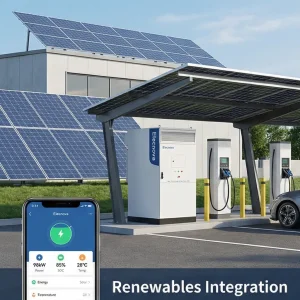
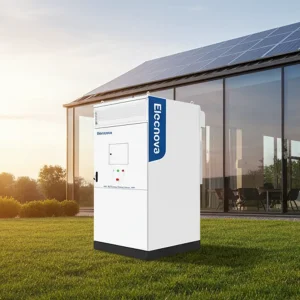
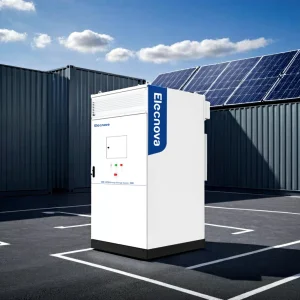
Following Barbuda's post-disaster rebuilding, there is a strong shift towards constructing a fully resilient, decentralized microgrid. By pairing a localized solar array with our 200kwh BESS Use for Solar System Energy Storage, municipal offices and public transportation hubs can support clean EV charging without pulling a single watt from the diesel-powered grid. This setup provides a true net-zero charging pathway while ensuring critical back-up power during grid blackouts.

2. High-Density Commercial Parking in St. John's

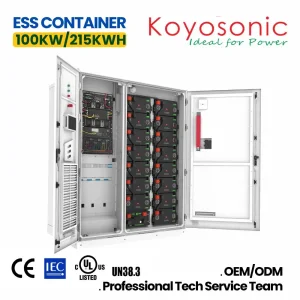
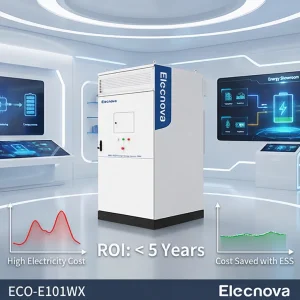
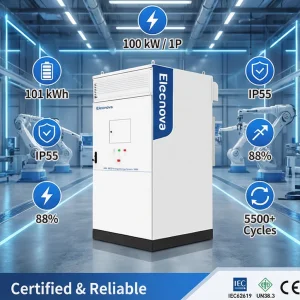
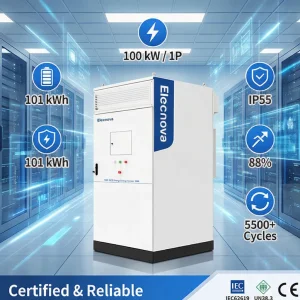
For supermarket parking lots, government offices, and taxi depots in the capital city, space is at a premium. Ansar Energy's High Power Density Ess Battery Cabinet with 110kVA Apparent Power and 0.99 Power Factor allows operators to pack maximum storage capacity into a minimal physical footprint, buffering multiple DC fast chargers from the APUA grid and eliminating high demand charges during mid-day heat spikes.

The Shenzhen Ansar Energy Supply Chain & Manufacturing Advantage

Shenzhen Ansar Energy Co., Ltd. (est. 2015) operates from a state-of-the-art 18,000 square meter facility in China's technological hub, Shenzhen. This strategic base allows us to offer Caribbean clients unparalleled advantages in component sourcing, quality control, and engineering versatility:

  • Direct Access to Tier-1 LFP Cells: By utilizing exclusively Tier-1 Lithium Iron Phosphate (LiFePO4) chemistry, we guarantee superior thermal stability, safety, and a cycle life exceeding 6,000 cycles at 80% Depth of Discharge (DoD).
  • Comprehensive OEM/ODM Engineering: We tailor capacity requirements, physical dimensions, inverter integrations (hybrid or AC-coupled), and software monitoring options to perfectly match local project scopes.
  • Strict Compliance & Quality Management: Our factory holds ISO 9001 and ISO 14001 certifications. Product safety is verified through rigorous certifications including UL 1973, IEC 63056, and EN 50549. Every system undergoes extensive thermal mapping and load testing before leaving our Shenzhen facility.
Get a Customized Quotation & Freight Estimate

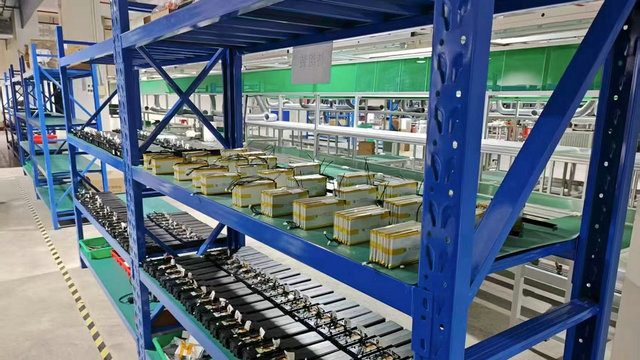
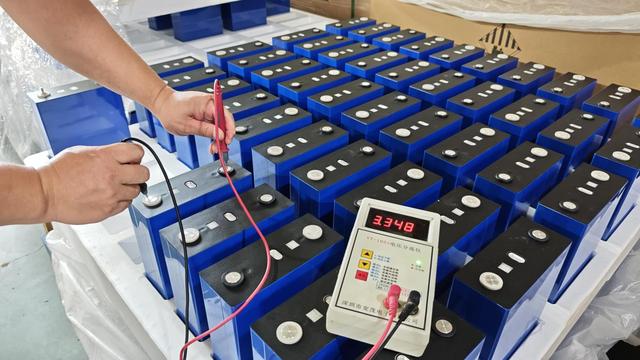
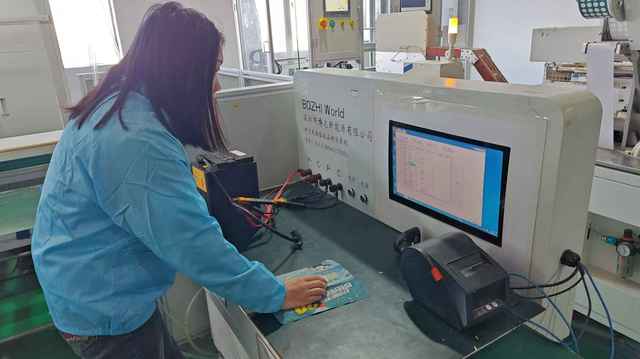
Production Excellence: Inside the Shenzhen Ansar Energy Facility

Our advanced assembly lines, testing laboratories, and strict quality control processes ensure that every BESS shipped to Antigua and Barbuda is built to withstand rigorous operating cycles.
Technical Roadmap: Solar-Plus-Storage for Antigua's Clean Energy Transition

Looking toward 2030, Antigua and Barbuda has set ambitious targets under its Nationally Determined Contributions (NDCs) to move away from fossil fuel dependence. The technology roadmap for EV charging relies heavily on combining intelligent localized generation with energy storage systems. Innovations like **Vehicle-to-Grid (V2G)** and **smart peak-shaving control** will allow EV batteries to serve as active resources for the grid during peak load periods. Our system architectures are built around open-protocol communications (Modbus TCP/IP, CAN, and OCPP) to seamlessly integrate with local energy management platforms and prepare developers for upcoming smart-grid upgrades.

Frequently Asked Questions (FAQ)

Expert answers to technical questions about deploying solar-coupled storage systems in Caribbean island conditions.

Why is LFP (Lithium Iron Phosphate) preferred over NMC for Caribbean EV charging projects?
LFP chemistry offers significant safety advantages for tropical environments. It has a much higher thermal runaway threshold (around 270°C) compared to NMC (around 210°C). Additionally, LFP batteries deliver more than double the cycle life (typically 6,000+ cycles at 80% DoD) under high ambient temperatures, offering a lower Total Cost of Ownership (TCO) in island nations like Antigua.
Can Ansar Energy's BESS handle the rapid pulse demands of DC Fast Chargers?
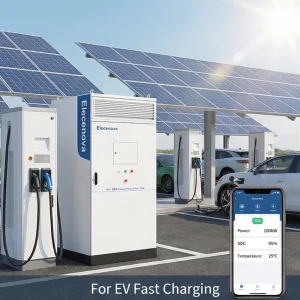
Yes, our batteries are designed for C-rates of 0.5C to 1C continuous charge/discharge capability, making them perfect buffers. When an EV initiates a high-power charging session, the BESS discharges rapidly to supply peak current, protecting the APUA grid from severe voltage sags.
How is marine-grade salt corrosion mitigated?
We use NEMA 3R/IP55 (and optional IP65) custom enclosures featuring double-walled sandwich panels and marine-grade polyester powder coating with a C5-M classification. Internal air circulation routes are filtered to minimize outdoor salt-air intake, keeping moisture away from high-voltage connections.
Are the storage systems compliant with APUA interconnection standards?
Our systems conform to standard grid interconnection requirements. Our inverters and battery packs carry international certifications such as EN 50549 (grid compliance), UL 1973, and IEC 62619, facilitating local utility approval processes.