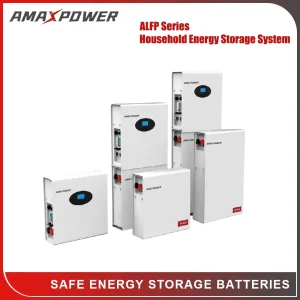
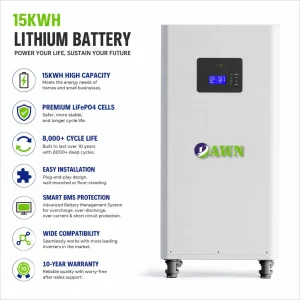
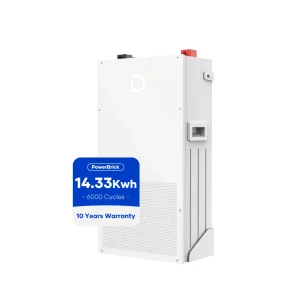
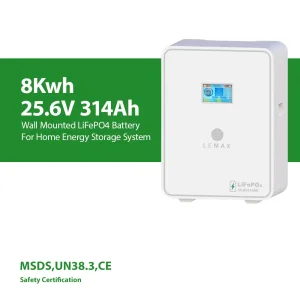
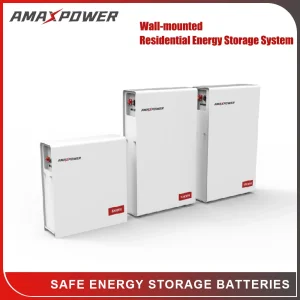
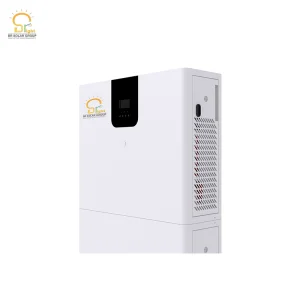
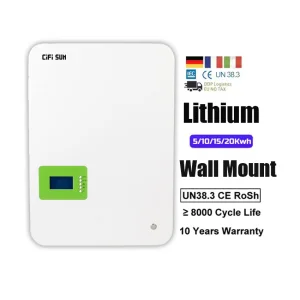
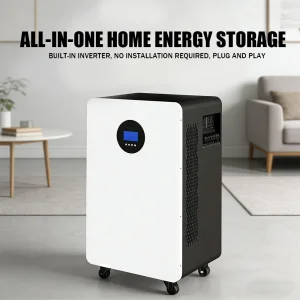
As the economic heart of Malaysia, Kuala Lumpur (KL) and the surrounding Klang Valley are witnessing an unprecedented shift toward renewable energy. With the Malaysian government's Net Energy Metering (NEM) 3.0 initiative and the ambitious goal of reaching 31% renewable energy capacity by 2025, the demand for Residential Solar Storage Batteries has skyrocketed. For local exporters and installers in the KL market, the challenge is no longer just finding a battery—it is finding a solution that survives the tropical humidity while meeting the rigorous safety standards of the Energy Commission (Suruhanjaya Tenaga).
Kuala Lumpur's urban density requires compact, wall-mounted, and high-energy-density storage systems. Unlike rural off-grid applications, KL residential systems must prioritize seamless grid-to-battery switching to counter localized power fluctuations and maximize self-consumption during peak tariff hours. This white paper explores how top-tier manufacturers are leveraging "Factory 4.0" technologies to serve the unique needs of the Malaysian solar ecosystem.
The roadmap for residential solar storage in Malaysia is defined by three pillars: Safety, Thermal Stability, and Intelligence. High-ambient temperatures in Kuala Lumpur (averaging 32°C) pose a risk to traditional NCM (Nickel Cobalt Manganese) batteries. As a result, the market has shifted decisively toward LiFePO4 (Lithium Iron Phosphate) technology.
Furthermore, the integration of Wide Bandgap (WBG) semiconductors in hybrid inverters paired with these batteries is reducing conversion losses by up to 4%, a critical "Information Gain" for homeowners looking to optimize every watt of solar harvest.
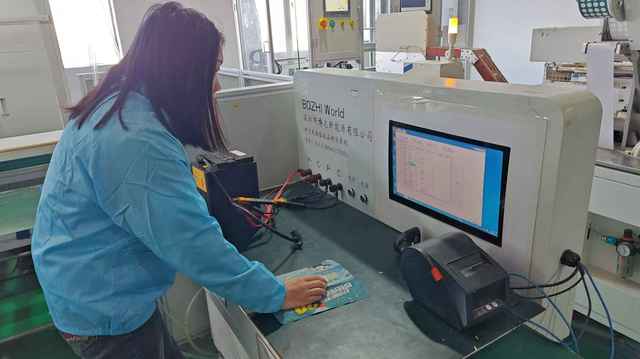
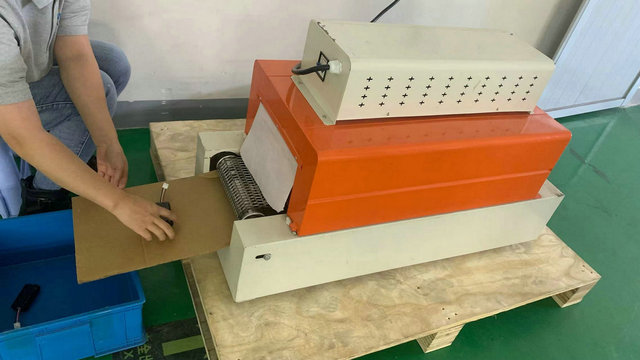
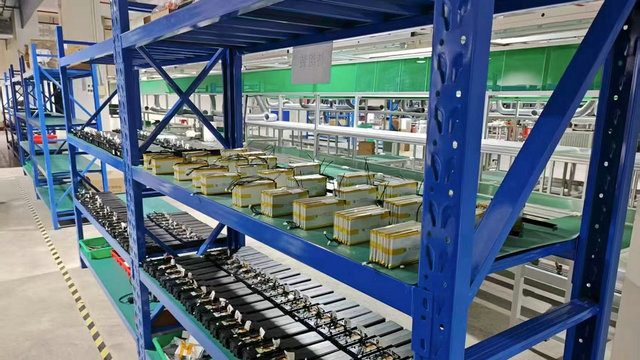
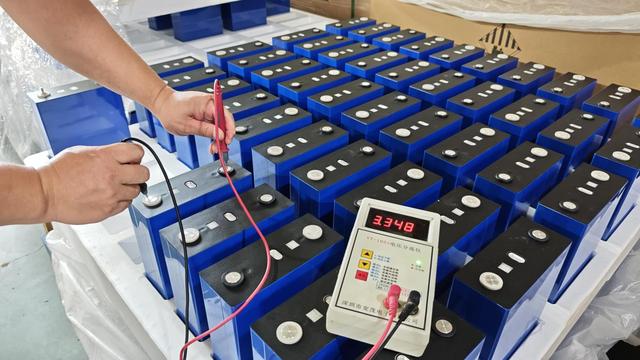
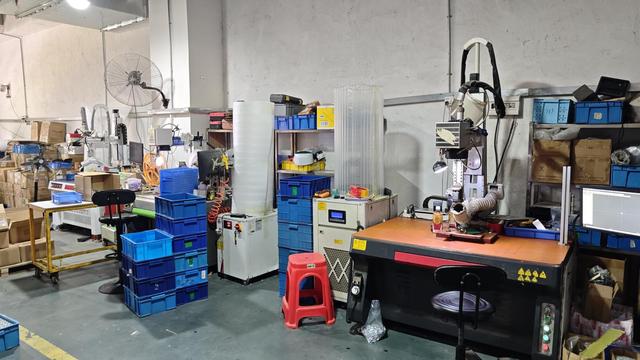
Shenzhen Ansar Energy Co., Ltd. exemplifies the modern "Factory 4.0" approach. With over 18,000 square meters of production space, the facility utilizes fully automated assembly lines that ensure every cell is matched for impedance and capacity. This precision is vital for the Kuala Lumpur market, where reliability is the primary driver of consumer trust.
The proximity of Shenzhen to the Port of Klang creates a logistical advantage for Malaysian exporters. By implementing a Just-In-Time (JIT) manufacturing model, Ansar Energy reduces lead times for bulk orders, allowing KL distributors to maintain lean inventories while meeting the surge in NEM 3.0 residential projects. Our OEM/ODM capabilities mean batteries can be customized with local branding and specific firmware optimized for the Malaysian grid frequency and voltage requirements.
For any procurement manager in Kuala Lumpur, certification is the ultimate trust signal. Our residential storage solutions are designed to meet IEC 62619 standards and are compatible with the majority of Tier-1 hybrid inverters used in Malaysia, such as Sungrow, Growatt, and Solis. We understand the stringent safety audits required by the Sustainable Energy Development Authority (SEDA).
Our commitment to the KL market includes:
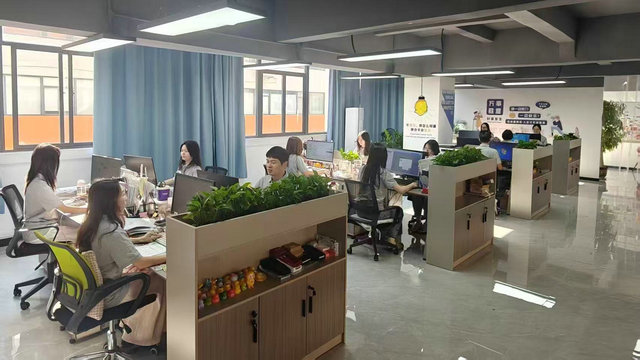
Shenzhen Ansar Energy Co., Ltd. is a professional manufacturer specializing in solar energy storage batteries and integrated renewable energy solutions for residential, commercial, and industrial applications. Established in 2015 and headquartered in Shenzhen, Guangdong Province, China, the company is committed to supporting the global transition toward sustainable energy through advanced battery storage technologies and intelligent power management systems.
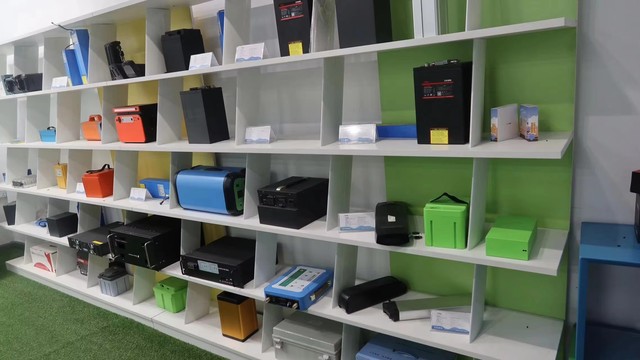
With a modern manufacturing facility covering more than 18,000 square meters and a workforce of over 250 employees, Ansar Energy serves customers across international renewable energy markets. The company's core product portfolio includes solar energy storage batteries, residential energy storage systems, commercial battery storage solutions, and smart battery management systems.
A: Yes. Our batteries are designed to support the "Self-Consumption" model promoted by NEM 3.0, allowing homeowners to store excess solar energy during the day and use it during the night, maximizing ROI.
A: We use IP65-rated enclosures and conformal coating on all internal PCBAs to prevent corrosion from moisture and ensure long-term stability in tropical climates.
A: Standard production takes 15-20 days, and sea freight from Shenzhen to Port Klang typically takes 7-10 days, making our supply chain highly efficient for KL exporters.
A: We partner with several key installers in the Klang Valley to provide on-ground technical support and facilitate warranty claims locally.
Partner with a Factory 4.0 leader to bring reliable, high-efficiency energy storage to your customers.
Send Inquiry Now Ansar Energy