As the world accelerates its transition toward decarbonization and renewable energy integration, the role of Energy Storage Systems (ESS) has shifted from simple backup power to the cornerstone of the "Smart Grid." In this complex ecosystem, China has emerged as the global powerhouse, hosting the most sophisticated manufacturing clusters for LiFePO4 and advanced battery technologies. Shenzhen Ansar Energy Co., Ltd. stands at the forefront of this evolution, bridging the gap between raw manufacturing excellence and intelligent energy management.
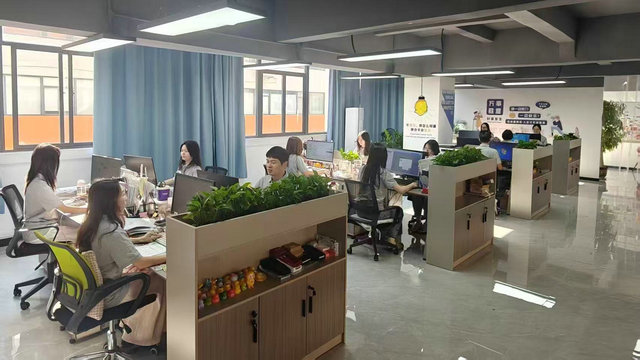
Established in 2015 and headquartered in the technological hub of Shenzhen, Ansar Energy operates an extensive 18,000 square meter modern facility. With a workforce of over 250 specialists, we don't just assemble batteries; we engineer comprehensive renewable energy solutions for residential, commercial, and industrial (C&I) sectors. Our commitment to E-E-A-T (Experience, Expertise, Authoritativeness, and Trustworthiness) is reflected in our rigorous testing protocols, UL/CE certifications, and our contribution to over 500+ microgrid projects worldwide.
China controls over 70% of the lithium-ion battery supply chain. This allows manufacturers like Ansar Energy to source Grade-A cells and high-precision BMS components at unmatched speed and cost-efficiency.
Unlike traditional suppliers, top-tier Chinese manufacturers integrate AI and IoT into their ESS. This provides users with predictive maintenance and real-time grid interaction capabilities.
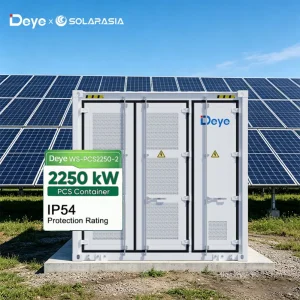
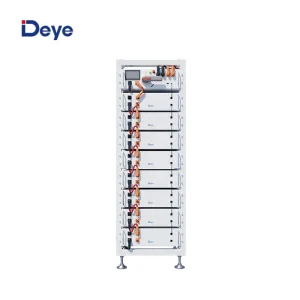
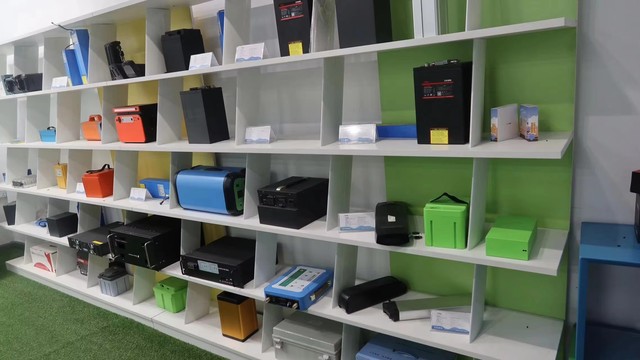
From 5kWh residential powerwalls to 2.25MW containerized utility systems, the flexibility to customize capacities and branding is a hallmark of the Shenzhen battery cluster.
The energy landscape is moving toward "Distributed Energy Resources" (DER). Our R&D team has identified four critical trends that define the next generation of smart grid energy storage:
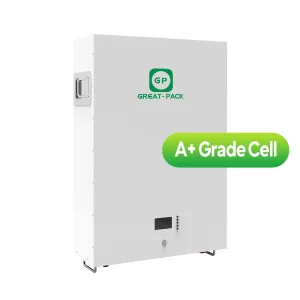
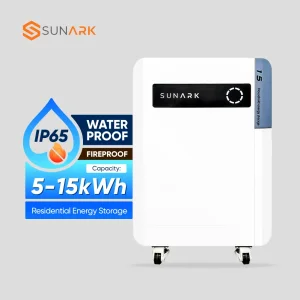
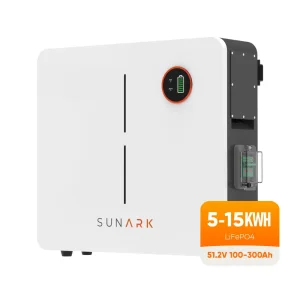
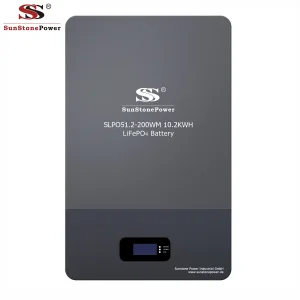
Modular Powerwall systems (5kWh - 30kWh) designed for villas and remote homes. Includes IP65 waterproofing for outdoor installation and seamless UPS switching within 10ms.
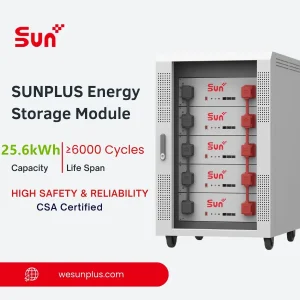
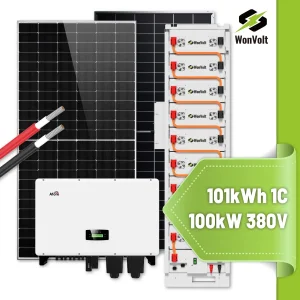
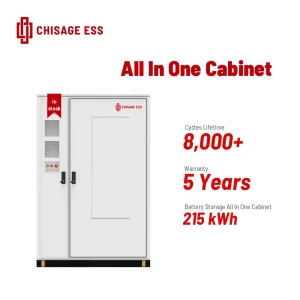
100kW/215kWh all-in-one cabinets for factories and data centers. Reduces electricity costs by discharging during "Peak" hours and charging during "Off-peak" periods.
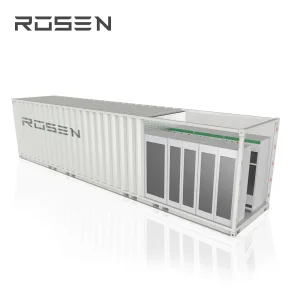
Containerized solutions up to 2.25MW. Ideal for remote islands, mining operations, and large-scale solar farms requiring grid-forming stability and frequency regulation.
Navigating the international procurement of large-scale battery systems requires a deep understanding of safety standards. Ansar Energy ensures all products meet the stringent requirements of global markets:
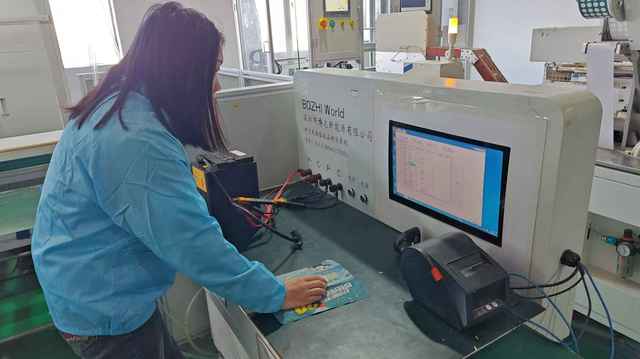
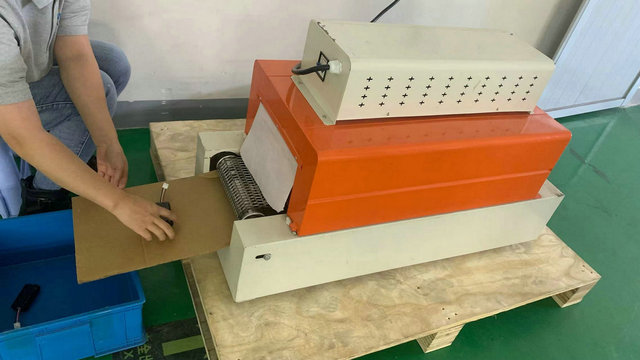
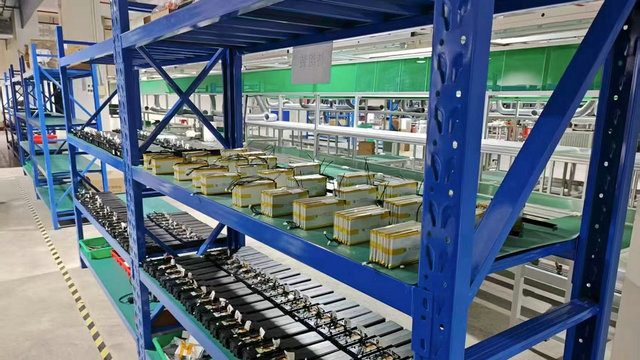
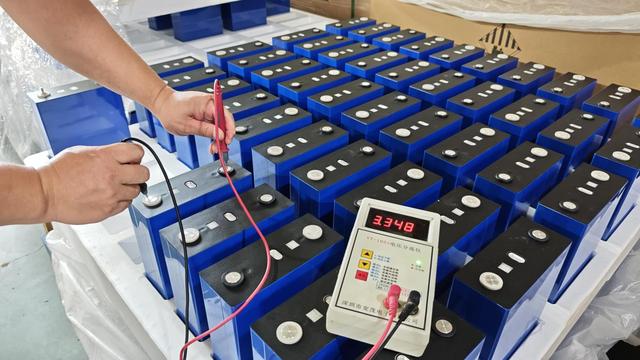
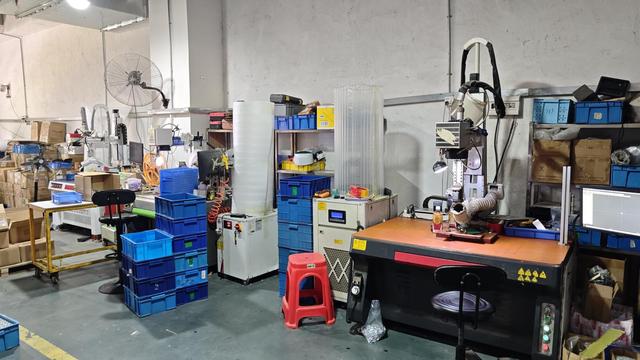
Our facility in Shenzhen is equipped with automated cell sorting machines, laser welding robots, and high-precision aging chambers. Every Smart Grid Energy Storage System undergoes a 48-hour continuous discharge-charge test to ensure no thermal variance or BMS failure occurs under load.
As a driven innovator in the sustainable energy sector, Shenzhen Ansar Energy Co., Ltd. continues to push the boundaries of what is possible in Lithium-ion energy storage. We welcome global solar installers, distributors, and energy developers to partner with us in building a more resilient and efficient smart grid for the future.
 Ansar Energy