In the era of global decarbonization, Zero-Emission Energy Storage Systems (BESS) have transitioned from a niche technology to the backbone of modern power grids. As the world shifts away from fossil fuels, the ability to store renewable energy from solar and wind sources is paramount. This white paper explores the leading manufacturers and the technological innovations driving this $400 billion industry.
Shenzhen Ansar Energy Co., Ltd., a vanguard in this sector, exemplifies the integration of advanced Lithium Iron Phosphate (LiFePO4) chemistry with intelligent Energy Management Systems (EMS). By focusing on "Information Gain" and technical transparency, we aim to provide procurement officers and energy developers with the data needed to make informed decisions.
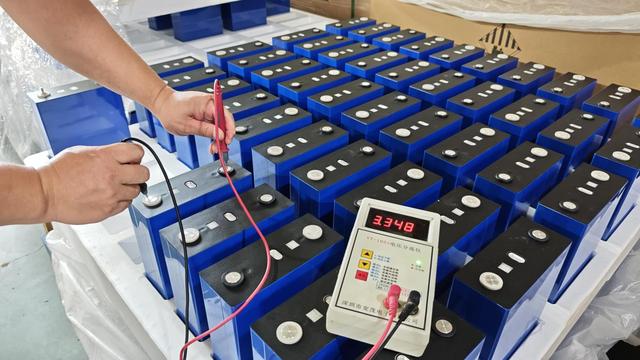
China accounts for over 70% of the world's lithium-ion battery production. Factories in Shenzhen and surrounding hubs benefit from an integrated ecosystem—from raw material processing to high-precision BMS (Battery Management System) design. This proximity reduces lead times and logistics costs significantly.
Leading manufacturers like Shenzhen Ansar Energy invest heavily in solid-state research and high-density LFP cells. The focus is on safety (thermal runaway prevention) and longevity, ensuring that zero-emission storage remains a viable long-term investment for infrastructure projects.
Mass production allows for the reduction of Levelized Cost of Storage (LCOS). Chinese exporters provide "Tier-1" quality at a price point that enables rapid ROI for residential and commercial users in Europe, North America, and Southeast Asia.
The industry is moving beyond 2-4 hour discharge cycles. New systems are being designed for 8-12 hour durations to support grid stability during extended periods of low renewable generation.
Modern BESS now features AI-driven predictive maintenance and "Virtual Power Plant" (VPP) capabilities. Systems can now predict peak loads and discharge electricity back to the grid when prices are highest, creating a new revenue stream for owners.
"Second-life" battery usage and 95% recyclable battery components are becoming standard requirements in EU and North American tenders (ESG Compliance).
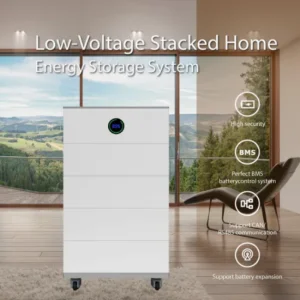
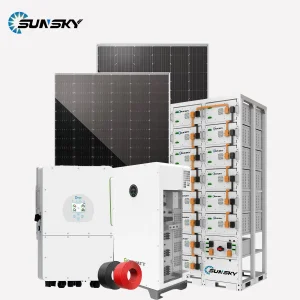
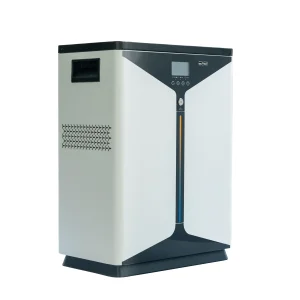
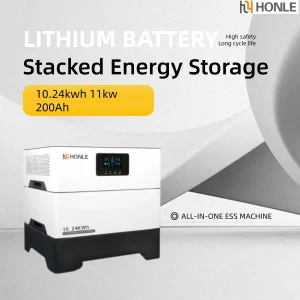
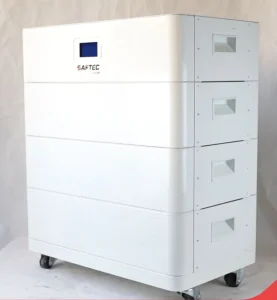
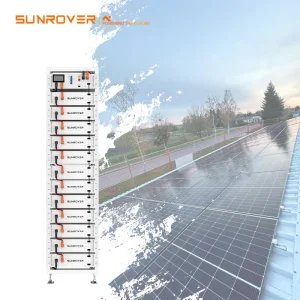
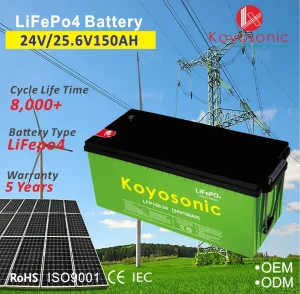
Homeowners are utilizing stacked 51.2V LiFePO4 systems to achieve up to 90% energy self-sufficiency, pairing them with rooftop PV to eliminate electricity bills and ensure power during outages.
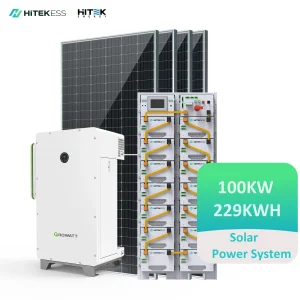
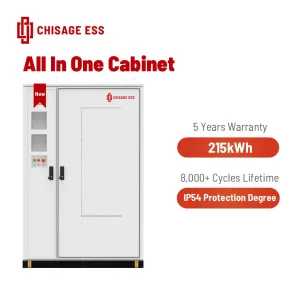
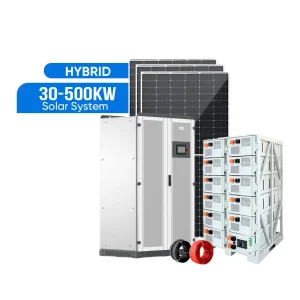
Factories and data centers use 100kW-500kW systems to reduce peak demand charges, which can account for up to 50% of a commercial electricity bill. The BESS discharges during peak hours and recharges during off-peak intervals.
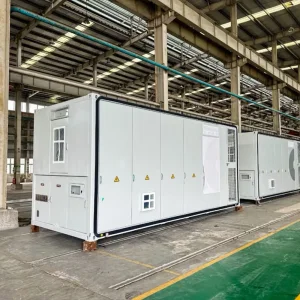
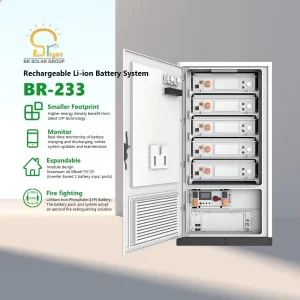
Remote mining sites and islands leverage containerized 1MWh+ solutions to replace diesel generators, drastically reducing carbon footprints and operational fuel costs.
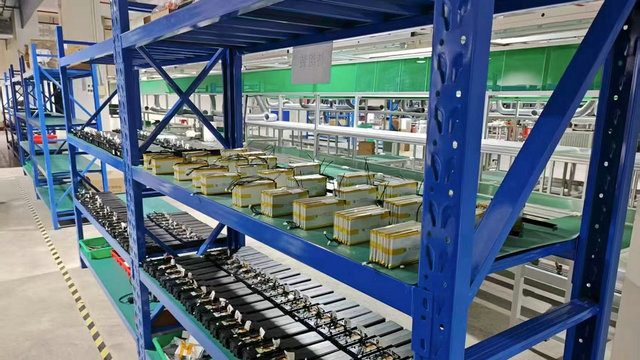
Shenzhen Ansar Energy Co., Ltd. is a professional manufacturer specializing in solar energy storage batteries and integrated renewable energy solutions for residential, commercial, and industrial applications. Established in 2015 and headquartered in Shenzhen, Guangdong Province, China, the company is committed to supporting the global transition toward sustainable energy through advanced battery storage technologies and intelligent power management systems.
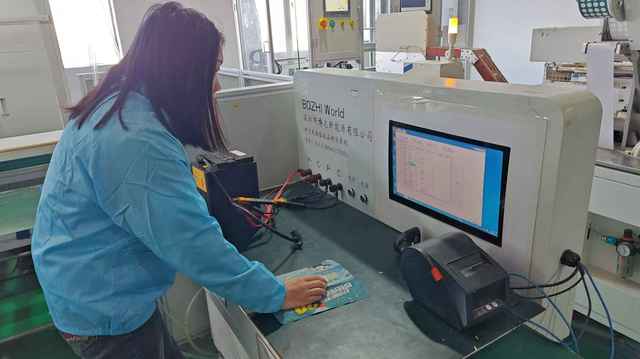
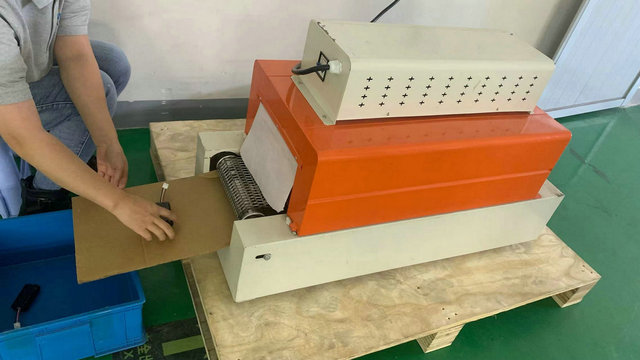
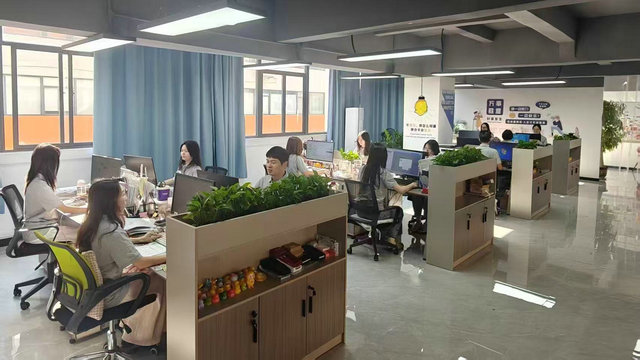
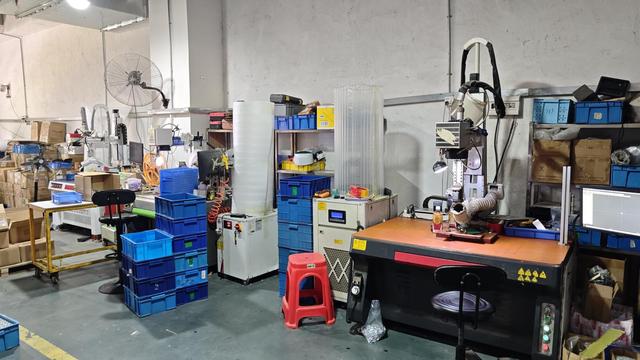
With a modern manufacturing facility covering more than 18,000 square meters and a workforce of over 250 employees, Ansar Energy serves customers across international renewable energy markets. Our core product portfolio includes solar energy storage batteries, residential energy storage systems, commercial battery storage solutions, industrial energy storage systems, and smart BMS.
For national grids and utility-scale developers, we offer turnkey solutions that include:
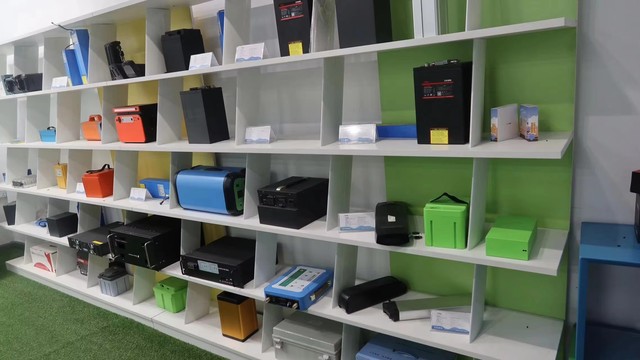
When selecting a manufacturer for zero-emission energy storage, global enterprises should prioritize the following criteria:
Q: Why choose LiFePO4 over Lead-Acid for solar storage?
A: LiFePO4 offers 10x the cycle life, higher energy density, and is maintenance-free. While the upfront cost is higher, the LCOS (Levelized Cost of Storage) over 10 years is significantly lower.
Q: Can your systems be scaled for future expansion?
A: Yes, most of our modular systems support parallel connection of up to 15 units, allowing users to increase capacity as their energy needs grow.
Q: What is the lead time for containerized industrial solutions?
A: For customized 1MWh containers, the standard production time is 6-8 weeks, following the design approval and component sourcing phase.
Q: Do you offer OEM/ODM services for distributors?
A: Shenzhen Ansar Energy provides full OEM/ODM support, including custom branding, specialized casing designs, and software integration for specific regional requirements.
 Ansar Energy