The global energy landscape is undergoing a structural paradigm shift. Escalating utility tariffs, grid instability, extreme weather events, and stringent carbon-neutrality mandates are accelerating the imperative for decentralized energy generation and storage. Off-grid solar power systems and utility-scale Battery Energy Storage Systems (BESS) are no longer secondary emergency options; they have become critical primary power infrastructure for commercial enterprises, industrial facilities, telecommunication networks, and remote communities worldwide.
In emerging markets across Africa, Southeast Asia, and Latin America, off-grid systems act as the primary engine for industrial development, enabling mining operations, agricultural processing, and microgrids to bypass non-existent or unreliable national grid grids. Conversely, in mature markets such as Europe, North America, and Australia, industrial facilities leverage high-capacity off-grid and hybrid ESS solutions for peak shaving, dynamic load shifting, and energy arbitrage (revenue stacking). By converting intermittent solar irradiation into stable, continuous electrical power, off-grid power systems yield a measurable decrease in Levelized Cost of Energy (LCOE) while drastically enhancing operational resilience.
Information Gain Insights: Modern off-grid systems require advanced grid-forming inverter technology capable of establishing voltage and frequency references independently, eliminating the reliance on external grid infrastructure or legacy diesel generator synchronization.
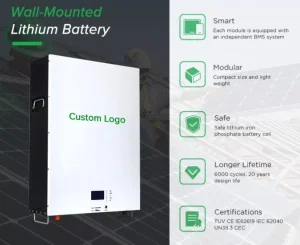
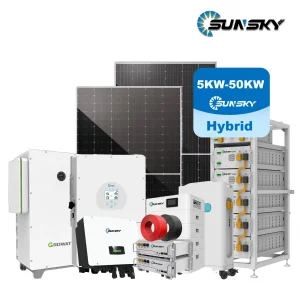
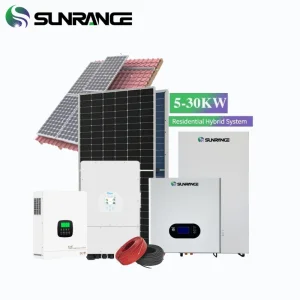
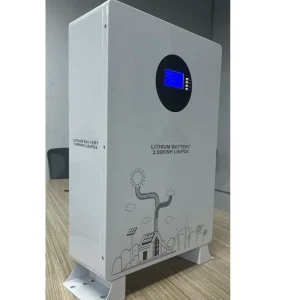
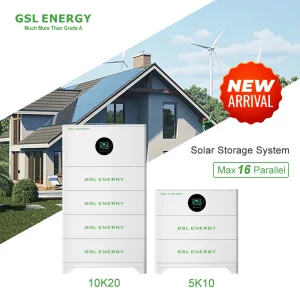
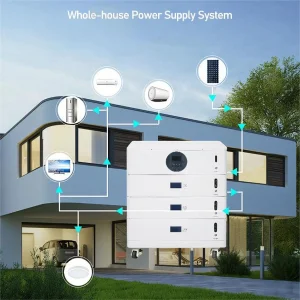
Complete self-consumption models integrating 51.2V LiFePO4 batteries with multi-brand hybrid inverters (Deye, Growatt, Goodwe, Sungrow) for uninterrupted home energy independence.
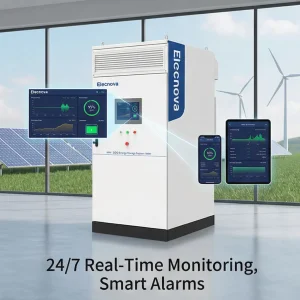
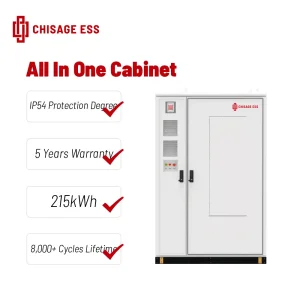
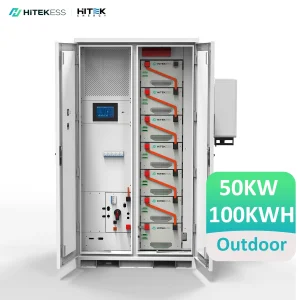
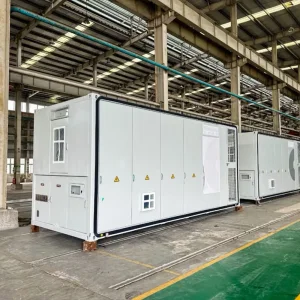
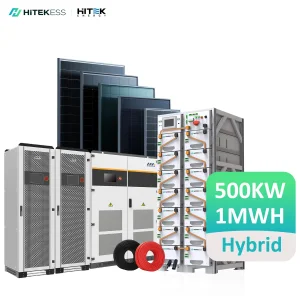
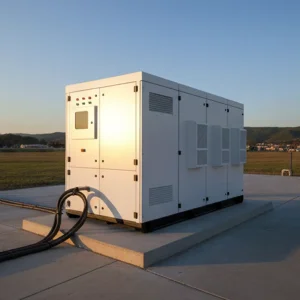
Scalable 50kW to 1MW+ containerized battery storage architectures paired with high-voltage hybrid inverters to sustain heavy industrial loads and microgrids without grid reliance.
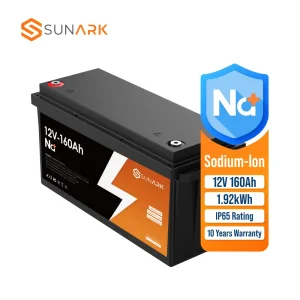
Pioneering the commercial deployment of Sodium-Ion (Na-Ion) batteries for low-temperature environments (-40°C to 60°C) where conventional lithium chemistries suffer degradation.
Shenzhen Ansar Energy Co., Ltd. stands as a premier manufacturer and global exporter specializing in solar energy storage batteries and fully integrated renewable energy solutions for residential, commercial, and industrial sectors. Founded in 2015 and headquartered in the high-tech industrial hub of Shenzhen, Guangdong Province, China, the company is committed to spearheading the global transition toward decarbonized, reliable, and intelligent power infrastructures.
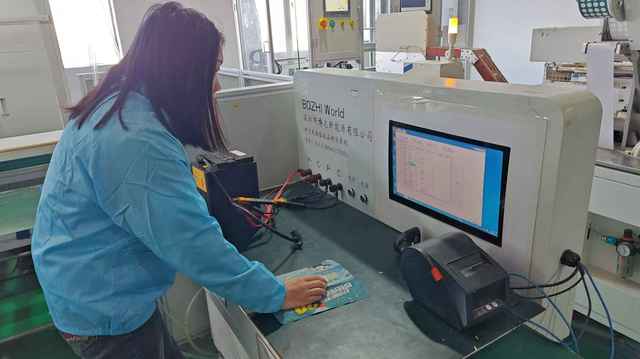
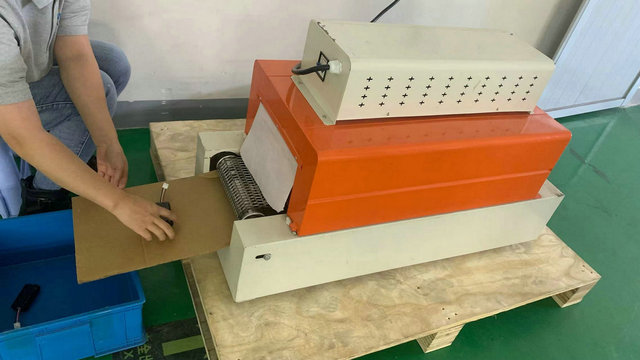
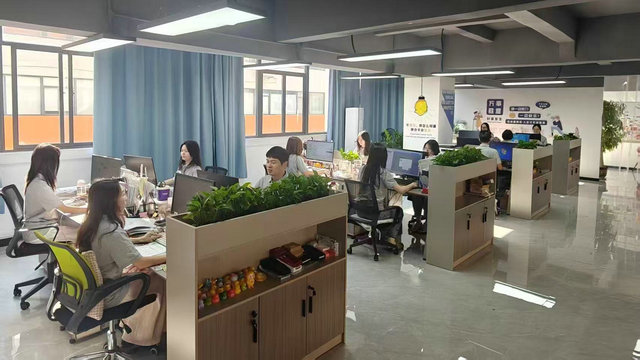
Spanning a modern, ISO9001/ISO14001/ISO45001-certified manufacturing facility of over 18,000 square meters, Ansar Energy operates fully automated surface-mount (SMT) lines, computerized cell sorting and matching equipment, laser welding cells, and automated battery module assembly arrays. Supported by a highly skilled workforce of over 250 employees—including an R&D team comprising more than 40 hardware, software, and electrochemical engineers—the company delivers world-class manufacturing precision and rigorous quality assurance.
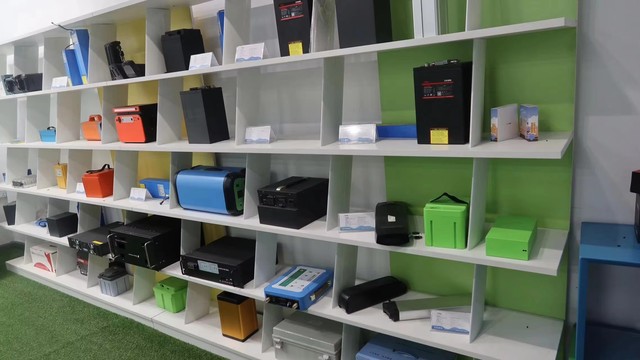
Complete Product Scope: Solar energy storage batteries, residential home storage systems, commercial & industrial (C&I) BESS, off-grid solar battery systems, hybrid energy storage solutions, back-up lithium power packs, sodium-ion batteries, and proprietary smart Battery Management Systems (BMS).
Every energy storage unit undergoes multi-stage quality gates, including raw cell internal resistance and capacity grading, automated busbar laser-welding inspection, high-voltage insulation breakdown tests, hardware-in-the-loop BMS safety verification, and full-cycle thermal burn-in aging under active electrical loads. This comprehensive manufacturing control guarantees long-term durability, functional safety, and minimal failure rates across demanding operating environments.
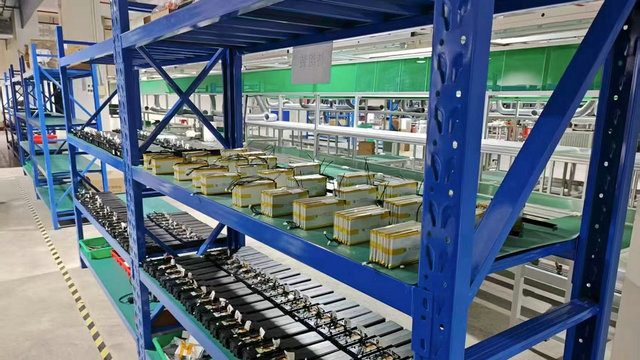
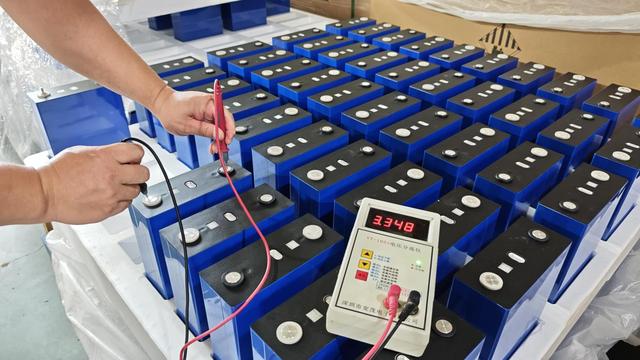
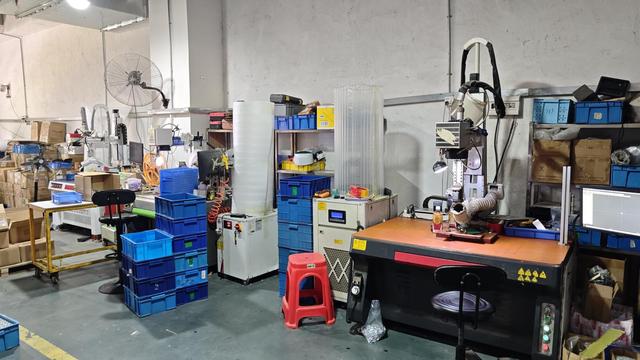
An enterprise off-grid power architecture comprises three essential operational layers: primary renewable generation (PV arrays), electrochemical storage reserves (LiFePO4 or Na-Ion battery banks), and power conversion/energy management systems (Hybrid Inverters & EMS). Engineering a zero-failure off-grid system mandates precise system topology design, optimal C-rate thermal control, and seamless communication protocols.
Ansar Energy utilizes Grade-A Lithium Iron Phosphate (LiFePO4) prismatic cells known for exceptional intrinsic safety, thermal stability, and extended service lifetime exceeding 6,000 deep charge-discharge cycles at 80% Depth of Discharge (DoD). Furthermore, to address severe cold-climate applications, our engineering team has integrated Sodium-Ion (Na-Ion) cell technologies, offering robust performance in low-temperature environments down to -40°C without requiring auxiliary heating blankets.
| Performance Parameter | Prismatic LiFePO4 Systems | Sodium-Ion (Na-Ion) Systems | Legacy Lead-Acid (AGM/GEL) |
|---|---|---|---|
| Cycle Life (80% DOD) | 6,000 - 8,000 Cycles | 4,000 - 5,000 Cycles | 500 - 1,200 Cycles |
| Operating Temp Range | -20°C to 55°C | -40°C to 60°C | -10°C to 40°C |
| Volumetric Energy Density | High (up to 170 Wh/kg) | Moderate (up to 130 Wh/kg) | Low (30 - 45 Wh/kg) |
| Thermal Runaway Temp | > 270°C (Extremely Safe) | > 300°C (Highest Thermal Safety) | Risk of Thermal Escape/Gassing |
| BMS Protocol Compatibility | CANbus, RS485, Modbus RTU | CANbus, RS485, Modbus RTU | Unmonitored / Basic Voltage |
The core of Ansar Energy's battery engineering is our proprietary multi-tier Battery Management System (BMS). Featuring active cell-balancing topology, our BMS prevents individual cell overcharging or under-voltage drift, extending total battery pack lifespan by up to 25%.
Our smart BMS comes pre-flashed with universal firmware supporting native RS485, CANbus, and Modbus RTU communication protocols, establishing instant plug-and-play synchronization with leading global hybrid inverter brands, including Deye, Growatt, Goodwe, Sungrow, Victron Energy, Solis, Megarevo, and Luxpower. This seamless interoperability enables real-time reporting of State of Charge (SOC), State of Health (SOH), temperature alerts, and dynamic current limiting.
Ansar Energy’s off-grid power systems are engineered to perform reliably across diverse operational environments and geographic conditions worldwide. Below are key field implementations where our systems deliver vital energy infrastructure:
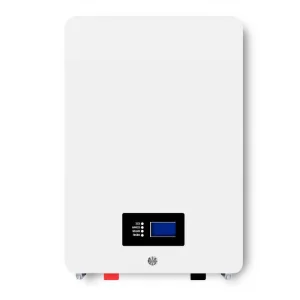
48V/51.2V rack-mounted LiFePO4 battery modules (5kWh to 20kWh) deployed across remote cellular base transceiver stations (BTS), ensuring continuous uptime for global telecom operators while eliminating diesel generator fuel overheads.
Containerized 500kW/1MWh hybrid ESS units supplying stable three-phase grid-forming power for heavy machinery, crushing plants, and worker quarters in off-grid mining sites across Australia, South America, and Central Africa.
High-voltage battery cabinets deployed in commercial centers to allow revenue stacking, peak demand shaving, and dynamic spot-market energy trading in grid-tied or semi-off-grid configurations.
As a direct factory manufacturer, Shenzhen Ansar Energy Co., Ltd. provides end-to-end OEM and ODM manufacturing services tailored to the specific operational, environmental, and regulatory requirements of EPC contractors, solar distributors, and system integrators worldwide.
To streamline smooth customs clearance and regulatory compliance across international markets, Ansar Energy's product lines hold comprehensive global certifications:
Tested and certified to IEC 62619, IEC 62040, UL 1973, UL 9540A, and CE-LVD, guaranteeing total fire and hardware safety compliance.
Fully compliant with UN38.3 transport safety standards and MSDS certification for safe ocean, air, and overland logistics transport.
Direct supply options through our established European Union Warehouses (EU Warehouse stock), enabling fast dispatch, low shipping costs, and zero-tariff hassle for European clients.
Ansar Energy remains dedicated to pushing the boundaries of renewable storage engineering. Our R&D technical roadmap focuses on four key disruptive innovations:
Integrating cloud-based Machine Learning models into our Energy Management Systems (EMS) to analyze historical weather forecasts, local tariff structures, and usage habits, automatically optimizing charge/discharge cycles for maximum ROI.
Expanding the production of high-density Sodium-Ion batteries to deliver a cost-effective, cobalt-free, and lithium-free storage solution resilient to extreme ambient sub-zero temperatures.
Collaborating with leading electrochemical research institutes to transition our premium residential and industrial energy storage packs toward semi-solid-state and solid-state battery cells for unprecedented energy density and safety.
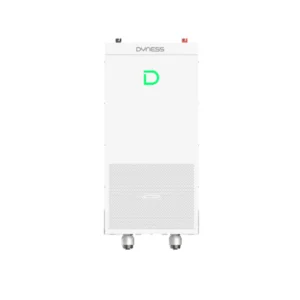
 Ansar Energy