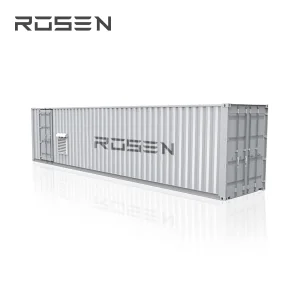
Utility Scale Solar Energy Storage Battery Manufacturer & Factory in Equatorial Guinea

Pioneering Tier-1 LiFePO4 Energy Storage Technology & Microgrid Solutions to Drive Central Africa's Industrial and Commercial Energy Transition

Send Inquiry Now

Commercial & Industrial Energy Landscape in Equatorial Guinea

Decarbonization, grid resilience, and localized microgrid opportunities under Central African climate requirements.

Equatorial Guinea is entering a decisive phase of economic diversification and infrastructure modernization. Historically reliant on oil and gas production, particularly on Bioko Island and the mainland region of Río Muni, the country is actively looking toward renewable energy technologies to guarantee power security for its population and its growing industrial sectors. The national electrification plan outlines a clear roadmap to reduce reliance on thermal generation, leveraging Equatorial Guinea’s abundant year-round solar irradiation.
However, the integration of utility-scale solar PV into the national grid managed by SEGESA (Sociedad de Electricidad de Guinea Ecuatorial) presents significant engineering challenges. Solar power is inherently intermittent. Without robust energy storage capacity, high solar penetration can destabilize regional grids, leading to voltage fluctuations, frequency variations, and localized blackouts. Additionally, the unique tropical environment of the region—characterized by high humidity, elevated ambient temperatures, and maritime atmosphere—demands energy storage solutions that are ruggedized and thermally optimized.
6,000+
Lifecycles at 80% DOD
1500V
High Voltage System Efficiency
IP55 / IP65
Tropical Environmental Enclosure
0.5C / 1C
High Charge & Discharge Rate
By partnering with a premier manufacturer of utility-scale energy storage batteries, engineering, procurement, and construction (EPC) contractors and state entities in Equatorial Guinea can achieve grid balancing, manage peak shaving demands in Malabo and Bata, and bring continuous 24/7 clean power to isolated locations such as Annobón Island and Corisco.

Localized Applications of Battery Energy Storage (BESS)

Solving specific energy distribution challenges across Bioko Island and the mainland regions.

Microgrids & Island Electrification

Deploying self-sustaining lithium battery container systems to isolated fishing, agricultural, and administrative communities on Annobón and Corisco islands, displacing expensive diesel logistics.

C&I Peak Shaving in Bata & Malabo

Enabling heavy manufacturing, cold-chain food storage facilities, and port operations in Bata to lower electricity expenditure by storing off-peak energy and discharging during high-tariff periods.

Telecom & Remote Base Stations

Securing remote telecommunication towers across the dense tropical rainforest of Río Muni, replacing high-maintenance generator installations with hybrid solar-plus-storage platforms.

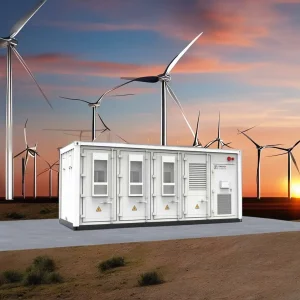
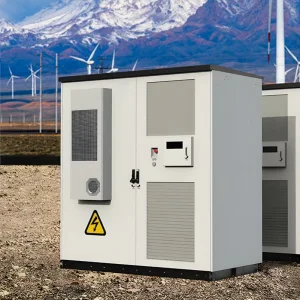
In equatorial regions, utility solar designs are subject to extreme solar angles and sudden cloud cover, resulting in drastic generation drops. A utility-scale BESS acts as a massive physical buffer. Fast-acting frequency containment reserve (FCR) battery storage stabilizes regional sub-stations within milliseconds. By storing solar energy during maximum irradiance periods (11 AM to 2 PM) and releasing it during evening peaks (6 PM to 10 PM), these systems ensure consistent energy flow to local factories, public buildings, and residential districts.

Shenzhen Ansar Energy Co., Ltd.

Your Trusted Partner in Advanced Utility-Scale Energy Storage Manufacturing

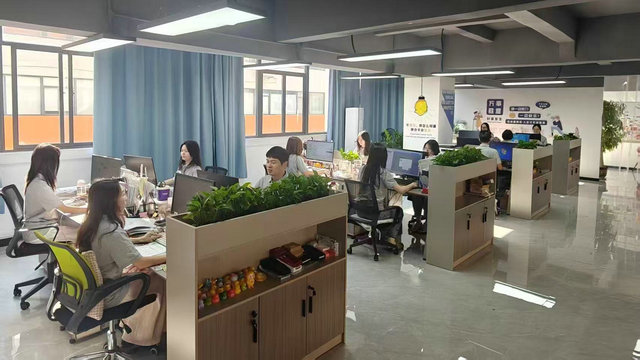
Shenzhen Ansar Energy Co., Ltd. is a professional manufacturer specializing in solar energy storage batteries and integrated renewable energy solutions for residential, commercial, and industrial applications. Established in 2015 and headquartered in Shenzhen, Guangdong Province, China, the company is committed to supporting the global transition toward sustainable energy through advanced battery storage technologies and intelligent power management systems. With a modern manufacturing facility covering more than 18,000 square meters and a workforce of over 250 employees, Ansar Energy serves customers across international renewable energy markets.
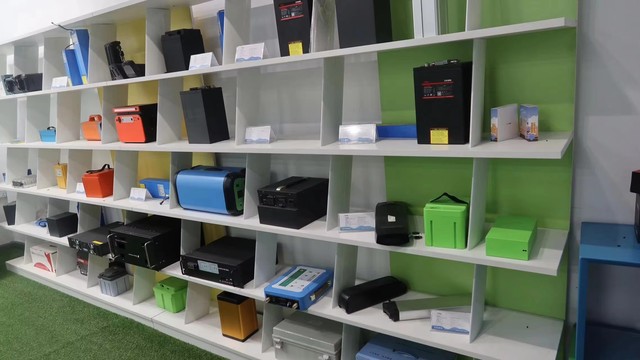
The company's core product portfolio includes solar energy storage batteries, residential energy storage systems, commercial battery storage solutions, industrial energy storage systems, off-grid solar battery systems, hybrid energy storage solutions, backup power batteries, lithium battery packs, and smart battery management systems. These products are widely used in residential solar installations, commercial buildings, industrial facilities, microgrid projects, telecommunications infrastructure, emergency backup power applications, and renewable energy integration projects.
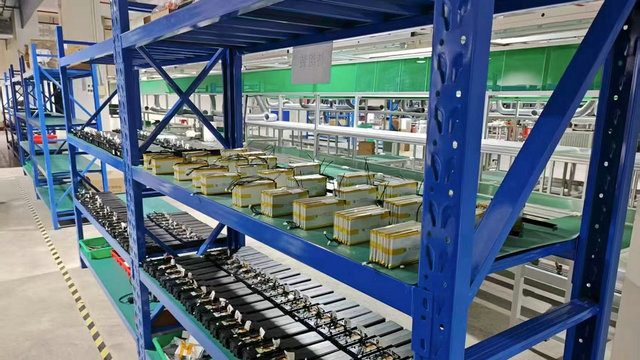
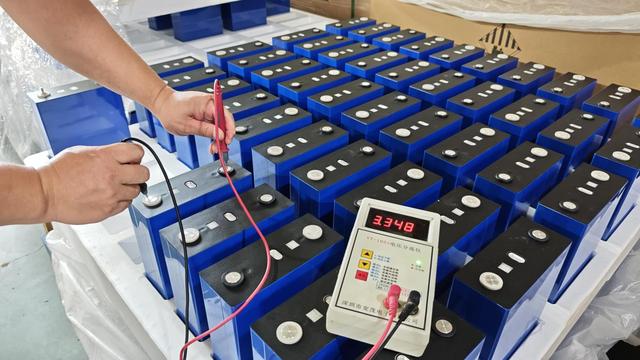
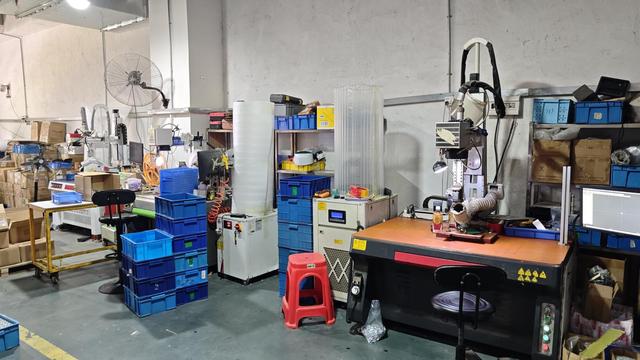
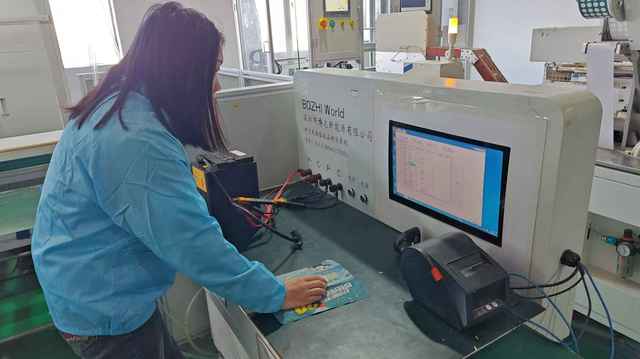
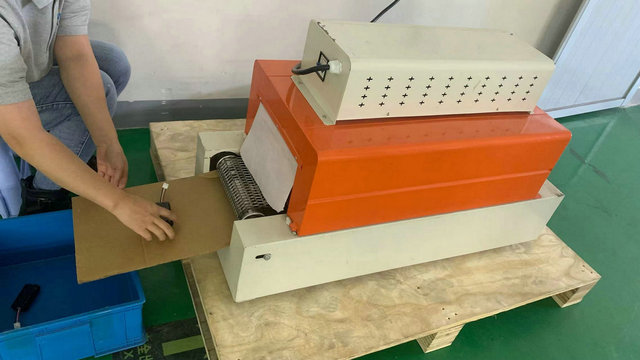
Ansar Energy operates advanced battery assembly lines, testing laboratories, and quality control facilities equipped with modern manufacturing technologies. The company follows strict quality management procedures throughout product design, cell integration, system assembly, testing, and final inspection to ensure dependable performance, safety, and long-term reliability. Continuous investment in research and development enables the company to improve energy efficiency, battery lifespan, and system intelligence.
In addition to standard products, Ansar Energy provides OEM and ODM manufacturing services, offering customized battery capacities, system configurations, branding solutions, and project-specific energy storage designs. The company collaborates closely with solar installers, energy developers, distributors, and system integrators worldwide.
Driven by innovation, sustainability, and customer-focused engineering, Shenzhen Ansar Energy Co., Ltd. is dedicated to delivering reliable solar energy storage solutions that help customers achieve greater energy independence, operational efficiency, and long-term renewable energy value.

Supply Chain Strength & Custom OEM/ODM Capabilities

Leveraging Shenzhen’s manufacturing ecosystem to deliver tailored projects across West and Central Africa.

Procuring energy storage equipment for heavy infrastructure projects in Equatorial Guinea requires a deep understanding of logistics, cell manufacturing dynamics, and integration technology. Operating out of our advanced Shenzhen factory, Ansar Energy leverages the world's most concentrated lithium battery supply chain. This geographic advantage enables us to source premium materials and electronic subsystems—such as smart Battery Management Systems (BMS) and high-efficiency Power Conversion Systems (PCS)—at optimized costs, directly benefiting utility developers.
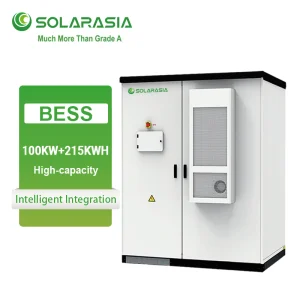
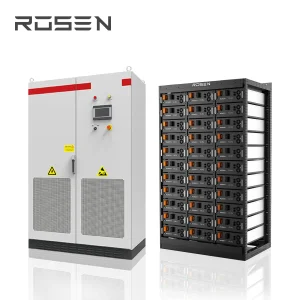
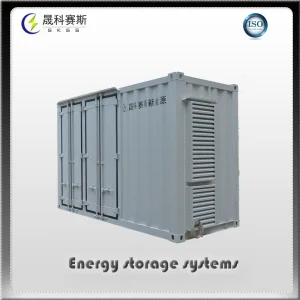
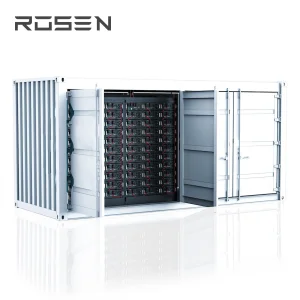
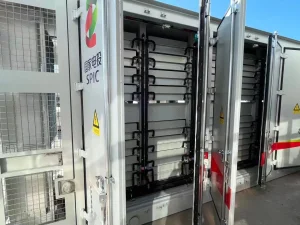
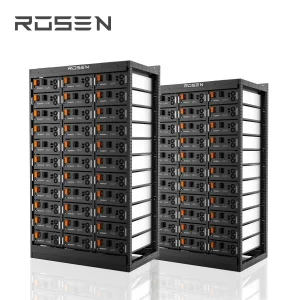
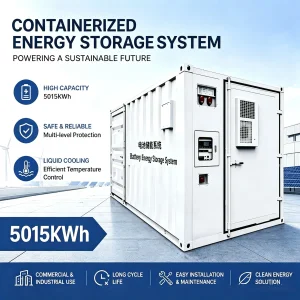
For projects in Malabo, Bata, or regional areas, we offer comprehensive OEM and ODM options. The integration of containerized systems (ranging from 100kW/215kWh all-in-one structures up to multi-megawatt configurations) requires specific design adjustments for remote deployment. This includes custom dual-redundant liquid cooling systems to combat high ambient temperatures, and marine-grade corrosion-resistant enclosures (C5-M standard coatings) suitable for coastal installations in Bioko Island.
  • Premium Cell Sourcing: Utilization of Tier-1 A-Grade LiFePO4 cells to ensure maximum electrochemical stability and minimize degradation.
  • Strict Thermal Control Design: Integration of advanced air-cooling or liquid-cooling thermal management systems to handle Equatorial Guinea's demanding climate.
  • End-to-End Logistical Execution: Managing all maritime shipping challenges, safe lithium battery transport certification (UN38.3), and customs compliance under regional frameworks.
  • Active Remote Support: Comprehensive remote diagnostics, smart cloud-based SCADA integration, and local engineering team onboarding for system operations.

Strategic Procurement Guide: Optimizing Levelized Cost of Storage (LCOS)

How utility developers can maximize financial returns while ensuring system reliability.

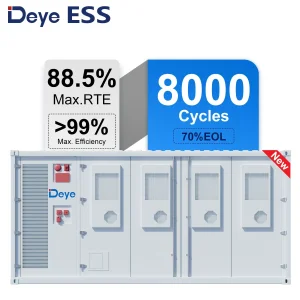
When evaluating manufacturers for utility-scale energy storage projects in Equatorial Guinea, global procurement departments must focus not only on the initial Capital Expenditure (CAPEX) but also on the long-term Operational Expenditure (OPEX). The core metric of financial viability for utility-scale BESS is the Levelized Cost of Storage (LCOS), which accounts for degradation rates, auxiliary power consumption (for HVAC systems), and system round-trip efficiency (RTE).
Our manufacturing facility prioritizes high-voltage (1000V/1500V) systems. Elevating system voltage reduces current, lowering electrical losses, minimizing cable costs, and improving the overall efficiency of power transmission. Furthermore, implementing intelligent cell-level monitoring prevents single-cell anomalies from degrading the entire rack. This granular approach, supported by our advanced active-balancing BMS, ensures that projects in Equatorial Guinea run continuously with minimal local physical intervention.

Advanced Manufacturing & QA Facilities

Over 18,000 square meters of high-tech production space conforming to ISO 9001 and international safety standards.
Regulatory Compliance & Localization Support in Central Africa

Navigating import standards, grid certification codes, and tropical operations.

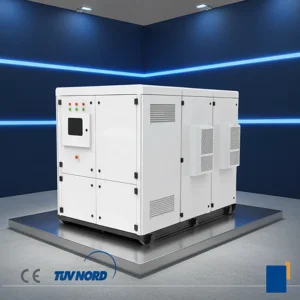
Installing utility-scale energy storage in Equatorial Guinea mandates strict adherence to local administrative and international electrical criteria. Our solutions comply fully with the standards set out by the CEMAC (Central African Economic and Monetary Community). Furthermore, our complete container systems are certified under IEC 62619 (safety for industrial lithium batteries), IEC 63056 (safety requirements for energy storage systems), and UN 38.3 (standard for transport safety).
To streamline commissioning, Ansar Energy provides expert local support. We collaborate with domestic engineering firms and regional mechanical specialists in Malabo and Bata. This hybrid engineering approach ensures fast deployment of container foundations, precise HVAC configurations matching local humidity coefficients, and seamless integration with the local grid. Our service contracts include remote SCADA access, enabling real-time engineering monitoring directly from our R&D center in Shenzhen, ensuring your project operates continuously without unexpected downtime.

Frequently Asked Questions

Key technical answers to common queries regarding utility-scale energy storage systems in tropical regions.

Why is LiFePO4 (LFP) preferred over NMC for solar storage in Equatorial Guinea?
LiFePO4 (Lithium Iron Phosphate) exhibits superior thermal stability and a higher run-away threshold compared to NMC chemistry. This makes it safer and more durable in tropical climates with high average ambient temperatures. Furthermore, LFP offers a long cycle life (typically 6,000+ deep charge/discharge cycles at 80% Depth of Discharge), resulting in a much lower LCOS over a 10-15 year project lifespan.
How do you protect containerized systems against coastal corrosion in Malabo?
Our containerized systems feature specialized C5-M high-durability anticorrosive coatings, specifically designed for marine atmospheres. Every air inlet and exhaust fan is fitted with high-efficiency moisture-barrier filters to prevent humid, salt-laden air from penetrating the internal electronics and battery racks.
What configuration options are available for industrial off-grid projects?
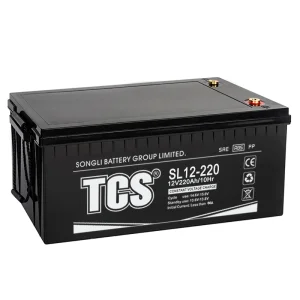
We provide full system engineering, including custom combinations of high-voltage lithium battery banks, robust smart BMS, integrated Power Conversion Systems (PCS), and dedicated diesel generator synchronization software. Systems can be configured in a modular fashion, allowing for easy expansion as commercial or industrial demand grows.
What is the typical shipping lead time from Shenzhen to Equatorial Guinea?
Due to the classification of high-capacity lithium batteries as Class 9 Dangerous Goods, sea freight requires specialized carriers. Typical manufacturing time at our Shenzhen facility ranges from 30 to 45 days. Ocean shipping to Malabo Port or Bata Port typically takes 40 to 50 days, including transit and port handling clearance.
Are OEM and ODM services supported for African utility operators?
Yes. As a manufacturing specialist, Ansar Energy offers complete OEM/ODM options. We can customize enclosure footprints, voltage and current specifications, localized labeling, integrated software platforms, and specific auxiliary parts to ensure alignment with existing power infrastructure.

Ready to Engineer Your Energy Independence?

Contact the energy engineering team at Ansar Energy to design a high-efficiency utility-scale solar battery solution customized for your project site parameters.

Send Inquiry Now
Inquire Now