Deploy high-efficiency, fully certified LiFePO4 battery storage, containerized megawatt systems, and smart power electronics directly from our Shenzhen manufacturing plant.
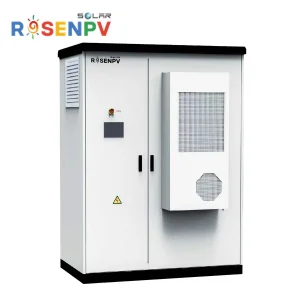
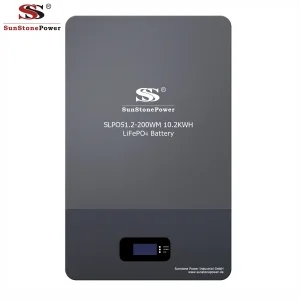

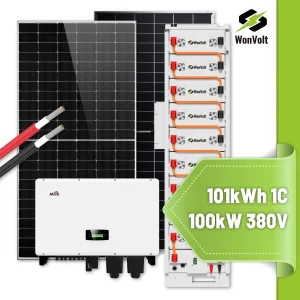
Premier Manufacturer of Advanced Battery Storage Systems and Renewable Energy Infrastructure
Shenzhen Ansar Energy Co., Ltd. is a leading high-tech enterprise specializing in the R&D, manufacturing, and global distribution of advanced solar energy storage batteries and integrated renewable energy solutions for residential, commercial, and industrial applications. Established in 2015 and headquartered in Shenzhen—China’s global center of hardware and electronics innovation—the company is committed to accelerating the worldwide clean energy transition.
Spanning a state-of-the-art manufacturing facility of over 18,000 square meters and supported by a highly specialized workforce of more than 250 employees, Ansar Energy delivers bankable, ultra-reliable energy storage systems (BESS) designed for harsh ambient environments, utility grid balancing, and critical power resilience.
Decoupling energy costs requires high-volume manufacturing, advanced chemical supply integration, and unmatched engineering agility.
China controls over 80% of the world's lithium iron phosphate (LFP) refining, cathode synthesis, and cell manufacturing capacity. Sourcing directly from Shenzhen allows EPCs and distributors to leverage unmatched cost efficiencies, raw material stability, and rapid turnaround times.
Chinese battery gigafactories lead global innovation in ultra-large prismatic cells (280Ah, 314Ah, and 340Ah formats). By incorporating high-density LFP chemistry with 6,000–10,000 deep charge cycles, our energy solutions drastically lower the Levelized Cost of Storage (LCOS).
Safety is non-negotiable. Modern Chinese manufacturing integrates multi-stage thermal safety protocols, including cell-level aerosol fire protection, localized liquid-cooling channels, and multi-tier BMS boards with real-time insulation testing.
Understanding the technological shifts re-shaping utility scale energy storage, distributed generation, and commercial energy management.
| Technology Vector | Legacy Technology (Prior Generation) | Next-Gen Standard (Ansar Energy Portfolio) | Strategic Impact on Operational ROI |
|---|---|---|---|
| Cell Format & Density | 100Ah – 150Ah Small Prismatic / NCM | 314Ah High-Density LFP Prismatic Cells | +40% Energy density per footprint, 15-year thermal stability. |
| System Thermal Management | Forced Air Cooling Cabinets | Smart Liquid Cooling (Delta T < 3°C) | Reduces auxiliary power consumption by 30%, doubles battery lifecycle. |
| BMS Architecture | Passive Balancing, Single Control | Active Cloud BMS with AI Predictive Maintenance | Prevents cell imbalance, predicts thermal runaway hours in advance. |
| Grid Connection | Standard Grid-Following Inverters | Grid-Forming Inverters with Inertia Support | Stabilizes weak grids, enables seamless black-start recovery. |
| Containerized Scale | Standard 20ft Containers (1.5MWh) | High-Cube 20ft Containers (up to 5MWh BESS) | Halves balance of plant (BOP) installation and civil works expenses. |
From remote telecommunications towers to utility peak shaving, custom energy storage architectures solve complex regional grid challenges.
High utility demand charges severely impact manufacturing facilities and logistics hubs. By installing a 100kW/215kWh or 1MW/2MWh BESS, facilities charge batteries during off-peak low-tariff hours and discharge during peak demand windows, significantly slashing monthly electricity overheads.
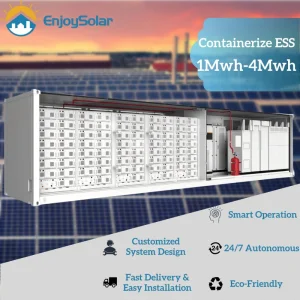
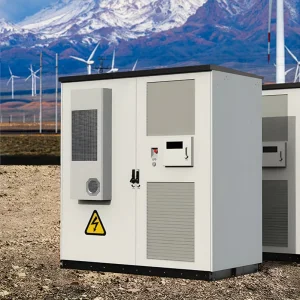
Intermittent solar power generation causes grid frequency fluctuations. Containerized BESS solutions (1MWh to 4MWh modules) act as massive energy buffers, absorbing excess solar production and injecting real-time dynamic VAR response to maintain grid stability (50Hz/60Hz).
Mining operations, agricultural processing plants, and island resorts often rely on expensive diesel generators. Hybrid solar-plus-storage microgrids pair high-capacity LiFePO4 batteries with solar arrays and backup diesel generators to establish 24/7 reliable power with up to 80% fuel reduction.
5G base stations and data centers require uninterrupted power. Rack-mounted 48V/51.2V LiFePO4 modules with integrated remote telemetry allow network operators to monitor voltage, SOC, and ambient temperature across thousands of remote sites via a centralized dashboard.
Successful renewable energy deployment requires seamless integration between photovoltaic generation, energy storage chemistry, power conversion systems (PCS), and grid-tie infrastructure. Shenzhen Ansar Energy Co., Ltd. supplies holistic energy architectures tailored to complex site conditions.
Our proprietary EMS software platform optimizes energy routing in real-time. By leveraging local weather forecasts, historic consumption curves, and dynamic electricity pricing algorithms, the system automatically shifts modes between self-consumption, grid feed-in, and reserve power protection.
Safety is integrated at the atomic level. Our battery modules incorporate physical cell barriers, localized aerosol fire extinguishing systems, cabinet-level gas detection sensors (CO and H2), and automatic emergency disconnect relays that isolate faults within milliseconds.
We empower international distributors, energy engineering firms, and original equipment manufacturers to bring custom-branded solar solutions to market quickly.
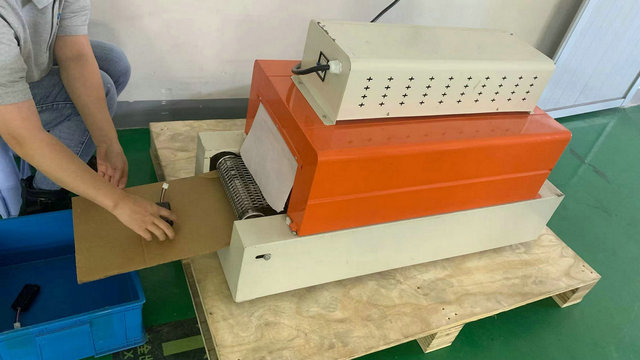
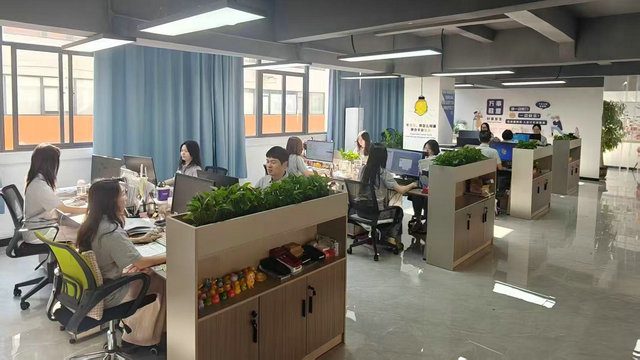
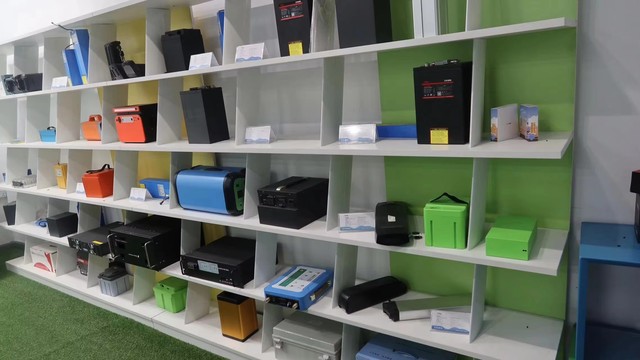
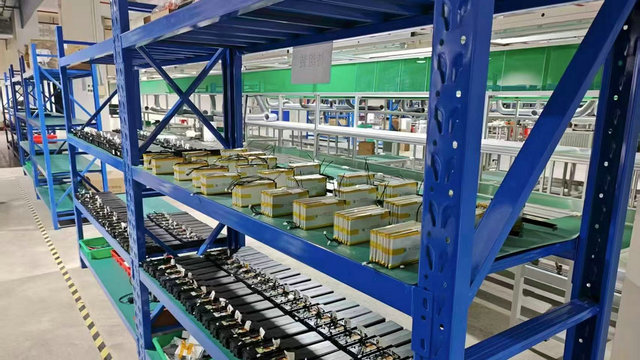
Inside Shenzhen Ansar Energy's 18,000m² manufacturing complex: Precision battery assembly, high-voltage aging rigs, and rigorous QA inspection stages.
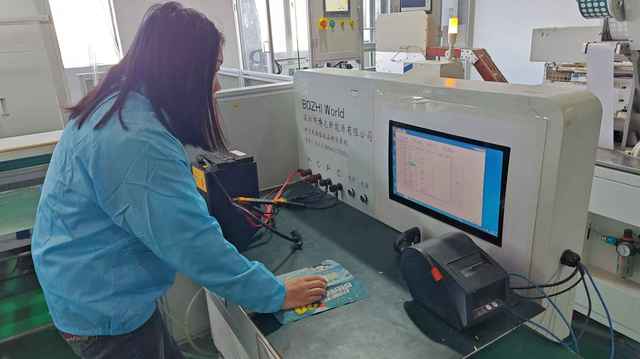
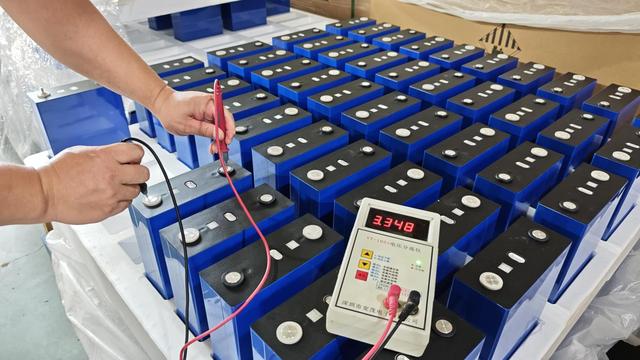
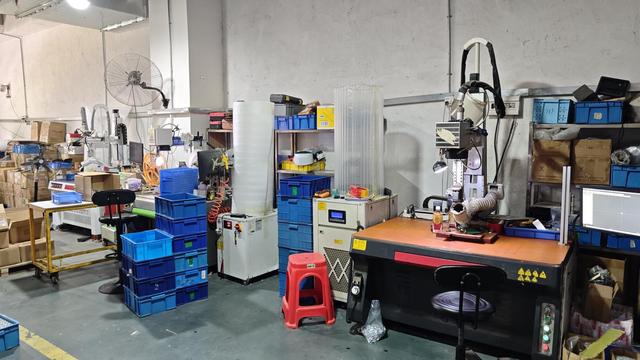
Essential engineering audit criteria and verification steps when selecting a solar energy supplier from China.
Ensure your supplier utilizes genuine Grade-A prismatic cells (such as CATL, EVE, Hithium) with factory QR codes intact. Avoid vendors using re-graded or recycled cells that drastically reduce lifecycle stability.
Verify that the system meets UL 9540A thermal runaway explosion propagation prevention test requirements. Demand multi-level thermal barriers and active gas extraction designs in commercial battery cabinets.
Confirm pre-loaded CAN/RS485 protocol libraries. A top-tier manufacturer will provide plug-and-play compatibility with major inverter brands without requiring third-party protocol converters.
Require full load burn-in testing, high-voltage dielectric insulation checks, and thermal imaging reports prior to shipment. Ansar Energy provides full FAT documentation for every production batch.
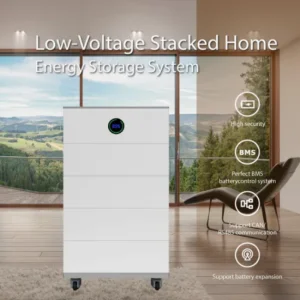
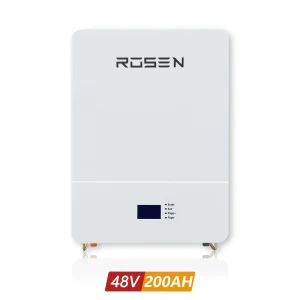
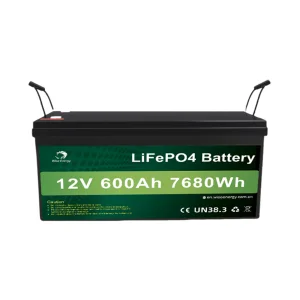
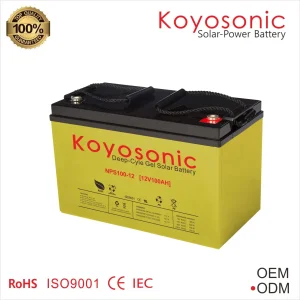
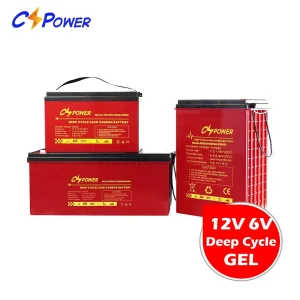
Explore our specialized LiFePO4 powerwalls, high-capacity AGM/Gel batteries, cell-level testing systems, and lead-carbon solutions.
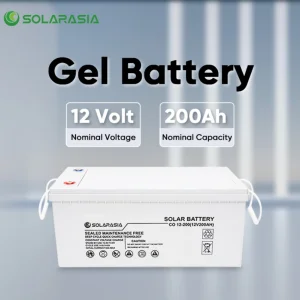
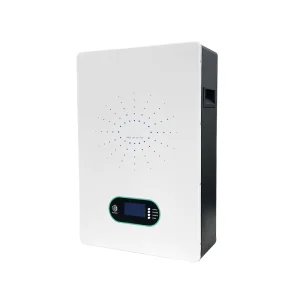

Expert answers to critical engineering, grid-compliance, and procurement questions regarding China-manufactured solar energy solutions.
LiFePO4 (LFP) offers superior thermal and chemical stability, virtually eliminating thermal runaway fire risks associated with NMC chemistries. LFP cells provide a drastically longer lifespan (6,000 to 10,000 cycles at 80% Depth of Discharge) compared to NMC (2,000–3,000 cycles). Additionally, LFP does not require nickel or cobalt, making it more environmentally sustainable and cost-effective for stationary storage applications.
Ansar Energy operates under strict ISO 9001 and IATF 16949 quality management systems. Cell processing includes 100% capacity grading, internal resistance testing, laser-welded busbar automated optical inspection (AOI), and multi-stage aging tests (including 72-hour continuous burn-in at elevated temperatures). Finished systems undergo complete functional validation using computerized hardware-in-the-loop (HIL) simulators.
Liquid cooling provides direct heat dissipation across cell faces, maintaining internal battery temperature variations (Delta T) within 3°C, whereas air-cooling often experiences 8°C–10°C thermal gradients. This uniform temperature regulation extends overall system battery life by over 20%, improves round-trip efficiency (RTE) to over 90%, and reduces the BESS footprint by nearly 35% through higher volumetric packing density.
Yes. Our Smart Battery Management Systems (BMS) are pre-loaded with firmware supporting multiple CAN-bus and RS485 communication protocols. We support direct plug-and-play integration with major inverter manufacturers worldwide, including Victron Energy, Deye, Solis, Growatt, GoodWe, SMA, and Sungrow.
Our core product lineup complies with international safety and transport standards. Certifications include UN38.3 (transportation safety), MSDS, CE, IEC 62619 (industrial lithium safety), UL 1973 (battery energy storage), and UL 9540A (unit-level thermal runaway fire test performance). Project-specific regional certifications can be arranged upon request.
Standard off-the-shelf samples ship within 7–10 business days. Custom OEM/ODM orders (with bespoke enclosures, customized BMS firmware, and localized branding) typically require 25 to 35 calendar days for production, assembly, and rigorous factory acceptance testing (FAT).
Our residential powerwalls and commercial BESS units come with a standard 5-to-10-year factory warranty, backed by an operational design life of 15 years when operated within specified thermal and C-rate parameters. Performance warranties guarantee at least 70% retained capacity at the end of the warranty term.
 Ansar Energy