⚡ Macro Industry Outlook: As global economies pivot toward the "Net Zero 2050" mandate, utility-scale energy storage has transformed from a grid luxury to a fundamental infrastructure requirement. The intermittent nature of renewable sources—solar and wind—requires massive buffering capacities to maintain grid stability and frequency regulation. Industry reports suggest a 30% CAGR in BESS (Battery Energy Storage System) installations over the next decade, with a specific focus on 4-hour to 8-hour duration storage.
🌍 Global Procurement Needs: Today’s utility developers and EPC (Engineering, Procurement, and Construction) firms are no longer just buying "batteries"; they are seeking "Bankability." Procurement criteria have shifted toward Tier-1 cell providers, sophisticated Liquid Cooling systems for thermal management, and robust Energy Management Systems (EMS) that can interface with complex grid markets for revenue stacking (arbitrage, spinning reserves, and peak shaving).
Smoothing the "Duck Curve" by storing midday solar energy for peak evening demand, preventing grid congestion.
Standardizing on LiFePO4 due to its superior safety profile, longer cycle life (6000+ cycles), and thermal stability.
Leveraging machine learning to predict cell degradation and optimize SOC (State of Charge) management.
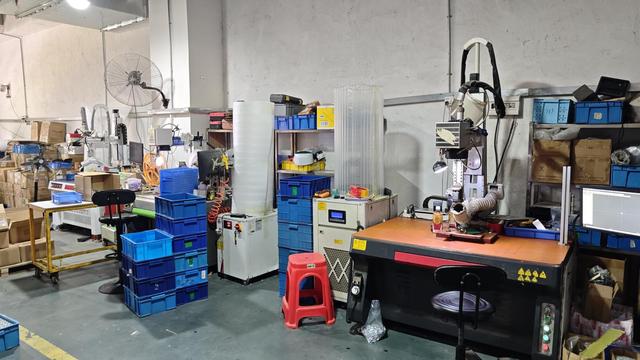
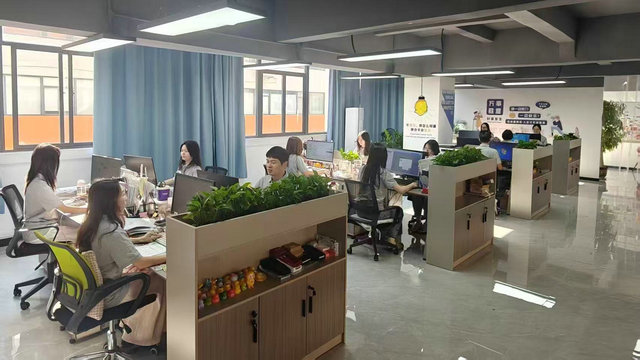
Shenzhen Ansar Energy Co., Ltd. stands at the forefront of the Chinese energy storage revolution. Established in 2015, the company has grown into a vertically integrated powerhouse specializing in residential, commercial, and utility-grade lithium-ion systems. Headquartered in the global tech hub of Shenzhen, Ansar Energy operates a state-of-the-art 18,000 square meter facility designed for high-precision battery assembly and rigorous quality assurance.
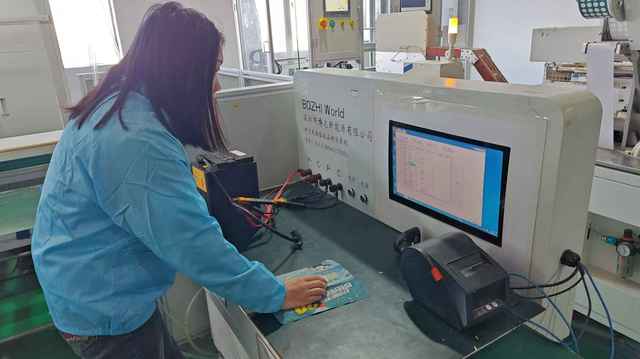
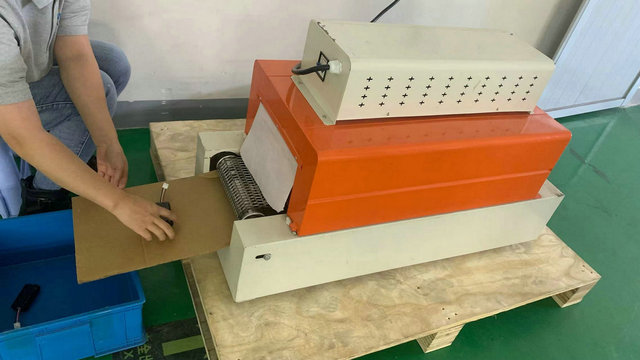
With a dedicated workforce of over 250 specialists, including a robust R&D team, Ansar focuses on the "Information Gain" of energy storage—providing data-backed performance metrics that ensure every kilowatt-hour delivered is reliable. Their manufacturing philosophy centers on "Zero Defect" manufacturing, utilizing automated production lines that minimize human error during the critical cell-matching process.
Square Meters Factory
Established Year
Cycle Life @ 80% DOD
Expert Employees
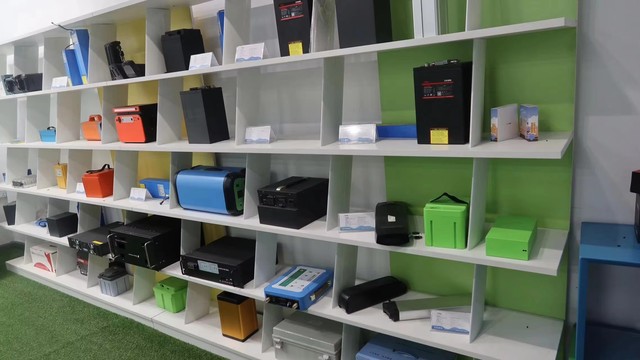
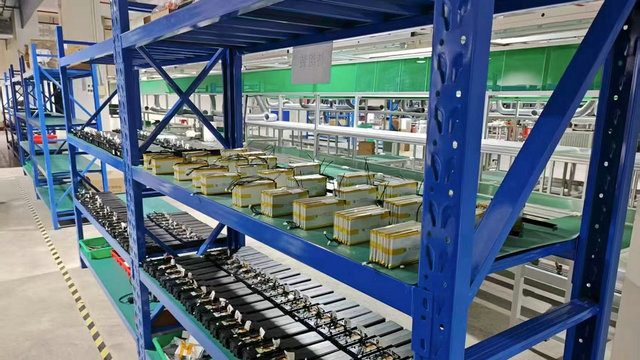
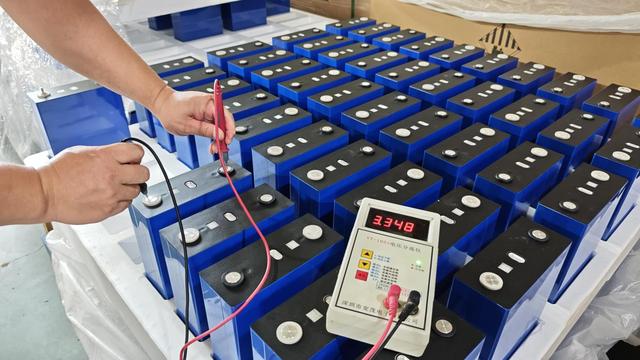
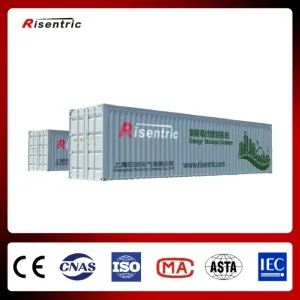
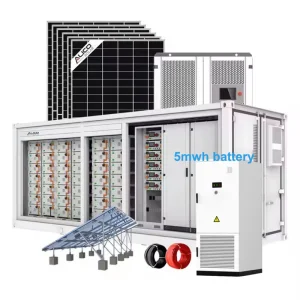
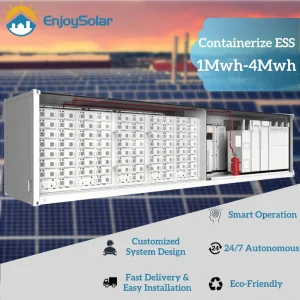
The industry is moving toward 1500V systems to reduce balance-of-system (BOS) costs and improve round-trip efficiency (RTE). Ansar Energy’s containerized solutions, ranging from 1MWh to 4MWh, integrate fire suppression (Novec 1230 or Aerosol), HVAC/Liquid cooling, and high-density LFP clusters. These modular designs allow for rapid deployment and scalability for utility grid support.
Understanding local grid codes (such as UL 9540A, IEC 62619, and CE) is non-negotiable for global factory exports. Ansar provides full compliance documentation and local engineering support to ensure that utility projects pass stringent local fire marshal inspections and interconnection requirements in North America, Europe, and Asia-Pacific.
Customized capacity, branding, and enclosure designs for global energy developers.
Real-time monitoring and cloud-based diagnostics for large-scale assets.
Commitment to battery recycling and secondary use (2nd life) applications.
 Ansar Energy