Engineered for Resilience, Scalability, and Maximum ROI
In the face of global decarbonization targets and rising energy volatility, the Industrial Energy Storage System (IESS) has evolved from a secondary backup option to a primary strategic asset. For global enterprises, selecting the right manufacturer among the top 10 industrial energy storage system factories is no longer just a procurement task—it is a critical decision for operational resilience and ESG (Environmental, Social, and Governance) compliance.
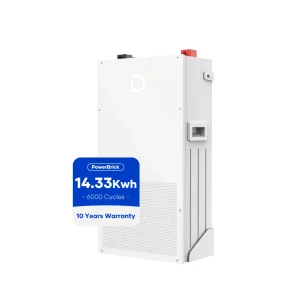
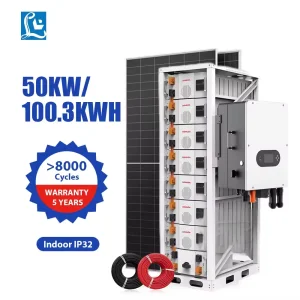
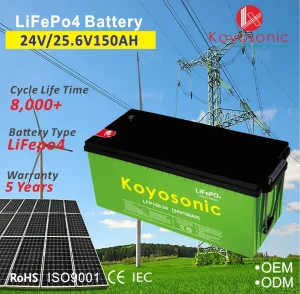
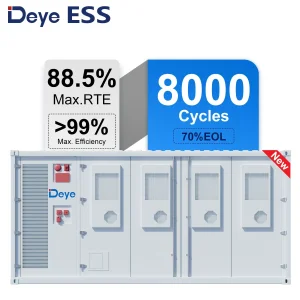
Industrial energy storage today leverages advanced Lithium Iron Phosphate (LiFePO4) technology, offering superior thermal stability, higher cycle life (up to 6000-8000 cycles), and a lower Levelized Cost of Storage (LCOS) compared to traditional lead-acid alternatives. As grid operators move toward more dynamic pricing models, industrial facilities are utilizing these systems for Peak Shaving, Load Shifting, and Frequency Regulation.
Reduce peak demand charges by discharging stored energy during high-tariff periods, significantly lowering monthly utility costs for factories.
Ensuring 24/7 power for sensitive manufacturing processes in regions with unstable grids or as part of a 100% renewable setup.
Charging the battery when energy prices are low (off-peak) and using or selling it when prices are high (on-peak).
Why 80% of the World's ESS Capacity Originates from China
The dominance of Chinese manufacturers like Shenzhen Ansar Energy Co., Ltd. in the global energy storage market is not merely a result of scale, but a manifestation of deep supply chain integration. From the refining of lithium carbonate to the assembly of sophisticated Battery Management Systems (BMS), the Chinese ecosystem offers unparalleled advantages:
LFP Global Share
Cost Reduction/5yrs
Max Cycle Life
When searching for "Top 10 Industrial Energy Storage System Manufacturer & Factories," professional buyers must look beyond marketing brochures. Expertise is proven through the integration of four core technologies:
True global players provide systems certified with UL 9540A (Fire Safety), IEC 62619, and CE-LVD/EMC. Without these, insurance and grid connection in North America or Europe are nearly impossible.
Leading factories now offer "Cloud Monitoring" combined with local O&M (Operation & Maintenance) partners in key markets like the USA, Germany, and Australia.
Ansar Energy, for example, offers customized battery capacities and project-specific designs, allowing system integrators to build branded solutions.
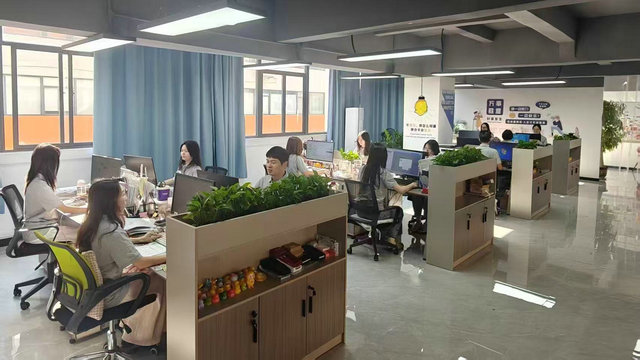
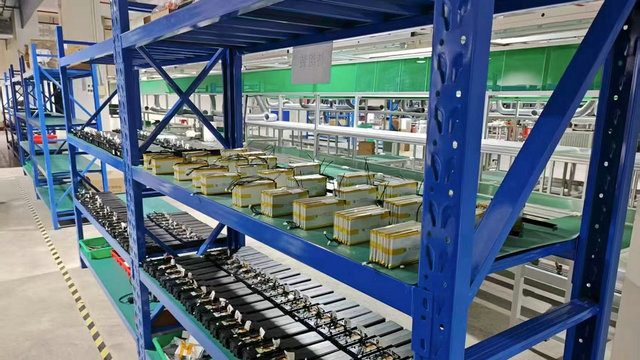
Established in 2015 and headquartered in Shenzhen, Shenzhen Ansar Energy Co., Ltd. has grown into a cornerstone of the renewable energy sector. With a sprawling 18,000 square meter facility and a dedicated team of 250+ professionals, Ansar Energy specializes in the full lifecycle of energy storage—from design to global distribution.
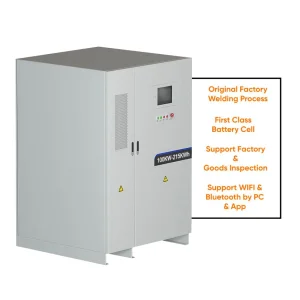
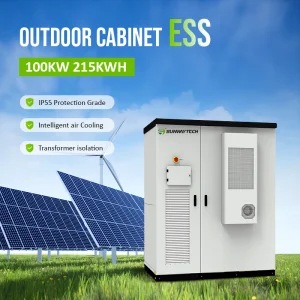
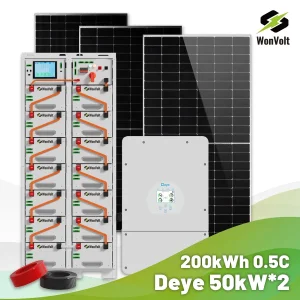
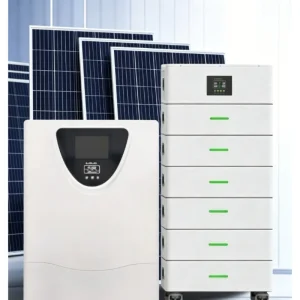
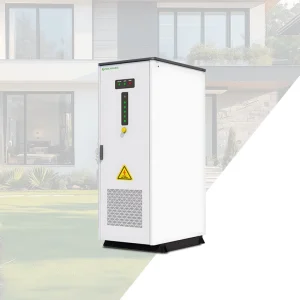
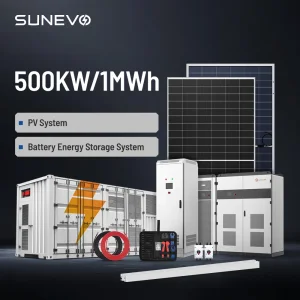
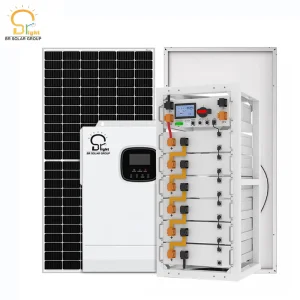
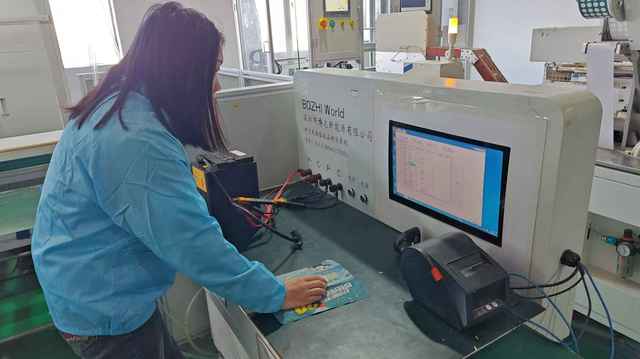
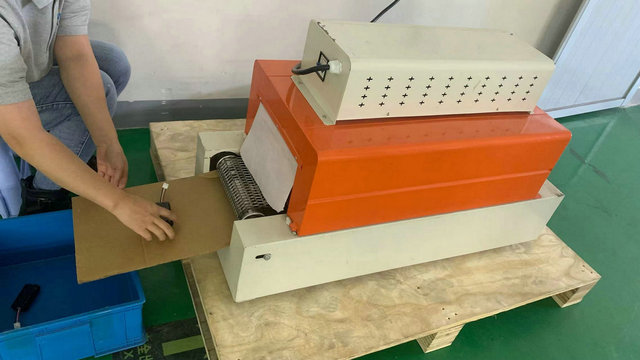
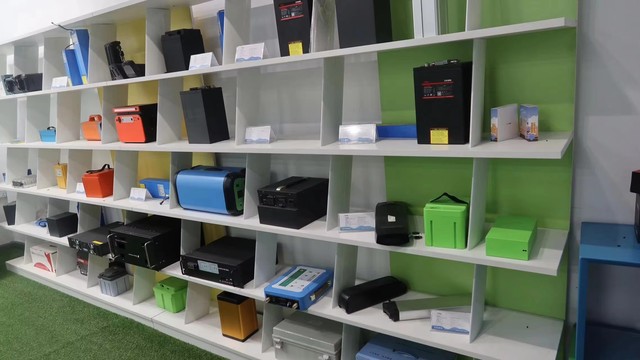
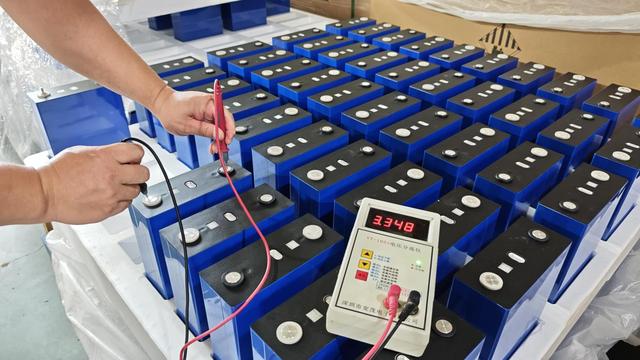
Their core product portfolio ranges from residential solar batteries to utility-scale containerized BESS. By adhering to strict quality management procedures—from cell sorting to final system stress tests—Ansar ensures that every unit delivered provides dependable performance in the harsest environments.
Innovation is the heartbeat of their operations. With significant annual reinvestment into R&D, Ansar has pioneered high-density lithium solutions that maximize energy footprint efficiency, a crucial factor for urban industrial sites where space is at a premium.
Stay Ahead of the Technological Curve
Energy storage systems are becoming active participants in energy markets. AI algorithms analyze historical spot prices and weather forecasts to decide exactly when to sell power back to the grid for maximum profit.
As energy density increases, air cooling is no longer sufficient for 20ft container systems. Liquid cooling ensures uniform temperature, extending the system's useful life by 15-20%.
The industry is looking toward utilizing retired EV batteries for stationary industrial storage, significantly reducing the initial carbon footprint of the ESS unit.
While LiFePO4 remains king, Sodium-Ion is emerging for large-scale projects where weight is not a factor but cost and raw material availability are critical.
Expert Insights into Industrial Energy Storage Procurement
Typically, factories see a full ROI within 3 to 6 years, depending on local electricity rates, demand charge structures, and available government incentives or tax credits (like the ITC in the USA).
Lithium Iron Phosphate (LFP) is the preferred choice for industrial applications due to its superior safety profile (no thermal runaway) and significantly longer cycle life compared to NMC batteries.
Ensure your manufacturer provides grid-certified inverters (IEEE 1547 or local equivalent) and has experience with utility-specific interconnection agreements.
Yes, many industrial systems are designed with "Black Start" capability and can form their own microgrids when the main grid fails, providing crucial business continuity.
Expand Your Infrastructure with Proven Technology
The transition to a sustainable industrial future requires a partner with proven manufacturing depth, technical expertise, and a global logistics network. Shenzhen Ansar Energy Co., Ltd. is committed to being that partner.
 Ansar Energy