In the current epoch of energy transition, the demand for Flexible Energy Storage Options has transcended simple backup power. As global economies strive toward "Net Zero" 2050 targets, energy storage systems (ESS) have become the linchpin of grid stability, renewable integration, and operational cost management. Modern suppliers are no longer just battery manufacturers; they are architects of intelligent energy ecosystems.
Search intent mining reveals that enterprise-level buyers are shifting focus from "lowest cost per kWh" to "highest information gain" regarding system longevity, safety protocols, and AI-driven energy arbitrage capabilities. The global landscape for 2024-2025 is dominated by the decentralization of power, where modular LiFePO4 containers and high-voltage stackable home units empower end-users to become "prosumers."
Manufacturing Sqm
Expert Workforce
Design Life Options
Safety Tested
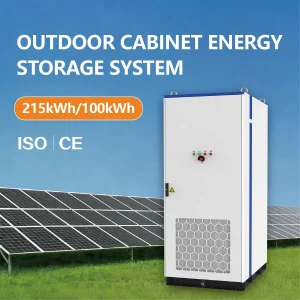
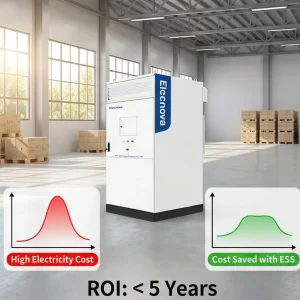
Suppliers are increasingly providing systems specifically designed for factories to reduce demand charges. By discharging during peak hours, businesses can save up to 40% on monthly utility bills.
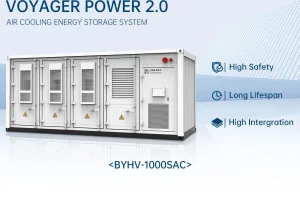
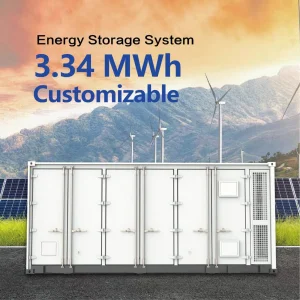
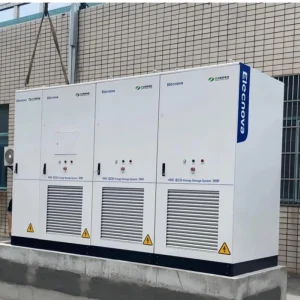
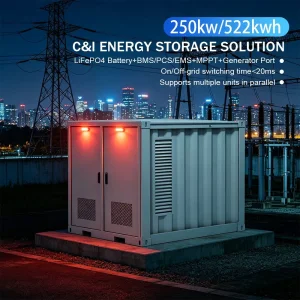
For remote industrial sites, all-in-one containerized solutions (like the 522kwh BESS) provide a stable "island mode" capability, ensuring 24/7 productivity despite grid instability.
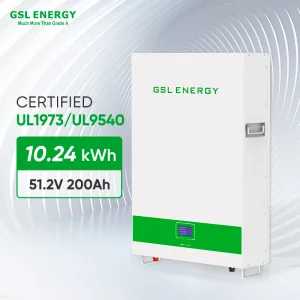
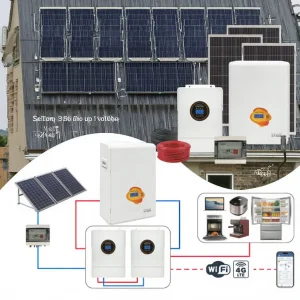
High-voltage stackable LiFePO4 systems offer the millisecond response times required for sensitive IT infrastructure, replacing traditional lead-acid UPS with more sustainable, long-life alternatives.
As a leading supplier, Shenzhen Ansar Energy Co., Ltd. exemplifies the technical rigor required in today’s market. Our roadmap focuses on three core pillars:
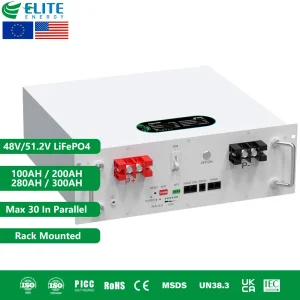
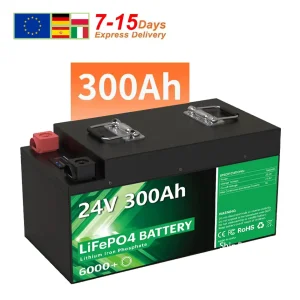
Recognizing the urgency of the European energy crisis, we maintain significant stock in Poland and Germany, offering DDP (Delivered Duty Paid) solutions for LiFePO4 100Ah-300Ah packs.
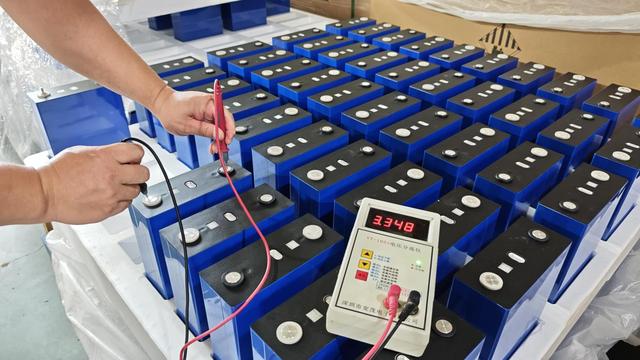
Our systems carry CE, UN38.3, and MSDS certifications, ensuring that every kilowatt-hour delivered meets the strict safety standards of the North American and European markets.
Through OEM/ODM services, we tailor battery chemistries and inverter compatibility (e.g., Deye, Victron, SMA) to meet local electrical codes and environmental conditions.
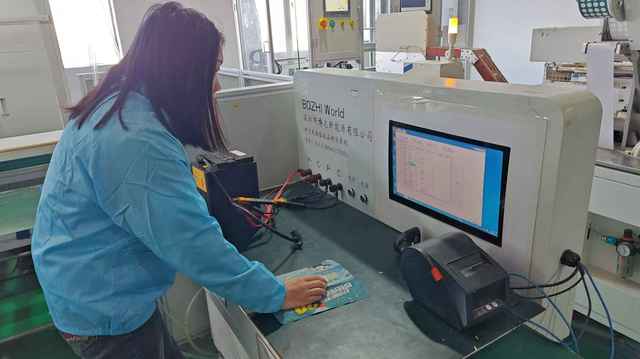
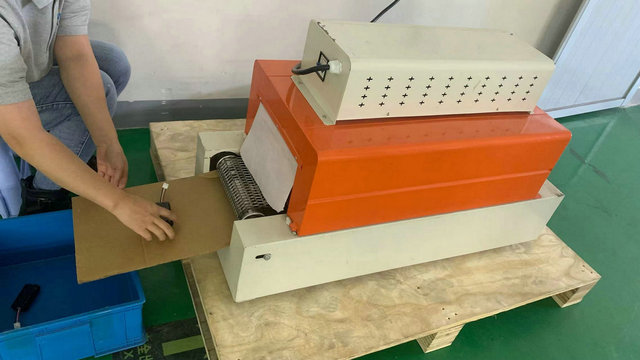
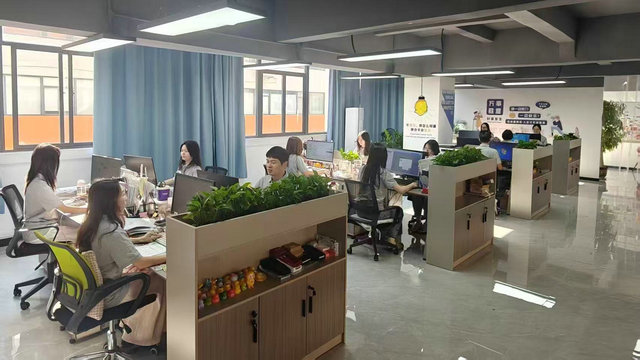
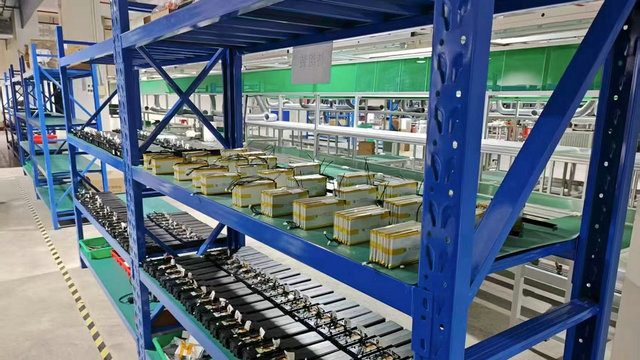
Shenzhen Ansar Energy Co., Ltd. is a professional manufacturer specializing in solar energy storage batteries and integrated renewable energy solutions for residential, commercial, and industrial applications. Established in 2015 and headquartered in Shenzhen, Guangdong Province, China, the company is committed to supporting the global transition toward sustainable energy through advanced battery storage technologies and intelligent power management systems. With a modern manufacturing facility covering more than 18,000 square meters and a workforce of over 250 employees, Ansar Energy serves customers across international renewable energy markets.
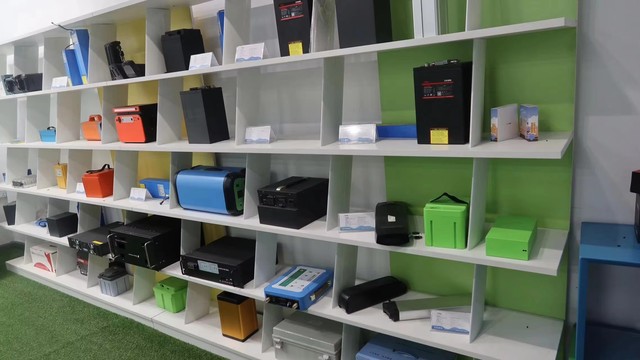
The company's core product portfolio includes solar energy storage batteries, residential energy storage systems, commercial battery storage solutions, industrial energy storage systems, off-grid solar battery systems, hybrid energy storage solutions, backup power batteries, lithium battery packs, and smart battery management systems. These products are widely used in residential solar installations, commercial buildings, industrial facilities, microgrid projects, telecommunications infrastructure, emergency backup power applications, and renewable energy integration projects.
A1: LiFePO4 (Lithium Iron Phosphate) offers superior thermal stability, a longer cycle life (6000+ cycles), and is environmentally safer compared to NCM chemistries, making it ideal for high-occupancy commercial and residential buildings.
A2: Our 1mwh containers utilize advanced air-cooling or liquid-cooling systems integrated with the BMS to maintain optimal cell temperatures between 20°C and 35°C, ensuring performance from -20°C to 55°C ambient conditions.
A3: Yes. Our systems are designed for "AC-coupled" or "DC-coupled" integration, supporting major hybrid inverter brands for seamless retrofitting in existing solar installations.
A4: Depending on local utility demand charges, most industrial clients see a full Return on Investment within 3 to 5 years through reduced peak demand fees and energy arbitrage.
 Ansar Energy