Comprehensive systems engineered for residential and industrial excellence.
Understanding Information Gain in the 2024-2030 Energy Landscape
As the world pivots toward decarbonization, Secondary Battery Storage Systems (SBSS) have emerged as the backbone of the renewable energy revolution. Unlike primary batteries, secondary batteries—specifically Lithium Iron Phosphate (LiFePO4) and Lead-Carbon variants—offer the rechargeability and cycle life necessary for modern grid stabilization. In the current global industrial context, battery storage is no longer just a backup option; it is a strategic asset for "Peak Shaving," "Load Leveling," and "Frequency Regulation."
The secondary battery sector is currently witnessing three major technological convergences:
Tailored solutions for diverse geographic and economic requirements.
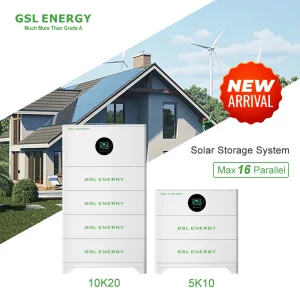
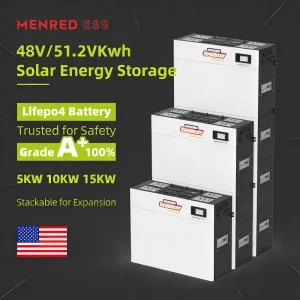
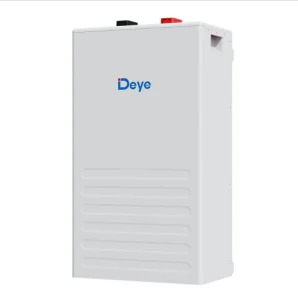
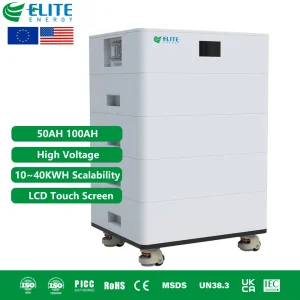
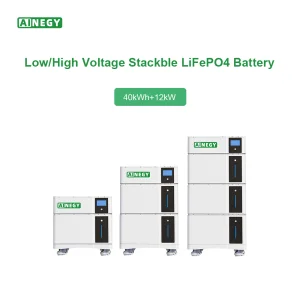
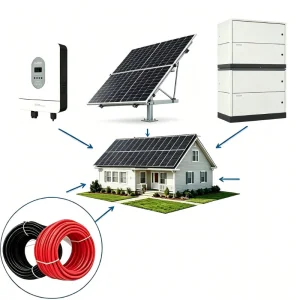
In regions like Western Europe and Australia, where electricity prices are volatile, stackable LFP systems (5kWh to 30kWh) allow homeowners to achieve up to 90% energy independence by storing daytime solar harvest.
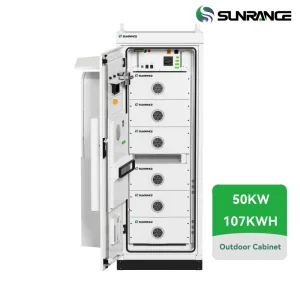
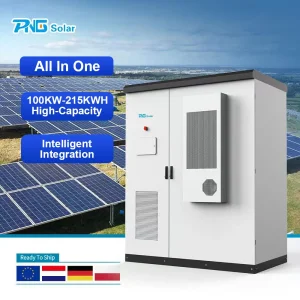
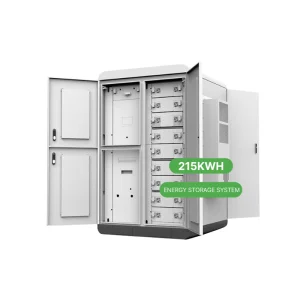
For factories in Southeast Asia and North America, our 215kWh all-in-one systems reduce "Demand Charges" by discharging during peak tariff hours, offering a ROI within 3-5 years.
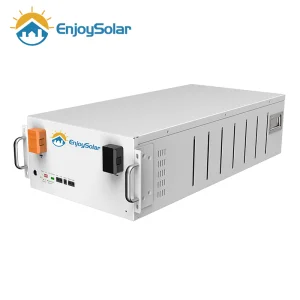
Standardized 48V 100Ah rack-mounted batteries provide uninterruptible power for 5G base stations and remote data centers, ensuring connectivity in extreme environments.
The path to Solid-State and Beyond.
At Shenzhen Ansar Energy, we are not just manufacturing batteries; we are engineering the future of energy density. Our roadmap includes:
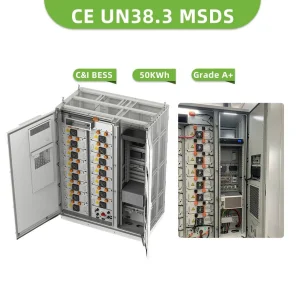
Mass adoption of 314Ah high-capacity cells and Liquid Cooling systems for 215kWh+ commercial cabinets to ensure thermal stability.
Integration of Sodium-ion (Na-ion) batteries for low-temperature environments where LiFePO4 efficiency typically drops.
Semi-solid-state battery integration, doubling energy density while virtually eliminating the risk of thermal runaway.
A Leader in Custom OEM/ODM Energy Solutions Since 2015
Shenzhen Ansar Energy Co., Ltd. is a professional manufacturer specializing in solar energy storage batteries and integrated renewable energy solutions for residential, commercial, and industrial applications. Established in 2015 and headquartered in Shenzhen, Guangdong Province, China, the company is committed to supporting the global transition toward sustainable energy through advanced battery storage technologies and intelligent power management systems.
With a modern manufacturing facility covering more than 18,000 square meters and a workforce of over 250 employees, Ansar Energy serves customers across international renewable energy markets. Our core product portfolio includes solar energy storage batteries, residential energy storage systems, commercial battery storage solutions, and smart battery management systems (BMS).
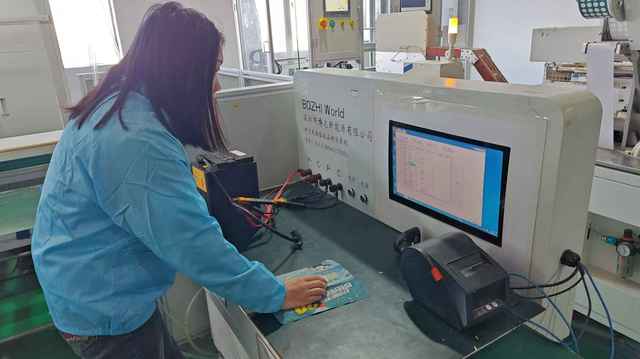
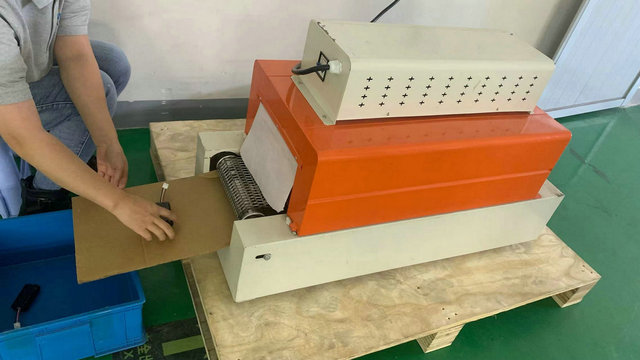
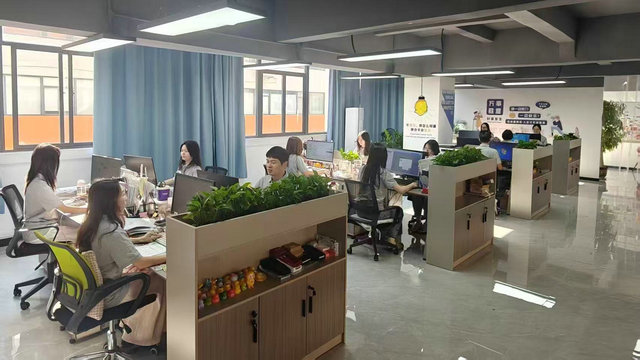
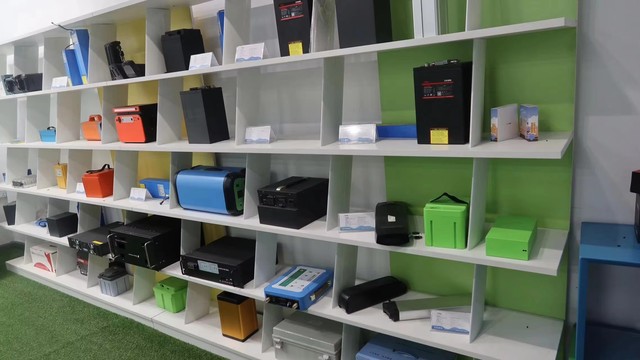
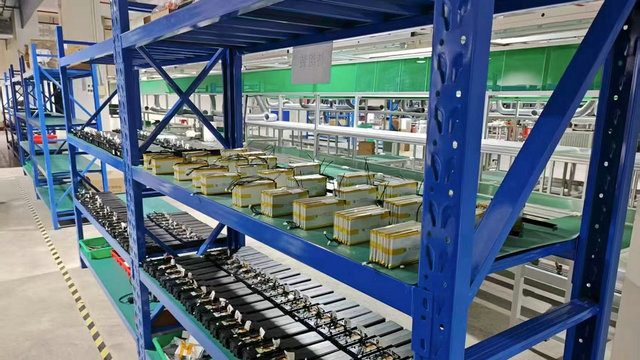
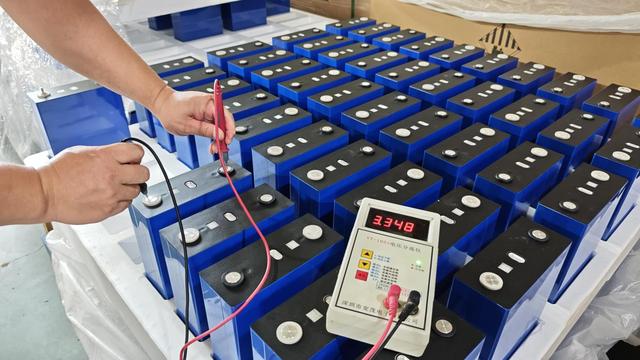
In addition to standard products, Ansar Energy provides OEM and ODM manufacturing services, offering customized battery capacities, system configurations, branding solutions, and project-specific energy storage designs. We collaborate closely with solar installers, energy developers, and system integrators worldwide to deliver reliable solar energy storage solutions.
Scalable energy storage for the modern grid.
Integrating solar, wind, and secondary battery storage to provide 24/7 power for island communities or remote mining sites.
Powering automated irrigation systems and cold storage facilities with modular LFP packs, reducing reliance on diesel generators.
Our batteries are designed for Virtual Power Plant (VPP) integration, allowing users to sell stored energy back to the grid during peak demand.
Expert insights into secondary battery storage technology.
Top-rated battery storage units available for immediate export.
 Ansar Energy