Ansar Energy
1 / 5
Choose Zero-carbon Lifestyle
• Remote upgrade
• One click code scanning
• Remote monitoring
PET Bottle Making Machine is suitable for producing PET plastic containers and bottles in all shapes.
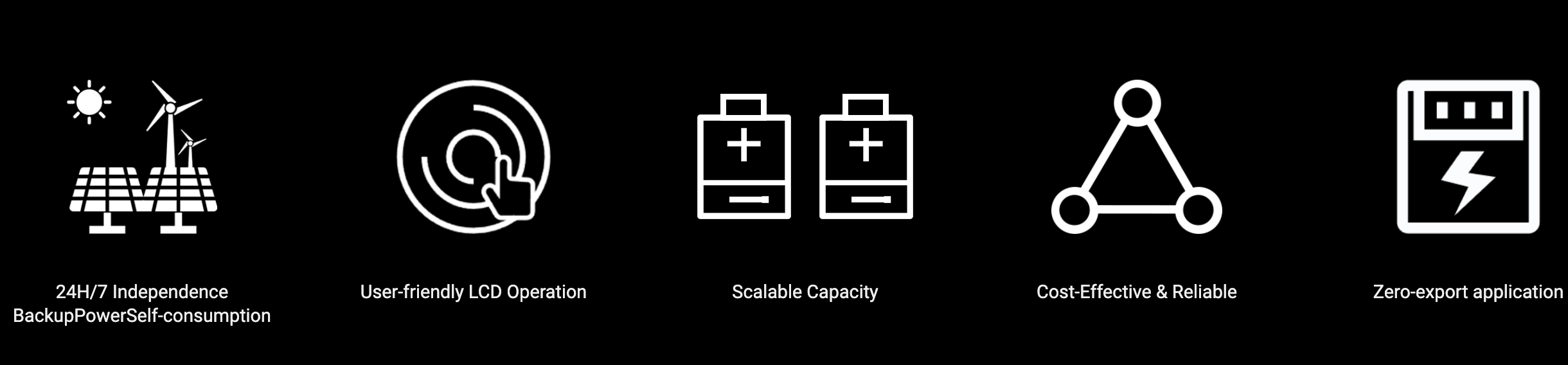
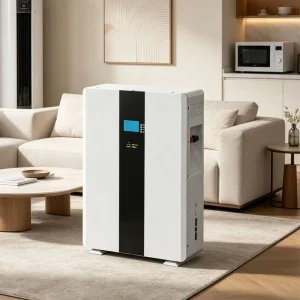
Battery discharge in case of power failure to ensure the uninterrupted operation of home appliances.
Solar power generation combined with battery storage can provide continuous power for home appliances for days.
Fast switchover of back-up power generation equipment to ensure power supply to critical equipment.

A variety of intelligent protection technologies protect the safety of your home and health of the battery.
Optional AFCI DC arc protection, active switching within 0.3 s to prevent fires and protect your family and property.
Low ripple control technology, smooth energy control, safer battery charging and improved battery life.
Intelligent EMS system, 24-hour online monitoring, self-adaptive adjustment and management of battery, improve battery reliability.
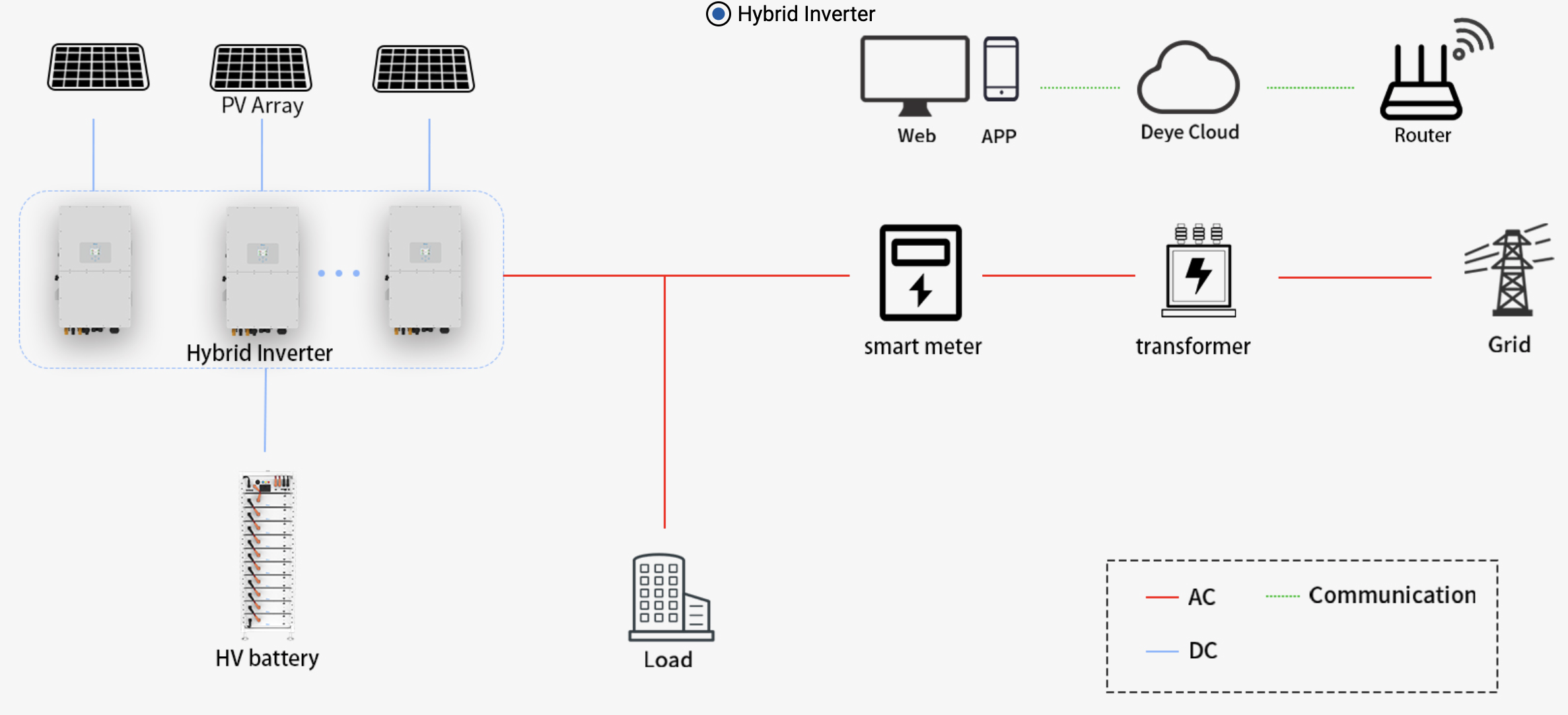
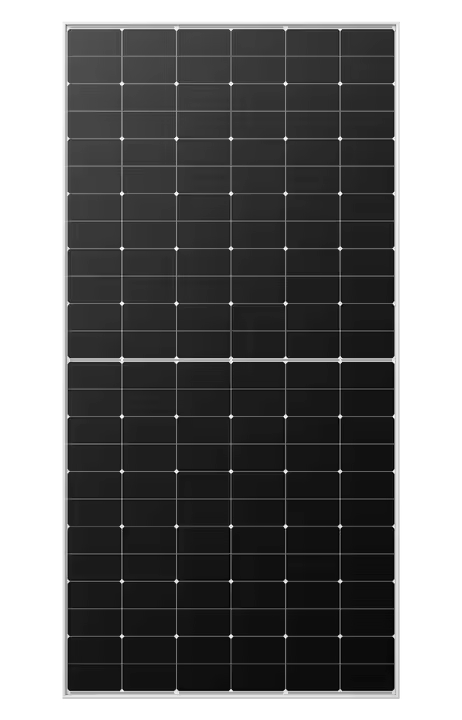
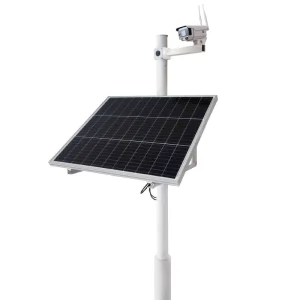
1. 300w-750w options available.
2. Choose the right size based on installation location.
3. Mono, Topcon, HJT, BC technologies.
4. Full black options available.
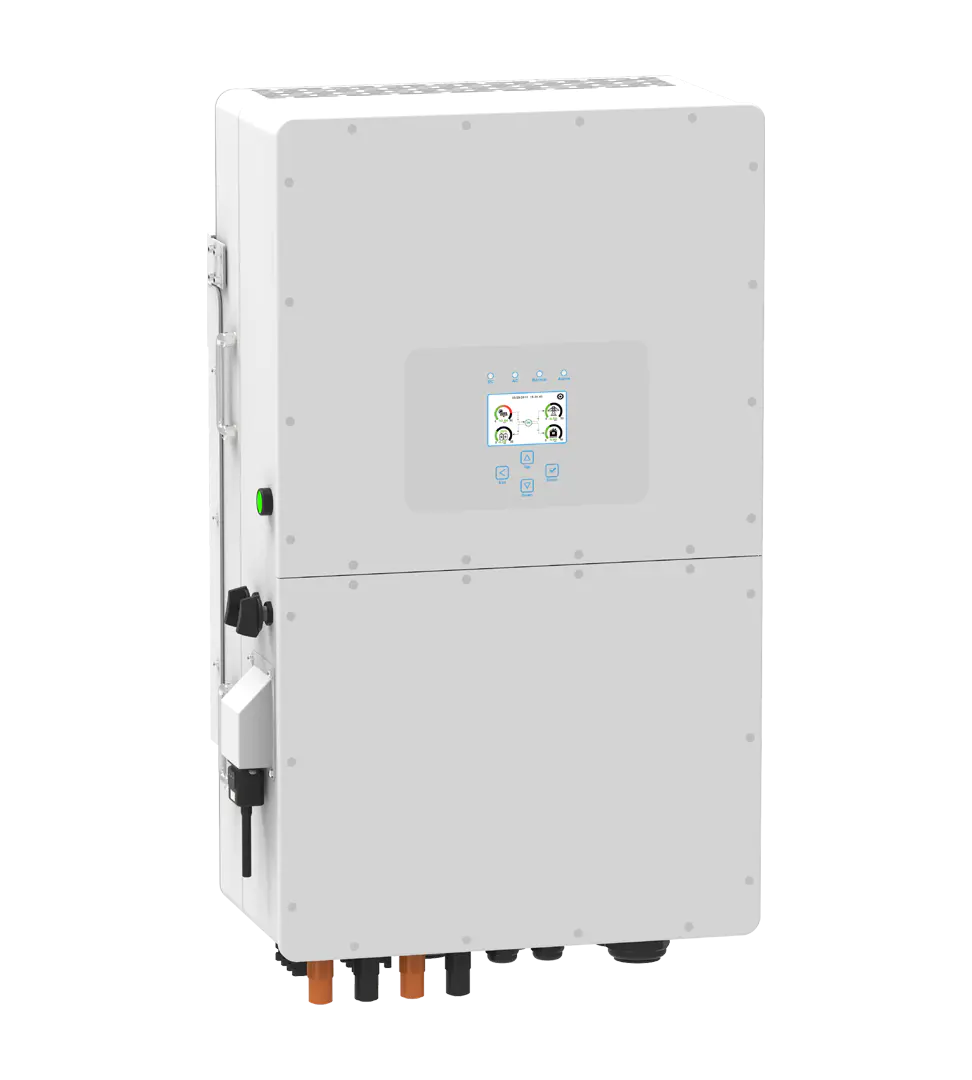
1. Hybrid, on-grid, and off-grid options.
2. Multiple leading brands available: Deye, Solis, Huawei, Growatt, Goodwe, Solax.
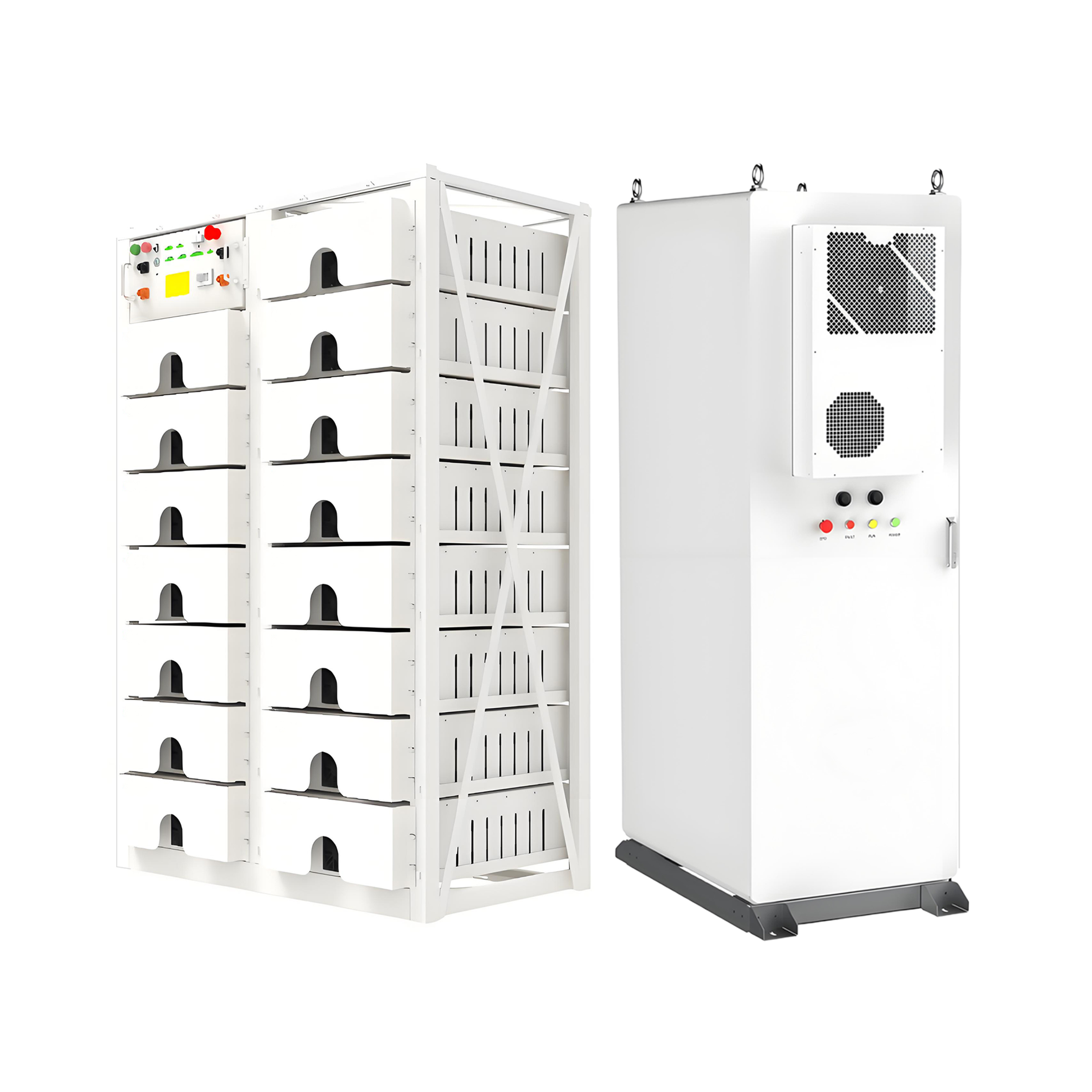
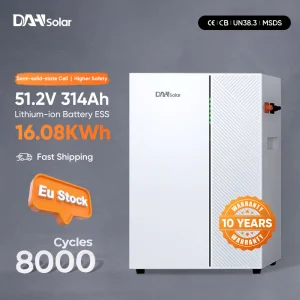
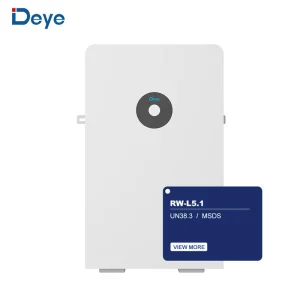
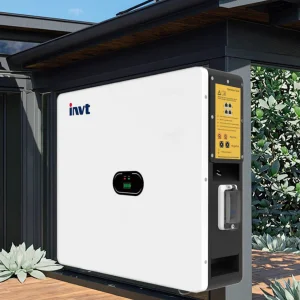
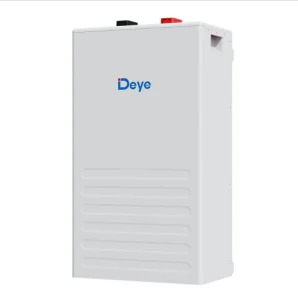
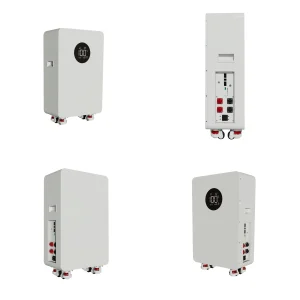
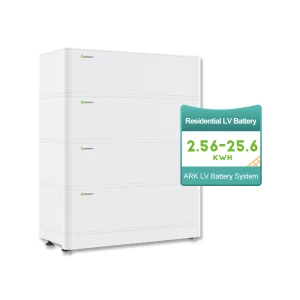
1. Outdoor or indoor options.
2. HV (High Voltage) or LV (Low Voltage) available.
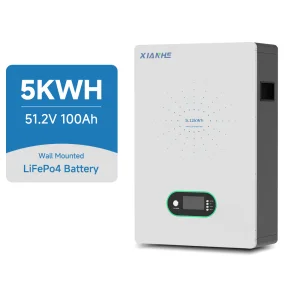
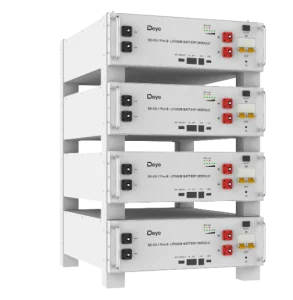
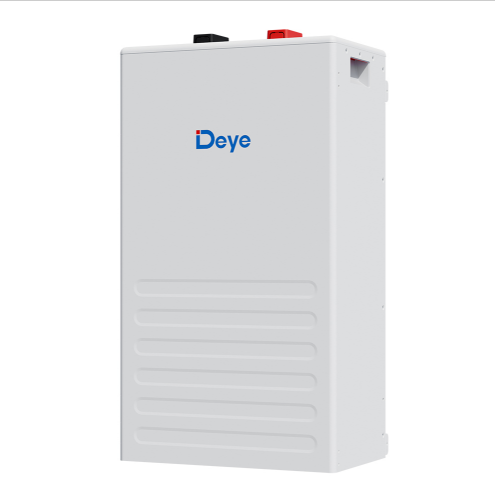
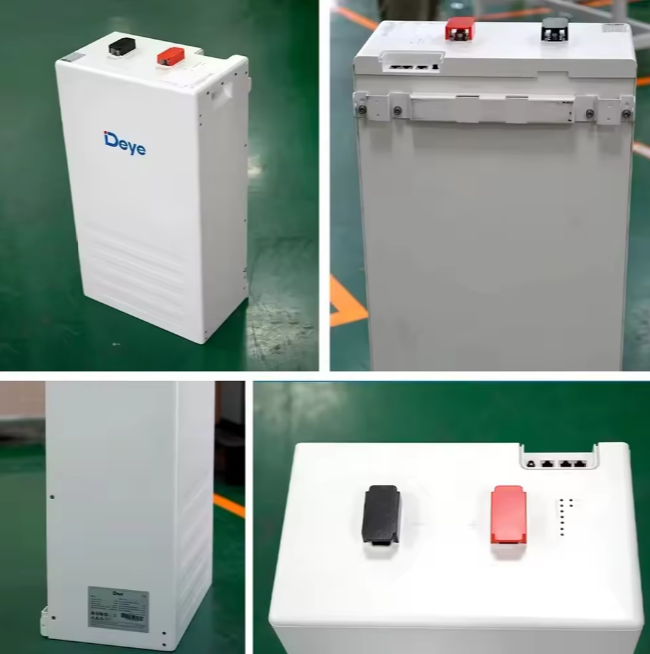
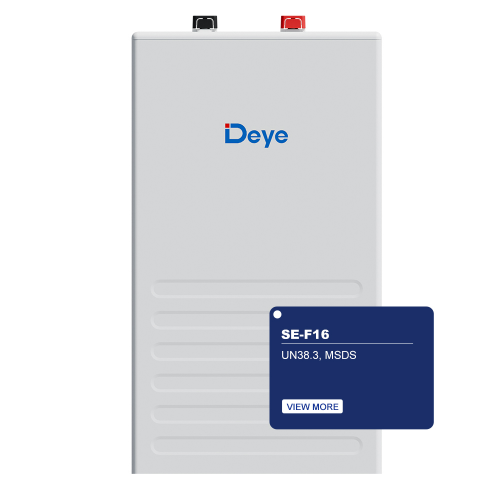
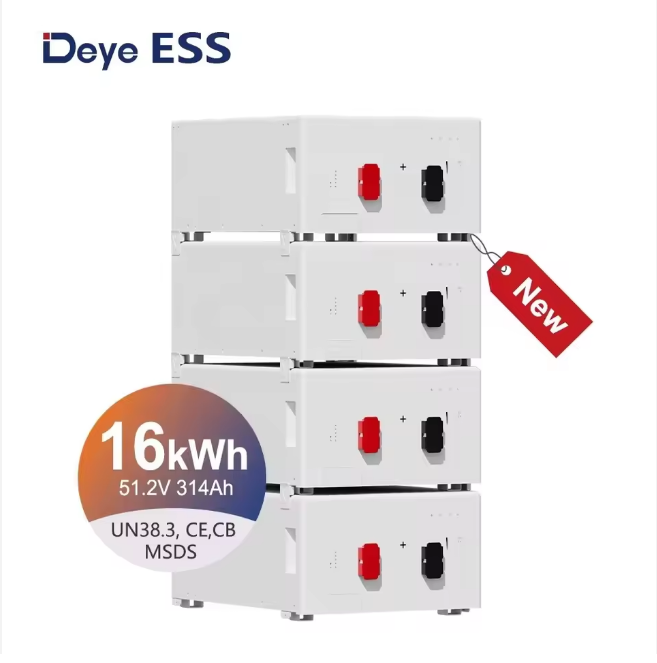
3. Customizable battery capacities.
| Solar Panel | Inverter | Battery | Mounting Bracket | Cable Accessories |
|---|---|---|---|---|
| Yes | Yes | Yes | Yes | Yes |
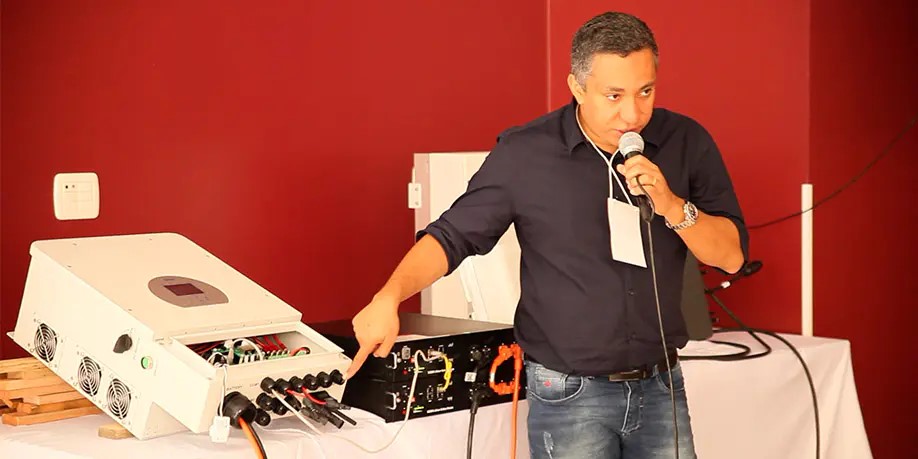
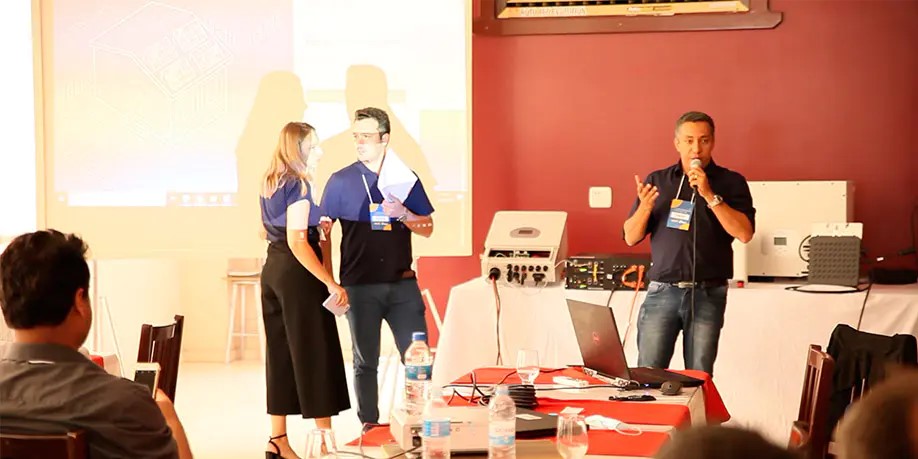
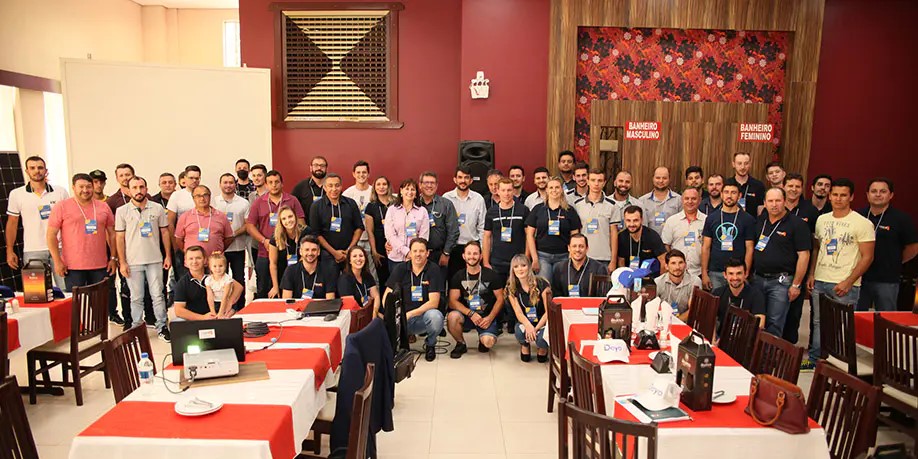
As a leading solar solution provider, we help you advance your solar energy career via our training program. Our training (online & face-to-face) provides a full range of photovoltaic system knowledge, including system design, inverter products, operation and maintenance, and troubleshooting.

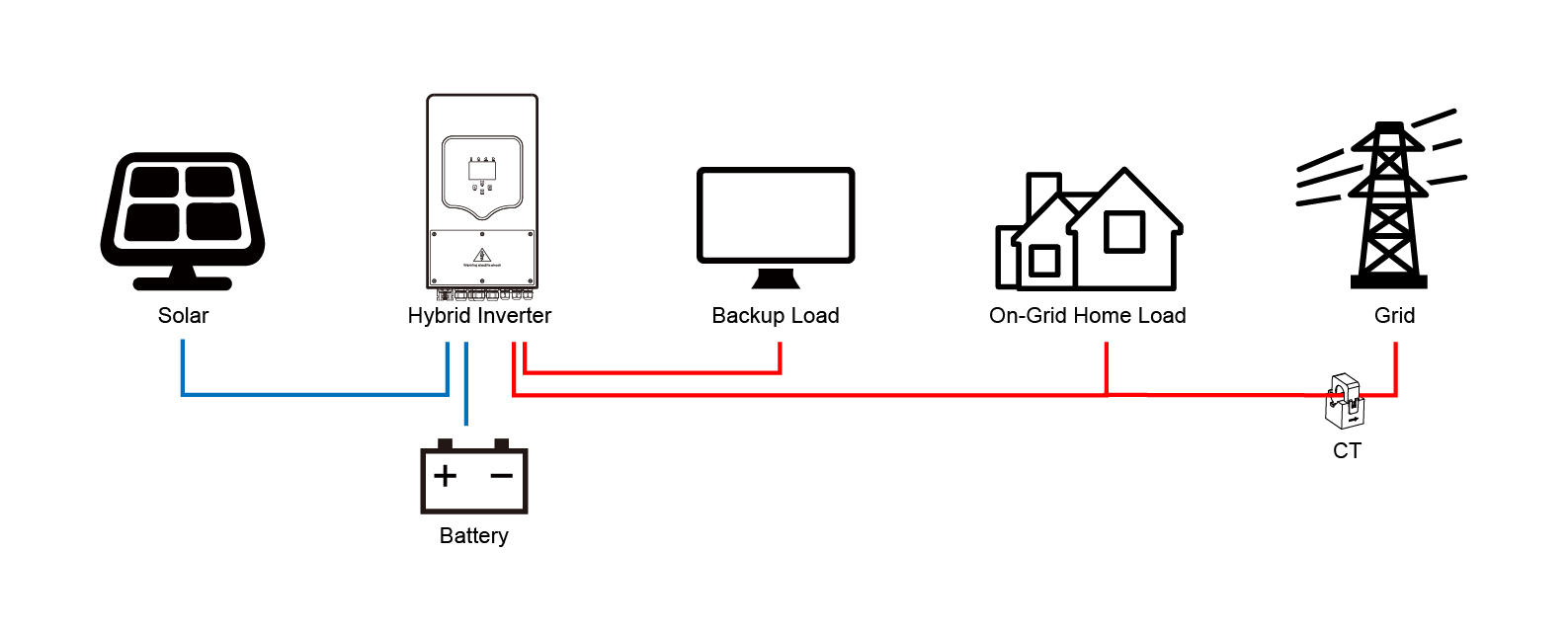
During the day, the solar PV system generates electricity to power loads first. Extra energy charges the battery through the hybrid inverter for later use.
Separate ports for critical loads and the grid allow devices like refrigerators, routers, and lamps to work during outages with a 4ms automatic switchover.
Offers 6 time periods for battery management. Charge during off-peak times and discharge during peak times to limit grid power draw.
Sell back excess power produced by solar panels to the grid. PV energy powers the load and charges the battery first. Priority: 1. Solar, 2. Grid, 3. Battery.
Only provides power to connected backup loads. Neither provides power to home loads nor sells to the grid. Built-in CT detects grid flow to reduce inverter power accordingly.
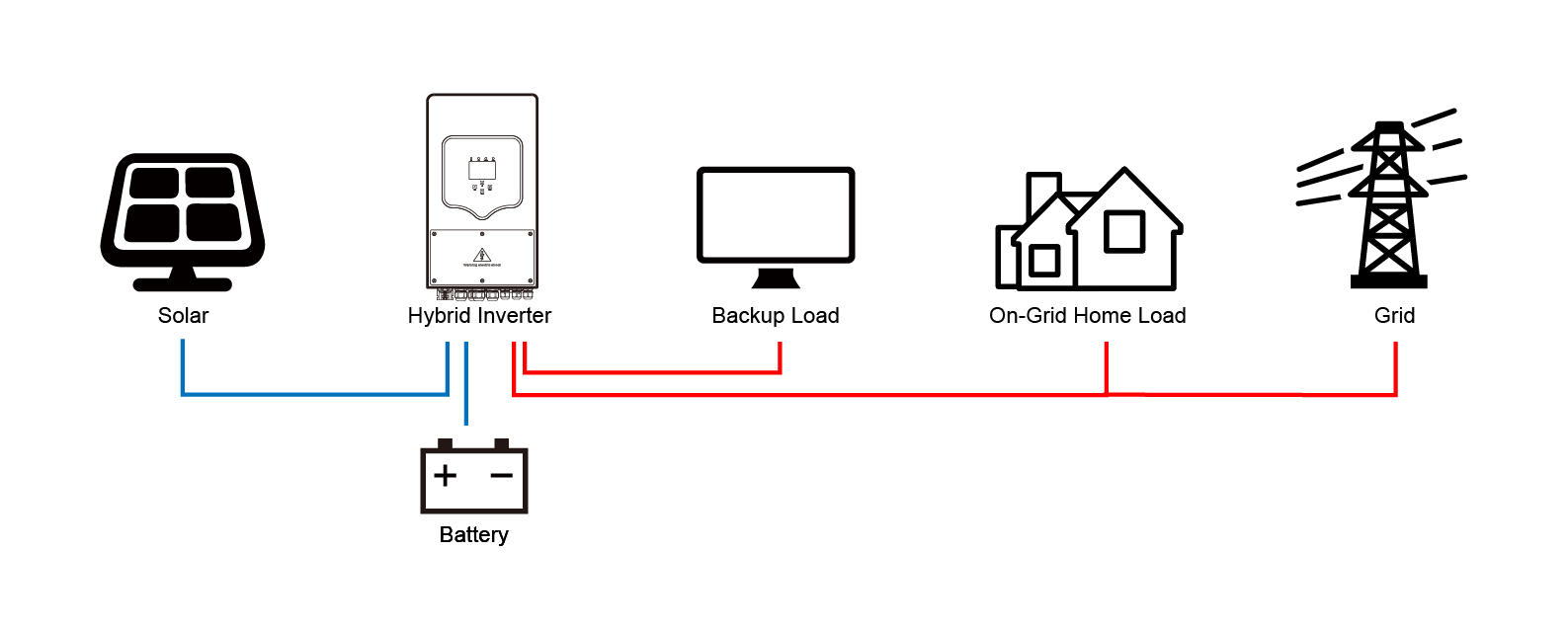
Provides power to both backup and home loads. If PV/Battery is insufficient, grid energy supplements. An external CT ensures no power is sold back to the grid.
Solar energy is a powerful financial tool. Evaluate your installation with these steps:
Beyond financial returns, solar increases property value and provides energy independence.
Hybrid systems allow you to maximize solar self-consumption, provide emergency backup during power outages, and reduce electricity bills by shifting usage from peak to off-peak times.
The system features a fast switchover capability of approximately 4 milliseconds, ensuring that critical devices like computers and refrigerators remain operational without interruption.
Yes, our systems support intelligent EMS (Energy Management Systems) with 24-hour online monitoring, allowing you to track generation and consumption through remote platforms.
"Zero Export to Load" only powers critical backup loads, while "Zero Export to CT" powers both backup loads and your standard home loads without feeding electricity back into the utility grid.
We offer a comprehensive training program including system design, installation, maintenance, and troubleshooting via both online and face-to-face sessions.
The systems incorporate multiple safety layers including AFCI DC arc protection to prevent fires and low-ripple control technology to smooth energy flow and extend battery life.