Engineered for absolute reliability, safe cycling, and optimized Levelized Cost of Storage (LCOS).
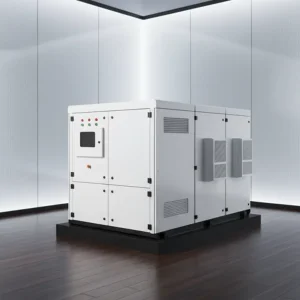
As the world pivots toward the ambitious goals of Net-Zero emissions, the integration of intermittent renewable energy resources such as wind and solar into local distribution networks has emerged as a fundamental challenge. The modern electric grid requires stabilization, fast response frequency regulation, and load-shifting infrastructure to accommodate high-penetration renewable generation. In this technological transition, battery energy storage systems (BESS) are critical enablers, transforming variable resources into dispatchable asset portfolios.
China has established itself as the center of the global battery supply chain, leveraging unmatched manufacturing capacities, vertical integration of raw materials, and continuous R&D. By choosing a leading China renewable energy storage manufacturer, global project developers, EPCs, and distributors gain access to tier-one cell chemistries, advanced thermal management architectures, and state-of-the-art power conversion systems (PCS) that meet strict international compliance standards.
Market dynamics driven by peak-shaving economic demand, grid instability, and progressive regulatory environments.
With dynamic Time-of-Use (ToU) electricity pricing expanding globally, C&I facilities utilize storage to charge during off-peak hours and discharge during high-rate intervals, significantly lowering operational expenditures.
Critical infrastructures, including hospitals, data centers, and advanced manufacturing lines, deploy localized battery units to prevent costly outages, voltage sags, and transient grid instability.
Commercial facilities are hit with hefty demand charges based on their highest usage spikes. Intelligent ESS monitors power draws, discharging batteries instantly to shave peak loads below threshold levels.
Regionally, the implementation of tax credits like the United States Investment Tax Credit (ITC) under the Inflation Reduction Act, alongside Europe's REPowerEU initiative, has driven massive capital investment into energy storage. In Asia, rapid industrial expansion coupled with net-zero target mandates has made on-site battery storage a core requirement for newly developed industrial zones.
Analyzing LFP cell supremacy, smart liquid-cooling, and multi-tier battery management systems.
The dominant choice for stationary energy systems. High thermal stability, low raw material toxicity, and long cycle life make LFP inherently safer and more cost-effective than ternary NMC equivalents.
Modern utility-scale installations are shifting from forced-air convection to direct liquid cooling. This architecture reduces temperature gradients across cells to <3°C, extending overall system life by 20%.
By leveraging IoT cloud integration, the Battery Management System tracks cell internal resistance, degradation telemetry, and capacity variance, predicting maintenance needs before system failures occur.
Adapting advanced battery installations to complex regulatory, structural, and environmental configurations.
Replacing high-cost diesel generation in isolated regions. Storage systems integrated with PV installations supply stable power, utilizing grid-forming inverters to maintain synthetic inertia and frequency stability.
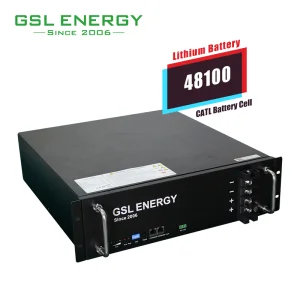
Telecom base stations demand continuous power with space-saving footprints. High-energy density rack-mounted LiFePO4 batteries offer lightweight, compact layouts that easily replace traditional lead-acid configurations.
As megawatt-level EV chargers strain distribution transformers, co-located containerized battery storage systems discharge during rapid vehicle charges, shielding the grid from severe voltage sags.
Delivering high-performance solar energy storage batteries and integrated renewable energy systems.
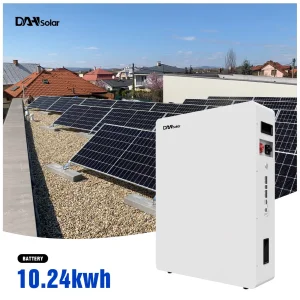
Shenzhen Ansar Energy Co., Ltd. is a professional manufacturer specializing in solar energy storage batteries and integrated renewable energy solutions for residential, commercial, and industrial applications. Established in 2015 and headquartered in Shenzhen, Guangdong Province, China, the company is committed to supporting the global transition toward sustainable energy through advanced battery storage technologies and intelligent power management systems. With a modern manufacturing facility covering more than 18,000 square meters and a workforce of over 250 employees, Ansar Energy serves customers across international renewable energy markets.
The company's core product portfolio includes solar energy storage batteries, residential energy storage systems, commercial battery storage solutions, industrial energy storage systems, off-grid solar battery systems, hybrid energy storage solutions, backup power batteries, lithium battery packs, and smart battery management systems. These products are widely used in residential solar installations, commercial buildings, industrial facilities, microgrid projects, telecommunications infrastructure, emergency backup power applications, and renewable energy integration projects.
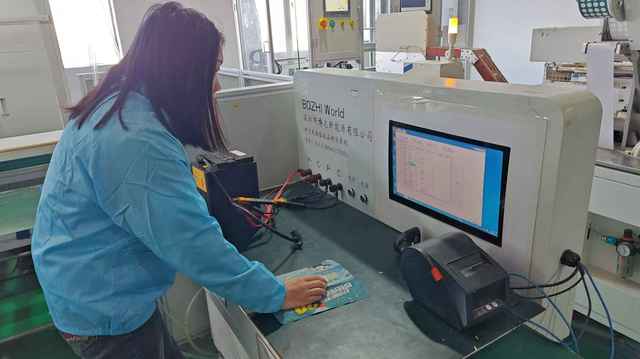
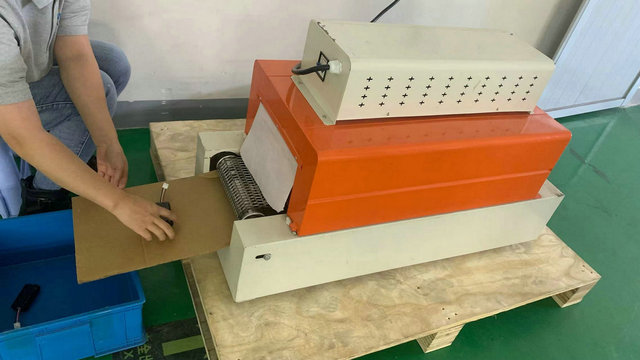
Ansar Energy operates advanced battery assembly lines, testing laboratories, and quality control facilities equipped with modern manufacturing technologies. The company follows strict quality management procedures throughout product design, cell integration, system assembly, testing, and final inspection to ensure dependable performance, safety, and long-term reliability. Continuous investment in research and development enables the company to improve energy efficiency, battery lifespan, and system intelligence.
In addition to standard products, Ansar Energy provides OEM and ODM manufacturing services, offering customized battery capacities, system configurations, branding solutions, and project-specific energy storage designs. The company collaborates closely with solar installers, energy developers, distributors, and system integrators worldwide. Driven by innovation, sustainability, and customer-focused engineering, Shenzhen Ansar Energy Co., Ltd. is dedicated to delivering reliable solar energy storage solutions that help customers achieve greater energy independence, operational efficiency, and long-term renewable energy value.
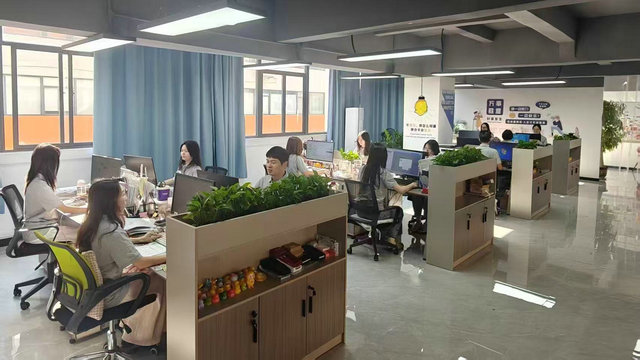
An inside look at our advanced manufacturing lines, clean assembly facilities, and rigorous thermal testing processes.
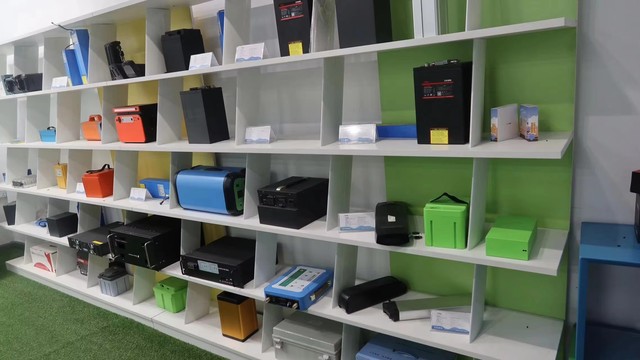
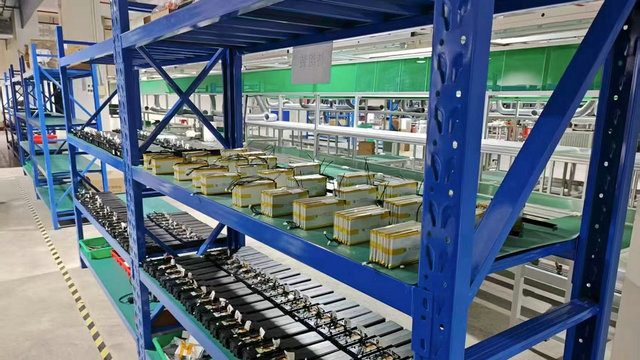
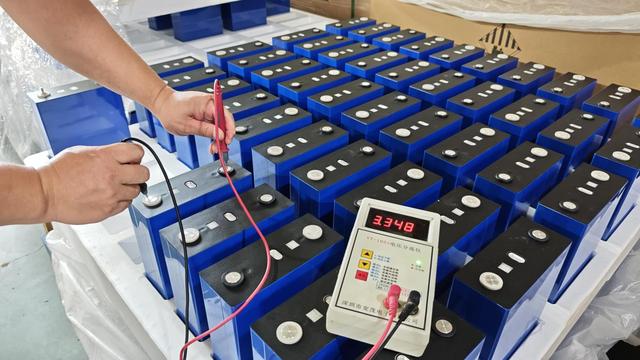
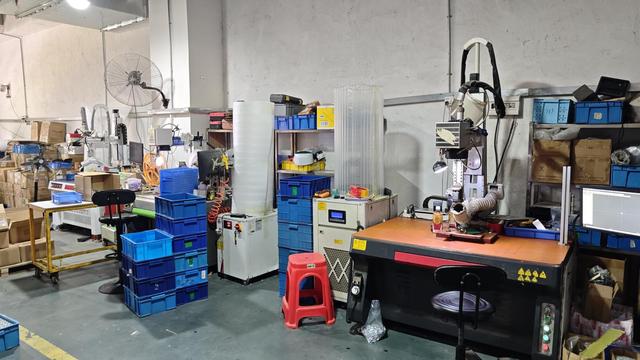
Custom engineering packages designed to handle varied voltage levels, capacity demands, and harsh environmental variables.
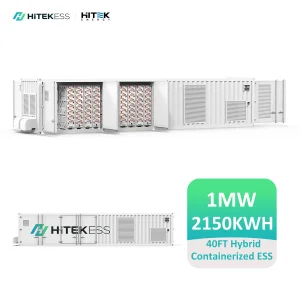
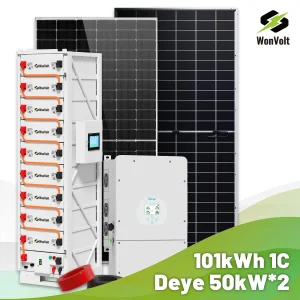
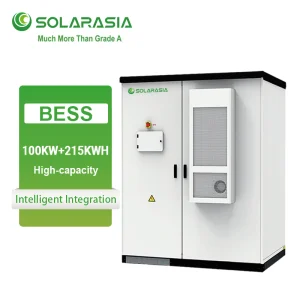
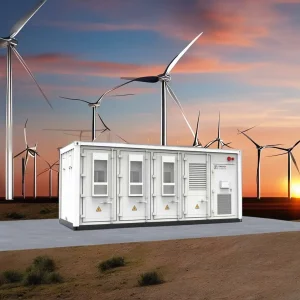
Fully integrated utility solutions housed in standard 20ft or 40ft containers. Features liquid-cooling loops, automated HVAC, fire detection, clean-agent suppression, and a central SCADA management interface.
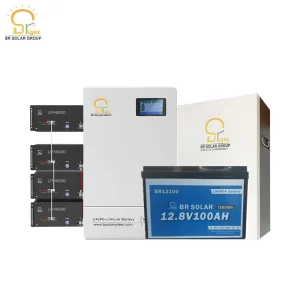
We supply tailored structural sizes, specialized voltage configurations, multi-protocol communication bridges (CAN/RS485/Modbus), and customized branding for global solar integration developers.
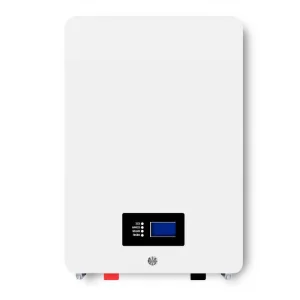
Engineered for hotels, malls, and factories. Incorporates compact, high-density modular cabinets equipped with localized safety controls, keeping total installation footprints minimal.
Direct technical responses addressing system engineering, safety compliance, and global delivery logistics.
LFP chemistry offers significant thermal safety advantages compared to alternatives like NMC. It has a high thermal runaway threshold (approx. 270°C) and releases minimal oxygen during failures, reducing fire risks. LFP also provides exceptional cycle lifetimes (often exceeding 6,000–8,000 deep discharge cycles @ 80% DoD), resulting in a lower Levelized Cost of Storage (LCOS) over long-term project lifespans.
Our containerized energy systems (BESS) use multi-layered safety layouts. First, individual cell monitoring checks voltages and temperatures. Second, automated liquid cooling controls keep cells at stable operating ranges. Finally, we install aerosol-based clean agent fire suppression, along with combustible gas detectors that alert and isolate racks before thermal events escalate.
Our proprietary smart BMS supports standard industrial communication layers, including CAN bus, RS485, and Modbus TCP/IP. This compatibility allows seamless integration with major global PCS inverters (e.g., Deye, Sungrow, Victron, SMA) and matches seamlessly with centralized SCADA monitoring stations.
Ansar Energy provides full ODM/OEM services. This includes adjusting nominal voltage setups (48V to high-voltage 800V setups), changing mechanical enclosures (IP54/IP65 ratings), customizing sheet metal sizing, applying private branding, and integrating specific cell types to meet local grid requirements.
Scalable battery setups engineered for robust backup, high-duty microgrids, and long operational life.
 Ansar Energy