The global energy landscape is undergoing a seismic shift. As of 2024, the demand for optimized solar storage systems (BESS) has transitioned from a "luxury" for eco-conscious homeowners to a "strategic necessity" for industrial stability. With the volatility of traditional energy markets and the urgent need for decarbonization, commercial enterprises are now prioritizing Levelized Cost of Storage (LCOS) over initial capital expenditure.
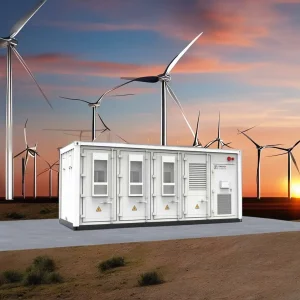
From the mega-factories in Germany to the remote mining operations in Australia, optimized solar storage is being used to achieve Peak Shaving, Load Shifting, and Grid Frequency Regulation. For global C&I (Commercial & Industrial) users, the focus has shifted toward high-voltage systems (512V and above) and liquid-cooling technologies which provide superior thermal stability and longer cycle life compared to traditional air-cooled units.
China controls over 70% of the lithium-ion battery supply chain. Factories in Shenzhen and Guangdong benefit from "Vertical Integration," sourcing cells, BMS, and inverters within a 100km radius, drastically reducing lead times and costs.
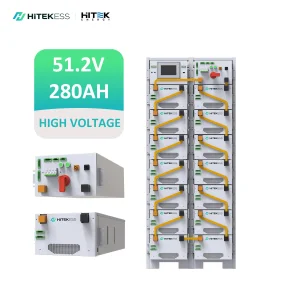
Chinese suppliers like Shenzhen Ansar Energy iterate product designs twice as fast as Western counterparts. Our ability to implement 280Ah and 314Ah high-capacity cells into standard racks gives us a significant "Information Gain" in energy density.
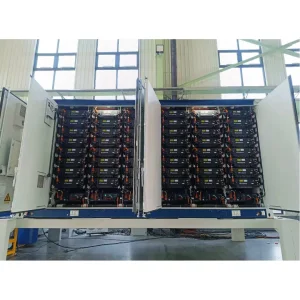
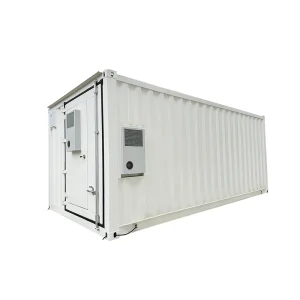
Modern production lines utilize AI-driven laser welding and automated cell sorting, ensuring that every 100kWh or 1MWh containerized BESS has perfectly matched cell resistance, maximizing lifespan to over 6,000 cycles.
| Scenario | Critical Requirement | Recommended Solution |
|---|---|---|
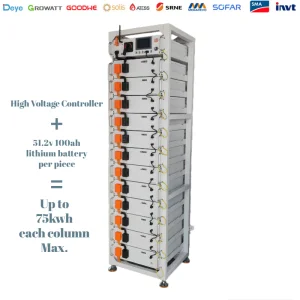
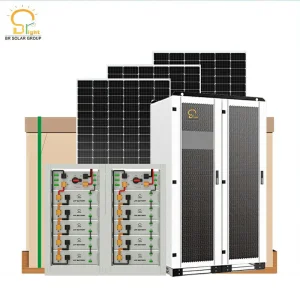
| Data Centers | Millisecond response & High Reliability | High-Voltage 512V UPS-Compatible Lithium Racks |
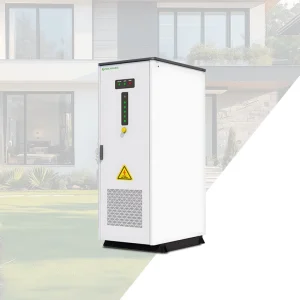
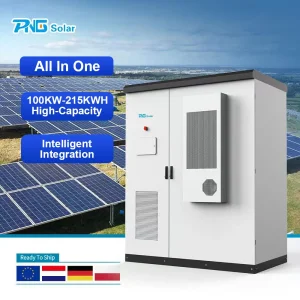
| Agricultural Microgrids | Dust/Moisture resistance & All-weather use | IP65 Outdoor All-in-One 150kWh+ Cabinet |
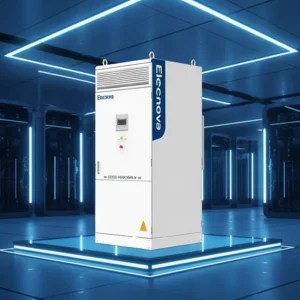
| EV Charging Stations | High Discharge Rate (C-Rating) | 215kWh Liquid Cooled Modular BESS |
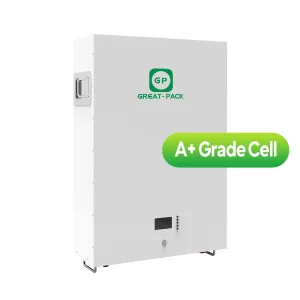
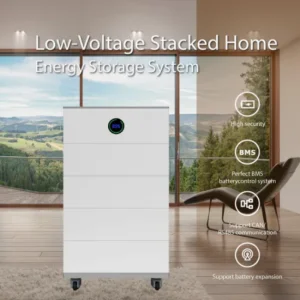
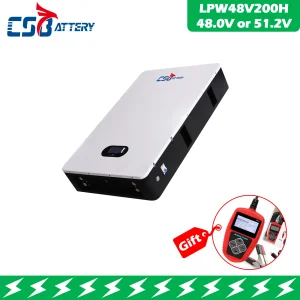
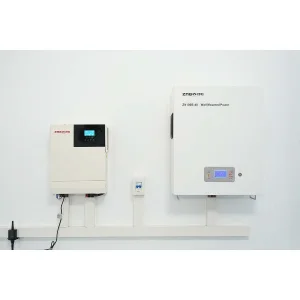
| Residential Smart Homes | Aesthetics & Ease of Installation | 10kWh Wall-Mounted LiFePO4 Powerwall |
By understanding these specific "User Intents," China-based suppliers are no longer just selling "batteries"; they are delivering Optimized Power Ecosystems. For instance, in regions with high utility demand charges, our EMS (Energy Management System) is programmed for "Time-of-Use" optimization, automatically discharging during peak hours to save industrial clients up to 40% on monthly bills.
Shenzhen Ansar Energy Co., Ltd. is a professional manufacturer specializing in solar energy storage batteries and integrated renewable energy solutions for residential, commercial, and industrial applications. Established in 2015 and headquartered in Shenzhen, Guangdong Province, China, the company is committed to supporting the global transition toward sustainable energy through advanced battery storage technologies and intelligent power management systems.
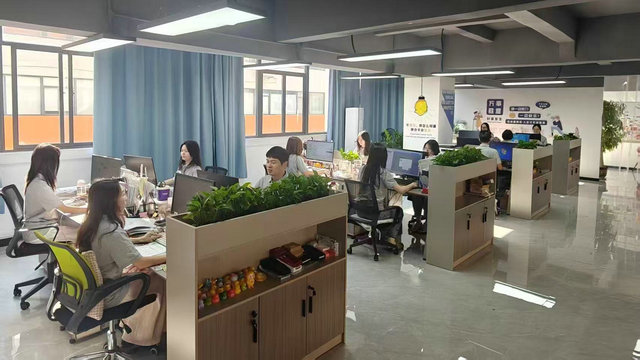
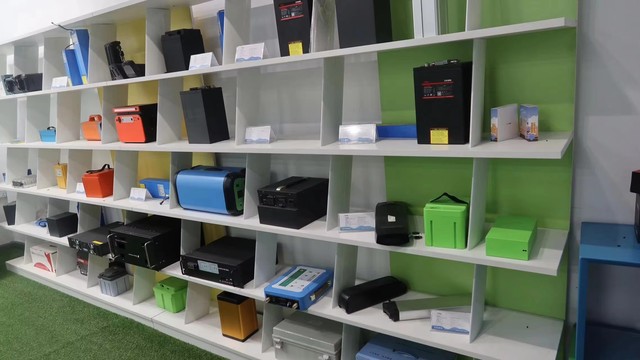
With a modern manufacturing facility covering more than 18,000 square meters and a workforce of over 250 employees, Ansar Energy serves customers across international renewable energy markets. Their core product portfolio includes everything from residential 5kWh units to massive 5MWh containerized systems.
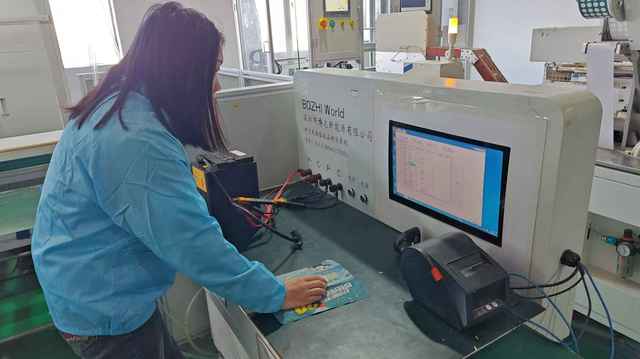
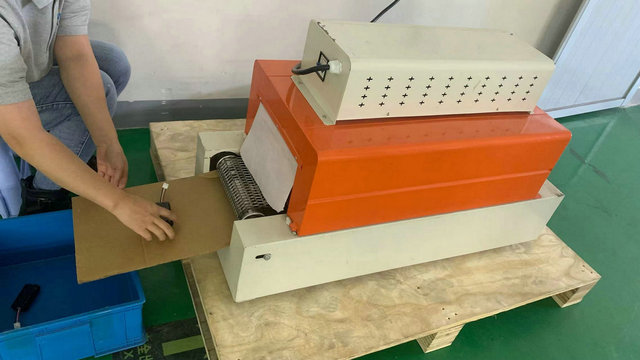
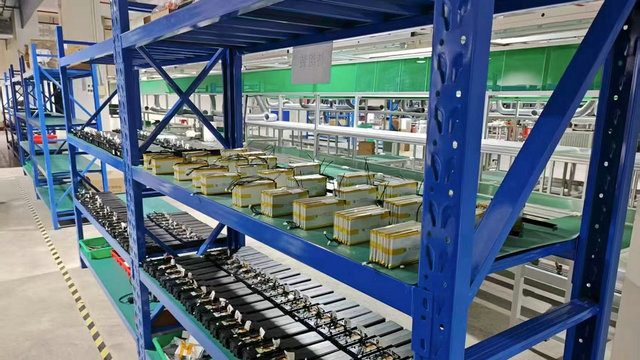
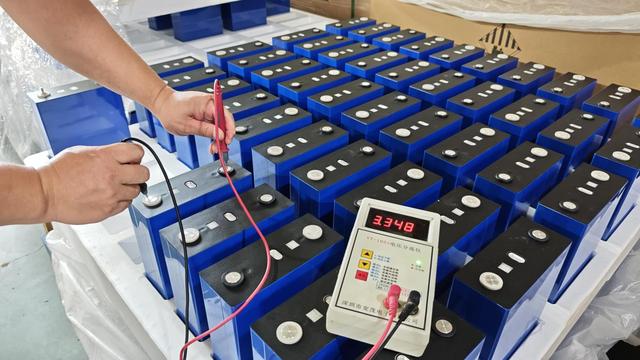
Ansar Energy operates advanced battery assembly lines, testing laboratories, and quality control facilities equipped with modern manufacturing technologies. The company follows strict quality management procedures throughout product design, cell integration, system assembly, testing, and final inspection to ensure dependable performance, safety, and long-term reliability.
What defines a "Top Supplier" in 2025? It's not just the hardware; it's the Information Increment provided through software integration. Here are the three trends dominating the industry:
While LiFePO4 remains the king of ROI, semi-solid-state batteries are beginning to enter the commercial pilot phase, offering 20% higher energy density and enhanced fire safety.
Systems are now designed to communicate with grid operators, allowing businesses to "sell back" stored energy during grid stress events, creating a secondary revenue stream.
Next-gen BMS uses machine learning to predict cell failure 100 cycles in advance, moving from reactive maintenance to proactive health management.
 Ansar Energy