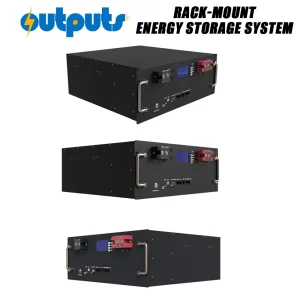
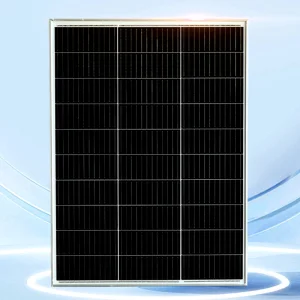
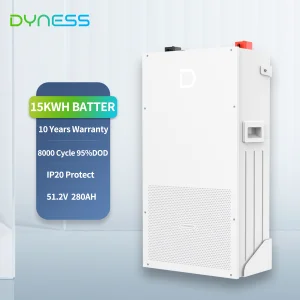
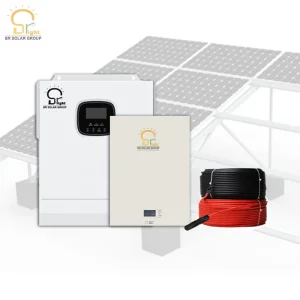
The global transition to zero-emission operational structures has shifted energy procurement from a simple utility-driven model to a strategic corporate imperative. Modern commercial and industrial (C&I) enterprises, alongside utilities and public sector institutions, face mounting pressure to decarbonize their value chains (Scope 1, 2, and 3 emissions) while ensuring operational resilience. At the center of this dynamic is the demand for scalable, high-performance battery energy storage systems (BESS) capable of turning intermittent solar generation into dispatchable green power.
Enterprise procurement managers prioritising ESG objectives look beyond basic cost-per-kilowatt-hour metrics. Today's procurement frameworks require detailed assessments of Levelized Cost of Storage (LCOS), long-term cycle reliability (typically over 6,000 deep-discharge cycles), and compliance with strict safety standards such as UL 9540A and IEC 62619. In addition, global supply chains require modularity and localized serviceability to minimize downtime. As global grids face instability due to extreme weather and shifting generation profiles, high-capacity lithium iron phosphate (LiFePO4) systems have emerged as the standard for commercial microgrids, off-grid generation nodes, and industrial emergency backup arrays.
Decarbonization looks different across sectors. Our engineering teams design specialized platforms that address the unique technical constraints of residential, commercial, industrial, and telecommunications infrastructure.
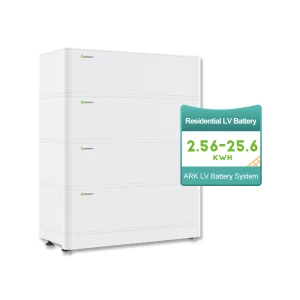
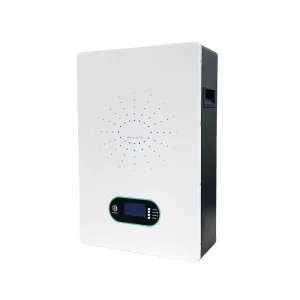
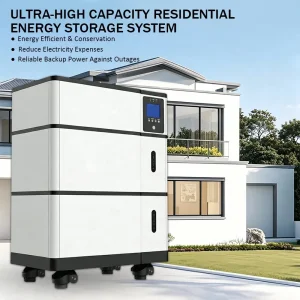
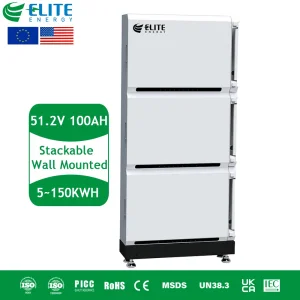
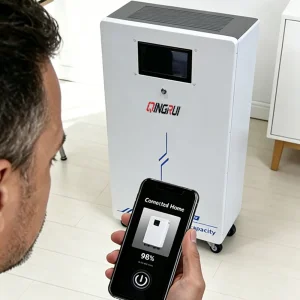
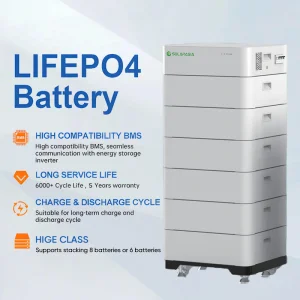
Stackable and wall-mounted energy storage systems enable homeowners to optimize self-consumption from PV arrays. By integrating hybrid inverters, residential buildings achieve reliable backup capabilities during grid outages, reducing peak-tariff reliance and energy costs.
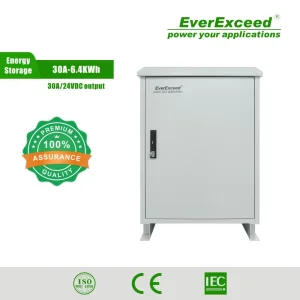
Industrial complexes use large-scale battery systems to shave peak demand spikes, avoiding costly utility demand charges. Storing excess solar power during peak generation hours and discharging it during peak utility price intervals optimizes the facility's overall energy load profile.
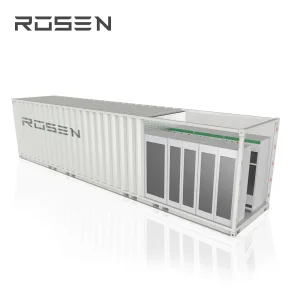
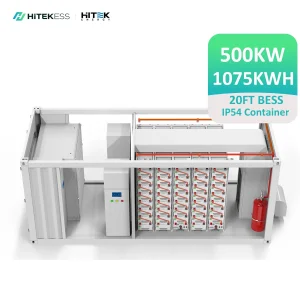
For remote areas, isolated communities, and utility-scale solar projects, our 20ft and 40ft containerized LiFePO4 systems deliver multi-megawatt capacity. They stabilize distribution networks, absorb transient overvoltage, and ensure reliable continuous power.
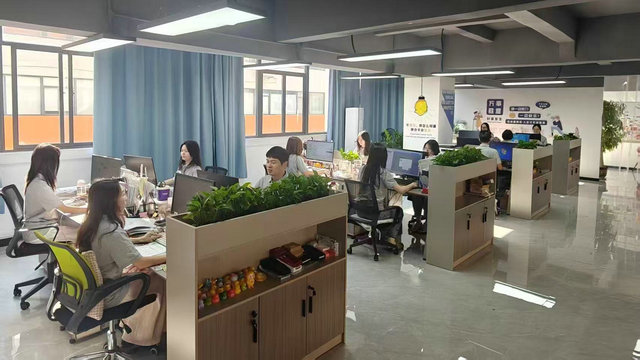
Shenzhen Ansar Energy Co., Ltd. is a professional manufacturer specializing in solar energy storage batteries and integrated renewable energy solutions for residential, commercial, and industrial applications. Established in 2015 and headquartered in Shenzhen, Guangdong Province, China, the company is committed to supporting the global transition toward sustainable energy through advanced battery storage technologies and intelligent power management systems. With a modern manufacturing facility covering more than 18,000 square meters and a workforce of over 250 employees, Ansar Energy serves customers across international renewable energy markets.
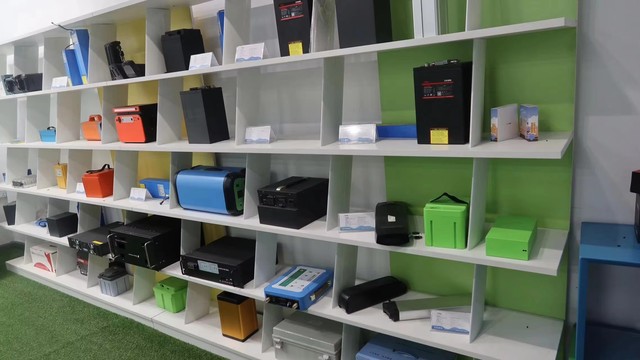
The company's core product portfolio includes solar energy storage batteries, residential energy storage systems, commercial battery storage solutions, industrial energy storage systems, off-grid solar battery systems, hybrid energy storage solutions, backup power batteries, lithium battery packs, and smart battery management systems. These products are widely used in residential solar installations, commercial buildings, industrial facilities, microgrid projects, telecommunications infrastructure, emergency backup power applications, and renewable energy integration projects.
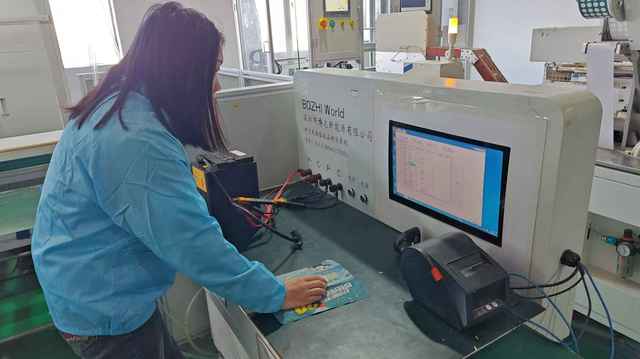
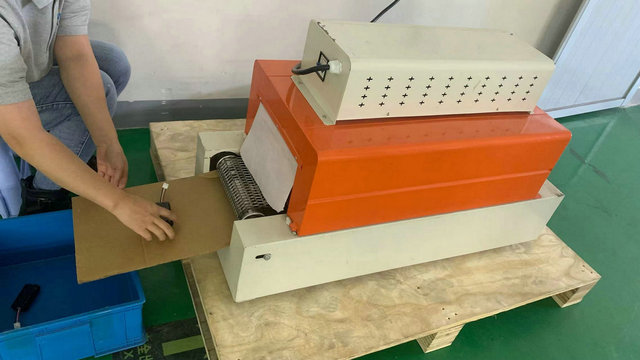
Ansar Energy operates advanced battery assembly lines, testing laboratories, and quality control facilities equipped with modern manufacturing technologies. The company follows strict quality management procedures throughout product design, cell integration, system assembly, testing, and final inspection to ensure dependable performance, safety, and long-term reliability. Continuous investment in research and development enables the company to improve energy efficiency, battery lifespan, and system intelligence.
In addition to standard products, Ansar Energy provides OEM and ODM manufacturing services, offering customized battery capacities, system configurations, branding solutions, and project-specific energy storage designs. The company collaborates closely with solar installers, energy developers, distributors, and system integrators worldwide.
Driven by innovation, sustainability, and customer-focused engineering, Shenzhen Ansar Energy Co., Ltd. is dedicated to delivering reliable solar energy storage solutions that help customers achieve greater energy independence, operational efficiency, and long-term renewable energy value.
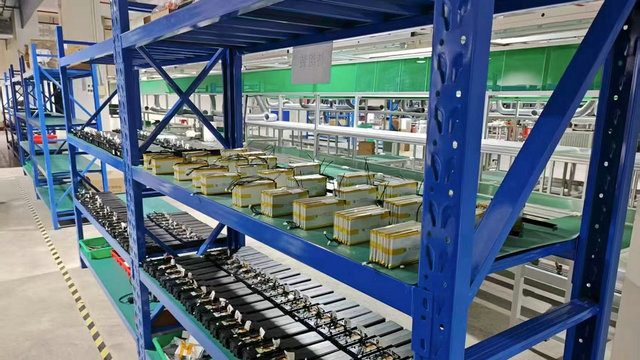
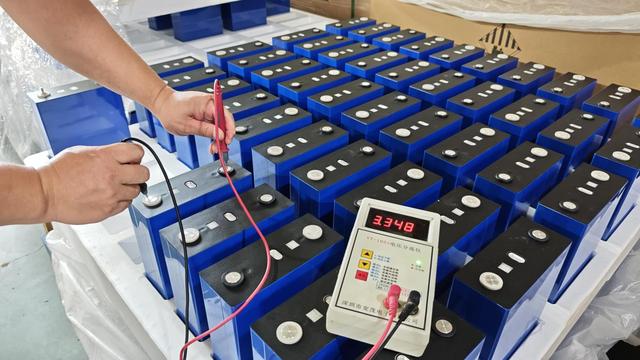
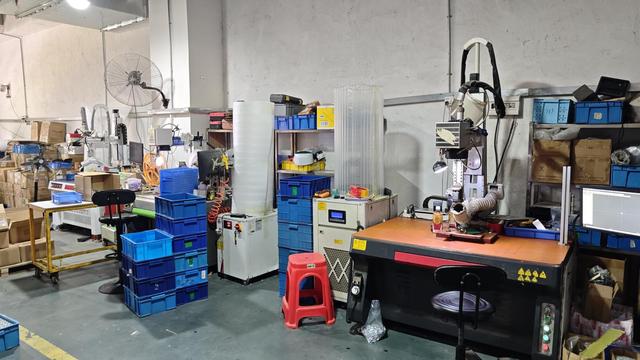
As battery chemistry and smart energy management evolve, our R&D roadmap focuses on improving efficiency, increasing energy density, and enhancing thermal safety across all energy storage systems.
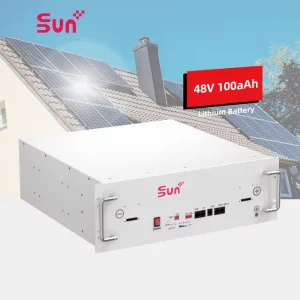
Transitioning modular home storage systems from low-voltage (48V) to high-voltage (>300V) stacked structures. This design reduces conversion losses, simplifies wiring, and uses multi-tier active-balancing Battery Management Systems (BMS) to optimize cell life.
Integrating cloud-connected Energy Management Systems (EMS) that use predictive machine learning models to forecast solar generation profiles, load requirements, and battery aging patterns. This feature allows for predictive thermal management and optimized grid interactions.
Adapting solid-state and sodium-ion cells for specific commercial and industrial applications. This technology offers improved safety in extreme temperatures and reduces reliance on critical raw materials like lithium and cobalt.
Deploying energy storage assets worldwide requires strict adherence to regional grid codes, safety regulations, and shipping protocols. All Ansar Energy battery products are engineered to comply with major international directives, ensuring fast customs clearance and straightforward on-site inspections.
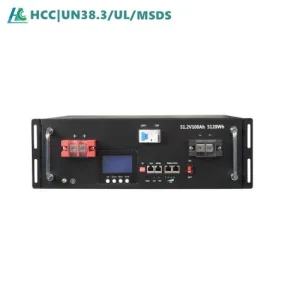
Our systems meet international standards including IEC 62619 for industrial LFP cell safety, CE / EN directives for European grid compatibility, and UN38.3 packaging guidelines for safe logistics of Class 9 dangerous goods.
We support project developers with customized capacity configurations, customized communication protocols (CANbus, RS485, Modbus), and custom-engineered mounting solutions designed for specific environmental conditions.
We cooperate with certified DG logistics networks to provide door-to-door delivery, handling import customs clearances, MSDS documents, and localized warranty and engineering support.
 Ansar Energy