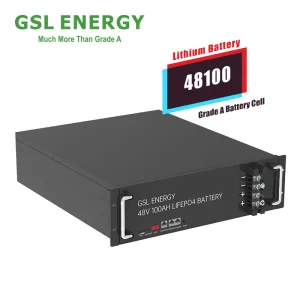
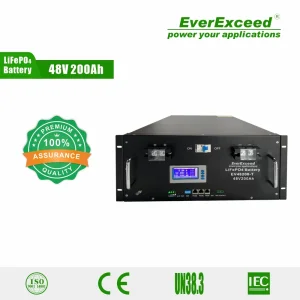
South Korea is one of the world's most sophisticated markets for Energy Storage Systems (ESS). Driven by the government's "Renewable Energy 3020 Implementation Plan," the nation aims to increase the share of renewables to 20% by 2030. This shift creates a massive demand for reliable, high-density rack-mounted LiFePO4 batteries.
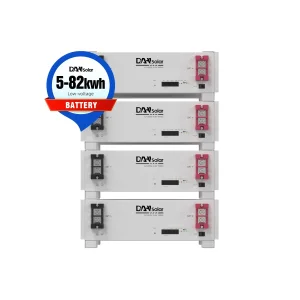
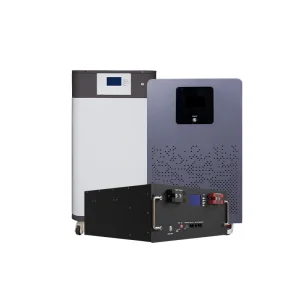
Korean conglomerates (Chaebols) like Samsung, SK, and LG are accelerating their RE100 commitments. Our rack-mounted batteries provide the modular scalability needed for industrial facilities to store onsite solar energy and reduce carbon footprints.
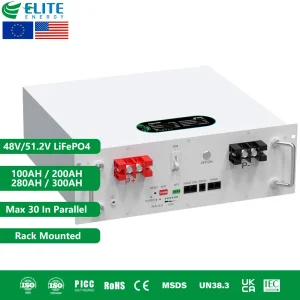
With Korea's progressive electricity tariffs for industrial users, our 48V/51.2V systems allow businesses in Gyeonggi-do and Incheon to store energy during off-peak hours and discharge during expensive peak periods.
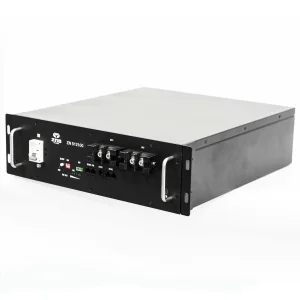
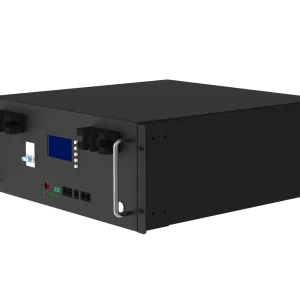
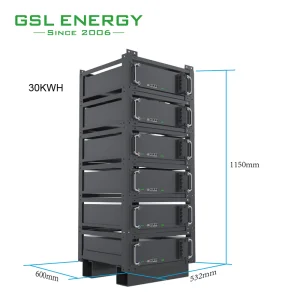
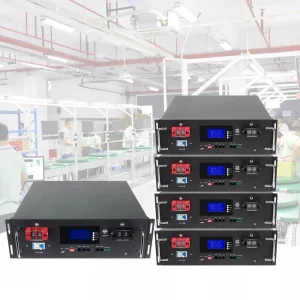
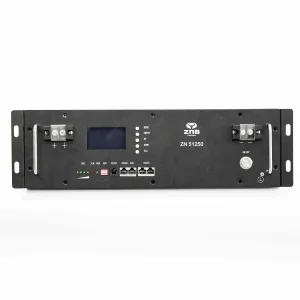
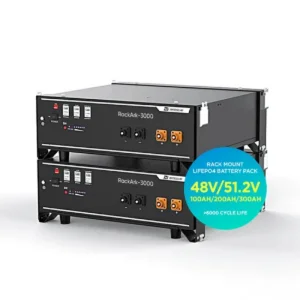
In high-density cities like Seoul, space is a premium. The rack-mounted design (3U/4U) allows for vertical stacking in standard server cabinets, maximizing kWh per square meter in commercial basements.
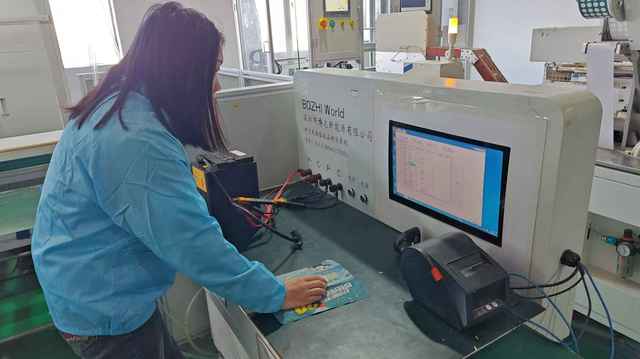
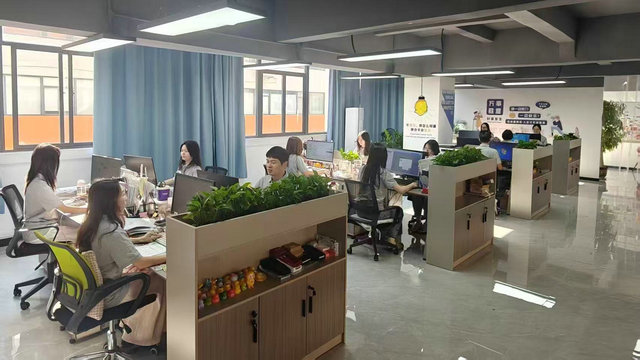
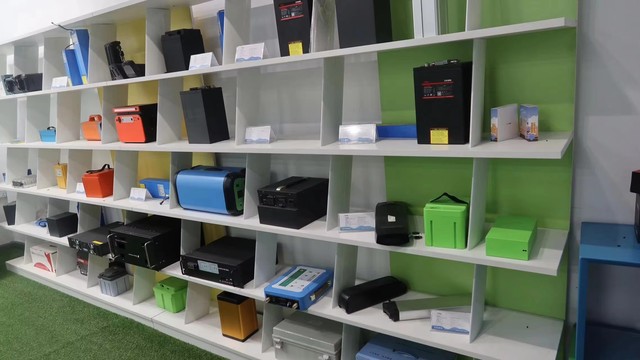
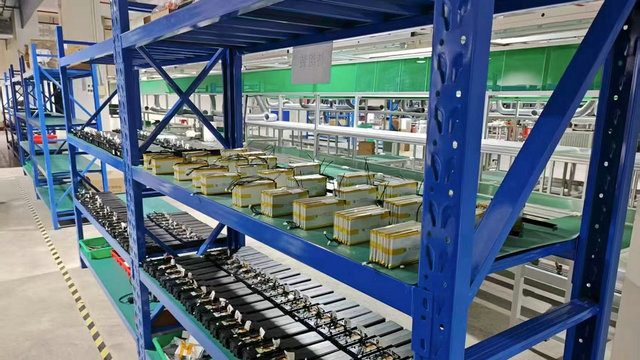
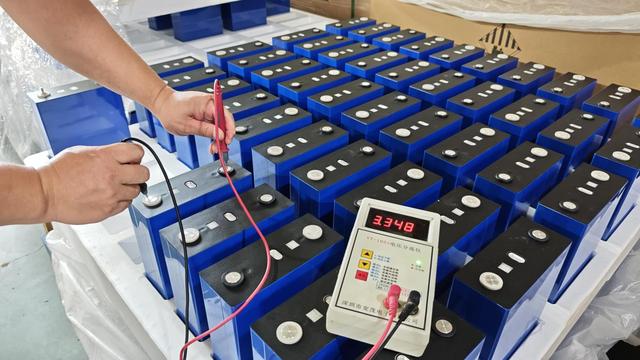
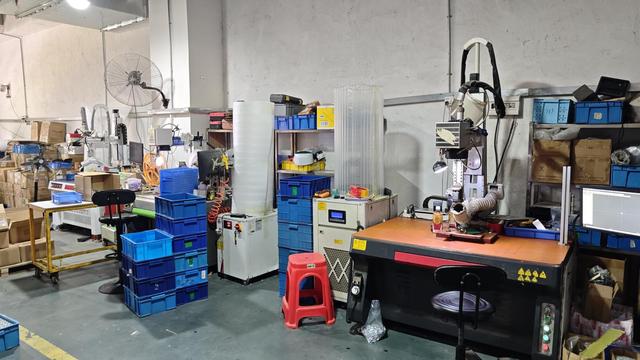
Established in 2015, Ansar Energy has emerged as a leader in the lithium battery sector. Our 18,000 sqm facility in Shenzhen utilizes Grade-A LiFePO4 cells to ensure 6,000+ cycle life—meeting the rigorous quality expectations of the South Korean market.
As Jeju Island and Seoul expand EV infrastructure, our rack-mounted batteries act as a "Buffer" to prevent grid strain during rapid charging cycles.
Providing 24/7 stable power for climate-controlled greenhouses, ensuring that the high-value produce is never at risk from power outages.
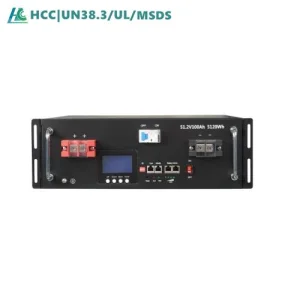
South Korea's world-leading 5G density requires compact backup power. Our 3U 100Ah units fit perfectly in standard telecom racks.
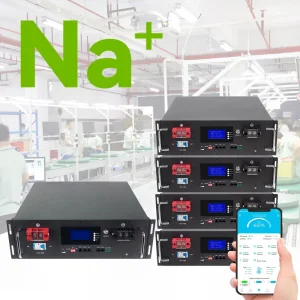
The industry is moving beyond standard Lithium-Ion. We are pioneers in Sodium-Ion Rack Mounted Batteries (as seen in our 48V 200Ah models), which offer superior performance in cold climates—perfect for the harsh winters in Gangwon-do.
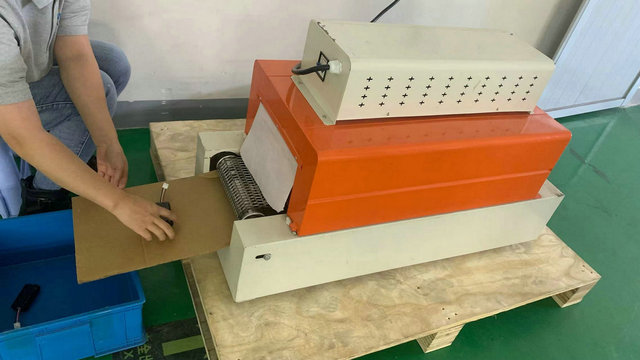
We are dedicated to delivering reliable solar energy storage solutions that help our Korean customers achieve greater energy independence and long-term renewable energy value.
 Ansar Energy