As of 2024, Ghana stands at a critical juncture in its energy evolution. With electricity demand growing at an average of 10% annually, the national grid—managed by the Electricity Company of Ghana (ECG) and NEDCo—faces significant challenges in reliability and peak load management. For Ghanaian businesses in Accra, Kumasi, and Takoradi, power outages are more than an inconvenience; they are a direct threat to operational continuity.
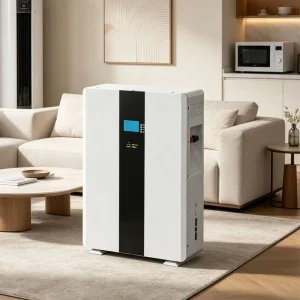
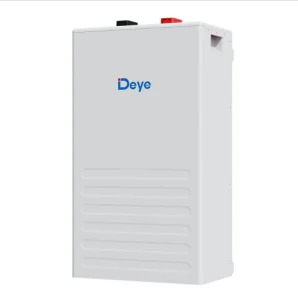
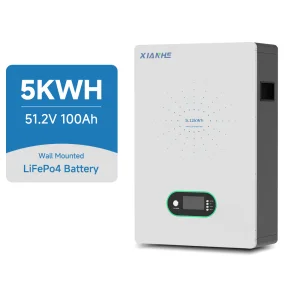
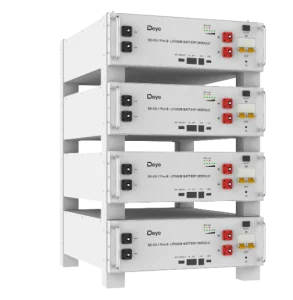
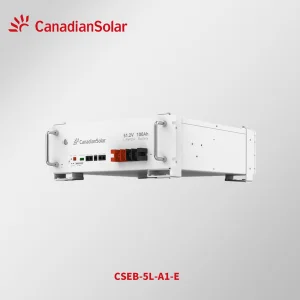
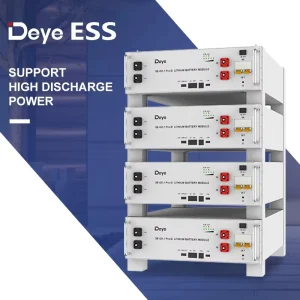
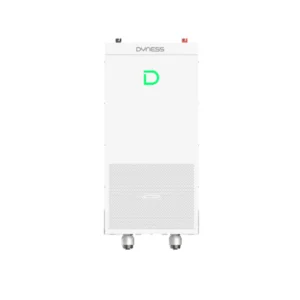
Low voltage (LV) solar battery systems, typically operating at 48V or 51.2V, have emerged as the "Golden Standard" for the West African market. Unlike high-voltage systems, LV batteries offer superior safety profiles for residential installations, ease of scalability, and universal compatibility with the dominant hybrid inverter brands found across Ghana, such as Deye, Growatt, and Victron.
The global shift from Lead-Acid to Lithium Iron Phosphate (LiFePO4) is nowhere more apparent than in Ghana’s solar market. Our technical roadmap focuses on three pillars: Safety, Smart Management, and Long-Term LCOE (Levelized Cost of Energy).
The tropical climate of Ghana presents unique thermal challenges. Our low voltage batteries are equipped with intelligent BMS that monitors cell-level temperature, voltage, and current. With integrated WiFi and CAN/RS485 communication protocols, users in Ghana can monitor their battery health via mobile apps, ensuring that systems in remote locations are always operating within safe parameters.
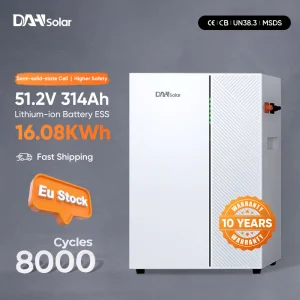
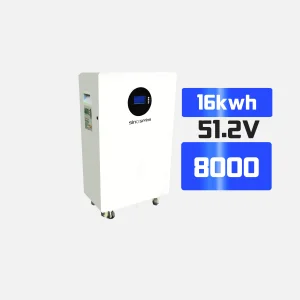
By leveraging high-capacity 314Ah cells (as seen in our 16kWh models), we reduce the number of internal connections, thereby decreasing internal resistance and heat generation. This "Information Gain" in technical design directly translates to higher efficiency for Ghanaian end-users who deal with high ambient temperatures.
Shenzhen Ansar Energy Co., Ltd. is not just a manufacturer; we are a strategic partner for Ghanaian solar distributors and EPC contractors. Our 18,000+ square meter facility in Shenzhen utilizes semi-automated assembly lines to ensure precision that manual factories cannot match.
Supply Chain Resilience: We understand the logistical hurdles of shipping to Tema or Takoradi ports. Our export department specializes in optimized container loading and provides all necessary documentation, including UN38.3, CE, and IEC certifications, ensuring smooth customs clearance through the Ghana Revenue Authority (GRA).
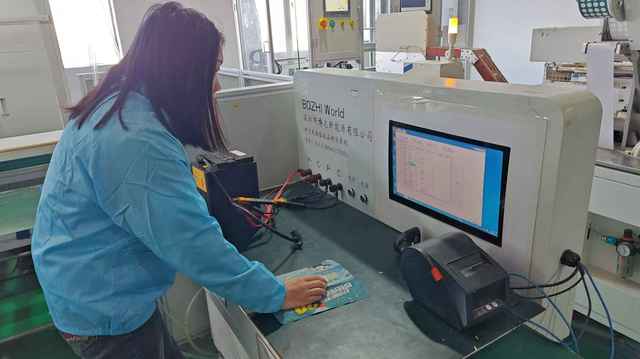
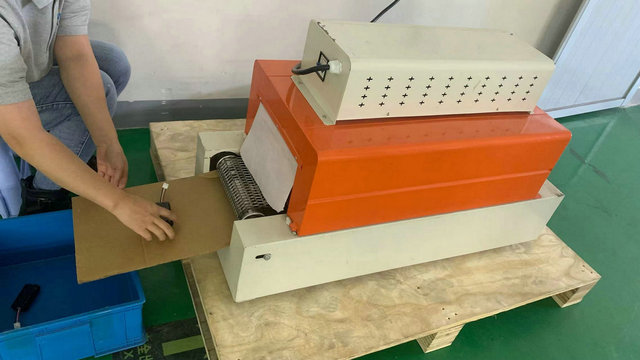
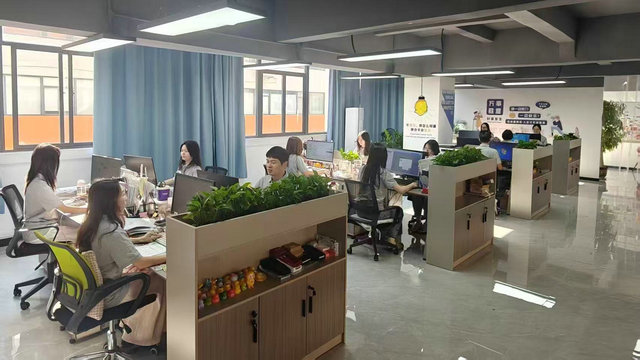
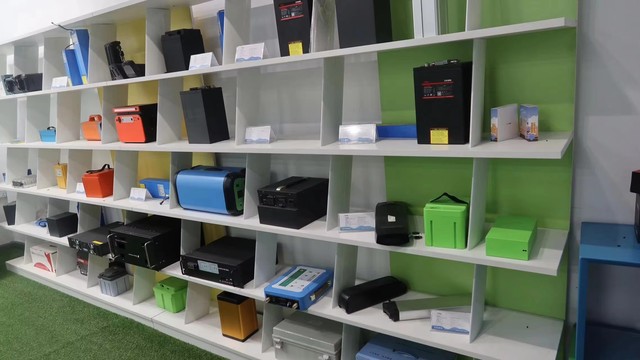
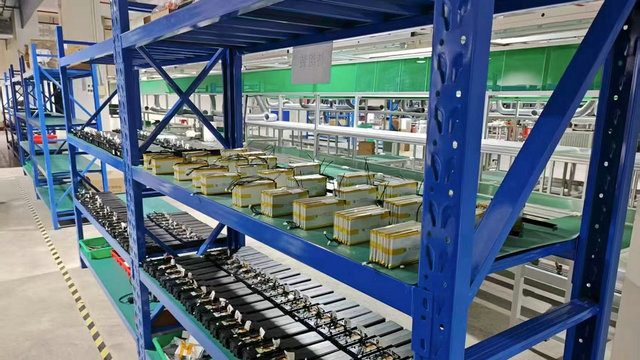
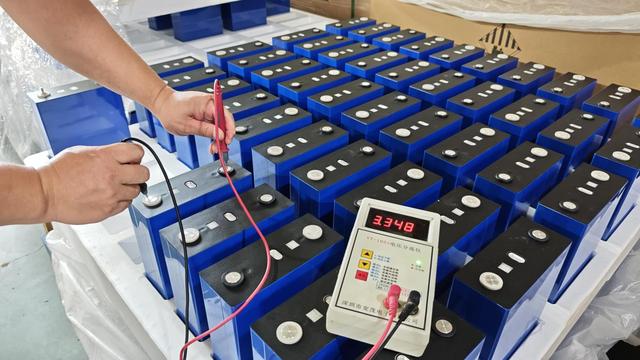
Our factory’s E-E-A-T (Experience, Expertise, Authoritativeness, and Trustworthiness) is backed by 10 years of R&D. We offer OEM/ODM services, allowing Ghanaian brands to customize battery enclosures to withstand local humidity and dust conditions (IP65 rated solutions).
Navigating the Ghanaian energy market requires adherence to specific standards. Our batteries are designed to meet and exceed the requirements set by the Ghana Standards Authority (GSA) and the Energy Commission of Ghana.
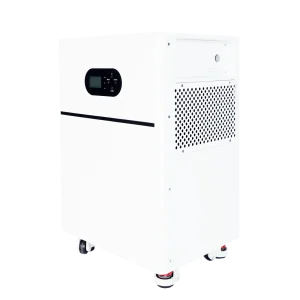
While high temperatures can stress batteries, our LiFePO4 chemistry is significantly more resilient than lead-acid. Coupled with our active cooling designs and smart BMS thermal throttling, our batteries maintain a 10+ year lifespan even in coastal or inland Ghana.
Yes. Our low voltage (48V/51.2V) systems are designed for universal compatibility. They work seamlessly with Deye, Sunsynk, Growatt, Victron, and Phocos inverters, which are widely available in the Ghanaian market.
Typically, sea freight from Shenzhen to Tema takes between 35 to 45 days. We handle all export documentation to ensure there are no delays at the origin.
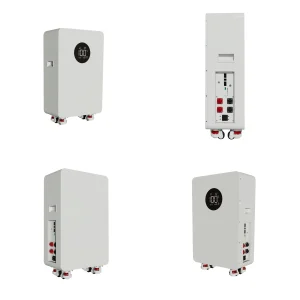
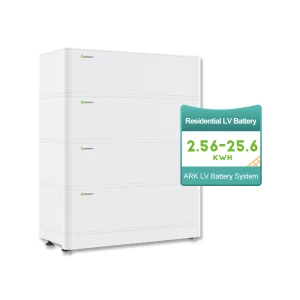
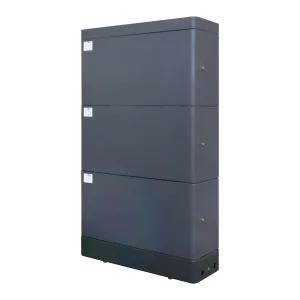
Absolutely. Our stackable and wall-mounted units support parallel connection of up to 15-50 units (depending on the model), allowing your energy storage to grow as your business or household needs expand.
Connect with Shenzhen Ansar Energy today for wholesale pricing, technical specifications, and logistics support for the Ghanaian market.
Send Inquiry Now Ansar Energy