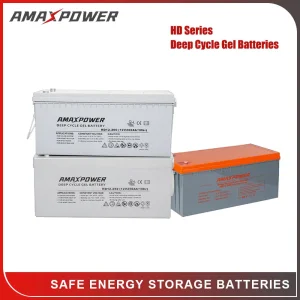
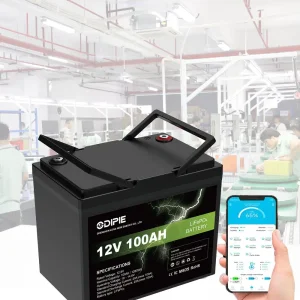
As Tokyo marches toward its "Zero Emission Tokyo" strategy, the demand for deep cycle solar batteries has transcended simple residential storage. The metropolitan area is currently witnessing a massive integration of Distributed Energy Resources (DER). In a city where real estate is at a premium and energy reliability is non-negotiable, deep cycle batteries serve as the backbone for both decarbonization and seismic disaster resilience.
The Tokyo Metropolitan Government (TMG) has recently mandated solar panels for new homes. This policy shift has catalyzed a 400% increase in demand for compact, high-energy-density LiFePO4 and Gel Deep Cycle batteries that can withstand Tokyo's seasonal humidity and temperature fluctuations.
Globally, the transition from traditional lead-acid to lithium-iron phosphate (LiFePO4) is accelerating. With the global solar battery market projected to reach $25B by 2030, Tokyo-based exporters are focusing on "Information Gain"—providing smarter, AI-integrated BMS (Battery Management Systems) that optimize cycle life and safety.
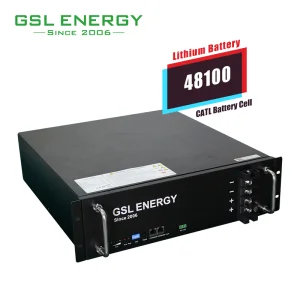
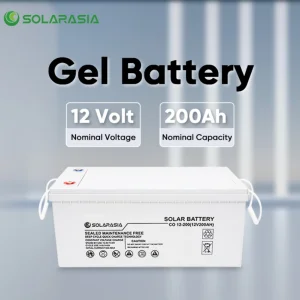
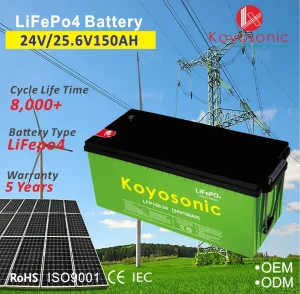
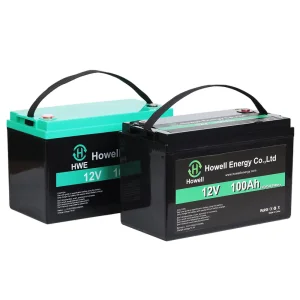
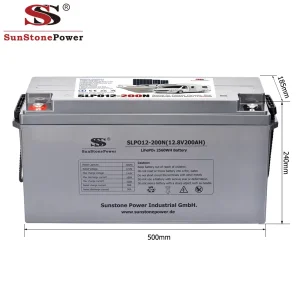
Modern deep cycle technology is no longer a "dumb" storage medium. Our latest exports to Tokyo feature Graphene-enhanced plates for Gel batteries and Grade-A Prismatic cells for LiFePO4 systems. The technical roadmap focuses on three pillars: Safety, Longevity, and Smart Integration.
For Tokyo's industrial sector, we are pioneering Liquid Cooling Battery Systems that prevent thermal runaway in high-density data centers. Future outlooks suggest a merger of EV-to-Grid (V2G) technology, where the deep cycle battery in your Tokyo facility can trade energy back to the TEPCO grid during peak demand hours, creating a secondary revenue stream for business owners.
Providing seamless UPS transitions for Tokyo's private clinics, ensuring surgical equipment and refrigerated medicines remain active during grid instability.
Powering signal systems and emergency lighting for Tokyo’s private rail networks using high-cycle Gel batteries for maximum reliability.
Peak-shaving solutions for Shinjuku and Roppongi commercial towers, reducing electricity costs by discharging stored solar energy during expensive peak hours.
Corrosion-resistant deep cycle batteries for electric propulsion and onboard power for vessels operating around Tokyo Bay and the Sumida River.
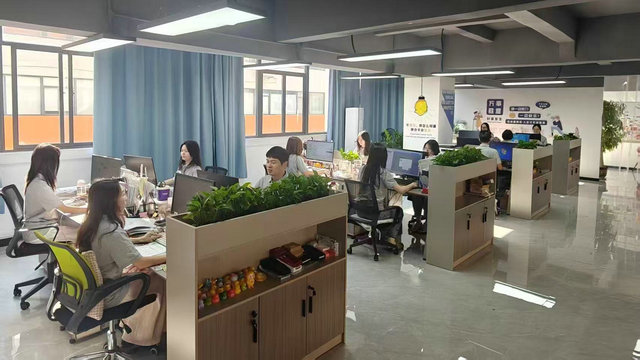
Shenzhen Ansar Energy Co., Ltd. is a professional manufacturer specializing in solar energy storage batteries and integrated renewable energy solutions for residential, commercial, and industrial applications. Established in 2015 and headquartered in Shenzhen, Guangdong Province, China, the company is committed to supporting the global transition toward sustainable energy through advanced battery storage technologies and intelligent power management systems.
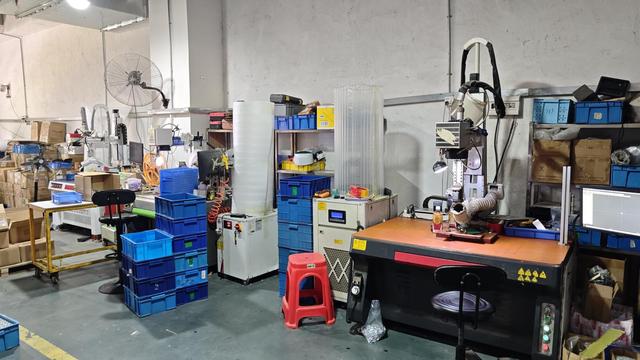
With a modern manufacturing facility covering more than 18,000 square meters and a workforce of over 250 employees, Ansar Energy serves customers across international renewable energy markets, including major distributors in Tokyo and the Kanto region.
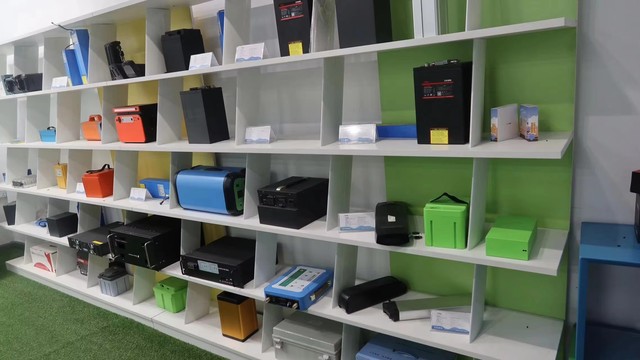
The company's core product portfolio includes solar energy storage batteries, residential energy storage systems, commercial battery storage solutions, industrial energy storage systems, off-grid solar battery systems, and hybrid energy storage solutions. Our products are widely used in residential solar installations, commercial buildings, industrial facilities, microgrid projects, and telecommunications infrastructure.
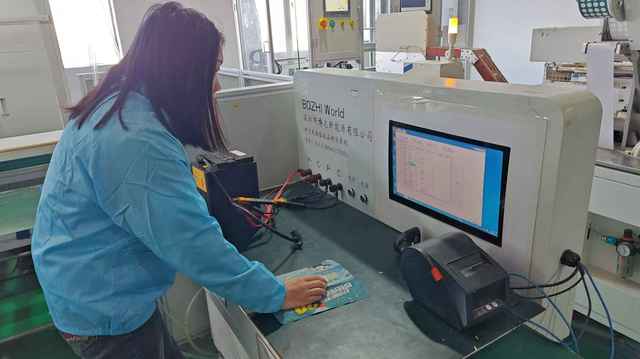
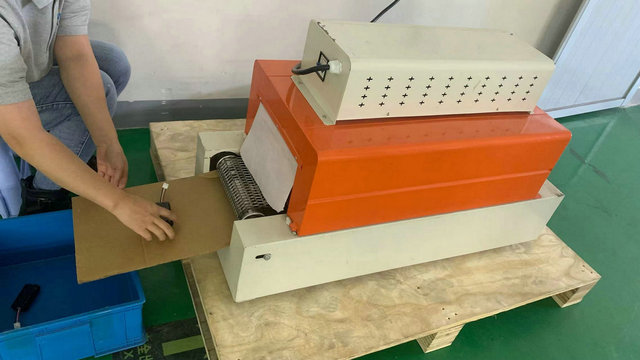
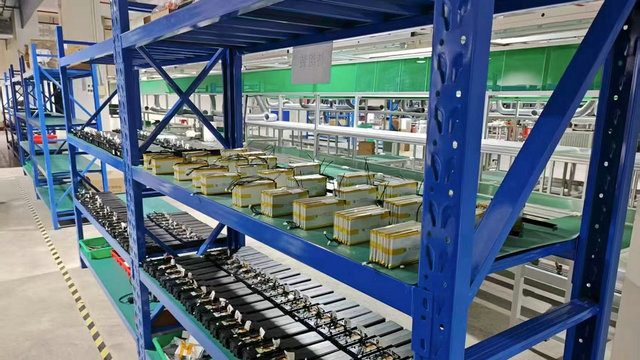
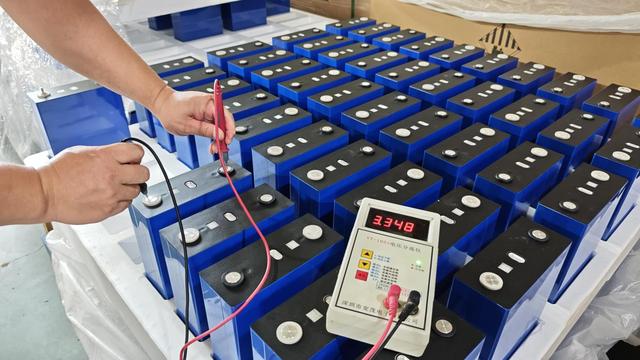
Ansar Energy operates advanced battery assembly lines, testing laboratories, and quality control facilities equipped with modern manufacturing technologies. The company follows strict quality management procedures throughout product design, cell integration, system assembly, testing, and final inspection to ensure dependable performance, safety, and long-term reliability. Continuous investment in research and development enables the company to improve energy efficiency, battery lifespan, and system intelligence. In addition to standard products, we provide OEM and ODM manufacturing services, offering customized battery capacities, system configurations, and branding solutions.
In Tokyo's dense urban environment, space and safety are paramount. LiFePO4 batteries offer triple the energy density of lead-acid, allowing for compact installations in balconies or small utility closets. Furthermore, they are non-combustible, meeting Tokyo's stringent building safety codes.
Our export models for the Tokyo market feature IP65-rated enclosures and conformal coating on the BMS circuitry. This prevents corrosion from the high humidity levels typical of Tokyo's summer and coastal regions.
Given the high cost of electricity in the TEPCO service area, commercial entities typically see an ROI within 5 to 7 years through peak-shaving and government incentives for renewable energy transition.
Yes, we provide comprehensive technical documentation, remote BMS diagnostic support, and local partner coordination for large-scale industrial projects in the Kanto region.
 Ansar Energy