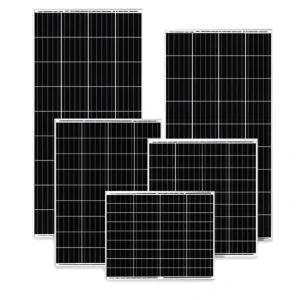
Engineered for deep-cycle reliability, high round-trip efficiency, and heavy-duty C&I performance.
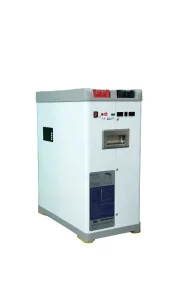
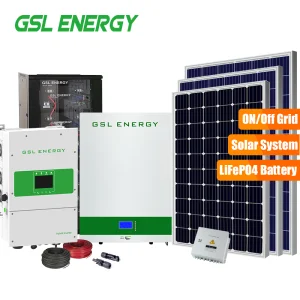
Founded in 2015 and headquartered in the high-tech hub of Shenzhen, Guangdong Province, China, Shenzhen Ansar Energy Co., Ltd. has emerged as a professional manufacturer specializing in solar energy storage batteries and integrated renewable energy solutions for residential, commercial, and industrial (C&I) applications. The company is committed to supporting the global transition toward sustainable energy through advanced battery storage technologies and intelligent power management systems.
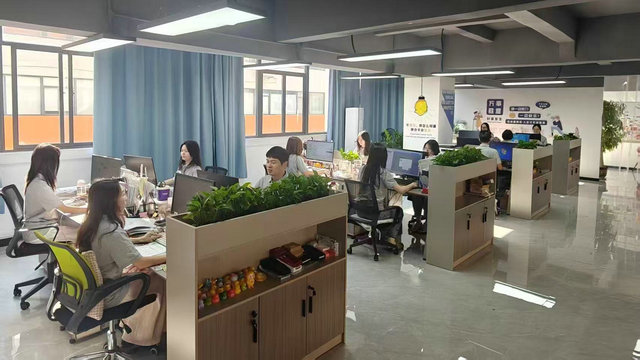
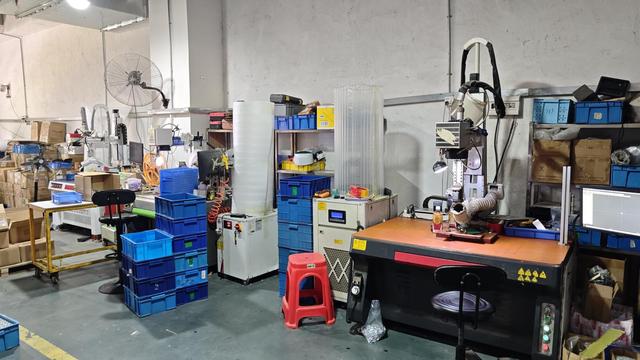
With a modern manufacturing facility covering more than 18,000 square meters and a dedicated workforce of over 250 skilled employees, Ansar Energy serves customers across international renewable energy markets. Driven by innovation, sustainability, and customer-focused engineering, we deliver reliable solar energy storage solutions that help customers achieve greater energy independence, operational efficiency, and long-term renewable energy value.
The transition from traditional centralized grid systems to decentralized microgrids has accelerated. Instabilities in regional utility grids, combined with rising demand for decarbonization, are driving the massive adoption of Commercial & Industrial (C&I) Energy Storage Systems (BESS). Globally, industries are integrating utility-scale containerized systems to offset heavy peak tariff rates (peak shaving) and maintain continuity of operations during power disturbances.
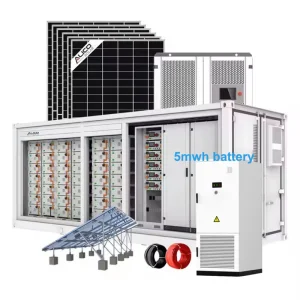
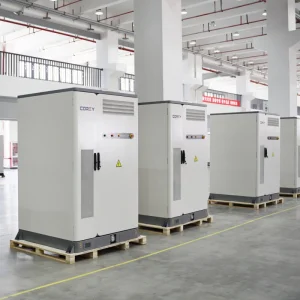
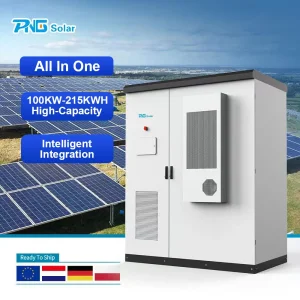
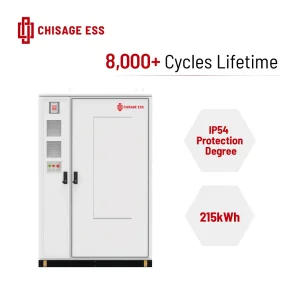
Unlike residential storage, C&I off-grid solutions require robust mechanical design, highly sensitive Energy Management Systems (EMS), and high-voltage architectures. Standardized architectures like the 100kw/215kwh and containerized 0.5MW/1.075MWh modular solutions have become the industry benchmark. They allow enterprises to run high-load machinery, deep-well pumps, and heavy data servers without grid dependency.
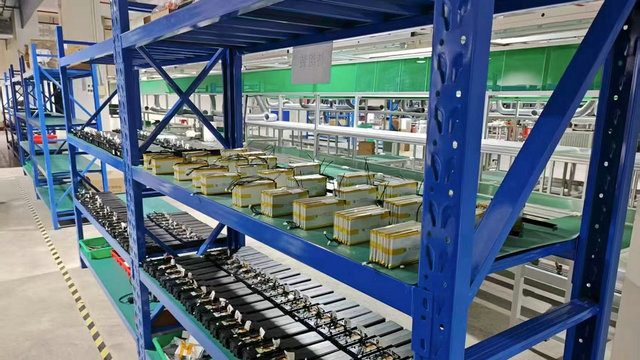
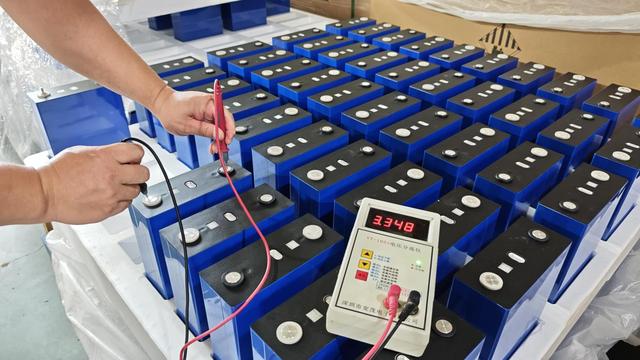
Operating within Shenzhen, the epicentre of the global lithium battery supply chain, Ansar Energy leverages unmatched raw material sourcing, automated assembly machinery, and top-tier engineering talent. The proximity to premium chemical raw materials and cell manufacturers allows us to run stringent quality audits on our LiFePO4 cells.
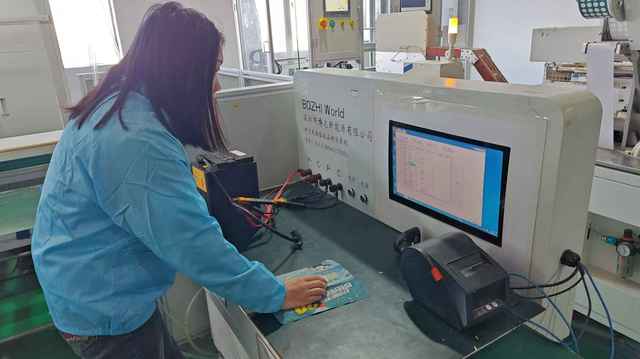
Our facility integrates state-of-the-art testing labs where cells undergo rigorous capacity matching, internal resistance tests, and thermal cycle testing before integration. This ensures that every battery pack, from a residential low-voltage stack to a 1MWh containerized BESS, maintains system symmetry, preventing cell degradation imbalance and maximizing system lifespan to over 6000 cycles at 80% DOD.
Our energy storage solutions are specifically optimized for local challenges across different territories.
For regions experiencing volatile peak electricity pricing, our 100kw/215kwh BESS stores energy during low-tariff hours (or directly from solar panels) and discharges during peak hours. This significantly reduces overall utility costs and improves the payback period of commercial solar investments.
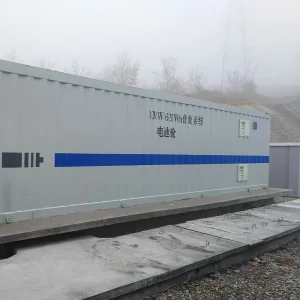
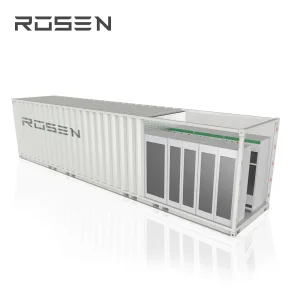
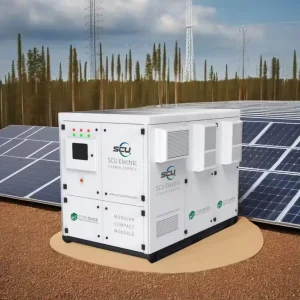
Islands, remote resorts, and mining operations rely heavily on expensive diesel generators. By combining our containerized 0.5MW/1.075MWh systems with solar arrays, developers can build stable off-grid microgrids. This reduces diesel consumption by up to 90% and eliminates fuel logistics challenges.
Telecom base transceiver stations (BTS) demand non-stop uptime in high-temperature, humid, or dusty environments. Our stackable IP65-rated high-voltage LiFePO4 batteries provide resilient backup, optimizing space efficiency while operating maintenance-free for over a decade.
Engineered with built-in thermal mitigation, automated internal heating, and fire suppression systems, Ansar Energy BESS solutions operate seamlessly in freezing sub-zero climates or desert regions, keeping critical grid infrastructure online.
Compare our standard systems designed to meet diverse architectural requirements.
| System Model | Nominal Capacity | Cell Chemistry | Protection Rating | Primary Application |
|---|---|---|---|---|
| Containerized Bess | 0.5MW - 2.0MW / Up to 4MWh | LiFePO4 (LFP) | IP54 / IP55 Outdoor Cabinet | Utility Scale, Industrial Grid, Solar/Wind Hybrids |
| Outdoor Cabinet Bess | 100kW / 215kWh (Air or Liquid Cooling) | LiFePO4 (LFP) | IP54 Outdoor Rated | Commercial Office, Peak Shaving, Microgrid Nodes |
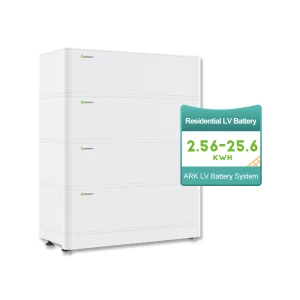
| High Voltage Stackable | 10kWh - 20kWh (Expandable) | LiFePO4 (LFP) | IP65 Enclosure | Residential Back-up, High-voltage Inverter Systems |
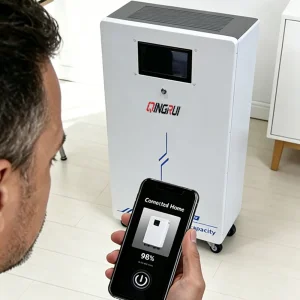
| Modular Power Kits | 3kW - 50kW Complete Systems | LiFePO4 + Inverter Systems | Indoor / IP20 | Off-grid Residential, Farms, Telecom Stations |
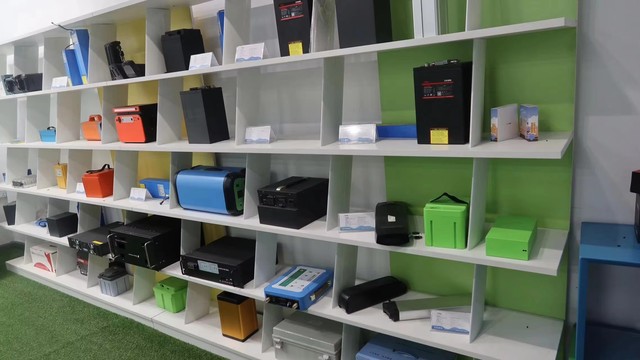
Our complete line of robust lithium and lead-acid replacements engineered for longevity.
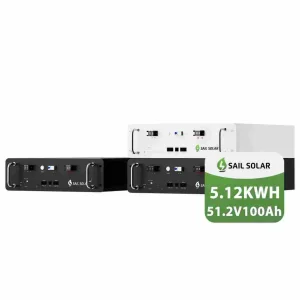
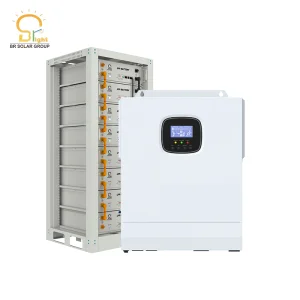
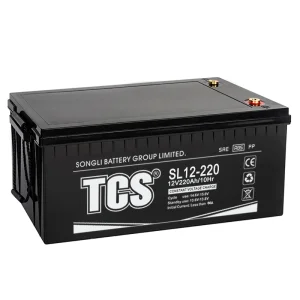
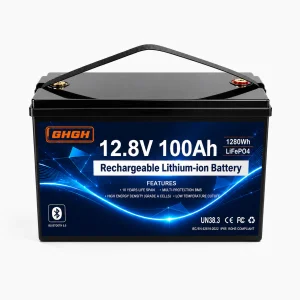
How Ansar Energy adapts technology to meet project-specific engineering criteria.
Beyond standard product dimensions, Shenzhen Ansar Energy Co., Ltd. provides robust OEM and ODM manufacturing services, offering customized battery capacities, system configurations, bespoke enclosure branding, and project-specific energy storage designs. We collaborate closely with solar installers, energy developers, distributors, and system integrators worldwide to transition drawings into functional deployment.
Our customization workflow addresses critical variables: custom voltage thresholds (ranging from low-voltage 48V home batteries to high-voltage 800V+ containerized lines), tailored communication protocols (CAN, RS485, Modbus) for hybrid inverters, and specialized environmental protections (such as heavy-duty NEMA 4X, IP65 enclosures, or C5-corrosion resistant coating for seaside projects).
Our engineering team handles all steps of the project: structural CAD/3D modeling, thermal CFD simulations (guaranteeing that heat distribution in liquid-cooled batteries remains uniform), and custom firmware coding for specific Battery Management Systems. This ensures your customized storage systems align with your local grid compliance requirements.
Technological advancements redefining safety, cost-efficiency, and density.
As the off-grid solar space evolves, several macro-trends are shifting customer requirements globally. First is the shift from low-voltage (48V) to high-voltage (HV) systems in residential and commercial environments. HV setups minimize transmission current, allowing the use of thinner cables and drastically reducing heat generation and energy loss. This results in overall higher round-trip efficiency.
Second is the commercialization of Sodium-ion technologies alongside traditional lithium iron phosphate (LiFePO4). While LiFePO4 remains the choice for energy density and cycle longevity, sodium-ion offers benefits in extremely low temperatures (down to -40°C) and lower raw material costs, making it a viable alternative for specific geographical markets.
Lastly, there is a strong focus on AI-integrated EMS (Energy Management Systems). Standard batteries store energy passively, but intelligent BESS systems analyze weather forecasts, historic consumption profiles, and localized tariff structures to optimize charging and discharging schedules, maximizing ROI.
Key factors utility and industrial buyers must evaluate before purchasing.
Clear, professional answers regarding installation, tech specs, and custom sourcing.
 Ansar Energy