Top Trusted Deep Cycle Energy Storage Manufacturers & Factories

Pioneering Next-Generation Tier-1 LiFePO4 Systems and Industrial Storage Solutions for Global Carbon Neutrality

Featured Deep Cycle Energy Storage Solutions

Engineered for resilience, high efficiency, and extended lifecycle performance across home, marine, C&I, and utility-scale grids.
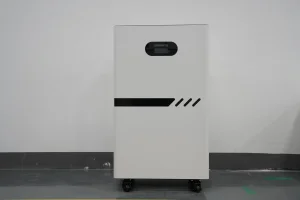
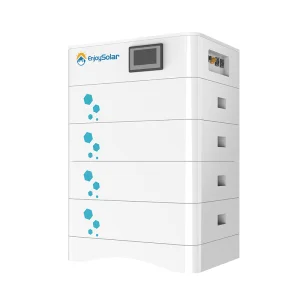
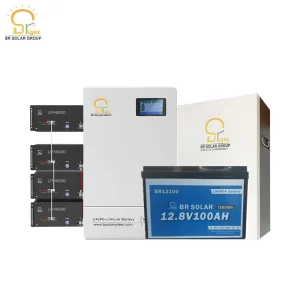
5kw Hybrid Solar Inverter with 5kwh LiFePO4 Battery

5kw Hybrid Solar Inverter with 5kwh LiFePO4 Battery - Ess Stackable Solar Energy Storage System for Home Use, Optional Solar Power Generator

Explore Details
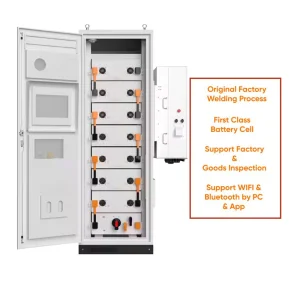
60-300kwh Energy Storage Cabinet High Voltage Liquid Cooling

60-300kwh Energy Storage Cabinet High Voltage Liquid Cooling LiFePO4 Battery for Industrial & Commercial Solar System

Explore Details
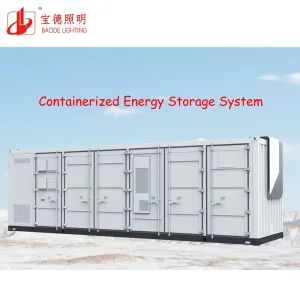
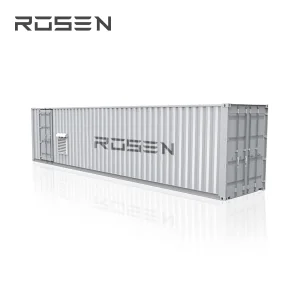
40-Foot Customizable 5mwh Containerized off-Grid System

40-Foot Customizable 5mwh Containerized off-Grid Solar Energy Storage System

Explore Details
500kw Used EV Battery for Solar Storage

500kw Used EV Battery for Solar Storage Utility Scale Batteries Large Battery Storage

Explore Details
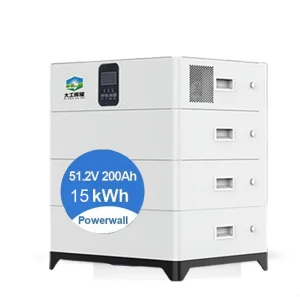
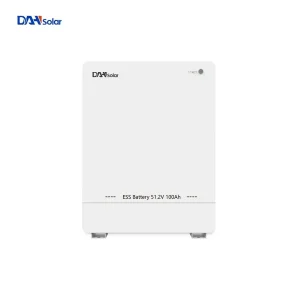
Stackable Byd 51.2V 100ah High Voltage Pack

Stackable Byd 51.2V 100ah High Voltage LiFePO4 Battery Cell 20kwh 30kwh Solar Lithium Ion Battery Storage Pack

Explore Details
Hybrid Inverter Stacked Home Solar Ess

Hybrid Inverter Stacked Home Solar Ess 5kwh 10kwh 20kwh Lithium Ion Battery All-in-One Energy Storage System Can Communication

Explore Details
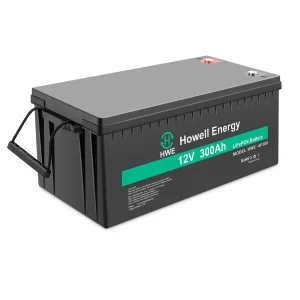
Deep Cycle 12V 24V 36V 48V LiFePO4 Battery

Deep Cycle 12V 24V 36V 48V LiFePO4 Battery 50ah 100ah 200ah 300ah 400ah Lithium Iron Phosphate Batteries Solar Energy Storage System RV Camper Van Marine Boat

Explore Details
China Wholesale Solar Battery 51.2V 100ah

China Wholesale Solar Energy Storage Battery 51.2V/100ah 50A 100A Residential Power Home Suzhou Electric Lithium Battery Price

Explore Details

The Global Landscape of Deep Cycle Energy Storage

Understanding grid requirements, Levelized Cost of Storage (LCOS), and the engineering leap toward modern LiFePO4 chemistries.

The global transition toward distributed energy resources (DERs) has transformed energy storage systems (ESS) from secondary backup reserves into core grid assets. As power grids worldwide undergo rapid decarbonization, traditional grid-tied frameworks struggle with the intermittency of renewable sources. Deep cycle energy storage acts as the critical bridge, providing steady power, active frequency response, and reliable peak-shaving capabilities.
In industrial and commercial (C&I) installations, deep cycle storage systems are designed for high Depth of Discharge (DoD) up to 90% or even 100% without structural degradation. In contrast to standard backup units, these systems run heavy daily cycles to mitigate demand charges, manage peak tariffs, and run complex microgrid algorithms. In regions like Western Europe and North America, volatile peak pricing makes localized storage solutions highly viable, offering paybacks within 4 to 6 years through automated load shifting.
6,000+
Life Cycles @ 80% DOD
15+ Yrs
Operational Lifespan
98%
Round-Trip Efficiency
< 5 ms
UPS-Grade Switch Time
Technological developments in lithium iron phosphate (LiFePO4) chemistry have largely replaced lead-acid and gel batteries in high-duty scenarios. LiFePO4 cells yield up to 10 times the cycle life of traditional AGM equivalents, minimizing replacement costs and offering superior thermal safety. Additionally, advanced Smart Battery Management Systems (BMS) track health (SoH), state of charge (SoC), and balance individual cells dynamically to maximize performance.

Shenzhen Ansar Energy Co., Ltd.

Integrated R&D, advanced automation, and global compliance for industrial and residential systems.
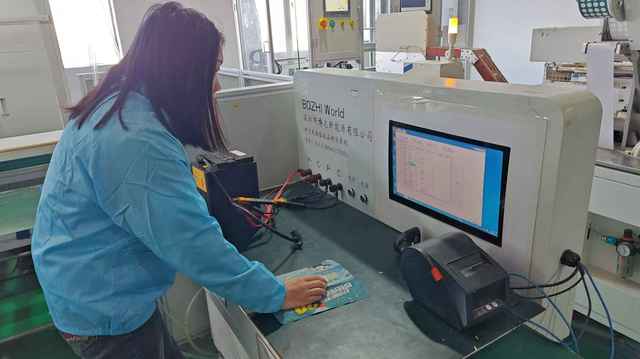
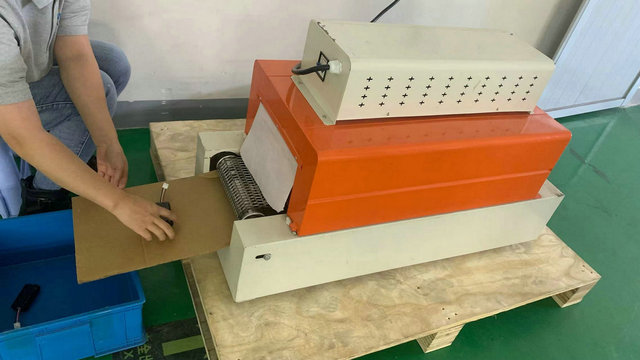
Established in 2015 and headquartered in the tech hub of Shenzhen, Guangdong Province, China, Shenzhen Ansar Energy Co., Ltd. is a leading manufacturer specializing in solar energy storage batteries and integrated renewable energy systems. Focused on sustainability, the company has developed advanced battery solutions, from compact residential systems to 40-foot containerized C&I utility storage.
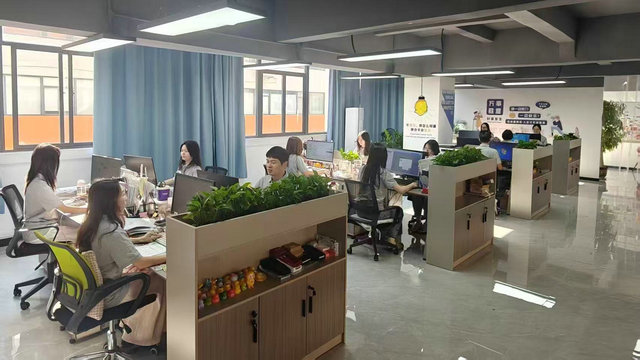
Operating a modern manufacturing facility covering more than 18,000 square meters and employing over 250 skilled engineers and assembly experts, Ansar Energy meets international market requirements. Their vertical integration covers design, cell matching, testing, and final assembly, ensuring high safety standards.
Through continuous R&D, Ansar Energy integrates cloud-monitored IoT modules, liquid cooling systems, and stackable architectures to optimize efficiency, lengthen lifespans, and make installations easier for installers worldwide.

Factory Capacities & Quality Metrics

  • Facility Area: 18,000+ sqm state-of-the-art production plant
  • Compliance Certifications: UL1973, CE, IEC62619, UN38.3, MSDS
  • Cell Grading: 100% Brand-New Tier-1 LiFePO4 cells
  • BMS Engineering: Dual-processor active balancing smart BMS
  • Thermal Management: Advanced liquid cooling & smart forced-air designs
  • Testing Protocol: 72-hour high-load capacity & aging testing cycles

Evaluating Battery Chemistries: The Technical Reality

An honest engineering comparison to help global procurement teams make informed decisions.

}
Performance Metrics Lithium Iron Phosphate (LiFePO4) Lead-Acid / Solar Gel LTO (Lithium Titanate)
Cycle Life (80% DoD) 5,000 - 8,000 Cycles 600 - 1,500 Cycles 15,000 - 25,000 Cycles
Energy Density (Wh/kg) 120 - 160 Wh/kg 30 - 50 Wh/kg 70 - 90 Wh/kg
Operational Safety Excellent No thermal runaway risk Moderate Emits trace gases Outstanding Extreme thermal tolerance
Average DoD Range 90% - 100% 50% maximum 95% - 100%
LCOS (per kWh/cycle) Lowest Due to exceptional longevity High (requires replacement every 2-3 yrs) Very High (high upfront capital cost)
Environmental Impact Ecologically friendly, recyclable Heavy lead pollution potential Ecologically friendly

Design Insight: Cell Grade Matching

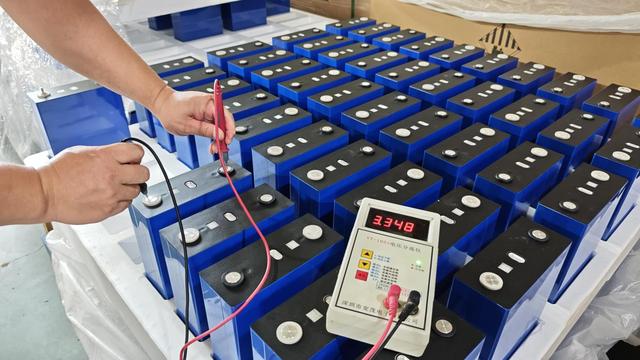
A key factor in energy storage performance is the deviation margin between assembled cells. If cells are mismatched, capacity is limited to the weakest cell in the pack. Shenzhen Ansar Energy matches cells to within a voltage variance of ≤5mV and internal resistance variance of ≤2mΩ, optimizing cycle efficiency and system balance.

The China Supply Chain Advantage

How advanced manufacturing and close-knit component ecosystems optimize efficiency and value.

Supply Chain Integration

Located in Shenzhen, Ansar Energy operates near top raw material, BMS, and structural housing suppliers, minimizing transport costs and lead times.

Automated Production Lines

Automated cell sorting, laser welding, and automated inspection minimize human error and ensure uniform weld depth and structural integrity.

Comprehensive Quality Testing

Automated aging chambers subject batteries to continuous charge and discharge tests under load, monitoring thermal behavior to ensure safety.

Chinese factories have transitioned from simple contract manufacturing to leading advanced R&D. China handles over 70% of the world's battery raw materials and cell manufacturing, providing Chinese producers with reliable access to materials and technologies. For global procurement managers, this means steady lead times and consistent product performance.
Additionally, this scale enables extensive OEM and ODM customization. Shenzhen Ansar Energy provides custom battery management systems (BMS), high-voltage configurations, tailored containerized storage, and custom labeling to align with national grid codes across European, American, and Asia-Pacific markets.

Localized Application Scenarios

Tailoring design configurations to meet residential, commercial, industrial, and off-grid demands.

Residential Storage & micro-UPS

Modern homes require modular, high-voltage stackable battery designs. Ansar Energy's stackable LiFePO4 packs allow homeowners to scale storage from 5kWh to 30kWh without complex wiring. Integrating seamlessly with hybrid inverters, these units provide uninterrupted power supply (UPS) back-up within 5ms of grid failure.

C&I Peak Shaving & Load Shifting

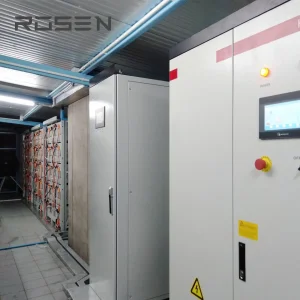
In industrial settings, peak shaving reduces peak demand charges from utilities. Standard liquid-cooled cabinet models (60kWh to 300kWh) monitor site load and discharge energy during peak hours, lowering utility demand charges and preventing grid overloads.

Remote Microgrids & Telecom

Isolated islands, telecommunication towers, and agricultural operations require containerized off-grid configurations (up to 5MWh). Ansar Energy's containerized solutions feature fire suppression, HVAC systems, and built-in bidirectional PCS modules to ensure reliable off-grid operations in extreme environments.
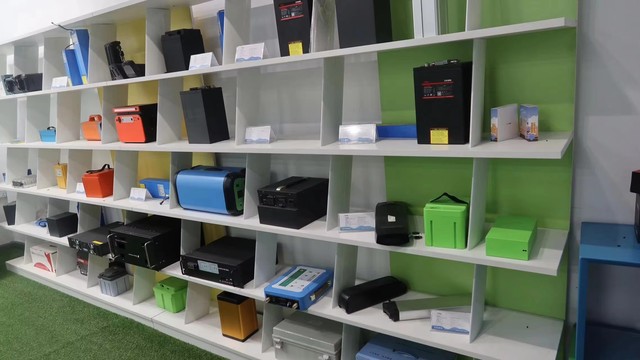
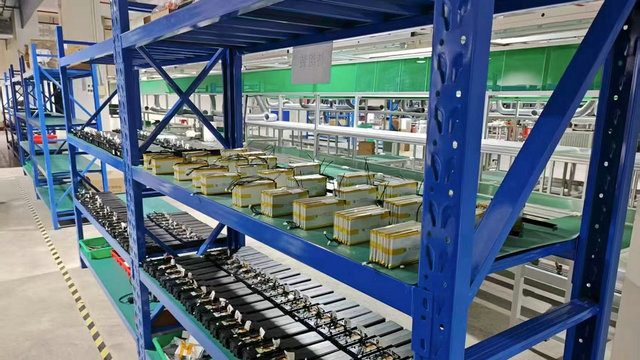
B2B Procurement Guide: Mitigating Risks in Battery Sourcing

Key quality marks, logistical protocols, and warranty metrics that distinguish tier-1 manufacturers.

Sourcing industrial-grade lithium energy storage systems involves substantial capital expenditure, making risk mitigation crucial. Buyers should evaluate key regulatory compliance certifications. For example, the UN38.3 certification ensures transport safety during air and sea transit, while IEC 62619 specifies requirements for the safe operation of lithium batteries in industrial applications.
Furthermore, thermal management is key. For high-discharge and high-capacity applications (above 100kWh), liquid cooling is often preferred over air cooling. Liquid cooling maintains internal cell temperatures within ±2°C, reducing cell degradation and minimizing the risk of localized thermal runaway.

Critical Checklist for Purchasing Managers:

  1. Verify whether cell matching utilizes brand-new Grade-A cells or secondary/remanufactured cells.
  2. Ensure the BMS supports dual-modbus communication protocols (CAN/RS485) for third-party inverter integration.
  3. Confirm that the fire suppression design utilizes Novec 1230 or aerosol containment systems inside high-voltage cabinets.
  4. Request factory inspection reports detailing capacity matching, insulation testing, and grounding performance.

Future Horizons: Deep Cycle Storage Trends (2025-2030)

Analyzing technological shifts: Solid-state transition, AI-optimized BMS, and second-life integration.

The energy storage sector is evolving, driven by updates in cell chemistry and intelligent software integration. AI-driven BMS platforms are becoming standard, using machine learning to predict cell degradation, optimize dynamic state of health (SoH), and prevent internal micro-shorts before they affect system performance.
In large-scale projects, utilizing second-life batteries (such as decommissioned EV batteries) is gaining traction. These cells are repurposed for stationary storage applications, offering a cost-effective alternative for projects where space constraint is not a primary concern but upfront cost reduction is key.
Finally, solid-state and semi-solid-state lithium chemistries are transitioning from lab environments to industrial pilots. These technologies promise double the energy density of current systems and improved safety by replacing volatile organic liquid electrolytes with solid ceramic or polymer layers.

Technical & Sourcing Q&A

Expert answers to common engineering, purchasing, and design questions.

1. What is the difference between active and passive BMS balancing in deep cycle batteries?

Passive balancing dissipates excess energy from high-charge cells as heat through resistors, which is less efficient. Active balancing transfers energy from higher-charged cells to lower-charged cells across the entire pack, improving thermal efficiency and maximizing usable capacity.

2. Why is LiFePO4 favored over NMC in stationary energy storage?

While NMC offers higher energy density, LiFePO4 provides superior cycle life (5,000+ vs 1,500) and greater thermal stability, with a thermal runaway threshold of 270°C compared to NMC's 210°C, making it safer for home and industrial use.

3. How does liquid cooling compare to air cooling in C&I cabinets?

Air cooling relies on fans, which can create temperature variances within the cabinet. Liquid cooling uses coolant channels to keep cell-to-cell temperatures within ±2°C, reducing degradation rates and extending the system's operational life.

4. What design modifications are needed for extreme environments?

For cold climates, integrated thermal blankets and heating circuits are added to enable charging at sub-zero temperatures. For high-humidity or marine applications, NEMA 4X or IP56 enclosures and conformal coatings are used to prevent corrosion.

5. How does Depth of Discharge (DoD) affect operational life?

Operating at 80% DoD generally yields more total cycles than running at 100% DoD. However, modern Tier-1 LiFePO4 cells are engineered to tolerate 90% DoD daily while maintaining over 80% of their original capacity after 6,000 cycles.

6. What protocols are used for smart grid integration?

Most industrial systems support Modbus TCP/IP, CAN, and DNP3 protocols. These interfaces allow external Energy Management Systems (EMS) to monitor parameters, set charge/discharge schedules, and respond to grid signals.

Explore Our Complete Deep Cycle Product Range

Discover scalable batteries, smart cabinets, and containerized energy storage units designed for diverse power needs.
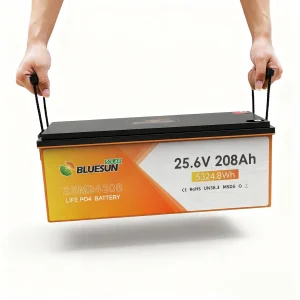
High Power Battery Lithium Ion Battery 12V 150AH

High Power Battery Lithium Ion Battery 12V 150AH 200AH 250AH 300AH 400AH 500AH 600AH 800AH for Solar System

Explore Details
LiFePO4 Lithium Ion Battery 48V 100ah 5000wh

LiFePO4 Lithium Ion Battery 48V 100ah 5000wh for Backup Power Solar Energy Storage Systems

Explore Details
Whole Solar Energy Storage Container 150kwh

Whole Solar Energy Storage Container 150kwh Battery

Explore Details
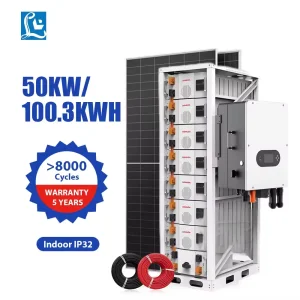
50kw 100kwh Industrial Commercial Storage System

50kw 100kwh Industrial Commercial Solar Power Storage System IP32 IP56 All in One Smart PV Storage Distribution Cabinet

Explore Details
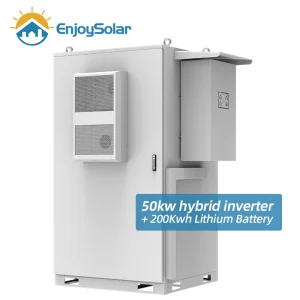
All-in-One 50kw Hybrid Inverter 100kwh 200kwh

All-in-One 50kw Hybrid Inverter 100kwh 200kwh Lithium-Ion Battery Solar Energy System with Smart Energy Management

Explore Details
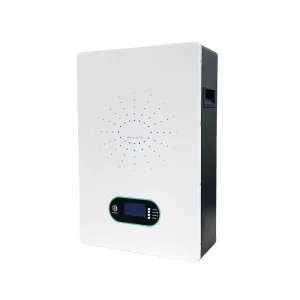
5kwh Storage System Solar 51.2V 100ah

5kwh Storage System Solar 51.2V 100ah Energy Storage Batteries LiFePO4 Power Wall-Mounted

Explore Details
12.8V 48V 51.2V Solar Gel Deep Cycle

12.8V 48V 51.2V Solar Gel Deep Crycle 6000 Times Li-ion LiFePO4 Phosphate Rechargeable Hybrid Home Energy Storage Lithium Ion Battery

Explore Details
Big Capacity Energy Storage System 10kw Grid-Connected

Big Capacity Energy Storage Power Generation System 10kw Grid-Connected Outdoor Industrial and Commercial Smart Distributed Ess

Explore Details