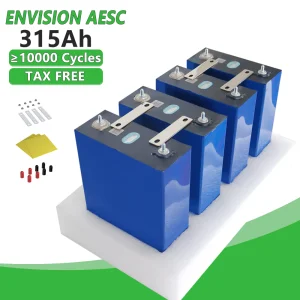
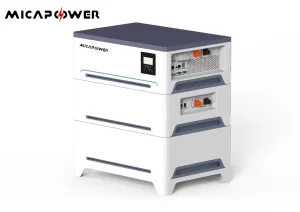
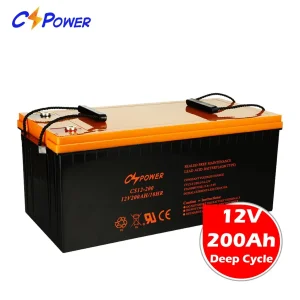
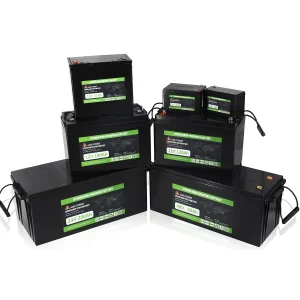
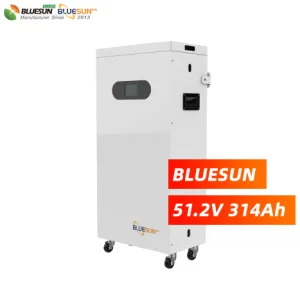
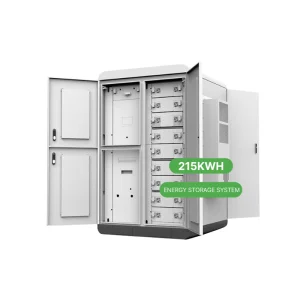
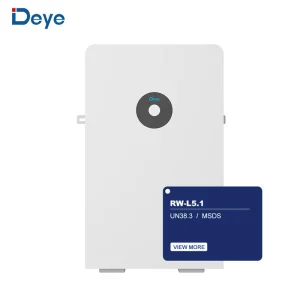
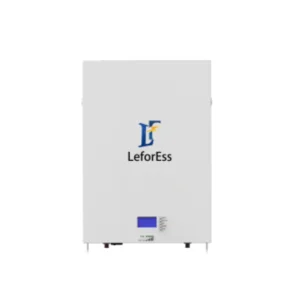
In the face of intensifying climate change and grid instability, Resilient Energy Solutions have transitioned from a luxury to a critical industrial necessity. Today’s global energy landscape is defined by the decentralization of power. From the European Union’s push for energy autonomy to North America’s focus on grid hardening against extreme weather, the demand for high-capacity, high-reliability battery systems is surging.
Modern "Resilience" is no longer just about backup power. It encompasses frequency regulation, peak shaving, and seamless microgrid transitions. Manufacturers in China, led by innovators like Ansar Energy, are now the backbone of this transition, providing over 70% of the world's LFP (Lithium Iron Phosphate) supply chain. The shift from low-voltage residential units to megawatt-hour (MWh) scale liquid-cooled containers represents the current technological frontier.
The industry is moving toward non-combustible chemistries. LiFePO4 remains the gold standard for thermal stability, while solid-state research promises even higher density.
Compared to air cooling, liquid cooling systems offer 20% better temperature uniformity, extending battery life by up to 30% in high-demand industrial scenarios.
Predictive maintenance using AI allows operators to detect cell anomalies before they lead to failure, ensuring 99.99% uptime for mission-critical facilities.
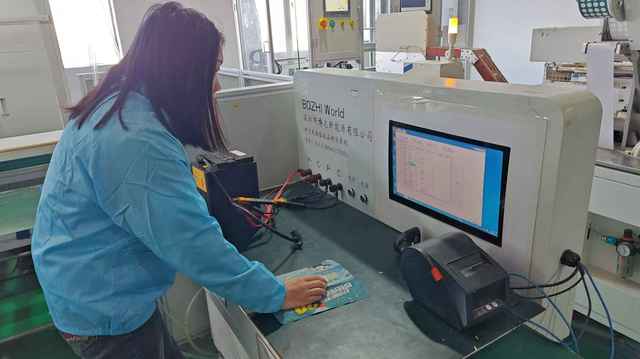
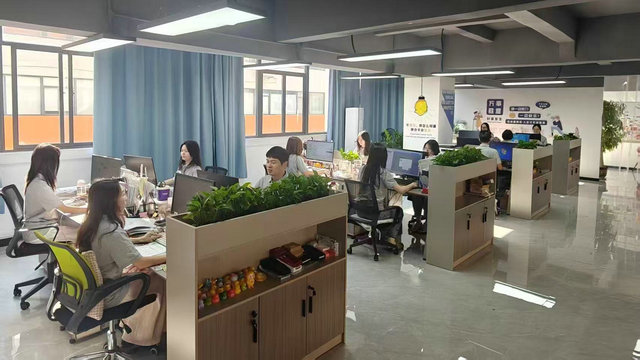
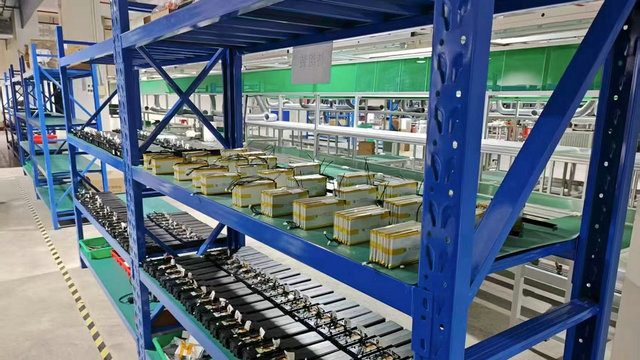
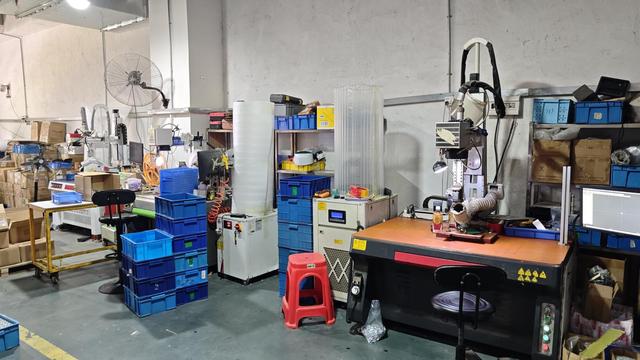
Established in 2015 and headquartered in the tech-hub of Shenzhen, Shenzhen Ansar Energy Co., Ltd. is a professional manufacturer specializing in solar energy storage batteries and integrated renewable energy solutions. With a modern manufacturing facility covering more than 18,000 square meters and a workforce of over 250 employees, we are at the forefront of the global energy transition.
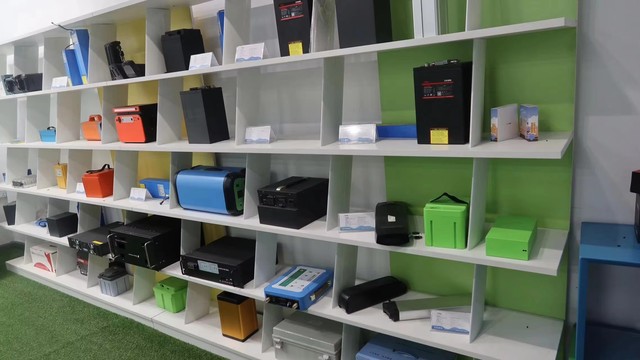
Our core product portfolio is engineered for versatility, serving residential, commercial, and industrial sectors with:
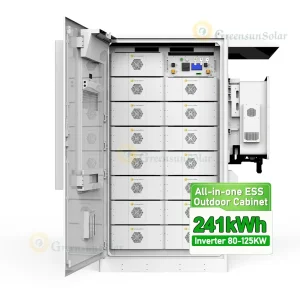
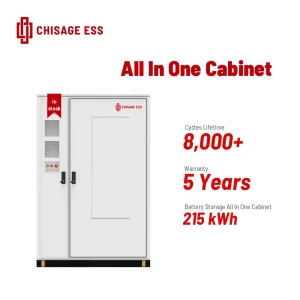
In high-tariff regions like California or Germany, our 215kWh systems allow businesses to charge during off-peak hours and discharge during expensive peaks, drastically reducing OpEx.
Empowering remote farms with solar + storage to ensure continuous irrigation and climate control, independent of unstable rural grids.
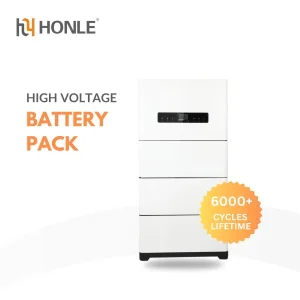
5G infrastructure requires high-density backup. Our stackable high-voltage solutions provide the compact footprint and reliability needed for urban towers.
Our R&D focuses on the Levelized Cost of Storage (LCOS). By optimizing cell integration and thermal management, we aim to deliver systems that achieve over 10,000 cycles by 2026. Our roadmap includes the integration of V2X (Vehicle-to-Everything) technology, allowing our storage units to interface seamlessly with electric vehicle fleets, creating a truly circular energy ecosystem.
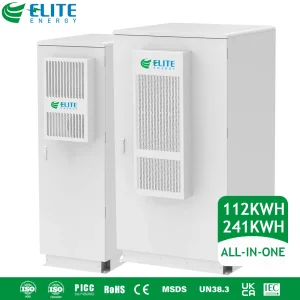
Standardized containerized solutions (20ft/40ft) that assist grid operators in stabilizing frequency and managing the intermittency of large wind and solar farms.
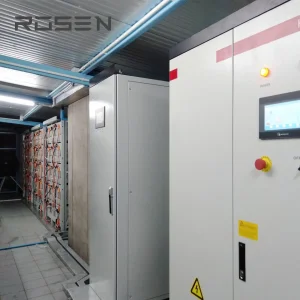
For semiconductor and precision manufacturing, where even a millisecond of power drop costs millions, our high-speed switching ESS acts as a giant UPS.
A: HV systems (300V-800V) reduce conversion losses and require smaller cable cross-sections, leading to higher system efficiency and lower installation costs for large-capacity applications.
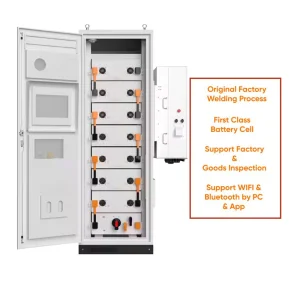
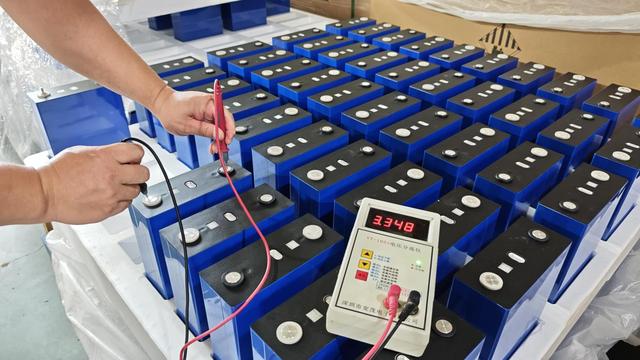
A: We utilize a triple-layer safety protocol: Tier-1 Grade A cells, a sophisticated BMS with real-time cell balancing, and physical fire suppression modules integrated into our industrial cabinets.
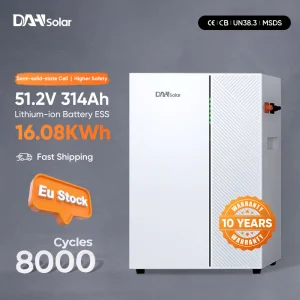
A: With our advanced thermal management and depth-of-discharge (DoD) optimization, our systems typically offer 6,000 to 8,000 cycles, translating to 15-20 years of daily operation.
A: Yes. Our liquid-cooled and IP55/IP65 rated enclosures are designed to operate efficiently in temperatures ranging from -20°C to +55°C.
 Ansar Energy