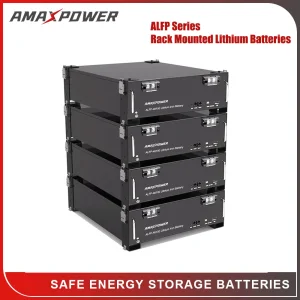
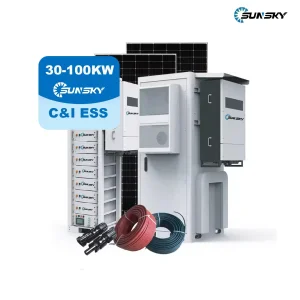
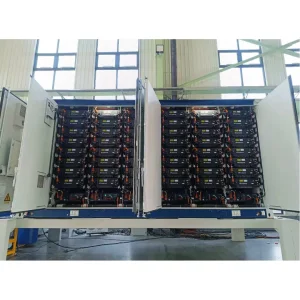
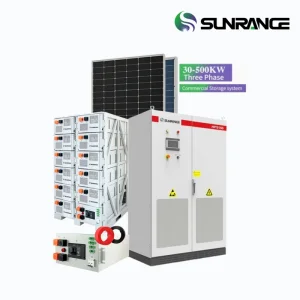
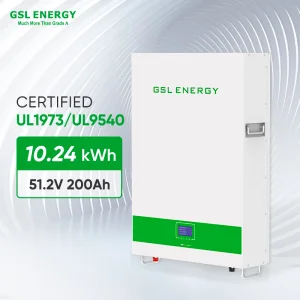
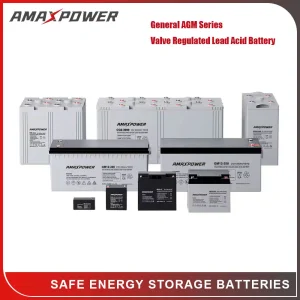
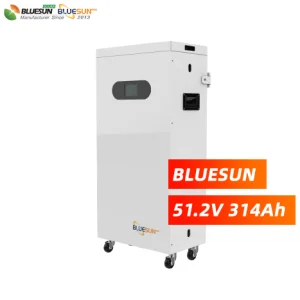
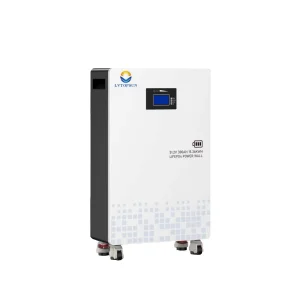
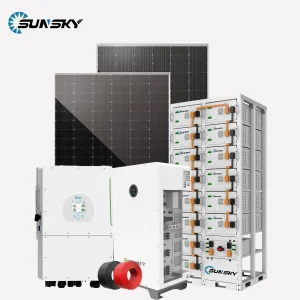
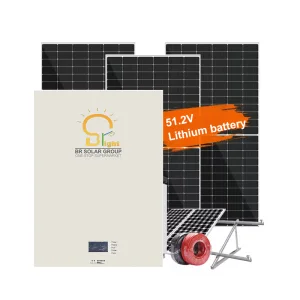
Explore our cutting-edge selection of residential, commercial, and utility-scale energy storage products designed with advanced LiFePO4 chemistry and intelligent BMS.
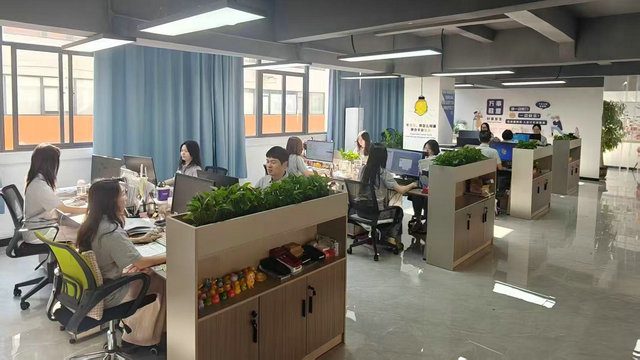
Shenzhen Ansar Energy Co., Ltd. is a premier manufacturer specializing in solar energy storage batteries and integrated renewable energy solutions for residential, commercial, and industrial applications. Established in 2015 and headquartered in Shenzhen, Guangdong Province, China, the company is committed to supporting the global transition toward sustainable energy through advanced battery storage technologies and intelligent power management systems. With a modern manufacturing facility covering more than 18,000 square meters and a workforce of over 250 employees, Ansar Energy serves customers across international renewable energy markets with unmatched precision and scale.
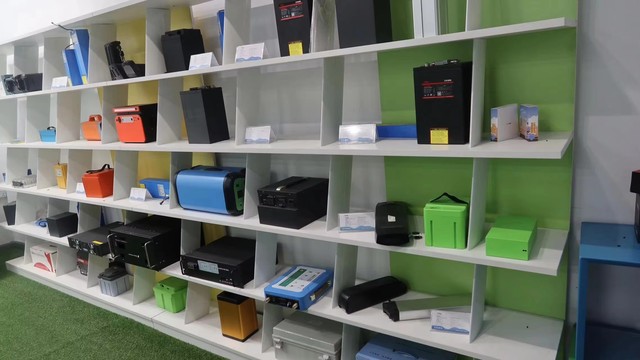
The company's core product portfolio includes solar energy storage batteries, residential energy storage systems, commercial battery storage solutions, industrial energy storage systems, off-grid solar battery systems, hybrid energy storage solutions, backup power batteries, lithium battery packs, and smart battery management systems.
These products are widely used in residential solar installations, commercial buildings, industrial facilities, microgrid projects, telecommunications infrastructure, emergency backup power applications, and renewable energy integration projects worldwide.
In addition to standard products, Ansar Energy provides OEM and ODM manufacturing services, offering customized battery capacities, system configurations, branding solutions, and project-specific energy storage designs for global partners.
The global renewable energy transition has accelerated exponentially, shifting energy storage from a secondary consideration to a foundational infrastructure pillar. Driven by aggressive net-zero commitments, grid instability in industrialized nations, and the declining costs of solar photovoltaics (PV), enterprises and utility providers worldwide are upgrading their power architectures.
Modern B2B buyers—ranging from European solar distributors to North American commercial developers—demand high energy density, thermal safety, modular scalability, and certified compliance (CE, UL, IEC). The focus has shifted from mere energy storage capacity to intelligent battery management systems (BMS) capable of peak shaving, load shifting, and seamless integration with virtual power plants (VPPs).
Commercial facilities and industrial campuses are increasingly adopting off-grid and hybrid microgrid systems to insulate operations against rising electricity tariffs and grid outages. Lithium Iron Phosphate (LiFePO4) batteries have become the undisputed industry benchmark due to their superior chemical stability, 6000+ cycle lifespan, and eco-friendly profile.
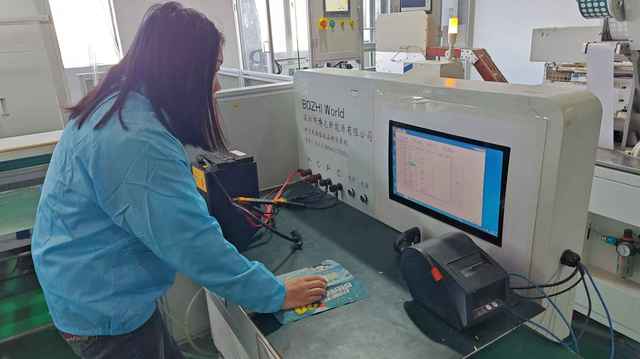
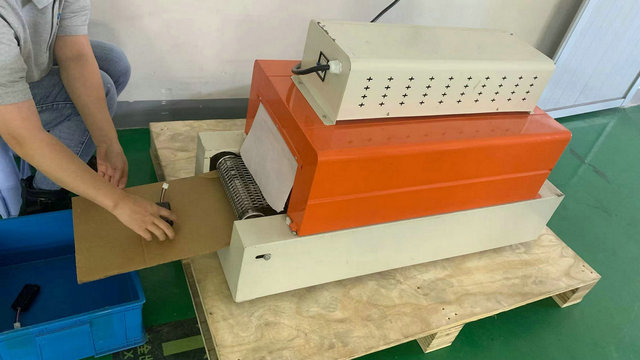
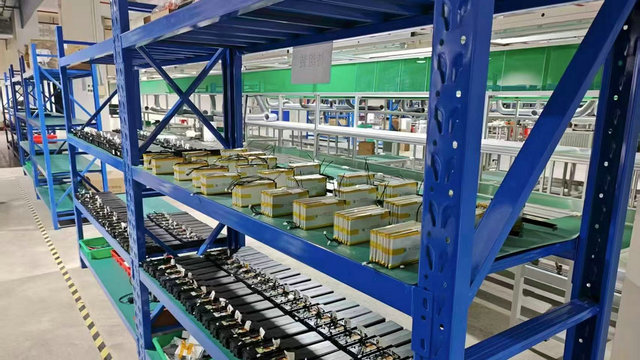
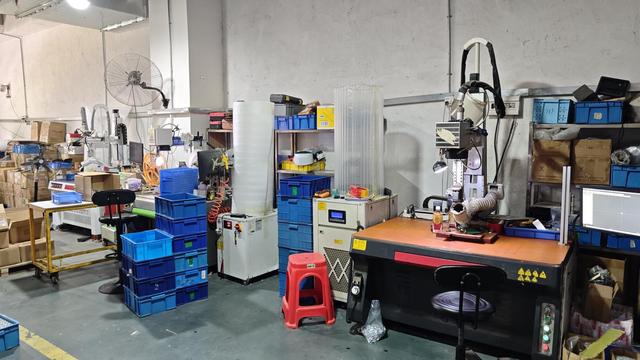
Ansar Energy operates advanced battery assembly lines, testing laboratories, and quality control facilities equipped with modern manufacturing technologies. The company follows strict quality management procedures throughout product design, cell integration, system assembly, testing, and final inspection to ensure dependable performance, safety, and long-term reliability. Continuous investment in research and development enables the company to improve energy efficiency, battery lifespan, and system intelligence.
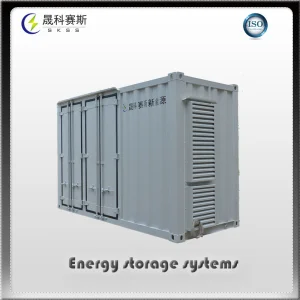
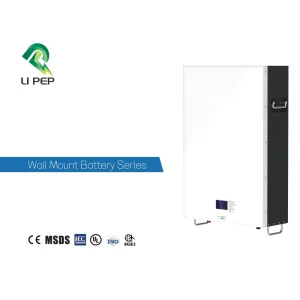
Discover our utility-scale containerized liquid-cooled energy storage systems and high-capacity wall-mounted modular battery solutions.
Take an exclusive visual tour inside Ansar Energy's automated production lines, rigorous aging testing chambers, and precision assembly facilities.
Expert answers to common technical, procurement, and logistical inquiries regarding our renewable energy battery solutions.
Lithium Iron Phosphate (LiFePO4) chemistry offers exceptional thermal stability, high discharge current capabilities, and an ultra-long lifecycle exceeding 6,000 cycles at 80% Depth of Discharge (DoD). Unlike traditional lead-acid or standard NMC lithium cells, LiFePO4 is highly resistant to thermal runaway, making it the safest and most economically viable choice for residential, commercial, and utility-scale solar energy storage systems.
Yes, we specialize in comprehensive OEM and ODM manufacturing services. We collaborate closely with global solar installers, distributors, and system integrators to provide customized battery capacities, enclosure designs, communication protocols (CAN/RS485/WiFi), branding, and tailored project energy storage specifications.
Our batteries undergo rigorous international testing and comply with major global safety and performance standards. Depending on the product series, our systems feature certifications such as CE, IEC, UN38.3, UL, and IP55/IP67 ingress protection ratings, ensuring seamless import and deployment across European, North American, and Asian markets.
Containerized liquid-cooled battery energy storage systems (like our 1.725MW and 5MWh solutions) maintain uniform cell temperatures within ±2°C. This thermal management dramatically extends overall battery lifespan, reduces auxiliary power consumption, and maximizes energy density, making them optimal for utility-scale solar microgrids and grid stabilization.
 Ansar Energy