Explore our cutting-edge battery systems engineered for peak shifting, emergency backup, and smart microgrid configurations.
Sqm Production Facility
Technical Engineers & Workers
Year of Establishment
Rigorous Cell Testing & Matching
Established in 2015 and headquartered in the high-tech hub of Shenzhen, Guangdong Province, China, Shenzhen Ansar Energy Co., Ltd. is a globally recognized, premier tier-1 manufacturer specializing in solar energy storage batteries and integrated renewable energy solutions. We support the worldwide transition toward net-zero emission goals through advanced battery storage technologies, intelligent battery management system (BMS) engineering, and custom-configured power management solutions designed for residential, commercial, industrial, and utility applications.
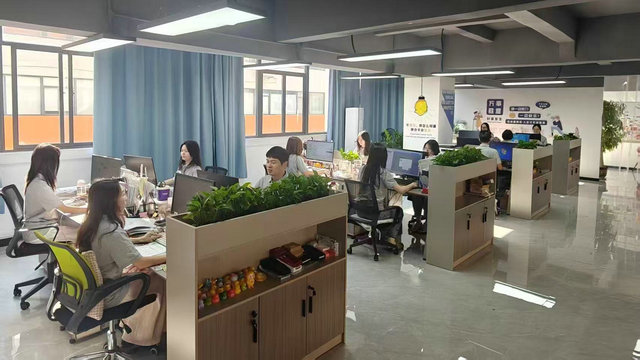
Operating a modern, ISO-compliant manufacturing facility covering more than 18,000 square meters and driven by a dedicated, multi-disciplinary workforce of over 250 employees, Ansar Energy provides the industrial scale and intellectual capability necessary to serve demanding international renewable energy markets. From standard product availability to high-complexity OEM and ODM engineering integrations, our solutions prioritize high security, longevity, efficiency, and compliance with the most stringent global standards.
Why Tier-1 developers and global EPC clients trust China-based production facilities for critical BESS infrastructure.
China controls over 75% of the world's lithium-ion battery cell manufacturing capacity and over 80% of the raw material processing infrastructure (lithium, cobalt, nickel, and synthetic graphite). This complete end-to-end integration enables Ansar Energy to secure high-purity cells, precision BMS chips, and advanced Power Conversion Systems (PCS) at stable pricing with minimized lead times.
Our 18,000 square meter production facility integrates high-precision automated robotic assembly lines for cell sorting, module laser welding, and automated pack testing. By combining automated process consistency with human engineering expertise, we achieve high yield rates and optimize manufacturing costs, delivering cost-effective systems without sacrificing safety.
With an agile ecosystem of engineering components, precision mechanical fabrication, and firmware development in Shenzhen, our engineering team can transition an initial ODM blueprint to a certified mechanical prototype in weeks, compared to months in Western markets. This accelerates time-to-market for our strategic global partners.
Keeping pace with rapid technological shifts and policy changes shaping the future of global grid networks.
Utility-scale and C&I applications are transitioning from traditional 1000V DC configurations to 1500V DC systems to reduce balance of system (BOS) costs, improve round-trip efficiency (RTE), and achieve higher energy densities. Liquid cooling systems are replacing air cooling, ensuring temperature uniformity across cells within 2.5°C and extending battery pack lifetime by up to 20%.
LFP has firmly established itself as the global choice for energy storage applications due to its chemical stability, resistance to thermal runaway, and lifespan of 6,000+ deep-discharge cycles. At Ansar Energy, we focus on grade-A LFP chemistry to guarantee maximum return on investment and site safety, outperforming volatile cobalt-based alternatives.
Modern battery storage systems are no longer passive components. Intelligent algorithms inside the Battery Management System monitor state-of-health (SoH) and state-of-charge (SoC) in real-time, executing predictive cell balancing and cloud-based anomaly detection to mitigate safety hazards before they materialize.
How our OEM/ODM battery storage platforms deploy across critical global infrastructure settings.
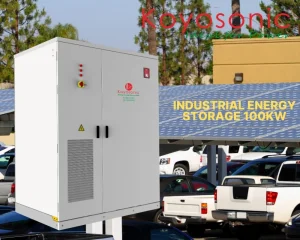
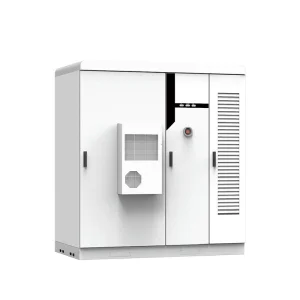
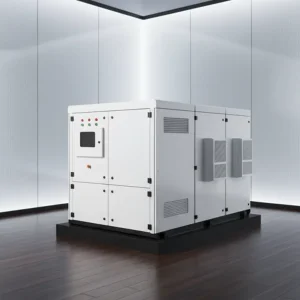
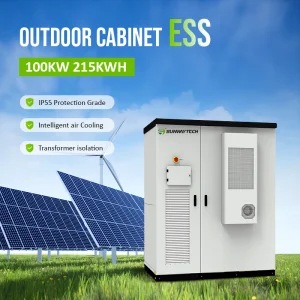
For commercial facilities, high demand charges can constitute up to 50% of the monthly utility bill. Our Industrial and Commercial 215kwh Energy Storage Cabinets dynamically discharge during peak consumption intervals, lowering peak demand draw and generating significant operating expense reductions.
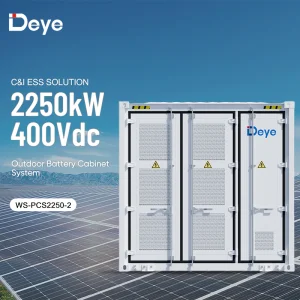
Mining operations, island communities, and remote agricultural developments rely on isolated power systems. By integrating our 2.25MW Hybrid Energy Storage PCS with photovoltaic solar arrays, operations can run continuously without relying on expensive diesel transportation networks.
Utility companies aggregates distributed residential and commercial energy storage resources into unified digital networks. Our high-rate battery products offer rapid reaction capabilities, stabilizing grid frequency, absorbing excess renewable generation, and enabling smart power monetization.
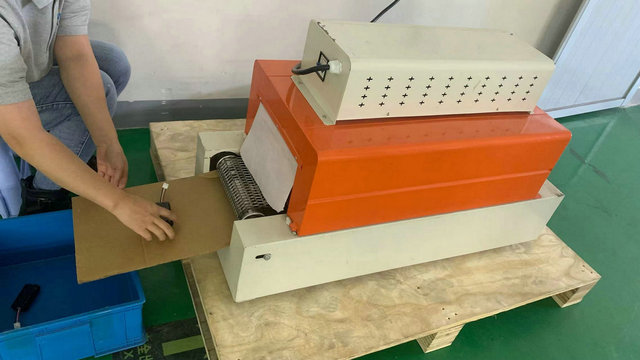
We recognize that global system integrators and energy developers have distinct technical, mechanical, and safety requirements. Our engineering team works directly with clients to design customized battery architectures. Our OEM/ODM capabilities encompass:
Cell Selection & Assembly Layout: We integrate standard cylindrical, prismatic, and pouch LFP cells to meet specific energy density, footprint, and operating temperature requirements.
BMS Integration & Communication Protocols: Customized programming for CAN, RS485, and Modbus RTU/TCP protocols ensures seamless integration with major global hybrid inverters, PCS models, and energy management systems (EMS).
Mechanical & Thermal Optimization: We offer custom rack layouts, containerized designs (10ft, 20ft, 40ft), air-cooled HVAC integrations, and liquid cooling piping designs tailored to local climates.
Branding, Labeling, & Certifications: We support global distributors with customized powder coatings, visual branding, custom LCD interfaces, and assistance with local compliance certification processes.
Every cell is screened, matched, and tested under real-world stress conditions to guarantee field reliability.
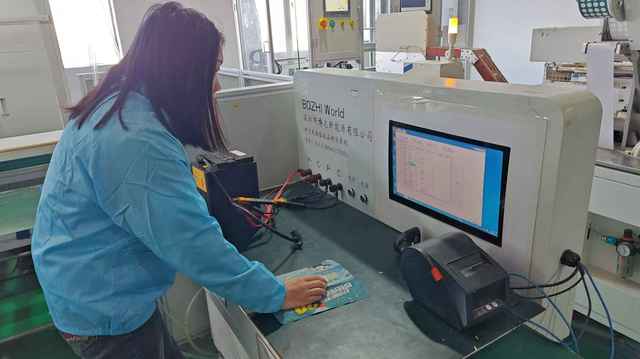
We source only high-quality cells. Before module assembly, every cell undergoes rigorous testing for voltage, capacity, and internal resistance. We group cells with matching characteristics to prevent premature battery aging and optimize system efficiency.
To verify performance in challenging environments, battery units undergo testing in advanced environmental chambers simulating temperature extremes from -20°C up to 60°C. This ensures stable operation in harsh climates, from Nordic regions to desert environments.
Completed battery packs undergo full-cycle charge and discharge testing to verify capacity, BMS protection response times, and thermal profiles. By identifying potential issues before shipment, we maintain a low field defect rate.
Take a closer look at our advanced manufacturing lines, automated cell test bays, and integrated assembly facilities.
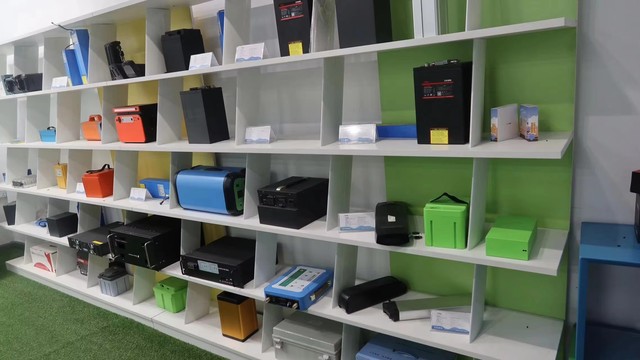
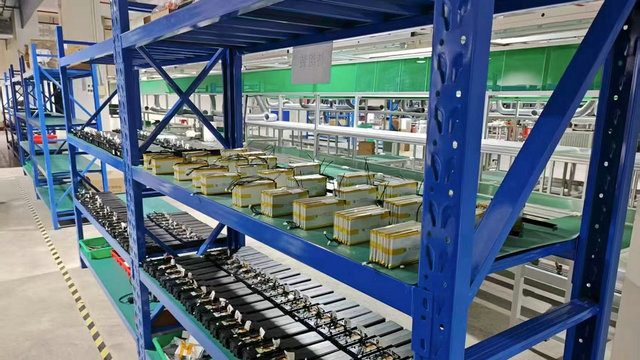
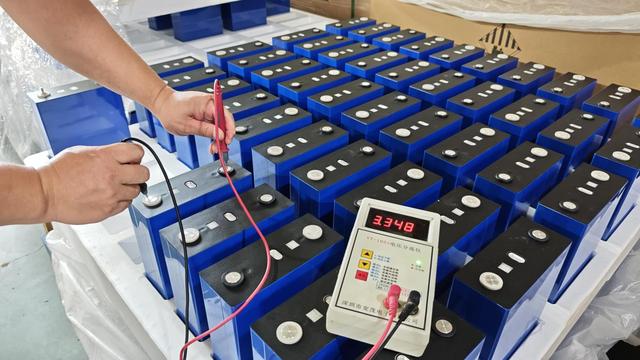
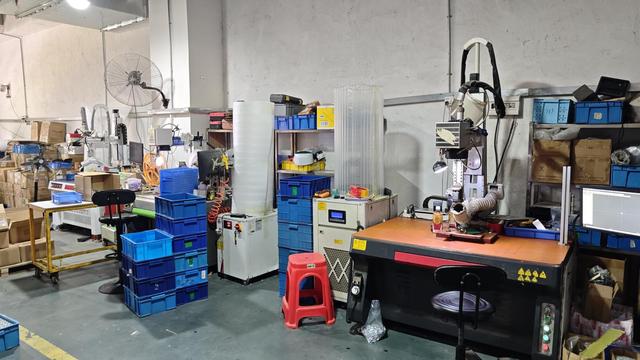
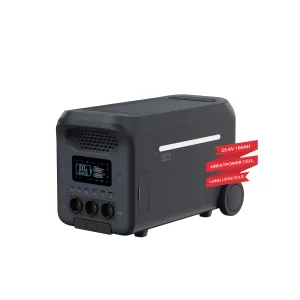
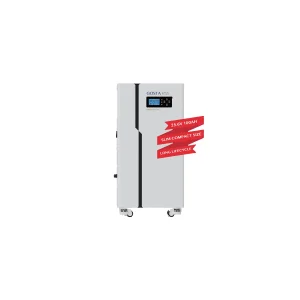
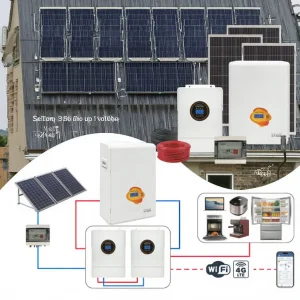
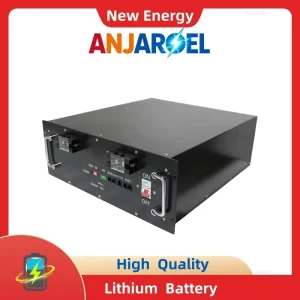
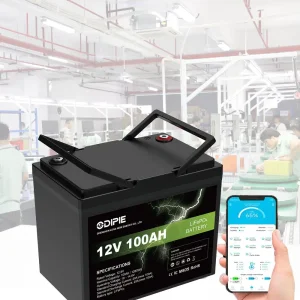
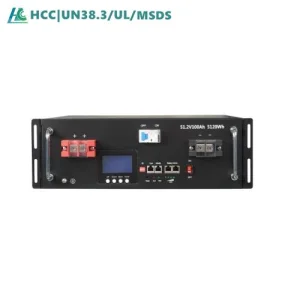
High-capacity solar systems, customizable LFP batteries, and rack-mounted storage units for global applications.
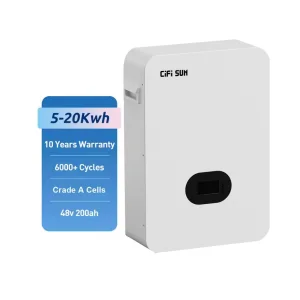
Technical, logistical, and architectural answers to key questions from utility planners, engineers, and purchasing officers.
Lithium Iron Phosphate (LFP) is preferred for C&I applications because of its superior safety profile and lifetime value. LFP cells have a thermal runaway threshold of approximately 270°C, compared to NMC's 210°C, significantly reducing fire risk. Additionally, LFP offers a lifespan of 6,000+ cycles at 80% Depth of Discharge (DoD), whereas NMC typically provides 2,000 to 3,000 cycles, optimizing the levelized cost of storage (LCOS).
We provide end-to-end integration options, including custom cell configuration (prismatic LFP, custom voltage ranges), battery rack configurations, and BMS firmware adjustments to support protocols such as CAN, Modbus, or RS485. We also offer custom container designs (10ft/20ft/40ft), integrated thermal management (HVAC or liquid cooling), fire suppression, and branding solutions tailored to specific projects.
High-voltage battery architecture (typically 750V DC to 1500V DC) reduces current density within the conductors. According to Joule's law (P = I²R), lowering the current reduces resistive heating losses. This minimizes cable sizing requirements, increases round-trip system efficiency, and lowers installation costs.
Our battery packs and container systems are certified to meet international safety and transport regulations, including UN38.3 for transport safety, UL 1973 for stationary batteries, UL 9540A for thermal runaway testing, CE marking, and compliance with IEC 62619 guidelines for industrial applications.
Liquid cooling provides higher thermal conductivity, maintaining cell temperature differences within ±2.5°C across the system. This thermal uniformity reduces cell mismatching, prevents local hot spots, and cuts cooling energy consumption by up to 30% compared to forced air systems, extending battery service life.
The PCS acts as the bidirectional link between the DC battery bank and the AC grid/load. It converts DC power to AC during discharge (peak shaving/backup) and AC to DC during charging. High-performance PCS units support black-start capabilities, islanding protection, and dynamic power flow adjustments in milliseconds to stabilize microgrid grids.
We integrate multi-stage safety systems into our containerized solutions, including early-stage gas sensors (detecting CO and H₂), particulate smoke detectors, and automated clean-agent fire suppressants (such as Novec 1230 or Aerosol systems). These systems isolate individual racks to suppress thermal runaway issues early.
Standard product configurations are typically delivered within 4 to 6 weeks. For custom OEM/ODM solutions, the process takes approximately 8 to 12 weeks. This schedule includes custom engineering validation, structural CAD adjustments, BMS testing, and compliance verification prior to shipping.
 Ansar Energy