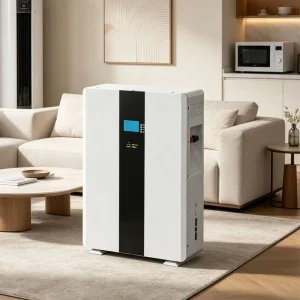
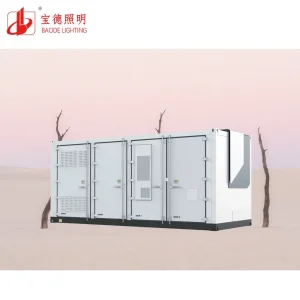
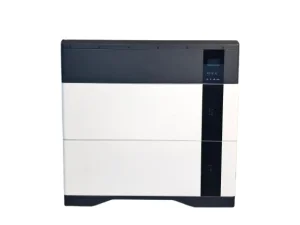
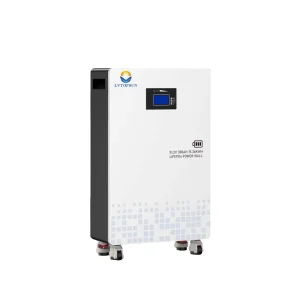
Our core custom-engineered battery packs and integration storage modules optimized for efficiency, safety, and long lifecycle performance.
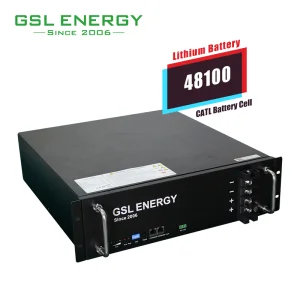
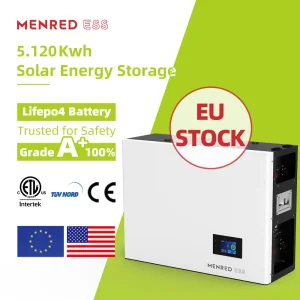
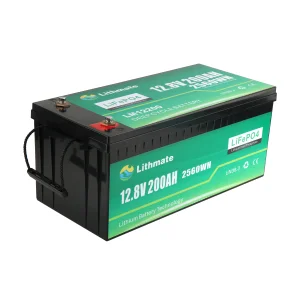
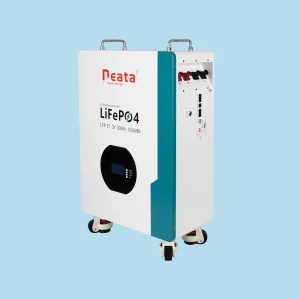
Shenzhen Ansar Energy Co., Ltd. is a professional manufacturer specializing in solar energy storage batteries and integrated renewable energy solutions for residential, commercial, and industrial applications. Established in 2015 and headquartered in Shenzhen, Guangdong Province, China, the company is committed to supporting the global transition toward sustainable energy through advanced battery storage technologies and intelligent power management systems.
With a modern manufacturing facility covering more than 18,000 square meters and a dedicated workforce of over 250 employees, Ansar Energy serves customers across international renewable energy markets. Our engineering processes adhere to stringent international performance, environmental, and safety standards, making us a preferred partner for global system integrators and EPC contractors.
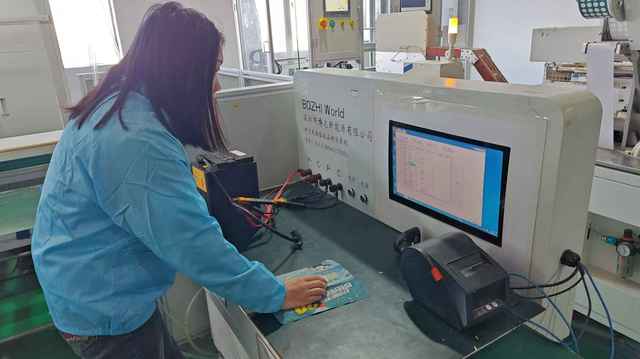
Ansar Energy operates advanced battery assembly lines, testing laboratories, and quality control facilities equipped with modern manufacturing technologies. The company follows strict quality management procedures throughout product design, cell integration, system assembly, testing, and final inspection to ensure dependable performance, safety, and long-term reliability. Continuous investment in research and development enables the company to improve energy efficiency, battery lifespan, and system intelligence.
Evaluating macro-level grid evolution, integration barriers, and technology shifts that define modern decarbonization strategies.
The global transition to variable renewable energy (VRE) has exposed structural vulnerabilities in aging electrical grids. As utility grids integrate rising shares of solar and wind generation, solar energy storage systems are moving from auxiliary additions to mandatory infrastructures. Decarbonization mandates, coupled with unstable fuel prices, have catalyzed massive demand for commercial and industrial (C&I) storage, minimizing dependence on regional grids.
Technological optimizations in lithium iron phosphate (LiFePO4) cell chemistry, combined with large-scale factory capacities, have reduced the Levelized Cost of Storage (LCOS). This development makes high-capacity commercial configurations financially viable without relying on external subsidies. Energy developers can now realize sub-5-year amortization periods through targeted peak shaving, tariff arbitrage, and demand response services.
Extreme weather and grid congestion are driving demand for independent microgrid solutions. Critical facilities like data centers, hospitals, and high-precision semiconductor assembly plants cannot afford micro-outages. Containerized energy storage systems (BESS) provide sub-millisecond UPS failover speeds, isolating critical operations from external grid disruptions.
A deep breakdown of the product classes manufactured in our facility to fulfill international client requirements.
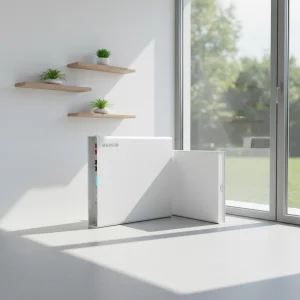
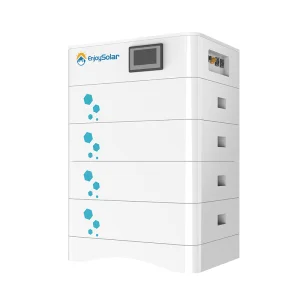
Our residential line offers clean, compact configurations for residential solar self-consumption. Available in low-voltage and high-voltage stackable options, these residential units deliver up to 6000 charging cycles. They interface with premium global inverter protocols, giving households direct energy autonomy and reliable emergency power.
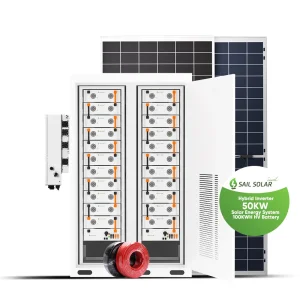
Custom-engineered for retail locations, manufacturing plants, and agricultural estates. These solutions feature active liquid cooling, precise cell balancing, and scalable high-voltage racks. They support heavy duty dynamic load tracking, active load leveling, and automated peak shaving options to minimize operational expenses.
Specifically designed to operate under harsh temperature fluctuations, our 3U and 4U rackmount batteries support remote off-grid 5G base stations. These high-density lithium packs offer deep-cycle durability and dual-bus SNMP communication for remote monitoring, reducing operational maintenance visits.
How we customize battery chemistry, mechanical design, thermal safety, and electronics to match your exact market requirements.
We work with your engineers to define electrical specifications (nominal voltage, peak discharge limits, continuous C-rate) and mechanical constraints (rackmount, stackable, wall-mounted, IP rating). This step ensures the finished battery aligns with local regulatory and spacing requirements.
We configure custom Smart Battery Management Systems (BMS). Our software supports custom communication protocols (including CANbus, RS485, and RS232), enabling integration with main inverters like SMA, Growatt, Victron, and Deye.
Prototype units go through strict stress testing under load, including thermal chamber simulation, drop testing, and short-circuit validation. We assist with global regulatory filings (including CE, UN38.3, UL1973, IEC62619) to ensure smooth custom clearance.
How our solar energy systems adapt to distinct environmental conditions, electrical standards, and local regulations.
In mature European solar markets, home energy management systems must be highly responsive. Our high-voltage stackable battery systems work with local home management systems to store energy during low-cost mid-day intervals and discharge it during high-tariff evening peaks, optimizing residential savings.
Our commercial battery configurations for North American operations target demand charges. Operating on smart active-balancing BMS architectures, these modules handle high-current demands when heavy machinery starts up, keeping overall facility demand charges below set limits.
For regions with limited main grid infrastructure, our microgrid solutions provide a reliable path to electrification. Our outdoor solar storage cabinets use robust thermal management and physical IP54 protection to operate in high humidity and high temperatures, supplying remote communities with clean, reliable power.
Our deep-cycle telecom batteries replace traditional diesel generator systems at remote base stations. These high-density lithium packs offer deep-cycle durability and dual-bus SNMP communication for remote monitoring, reducing operational maintenance visits.
How Ansar Energy is advancing battery safety, cell efficiency, and software intelligence over the next five years.
We are currently scaling our 3.2V 280Ah/306Ah prismatic cell assemblies, utilizing liquid cooling systems for our commercial cabinets. This setup reduces temperature variance across cells to less than 2°C, extending the service life of our commercial storage systems by up to 20%.
To address extreme winter temperatures, our engineering team is validating sodium-ion battery chemistries. These new cells retain over 80% capacity at temperatures as low as -30°C, providing a robust solution for high-latitude solar applications without requiring active external heating.
Our long-term R&D goals focus on solid-state battery technology, aiming to double current volumetric energy density while reducing thermal runaway risks. We are also developing AI-driven EMS software to support Virtual Power Plant (VPP) API calls, allowing users to monetize local storage through regional grid services.
How Ansar Energy builds scalable solar storage systems for utilities, industrial parks, and high-load commercial facilities.
Our microgrids integrate PV generation, battery storage, and diesel generator inputs. Controlled by our hybrid energy management systems, these setups monitor grid health in real time, switching to off-grid mode to keep local operations running during utility outages.
By monitoring power draw, our BESS systems discharge power during high-consumption intervals. This flattens the facility load profile and lowers peak demand charges, resulting in consistent energy savings for commercial operators.
Our solutions manage energy from multiple sources, including wind turbines, solar PV, and utility inputs. The system balances generation and load demands, routing excess power to batteries to ensure a steady supply of clean energy.
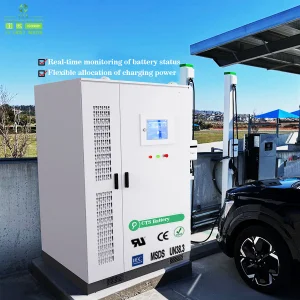
Scalable, high-voltage battery cabinets and containerized storage units built for heavy-duty industrial installations and microgrids.
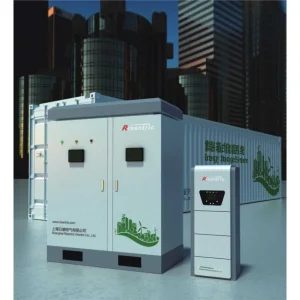
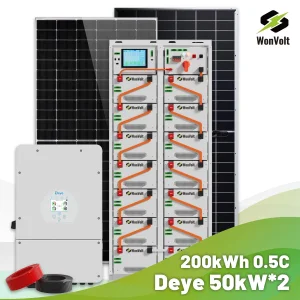
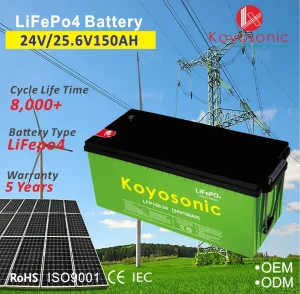
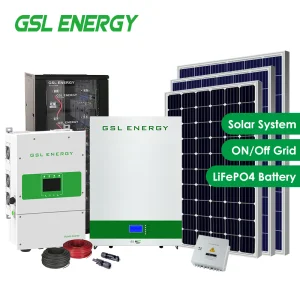
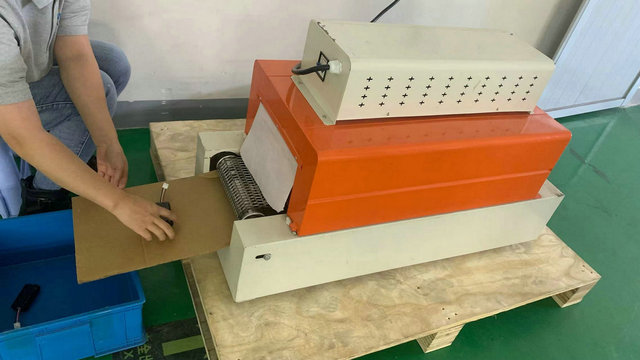
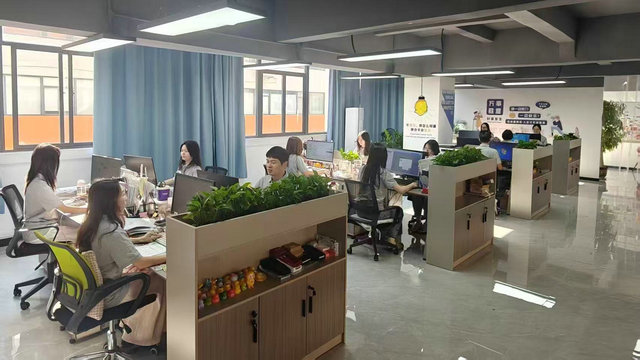
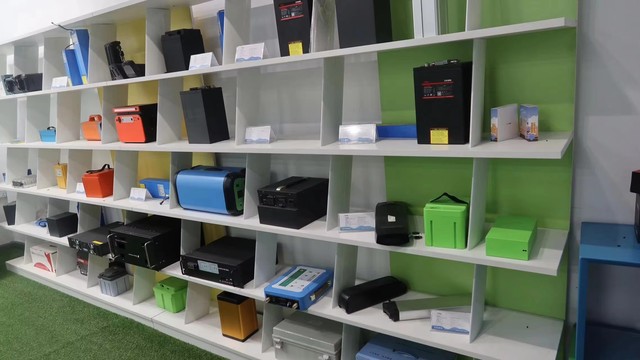
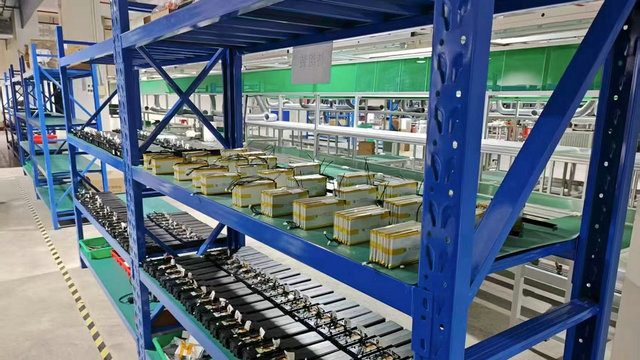
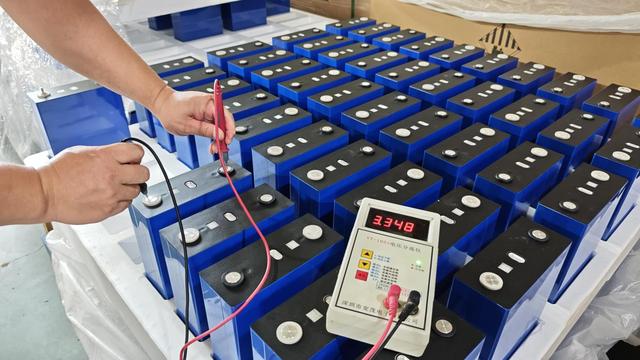
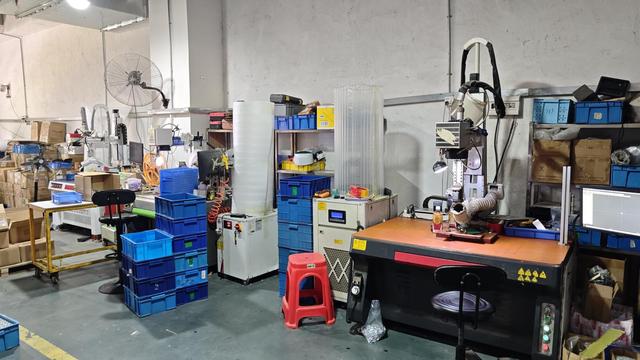
Real-world photographic records detailing our production processes, testing bays, and quality-control verification lines in Shenzhen.
Detailed answers to standard engineering, OEM/ODM customization, regulatory compliance, and system design questions.
 Ansar Energy