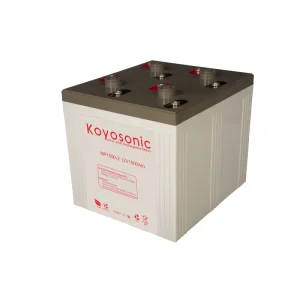
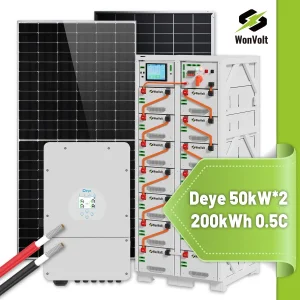
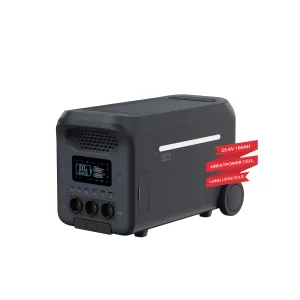
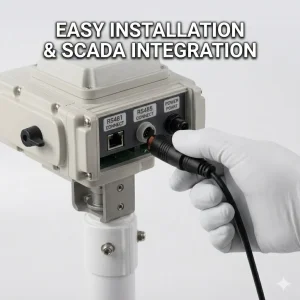
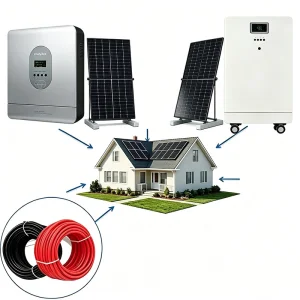
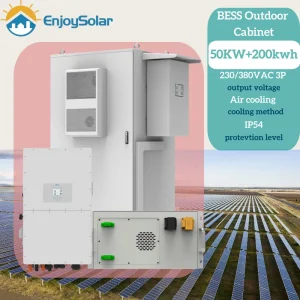
Discover our globally exported battery configurations designed for seamless integration into 19-inch cabinet architectures, solar substations, and smart grid systems.
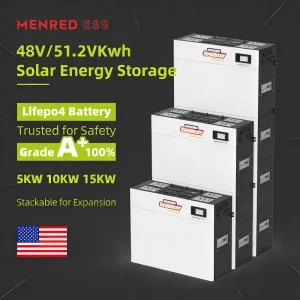
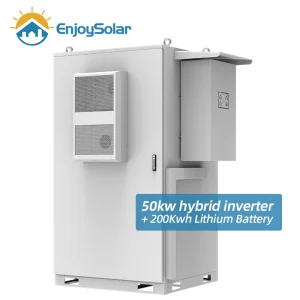
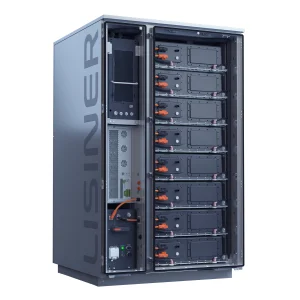
An authoritative analysis of BESS technology adoption patterns, regulatory frameworks, and economic drivers reshaping global energy grids.
In an era defined by volatile energy markets and pressing decarbonization mandates, commercial and industrial enterprises are accelerating their adoption of Battery Energy Storage Systems (BESS). The transition from centralized fossil-fuel generation to distributed clean energy requires high-performance, modular infrastructure. Rack-mounted energy storage stands at the convergence of this paradigm shift, offering unparalleled flexibility, compact footprint, and predictable scale.
Unlike traditional monolithic energy structures, modular 19-inch rack-mounted lithium-iron-phosphate (LiFePO4) systems provide engineering teams with a dynamic structural baseline. This allows developers to design systems matching accurate power-to-energy ratios while retaining the capacity for future thermal-management and electrical expansion. Across Europe, North America, and high-growth APAC industrial corridors, modular rack setups are rapidly replacing legacy lead-acid and bulky, non-standardized lithium battery enclosures.
Key drivers behind this massive global deployment include:
As global procurement managers and EPC engineers search for "China Rack Mounted Energy Storage Exporters", their core query intent shifts away from raw cost comparisons toward deep technical criteria: safety compliance (UL1973, IEC62619), system integration protocols (CAN/RS485), smart thermal management, and factory-level ODM capability.
By providing high-grade technical disclosure and verified operational parameters, this whitepaper offers significant information gain, positioning Shenzhen Ansar Energy Co., Ltd. as an elite-tier technical partner rather than a simple merchant exporter.
Evaluating standard lithium chemistries, high-voltage stackable configurations, and liquid-cooling designs for optimal efficiency and lifetime value.
Lithium Iron Phosphate (LFP) remains the safest chemistry for stationary energy storage. LFP provides high thermal runaway thresholds (>600°C), exceptional cycle life (often exceeding 6,000 deep cycles), and eliminates toxic cobalt components. This design is highly suitable for dense server-room installations.
For applications where extreme budget considerations or rapid recharge behaviors are critical, our advanced lead-carbon technology balances LFP performance with lead-acid cost dynamics. Adding carbon materials to the negative plate mitigates sulfation under partial state-of-charge (PSoC) cycles.
As rack power densities increase, traditional forced-air cooling methods fall short. Shenzhen Ansar Energy utilizes liquid cooling systems for high-capacity applications (300kWh+), reducing internal temperature variances within a range of ±3°C, extending overall pack life by up to 20%.
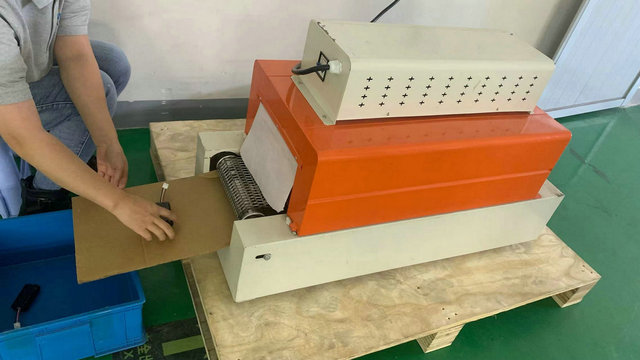
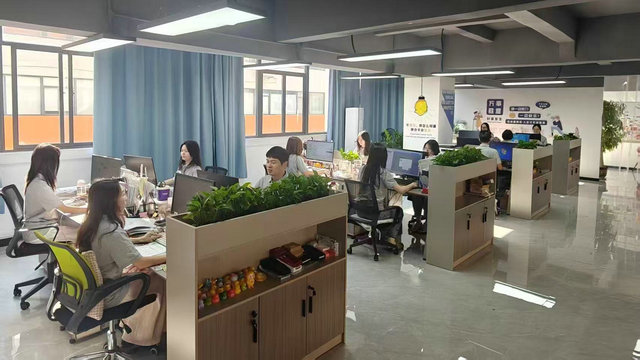
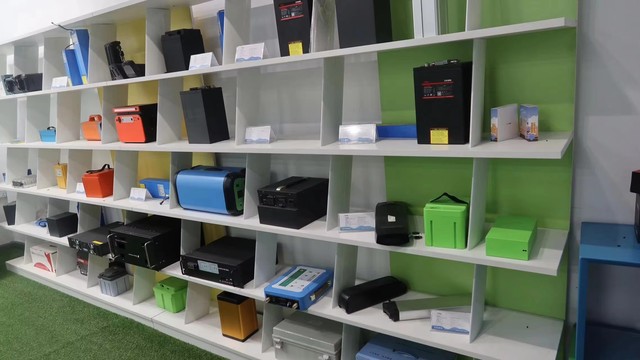
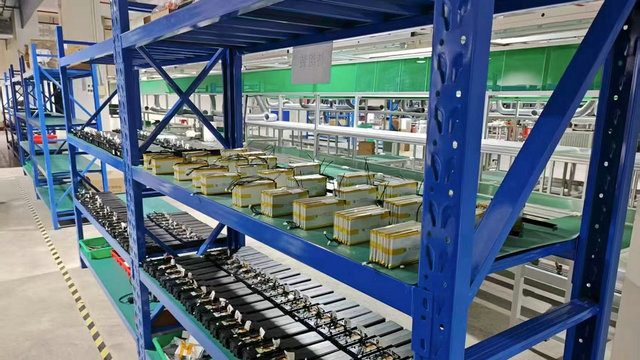
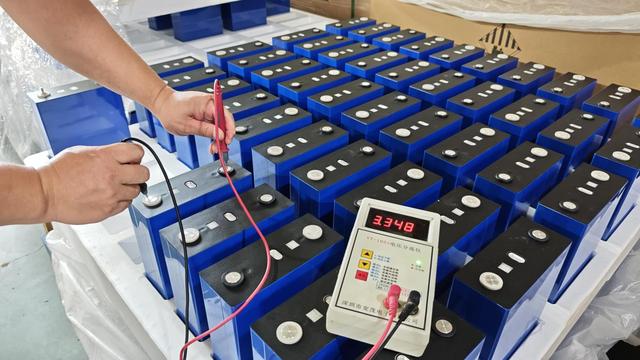
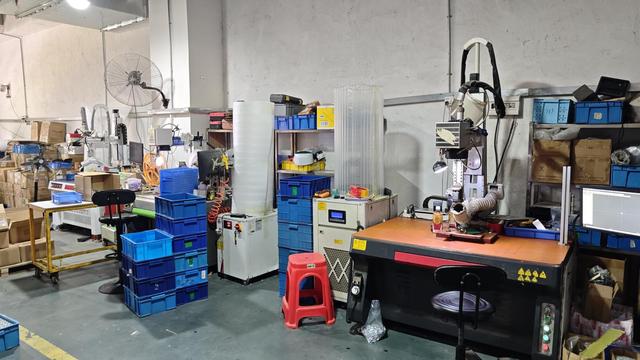
Shenzhen Ansar Energy Co., Ltd. is a professional manufacturer specializing in solar energy storage batteries and integrated renewable energy solutions for residential, commercial, and industrial applications. Established in 2015 and headquartered in Shenzhen, Guangdong Province, China, the company is committed to supporting the global transition toward sustainable energy through advanced battery storage technologies and intelligent power management systems. With a modern manufacturing facility covering more than 18,000 square meters and a workforce of over 250 employees, Ansar Energy serves customers across international renewable energy markets.
The company's core product portfolio includes solar energy storage batteries, residential energy storage systems, commercial battery storage solutions, industrial energy storage systems, off-grid solar battery systems, hybrid energy storage solutions, backup power batteries, lithium battery packs, and smart battery management systems. These products are widely used in residential solar installations, commercial buildings, industrial facilities, microgrid projects, telecommunications infrastructure, emergency backup power applications, and renewable energy integration projects.
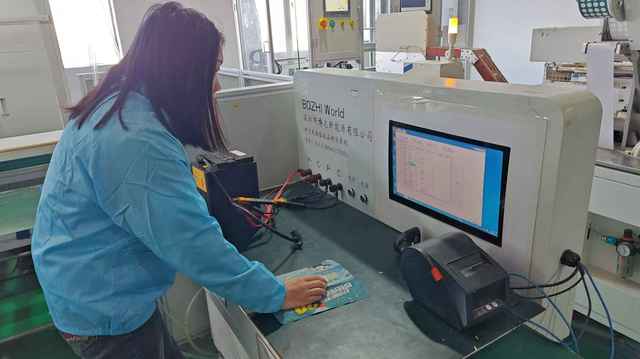
Ansar Energy operates advanced battery assembly lines, testing laboratories, and quality control facilities equipped with modern manufacturing technologies. The company follows strict quality management procedures throughout product design, cell integration, system assembly, testing, and final inspection to ensure dependable performance, safety, and long-term reliability. Continuous investment in research and development enables the company to improve energy efficiency, battery lifespan, and system intelligence.
In addition to standard products, Ansar Energy provides OEM and ODM manufacturing services, offering customized battery capacities, system configurations, branding solutions, and project-specific energy storage designs. The company collaborates closely with solar installers, energy developers, distributors, and system integrators worldwide.
Driven by innovation, sustainability, and customer-focused engineering, Shenzhen Ansar Energy Co., Ltd. is dedicated to delivering reliable solar energy storage solutions that help customers achieve greater energy independence, operational efficiency, and long-term renewable energy value.
How modular rack-mounted systems are custom-deployed to solve operational challenges for utilities, mining operations, remote locations, and data centers.
Unstable localized utility grids can result in telecom dropouts. Standardized rack-mounted 48V LFP batteries integrate directly into preexisting telecom base-station cabinets. Combined with 4G remote cloud monitoring platforms, system operators can track battery SoC, health diagnostics, and temperature remotely, significantly minimizing dispatch maintenance costs.
Large-scale distribution facilities and multi-chain retail environments face steep demand-charge tariffs during specific operational windows. Installing high-voltage stackable battery cabinets allows facilities to store energy during off-peak hours and discharge during high-demand periods. This structure stabilizes local transformers and reduces monthly utility bills.
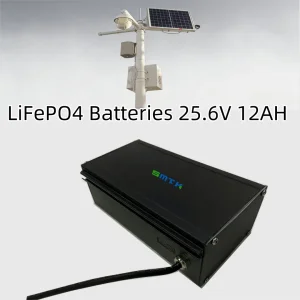
Off-grid remote irrigation networks depend on stable power to operate water pumps. Our deep-cycle low-temperature resistant IP67 battery solutions operate in demanding environmental conditions down to -20°C, helping smart agricultural setups operate without manual intervention through cloud-integrated solar-street and pump installations.
A look at our detailed engineering steps to deliver bespoke battery energy storage cabinets from initial requirement analysis to site commissioning.
We analyze your localized load curve, peak profiles, and environmental parameters to design the optimal power-to-energy ratio (MW/MWh).
Our engineering team develops communication protocols (Modbus, CAN, Profinet) to integrate with target hybrid inverters.
Cells undergo aging tests, laser welding, and insulation testing. Finished racks undergo system load testing at full operational parameters.
Batteries are shipped in robust packaging, complete with installation drawings, engineering layout files, and remote commissioning assistance.
Detailed technical answers addressing standard inquiries on battery management, thermal mitigation, and site integration.
While Lead-Carbon batteries offer a cost-effective solution for specific high-rate charging applications, LFP (Lithium Iron Phosphate) delivers much higher energy density, lower weight, and significantly longer cycle lives. A standard LFP module easily supports more than 6,000 complete charging cycles at 80% Depth of Discharge (DoD), whereas a Lead-Carbon alternative typically operates within 1,500 to 2,500 cycles under similar stresses. LFP also features a round-trip system efficiency of over 95% compared to Lead-Carbon's 82%-88%, reducing operational thermal loss.
The integrated smart BMS tracks voltage, current, and temperature parameters across individual cell levels in real time. If temperatures cross safe parameters, the system triggers multi-stage alarm thresholds, automatically throttles back active charging currents, or isolates affected cells. Our systems also feature over-current, over-charge, and short-circuit protection circuits, alongside physical safety vents and integrated fire mitigation materials inside the module casing.
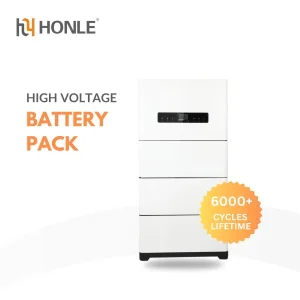
Low-voltage (48V/51.2V) configurations are standard for residential, light commercial, and telecommunication tower sites where system capacity requirements remain below 30kWh. Low-voltage layouts simplify installation and comply with local low-risk building codes. Conversely, high-voltage stackable configurations (300V to 800V+) are designed for commercial, industrial, and large microgrid facilities. High-voltage setups minimize system wiring sizes, reduce electrical losses across inverters, and improve overall system efficiency.
Yes, our R&D engineering team specializes in protocol matching. We customize and pre-program internal BMS microcode to communicate directly with global tier-one hybrid inverters (including SMA, Growatt, Victron, Deye, Sungrow, GoodWe, and Megarevo) via CAN bus, RS485, or Modbus interfaces, facilitating quick on-site commissioning.
For demanding environments like solar-powered municipal street lighting or cold storage facilities, we utilize specialized cell formulations combined with internal heating elements managed by the BMS. The sealed IP67 enclosure prevents dust and moisture ingress, while the heating elements keep cell core temperatures within optimal operating limits, maintaining reliable discharge performance down to -20°C.
Explore our complete commercial systems, high-voltage stackable units, and outdoor containerized energy storage solutions.
 Ansar Energy