In the landscape of global electrification, Shenzhen Ansar Energy Co., Ltd. stands as a beacon of engineering excellence. Established in 2015, we have evolved from a specialized battery assembly unit into a world-class manufacturer and CE certified exporter of standby power management systems. Headquartered in the technological hub of Shenzhen, China, our mission is to catalyze the global transition toward sustainable energy.
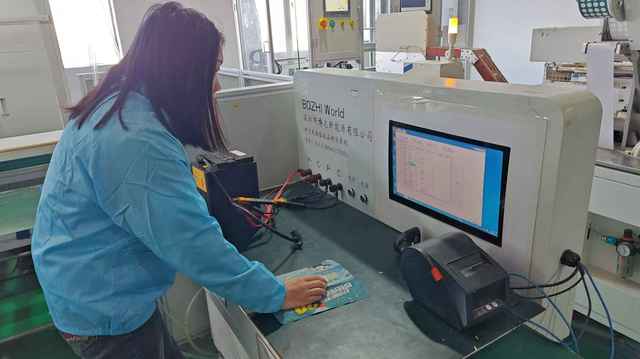
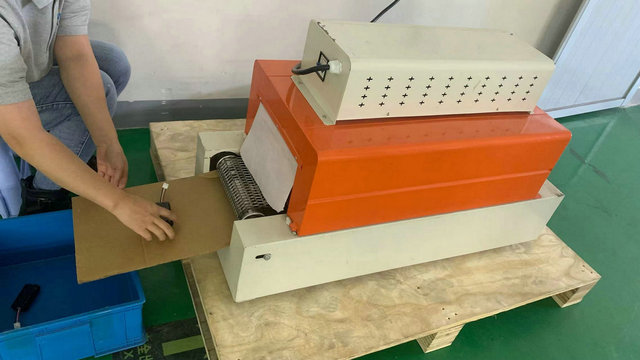
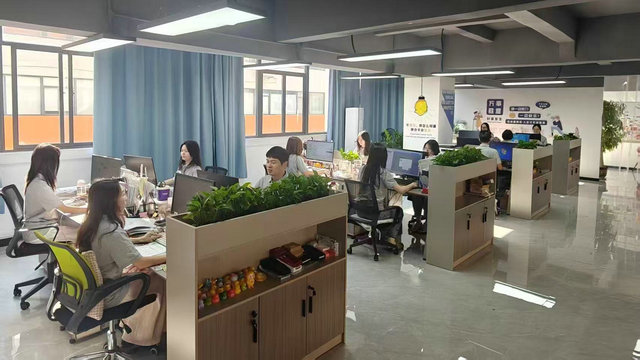
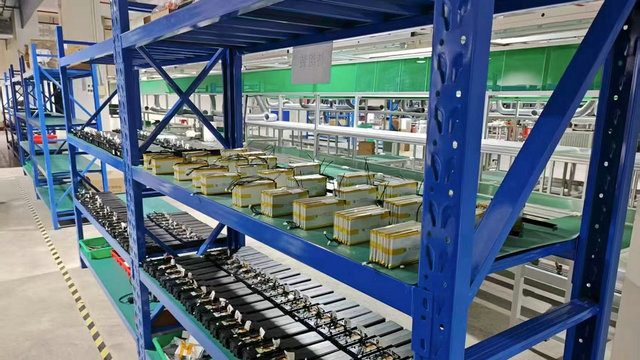
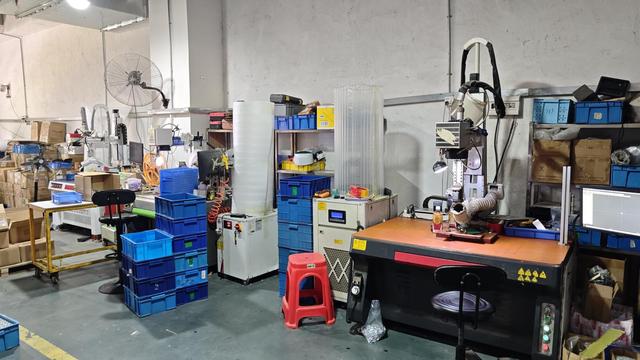
Our facility spans over 18,000 square meters, housing state-of-the-art automated production lines and high-precision testing laboratories. With a dedicated workforce of over 250 professionals, including a core R&D team focused on power electronics and chemical engineering, we deliver systems that are not just batteries, but intelligent energy assets.
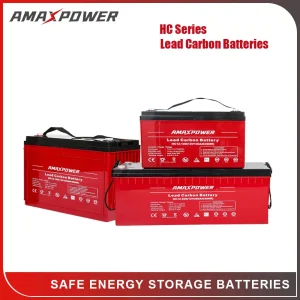
Focused on immediate short-term power delivery using lead-acid technology. High maintenance and low energy density.
Transition to LiFePO4 (Lithium Iron Phosphate). Higher cycle life (6000+), zero maintenance, and compact footprints.
Current era: Integration of Smart BMS and AI for predictive maintenance, peak shaving, and grid-frequency regulation.
Modern standby power management is no longer a passive "insurance policy." It is a dynamic tool for Revenue Generation and Operational Efficiency. By leveraging CE certified exporters like Ansar Energy, global enterprises can implement "Peak Shaving" strategies—discharging stored energy during high-tariff periods to significantly reduce utility costs.
For procurement directors and EPC (Engineering, Procurement, and Construction) contractors, sourcing standby power management systems requires a deep dive into compliance and reliability. As a leading exporter, we recognize the diverse needs of different markets:
Ansar Energy addresses these through OEM/ODM flexibility. We customize battery capacities, system configurations, and branding to meet specific project localized requirements.
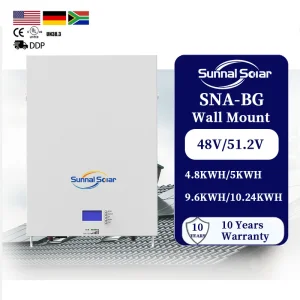
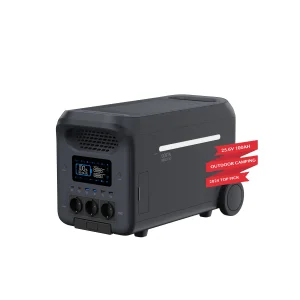
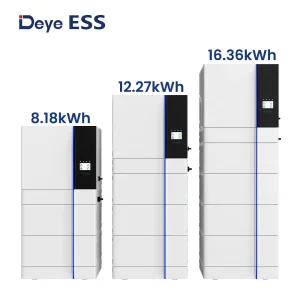
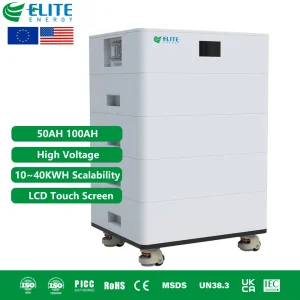
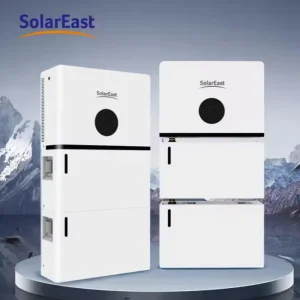
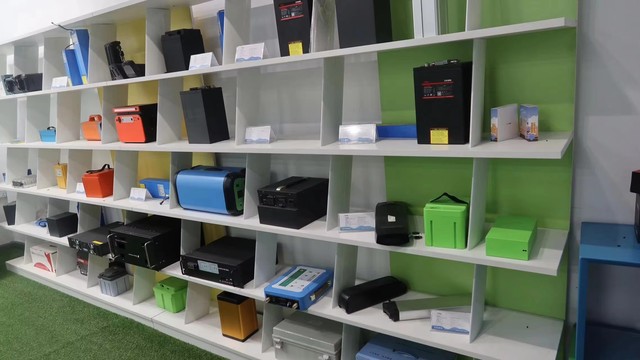
Stackable and wall-mounted LiFePO4 solutions (5kWh to 30kWh) designed for modern smart homes, ensuring 24/7 power during grid instability.
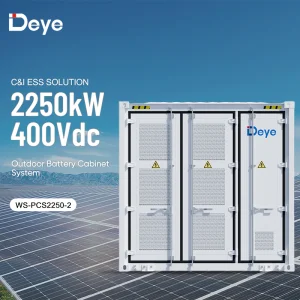
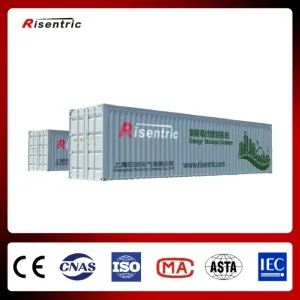
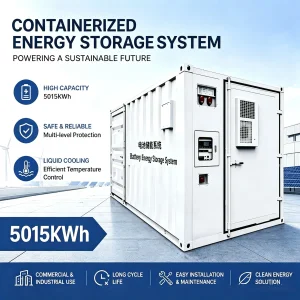
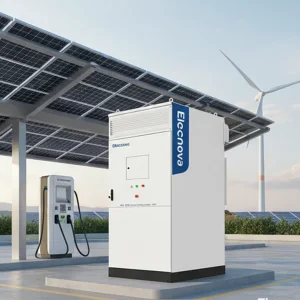
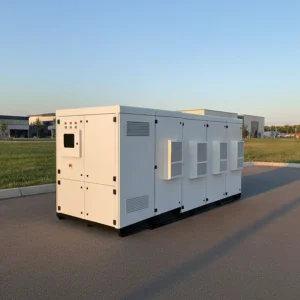
Containerized solutions (up to 5MWh) featuring liquid cooling technology to stabilize power for sensitive manufacturing processes.
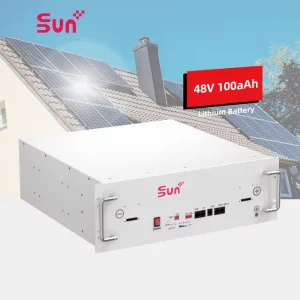
Rack-mounted high-density lithium modules designed for remote base stations where reliability and remote monitoring are paramount.
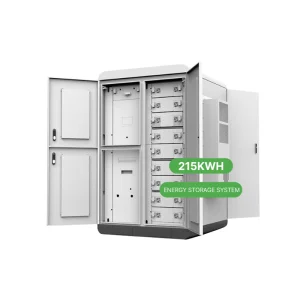
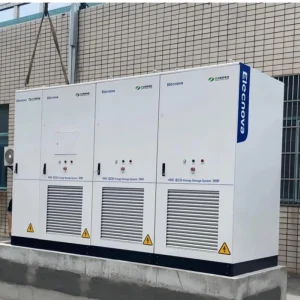
Advanced PCS (Power Conversion Systems) that allow commercial buildings to buy energy when cheap and use it when expensive.
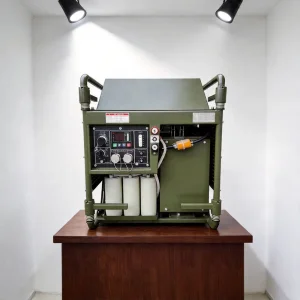
Rapid-deployment mobile energy storage units for disaster relief and temporary medical facilities.
Our R&D team works with you to design bespoke energy storage systems from the cell level to the cloud-monitoring software.
The future of Standby Power Management is intrinsically linked to three pillars: Density, Intelligence, and Sustainability.
1. Thermal Management Innovation: We are transitioning from air-cooled systems to advanced Liquid Cooling for our large-scale BESS. This increases cell life by 20% by maintaining an optimal temperature delta across the entire battery pack.
2. Cloud-Based BMS (Battery Management Systems): Integration with IoT allows for real-time health monitoring (SoH) and state-of-charge (SoC) prediction using machine learning algorithms, preventing failures before they occur.
3. Circular Economy: Ansar Energy is actively researching "Second-Life" applications for EV batteries, repurposing them for stationary standby power to minimize environmental impact.
A: CE certification ensures the system meets European Union safety, health, and environmental protection requirements. For lithium batteries, this involves rigorous testing of the BMS under fault conditions, electromagnetic compatibility (EMC), and low voltage safety (LVD).
A: LiFePO4 (Lithium Iron Phosphate) offers superior thermal stability and a much longer cycle life (6000+ cycles vs 1000-2000 for NCM). It is non-flammable and safer for indoor residential and high-density commercial installations.
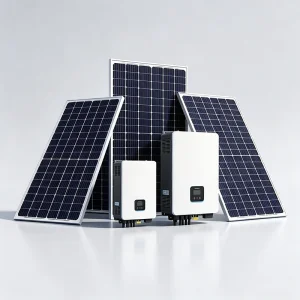
A: Yes, our hybrid PCS and AC-coupled solutions are designed to integrate seamlessly with both new and existing photovoltaic (PV) systems, enabling retrofitting for energy storage.
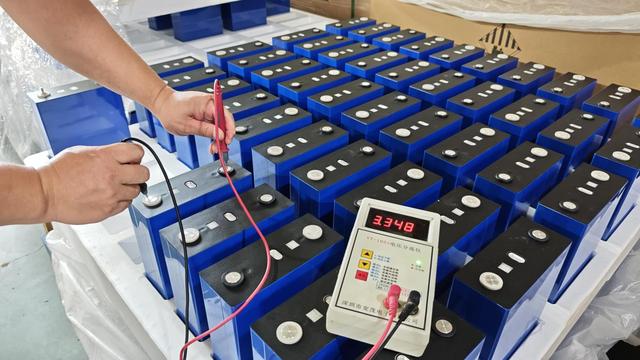
A: We employ a "Zero-Defect" quality control protocol, which includes 100% EOL (End of Line) testing, cell grading via automated sorting, and 72-hour aging tests for every integrated system.
 Ansar Energy