Pre-configured configurations for Lesotho's unique altitude, grid dynamics, and off-grid telecommunication needs.
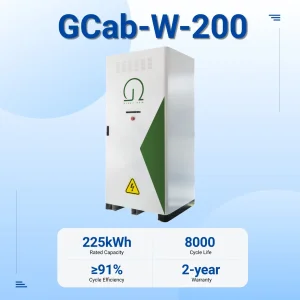
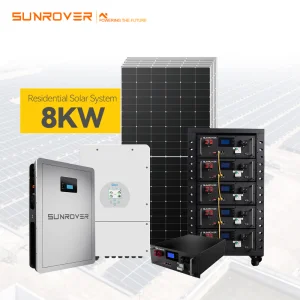
Optimized for peak shaving, voltage sag mitigation, and remote application deployment in Lesotho's highlands.
Lesotho, geographically situated as a landlocked high-altitude nation completely enclosed by South Africa, faces a multifaceted energy paradigm. Historically reliant on power imports from ESKOM in South Africa and Electricidade de Moçambique (EDM) to balance the seasonal fluctuations of the Muela Hydroelectric Power Station, the Kingdom of Lesotho is highly vulnerable to regional power supply disruptions and fluctuating import tariffs. Consequently, securing local, self-reliant renewable generation is not merely an environmental goal; it is a critical driver for national economic resilience.
For Lesotho's primary commercial and industrial sectors—such as high-altitude diamond mining in Letseng, garment manufacturing hubs in Maseru's Thetsane Industrial Area, and agricultural operations along the lowlands—sudden voltage fluctuations and national load shedding present immediate operational risks. System blackouts lead to production downtime, costly machinery repairs, and reduced competitiveness on the global stage. Deploying localized photovoltaic (PV) generation integrated with intelligent Battery Energy Storage Systems (BESS) is the standard method for mitigating grid vulnerabilities.
Additionally, Lesotho’s geographic terrain presents distinct environmental conditions. With the lowest point of elevation situated above 1,400 meters and the peak elevations of the Maloti Mountains reaching over 3,400 meters, energy systems must operate in conditions of atmospheric thinning and extreme temperature variations. Standard consumer-grade energy systems struggle with temperature changes that range from sub-zero winter nights to hot summer afternoons. Shenzhen Ansar Energy Co., Ltd. supplies high-performance, industrial-grade Smart Solar Battery Management Systems engineered to operate under these challenging highland conditions.
Engineering stable, high-efficiency energy storage designed for high-altitude environments and variable solar inputs.
A Solar Battery Management System (BMS) is the core processor of any modern energy storage configuration. For the Lesotho market, where high altitude restricts heat dissipation due to lower air density, standard passive cooling mechanisms are often insufficient. Ansar Energy's Smart BMS line features advanced thermal monitoring and control interfaces, utilizing active balancing topology alongside high-grade components to maintain cell equilibrium, improve safety, and extend battery operational lifespan.
In standard residential and commercial systems, passive balancing is the primary method used. It discharges excess energy from high-voltage cells through resistive heat dissipation. However, at high altitudes, dissipating heat through resistors increases thermal stress on the surrounding electronics. Our smart BMS models incorporate 2A Active Balancing technology. Instead of wasting energy as heat, the active balancer transfers charge dynamically from cells with higher State of Charge (SoC) to those with lower SoC. This improves system efficiency, minimizes cell degradation, and ensures that the maximum capacity of the battery pack is utilized, even after thousands of charge-discharge cycles.
Safety is a priority, especially when energy storage units are installed at remote telecommunications towers in Mokhotlong or agricultural processing plants in Leribe. Our Smart BMS provides complete protection against:
Using accurate coulomb-counting algorithms paired with open-circuit voltage modeling, the BMS continuously tracks state parameters. This ensures that facility energy managers have real-time visibility into remaining capacity, preventing unexpected power outages. This data is transmitted to the cloud via integrated 4G gateways, enabling remote system diagnostics from anywhere in Lesotho.
Delivering reliable power to Lesotho's remote locations, agricultural lands, and industrial hubs.
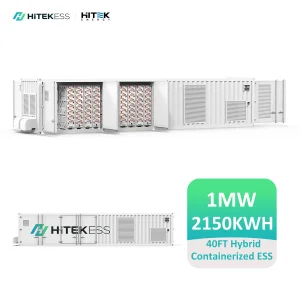
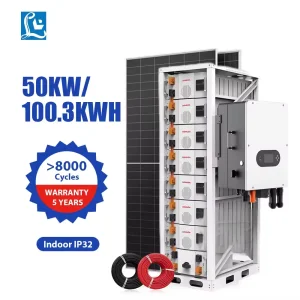
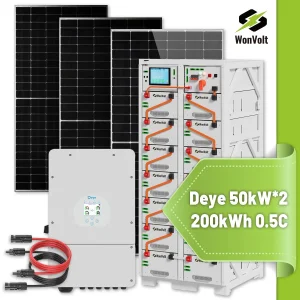
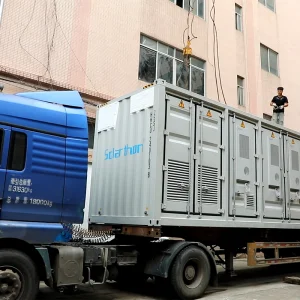
Remote operations in areas like Letseng require independent energy systems. Our high-capacity 1MW-10MW containerized BESS units provide grid-quality power, buffer heavy-machinery motor starts, and integrate with local PV arrays to minimize reliance on diesel fuel transportation.
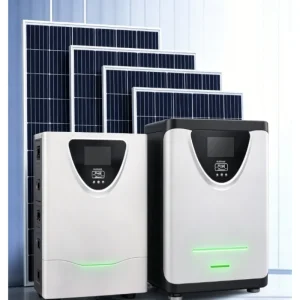
Tourism in areas like Semonkong depends on reliable, quiet power systems. Our All-in-One LiFePO4 Energy Storage Systems deliver clean electricity for heating, lighting, and hospitality services, replacing noisy, high-emission diesel generators.
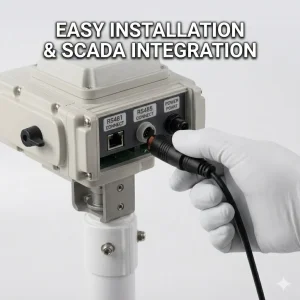
Remote telecommunication towers on Maloti mountain ridges require reliable power systems. The Smart 300A BMS with RS485/CAN communication links with 4G modems, allowing remote telecom operators to monitor system performance and battery health remotely.
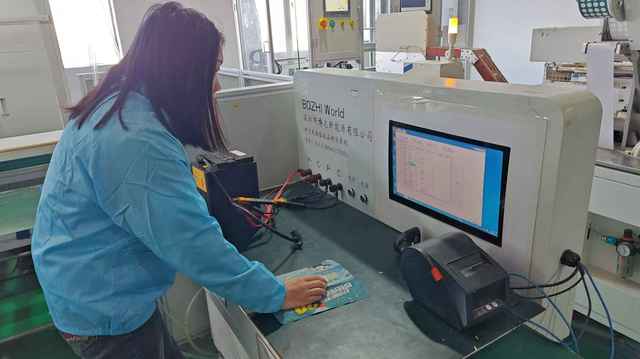
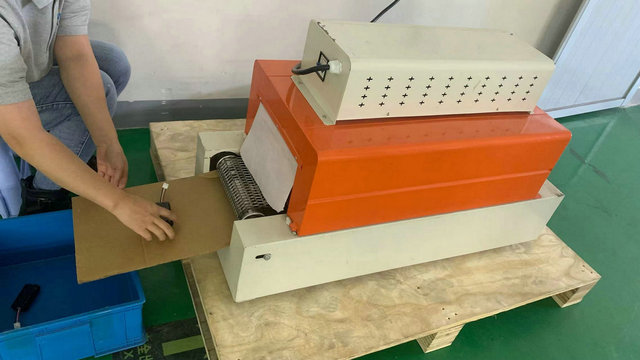
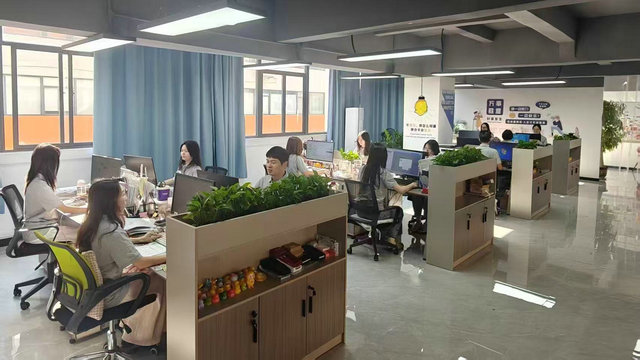
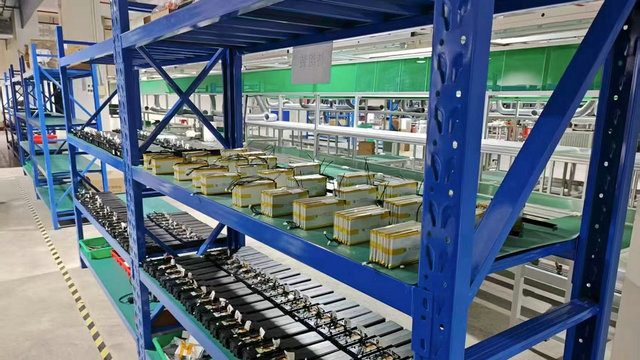
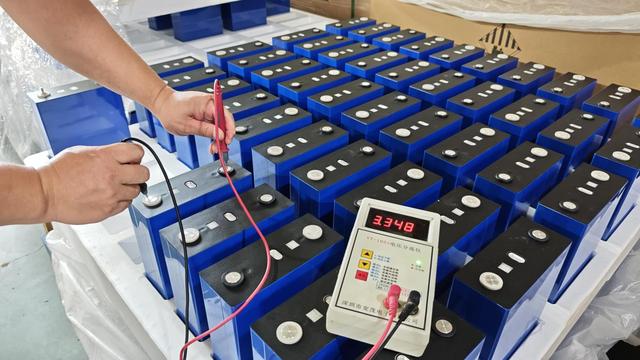
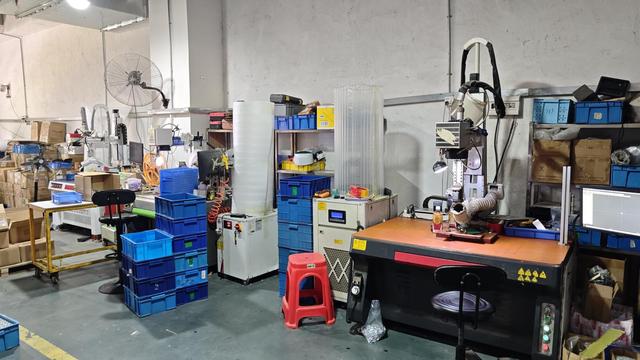
Founded in 2015 and headquartered in Shenzhen, the global hub for battery innovation, Shenzhen Ansar Energy Co., Ltd. is an industry leader in designing and manufacturing smart energy storage systems. Our facility covers over 18,000 square meters and houses advanced production lines, automated aging chambers, and testing laboratories. With a workforce of more than 250 employees, including 40+ R&D engineers, we are focused on developing reliable, high-performance battery technologies.
For our clients in Lesotho, sourcing equipment from Ansar Energy provides several key benefits:
Through our established logistics partnerships, we coordinate shipping from Shenzhen directly to the Port of Durban, South Africa, followed by secure overland transit to Maseru, Mafeteng, or directly to highland job sites.
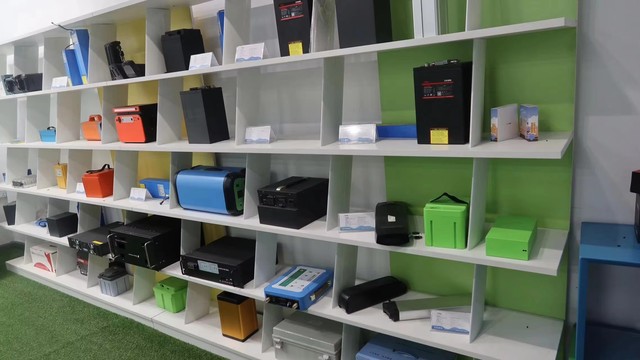
High-efficiency, smart energy storage products engineered to perform in the challenging southern African market.

Common technical questions from project developers, commercial operators, and engineering firms.
At high altitudes (above 1,500m), air density decreases. This reduces the heat dissipation capacity of air-cooled inverters and power electronics, which can lead to thermal derating. Ansar Energy addresses this by using oversized heat sinks, premium components, and intelligent thermal management in our BMS, ensuring stable performance in Lesotho's highland regions.
Lithium-ion cells can suffer from lithium plating if charged below freezing (0°C). Our Smart BMS monitors cell temperature and can activate integrated pre-heating strips before starting the charging cycle. This design protects the battery health and maintains reliable performance during Lesotho's cold winters.
Standard passive balancing discharges excess energy as heat through resistors, which can create hot spots within the battery pack. Our 2A Active Balancing technology transfers energy from higher-voltage cells to lower-voltage cells. This improves cell uniformity, increases total usable capacity, and extends the overall battery lifespan.
Yes. Our commercial and industrial energy storage systems are equipped with smart hybrid inverters that comply with regional grid standards. They support peak shaving, grid-tied export limits, and offer a fast transition to backup power (less than 10ms) during grid failures or load shedding.
We manage the logistics from our Shenzhen facility to the Port of Durban, South Africa. From Durban, the equipment is transported by road or rail through the Maseru Border Post, Maputsoe, or other customs entries, directly to your project site in Lesotho.
Our engineering team provides comprehensive system design, local grid integration consultancy, and customized BMS programming. Contact our Shenzhen headquarters for detailed project pricing, spec sheets, and shipping timelines to Lesotho.
 Ansar Energy