Tailored Energy Storage Systems (ESS) optimized for Norway's cold climate and strict grid regulations.
As Norway aggressively pursues its goal of becoming a low-emission society by 2050, the commercial and industrial (C&I) sectors are facing unprecedented shifts in energy management. Despite Norway's abundance of hydroelectric power, the increasing electrification of the maritime industry, transport, and the rise of energy-intensive data centers have created localized grid constraints and peak pricing challenges.
Peak Shaving: For Norwegian businesses, the "Effektledd" (capacity charge) in grid tariffs represents a significant operational cost. Our Commercial Solar Battery Systems are specifically engineered to provide "Peak Shaving" capabilities, allowing Norwegian factories and logistics hubs to reduce their maximum power draw from the grid, potentially saving hundreds of thousands of NOK annually.
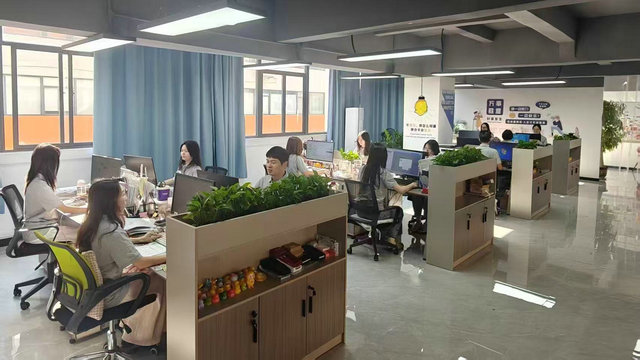
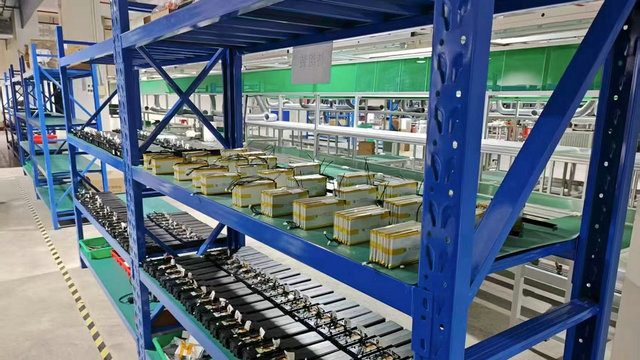
Shenzhen Ansar Energy Co., Ltd., based in the global heart of lithium-ion innovation, leverages a hyper-integrated supply chain. While European assembly plants face high labor costs and component lead times, our 18,000 sqm facility in Shenzhen ensures that we can deliver MW-scale systems to Norway in half the time and at a significantly lower Total Cost of Ownership (TCO).
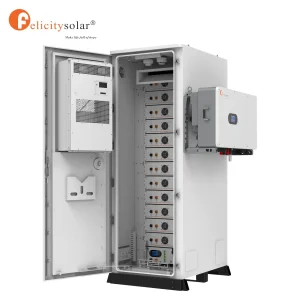
Batteries in Norway must perform at sub-zero temperatures. Our R&D team has developed proprietary Thermal Management Systems (TMS) that use liquid cooling and intelligent heating mats to ensure LiFePO4 cells remain within their optimal 20°C-30°C range, even when external temperatures in Oslo or Tromsø drop to -20°C.
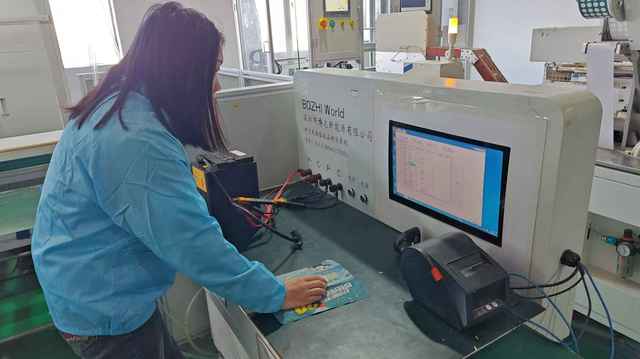
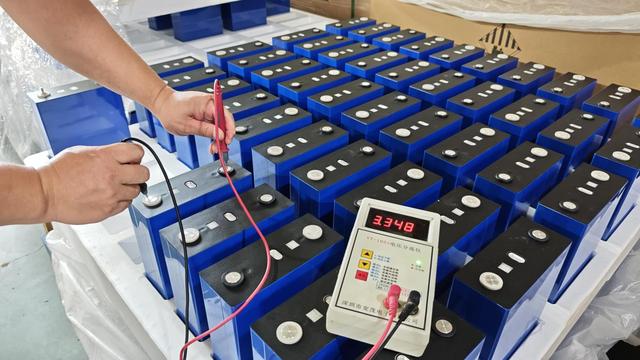
Every system leaving our factory undergoes a 72-hour continuous burn-in test and cell-balancing verification. We utilize Tier-1 cells (CATL/EVE) to ensure that the reliability expectations of Norwegian industrial clients—who demand 10-15 years of operational life—are not just met, but exceeded.
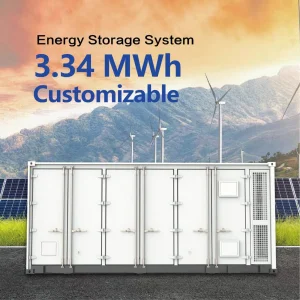
Norway's salmon farms are moving away from diesel generators. Our 500kWh battery containers provide silent, clean power for feeding systems and oxygenation pumps, integrated with floating solar arrays.
As ASKO and other logistics giants transition to electric trucks, the local grid often cannot handle 350kW fast chargers. Our BESS acts as a buffer, discharging at high power during truck arrival and recharging slowly from the grid or solar panels.
Traditional Lead-Acid UPS systems are being replaced by our Lithium ESS. Not only do they provide backup, but they also participate in Norway's FCR (Frequency Containment Reserve) market, turning a cost center into a profit center.
The global demand for Commercial and Industrial (C&I) energy storage is projected to grow at a CAGR of over 25% through 2030. This growth is driven by the decreasing Levelized Cost of Storage (LCOS) and the increasing volatility of wholesale electricity markets. In Norway, where the "Spotpris" (spot price) can vary wildly based on reservoir levels and wind output, battery storage offers a hedge against market instability.
At Ansar Energy, we focus exclusively on Lithium Iron Phosphate (LiFePO4) chemistry for our commercial systems. Why? Safety and Longevity. Unlike NCM (Nickel Cobalt Manganese) chemistries, LiFePO4 is thermally stable and significantly less prone to "thermal runaway"—a critical safety requirement for indoor installations in commercial buildings in Norway.
BMS Intelligence: Our Smart Battery Management System (BMS) integrates AI-driven SOC (State of Charge) and SOH (State of Health) estimation. This allows Norwegian facility managers to monitor their assets remotely via cloud-based dashboards, receiving alerts before maintenance is even required.
International EPC contractors and Norwegian energy developers typically require specific certifications and standards for procurement. Our systems are fully compliant with:
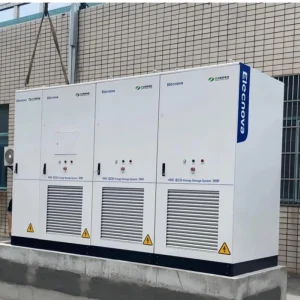
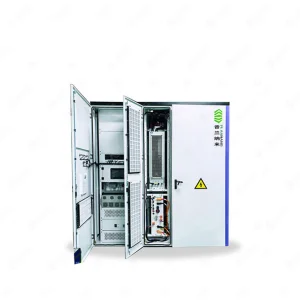
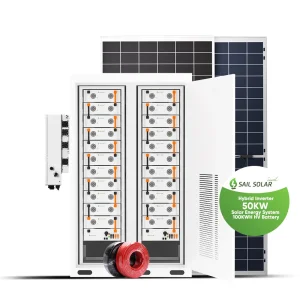
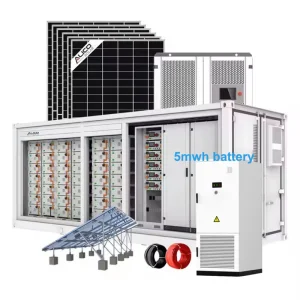
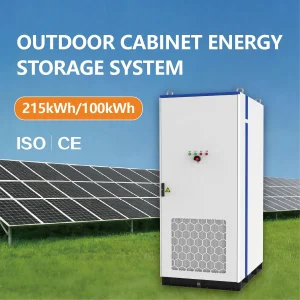
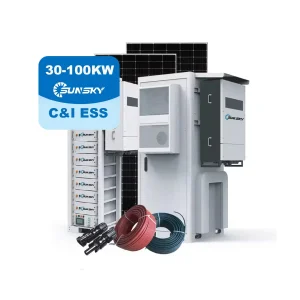
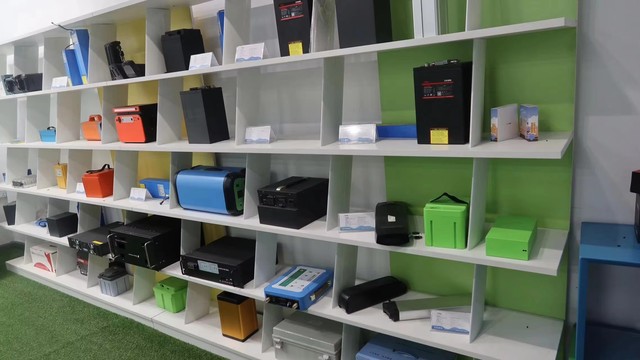
From 30kW factory units to 5MWh containerized solutions.
 Ansar Energy