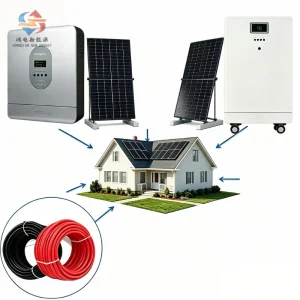
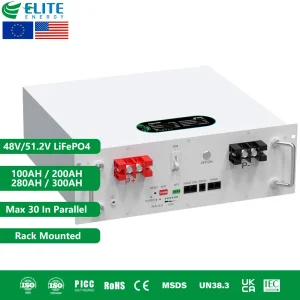
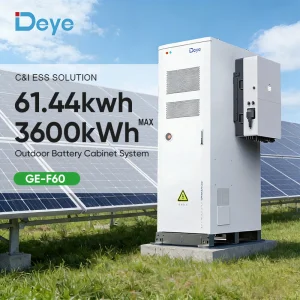
Explore our leading smart battery systems deployed globally for residential power self-sufficiency and industrial peak load shaving.
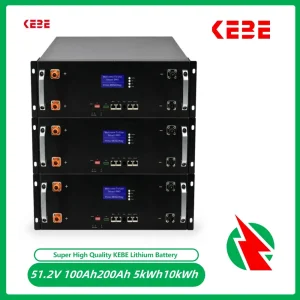
Understanding critical pain points and integration requirements of global engineering procurement professionals.
Global utility operators require advanced Smart Battery Management Systems (BMS) capable of sub-millisecond response times. Integrating primary and secondary frequency response along with seamless grid synchronization remains a high priority to stabilize fluctuating renewable generation.
Safety is non-negotiable. Procurement managers prioritize tier-1 manufacturers that implement redundant hardware architectures, isolating cell-level thermal runaway events through active gas detection, automated aerosols, and liquid cooling management.
Maximizing the Levelized Cost of Storage (LCOS) relies on micro-level cell balancing. Active balancing topologies extend operational battery lifespans by up to 30%, balancing state-of-charge (SoC) discrepancies during deep discharge cycles.
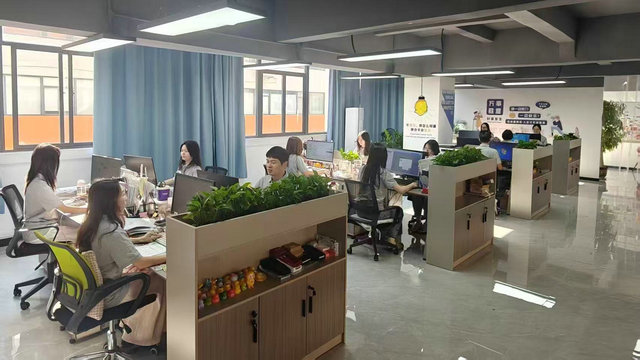
Established in 2015 and headquartered in Shenzhen, Guangdong Province, China, Shenzhen Ansar Energy Co., Ltd. is a professional manufacturer specializing in solar energy storage batteries and integrated renewable energy solutions. Serving residential, commercial, and industrial (C&I) sectors, the company operates a state-of-the-art 18,000 square meter manufacturing facility with a dedicated workforce of over 250 skilled employees.
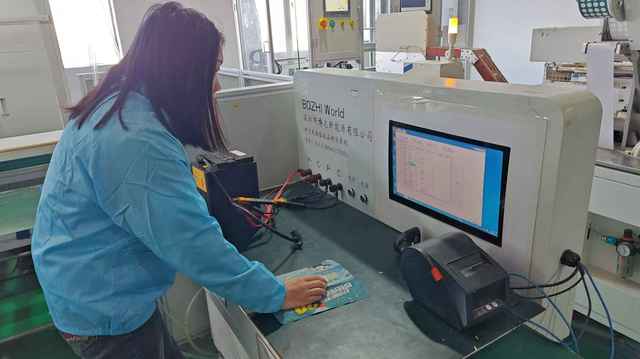
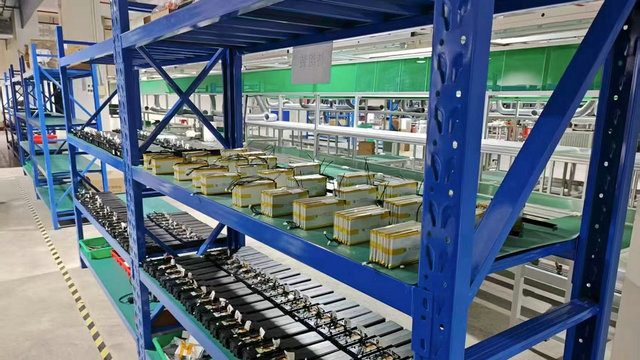
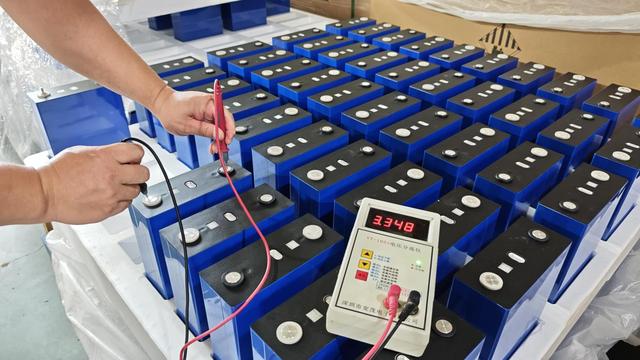
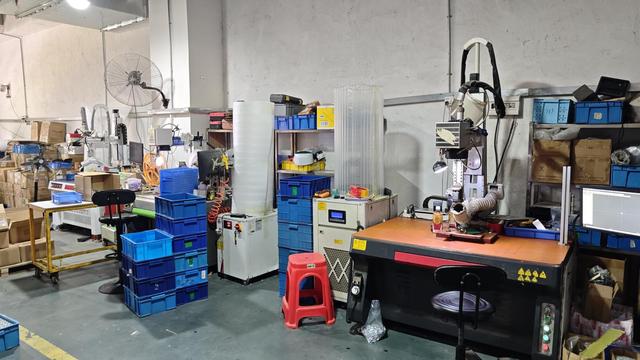
Driven by continuous investment in research and development, Ansar Energy excels in configuring advanced battery assembly lines, testing laboratories, and quality control facilities. The company follows strict quality management procedures throughout product design, cell integration, system assembly, testing, and final inspection to ensure dependable performance, safety, and long-term reliability.
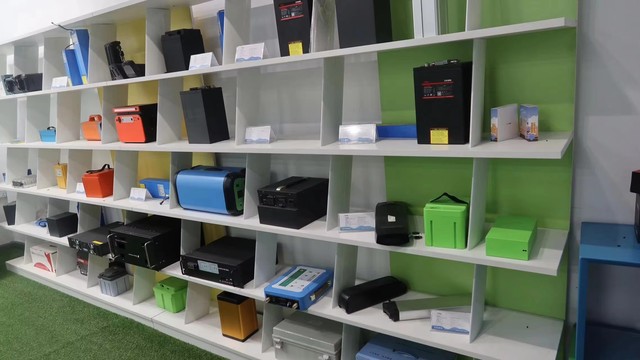
Ansar Energy provides robust OEM and ODM manufacturing services, offering customized battery capacities, tailored system configurations, customized branding solutions, and project-specific energy storage system (ESS) designs for global solar installers, energy developers, and system integrators.
Providing resilient infrastructure across multiple environments, mitigating grid reliance, and enabling intelligent power distribution.
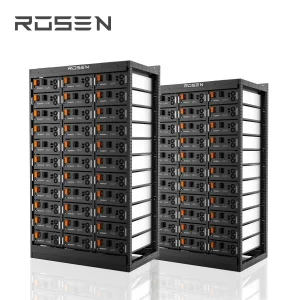
High-voltage battery racks configured for power stabilization, black start, and peak shaving services. Real-time telemetry monitoring through localized RTUs maintains grid synchronization and prevents overload events.
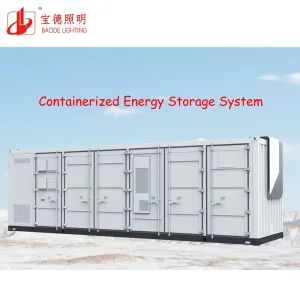
Specially engineered for manufacturing facilities and business parks to mitigate high demand charges. Multi-unit clustering controlled by central smart software dynamically discharges stored power during peak rates.
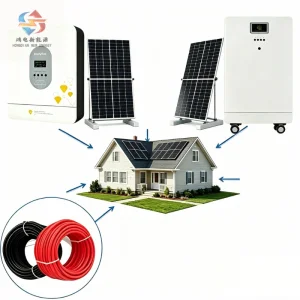
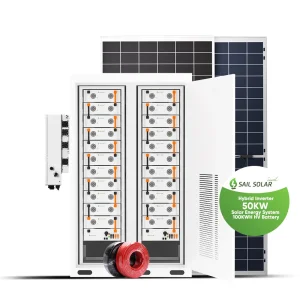
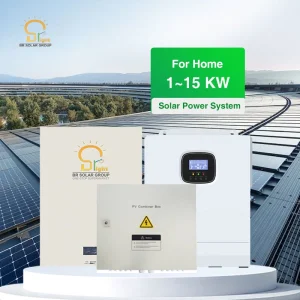
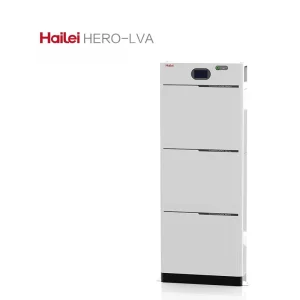
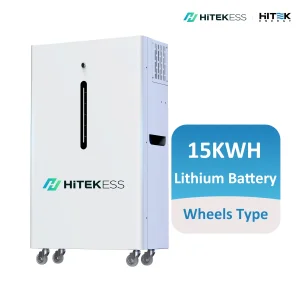
Thin stackable battery solutions integrated with hybrid inverters. Standardized protocols facilitate remote software updates, helping homeowners manage solar self-consumption and essential backup power during outages.
The progression of advanced battery management systems toward artificial intelligence integration and high-voltage efficiency.
Ansar Energy ensures that all exported systems comply with strict international regulatory bodies:
For B2B buyers, importing equipment is only half the challenge; maintaining system integration within localized electrical codes is equally vital. Ansar Energy provides field-level commissioning support, certified grid connection assistance, and direct hardware replacement options.
With an established logistics network handling high-capacity lithium transport hazards under UN38.3 protocol, we guarantee safe delivery. Our technical specialists collaborate with installation engineers across Europe, North America, and Australia to verify compliance with local safety standards, including UL9540A thermal testing protocols.
Detailed technical perspectives answering common challenges encountered by utility grid designers and procurement executives.
Explore our industrial energy storage solutions, long-life carbon-lead cells, and smart battery configurations.
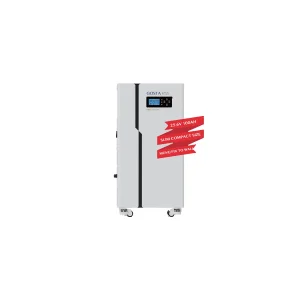
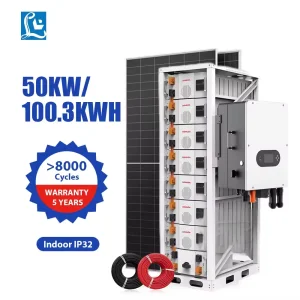
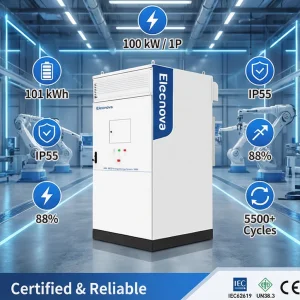
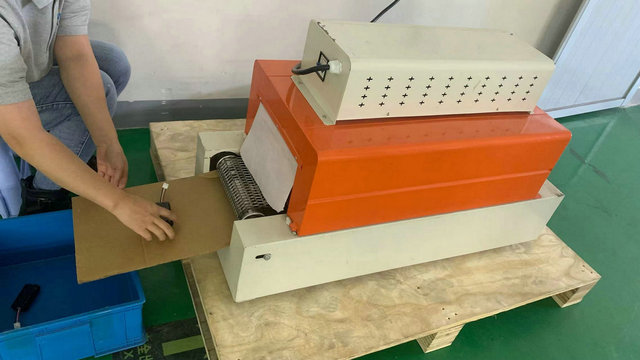
Visualizing quality control testing, module configuration, and safe container design processes inside Shenzhen Ansar Energy.
 Ansar Energy