High-efficiency components for global grid stability
As the global energy landscape undergoes a paradigm shift from centralized fossil-fuel generation to decentralized renewable sources, the demand for Grid-Scale Battery Energy Storage Systems (BESS) has reached an inflection point. Industry analysts project that the global energy storage market will reach a cumulative capacity of 1,028 GWh by 2030. In this context, selecting the right manufacturer is not just a procurement decision—it is a strategic investment in grid stability and "bankability."
Grid-scale manufacturers are no longer just battery assemblers; they are solution providers. Key industry solutions include:
The US and EU markets are driven by stringent carbon mandates, while the APAC region leads in manufacturing scale and technological innovation in LFP (Lithium Iron Phosphate) chemistry.
Adherence to UL 9540A, IEC 62619, and IEEE 1547 standards is the baseline for top-tier suppliers to ensure fire safety and grid interoperability.
Leading suppliers focus on reducing the Levelized Cost of Storage (LCOS) through increased cycle life (6000-10000 cycles) and higher round-trip efficiency (RTE).
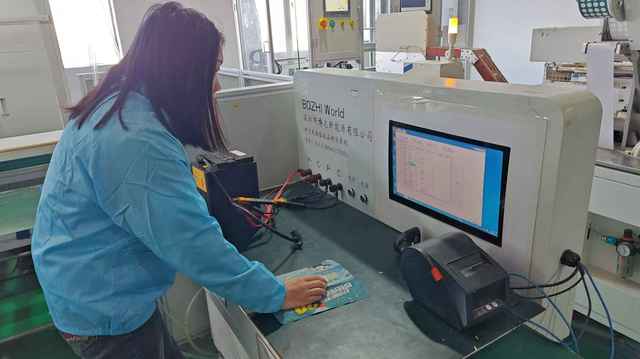
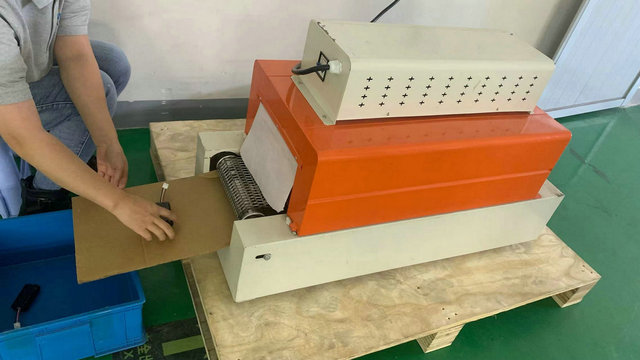
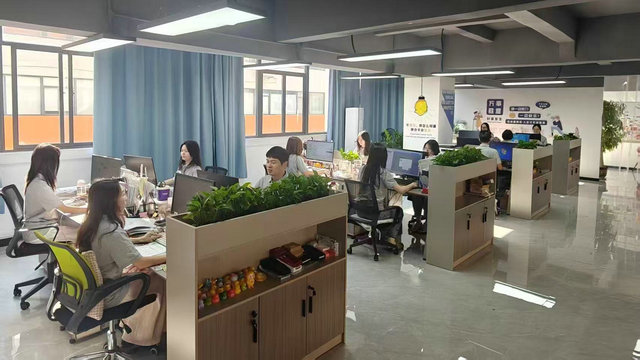
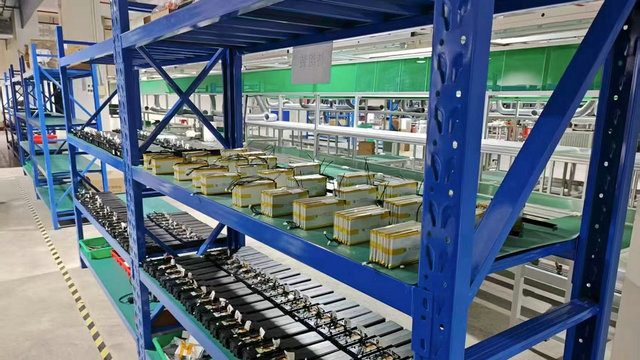
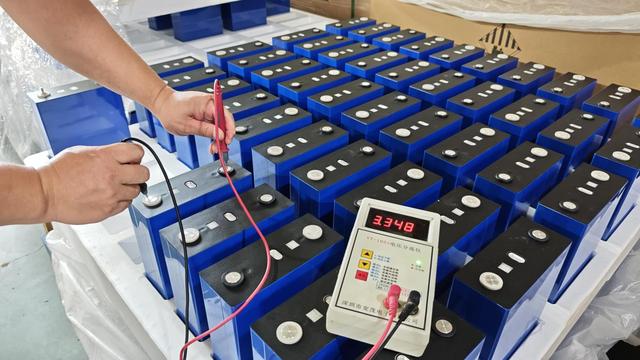
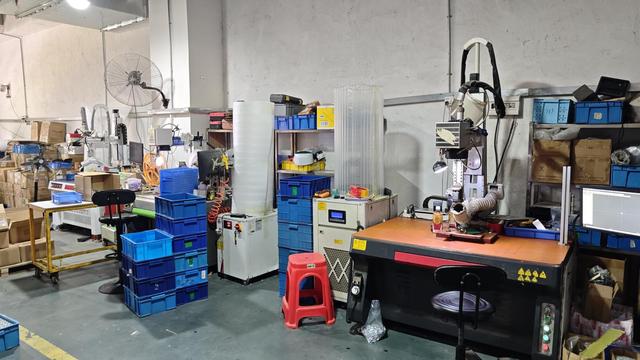
Established in 2015 and headquartered in the heart of China's technological hub, Shenzhen Ansar Energy Co., Ltd. has emerged as a cornerstone in the global transition toward sustainable energy. With a modern manufacturing facility covering more than 18,000 square meters and a dedicated workforce of over 250 specialists, Ansar Energy epitomizes the E-E-A-T (Experience, Expertise, Authoritativeness, and Trustworthiness) required for utility-scale projects.
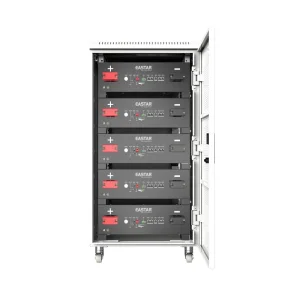
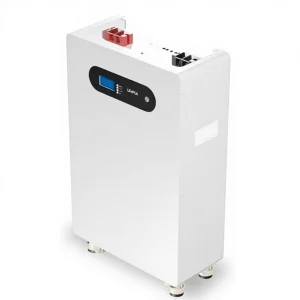
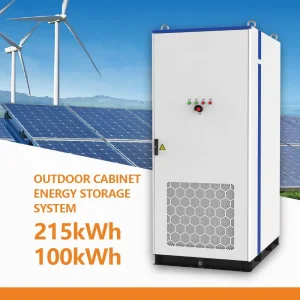
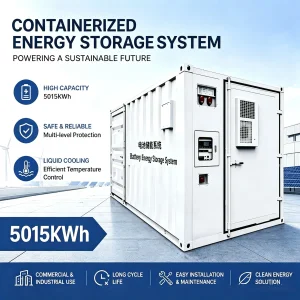
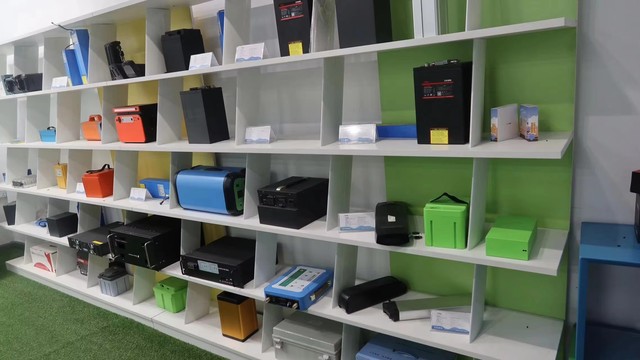
The company's core product portfolio encompasses a vertically integrated range of solutions, including industrial solar energy storage container systems, high-voltage battery racks, and smart battery management systems (BMS). These are meticulously engineered for applications ranging from telecommunications infrastructure to massive 5MWh containerized liquid-cooled BESS installations.
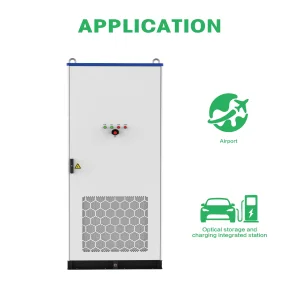
Ansar Energy recognizes that grid-scale storage is deeply regional. Different countries require different grid-code compliances. Whether it is IEEE 1547 in the United States or EN 50549 in Europe, Ansar provides project-specific engineering to ensure seamless grid interconnection. Our localized application scenarios include:
The industry is rapidly evolving beyond standard Lithium-Ion. As a forward-thinking SEO Growth Director would analyze, "Information Gain" in this sector comes from understanding the shifts in chemistry and thermal management.
For grid-scale deployments (1MWh+), liquid cooling has become the industry gold standard. By maintaining cell temperature variations within ±2°C, liquid-cooled systems like Ansar Energy’s 5MWh containerized BESS can extend battery life by 20% compared to traditional air-cooled units.
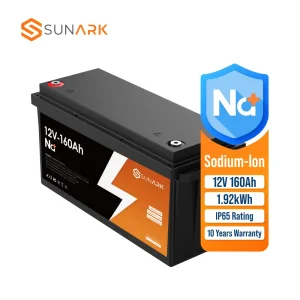
With lithium prices experiencing volatility, Na-Ion batteries (as seen in our 12V 160Ah products) are becoming the preferred choice for stationary storage where energy density is secondary to cost-effectiveness and safety in low temperatures.
The future of grid-scale storage lies in the software. Future iterations will include cloud-based digital twins that monitor the health of every single cell in a 10MWh array, allowing for predictive maintenance before a failure occurs.
OEM/ODM Capabilities: Ansar Energy provides robust OEM/ODM services, offering customized battery capacities and branding for energy developers. This flexibility is crucial for EPC contractors looking for tailored "Energy-Storage-as-a-Service" (ESaaS) hardware.
Comprehensive solutions for residential and industrial power security
 Ansar Energy