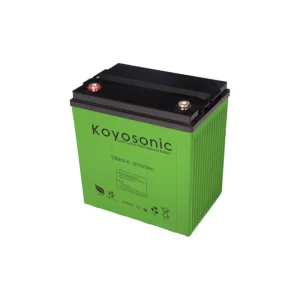
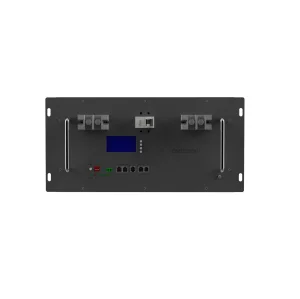
Explore our premium range of commercial, industrial, and residential backup systems designed for maximum stability and seamless grid-tie or off-grid operations.
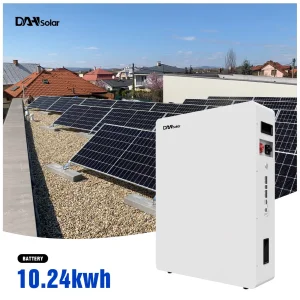
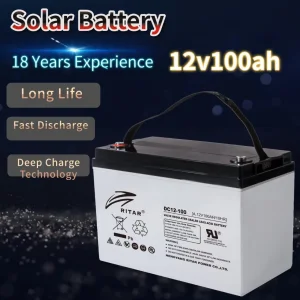
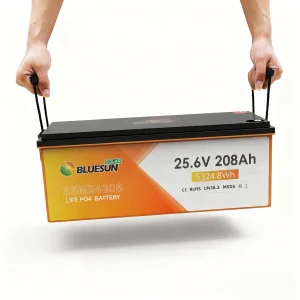
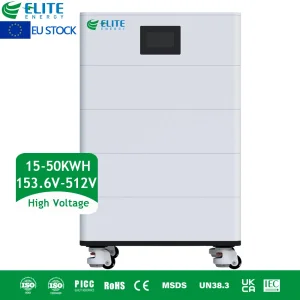
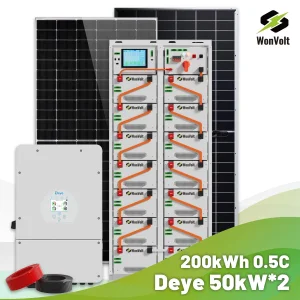
As utility rates fluctuate and extreme weather events increasingly threaten grid reliability, businesses and residences worldwide are adopting sophisticated Solar Backup Power Solutions. Global dependency on stable power requires intelligent, scalable energy storage setups that integrate lithium iron phosphate (LiFePO4) or high-density carbon technologies.
We analyze how modern manufacturing ecosystems, centered in global technology clusters like Shenzhen, Guangdong, provide key economic advantages, robust compliance matrices, and long-term sustainability benefits for global procurement teams.
A global leader in solar energy storage batteries and integrated renewable energy systems for residential, commercial, and industrial markets.
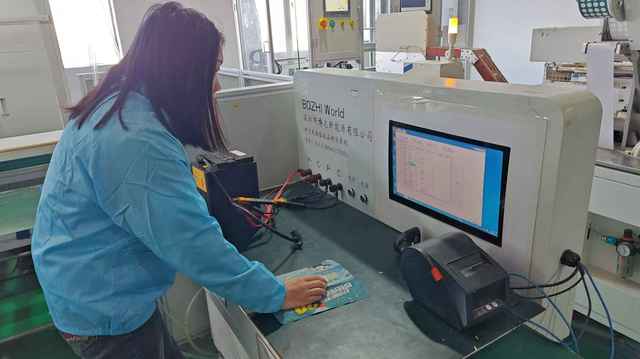
Headquartered in the global electronics capital of Shenzhen, Guangdong Province, China, Shenzhen Ansar Energy Co., Ltd. serves as a crucial partner in the transition to renewable power. Operating a modern facility of over 18,000 square meters, we manage every step of production. Our facilities feature advanced automatic cell grading, battery assembly lines, testing laboratories, and strict quality control stations.
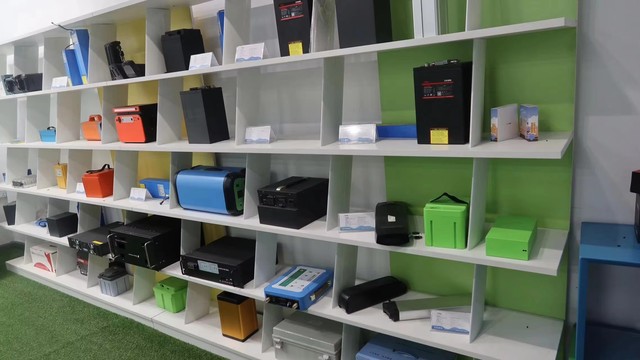
Our core portfolio spans solar energy storage batteries, residential energy storage cabinets, commercial battery storage (BESS), utility-scale microgrid systems, emergency telecom backup batteries, and smart, cloud-managed Battery Management Systems (BMS). Through continuous investment in R&D, we push boundaries in thermal management, system round-trip efficiency, and battery safety.
Different solar backup scenarios demand distinct chemical architectures. Compare our main technological solutions below to match your grid demands.
| Technology / Attribute | LiFePO4 (Lithium Iron Phosphate) | Lead-Carbon (Advanced Carbon) | AGM / Gel Deep Cycle |
|---|---|---|---|
| Nominal Life Cycle | > 6,000 cycles @ 80% DOD | 3,000 - 4,000 cycles @ 50% DOD | 800 - 1,200 cycles @ 50% DOD |
| Energy Density | High (140-160 Wh/kg) | Moderate (45-60 Wh/kg) | Low (30-40 Wh/kg) |
| Optimal Applications | High-frequency daily cycling, space-constrained residential & C&I sites. | Distributed storage, backup grid configurations, partial state of charge (PSoC). | Standby emergency backup, low-budget domestic solar, telecom stations. |
| BMS Requirement | Mandatory (Integrated Smart Active BMS) | Optional / Recommended | Not required |
| Operating Temperature | -20°C to +60°C | -25°C to +55°C | -15°C to +40°C |
Understanding how the integration of raw materials, optimized manufacturing logistics, and engineering agility lowers the total cost of ownership (TCO).
By securing direct supply agreements for Class-A LFP cells and combining automated packaging assembly under one roof, we eliminate intermediate supply markups, saving up to 25% on wholesale orders.
Our OEM/ODM services allow clients to adapt capacity thresholds, change system footprints, print custom labels, and design enclosures matching localized safety parameters and structural constraints.
Strategic logistics networks out of Shenzhen enable optimized shipping paths. With options for EU-stocked inventory and rapid containerized dispatch, we minimize your lead times from months to weeks.
From residential neighborhoods to heavy industrial plants and remote off-grid locations, our energy storage solutions provide continuous reliability.
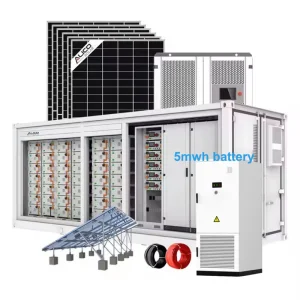
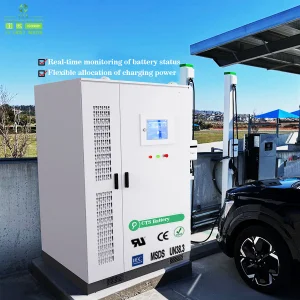
For manufacturing facilities facing high peak-demand electricity tariffs, our BESS cabinets (such as the 500kW/1MWh solution) store energy during off-peak hours and discharge during demand peaks. This optimizes utility bills and offsets operational overheads.
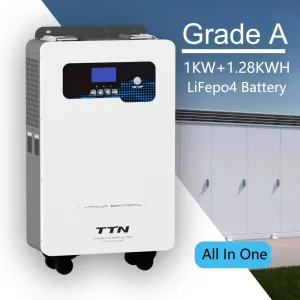
Our stackable residential battery packs provide high-voltage operation. By minimizing transformation losses, homes maintain reliable backup during grid dropouts, maximizing solar self-consumption rates day and night.
Remote cellular repeaters and microgrids depend on our ruggedized outdoor and rack-mounted units. Equipped with pre-installed conduits, simplified wiring access points, and durable enclosures, these batteries withstand harsh environmental conditions.
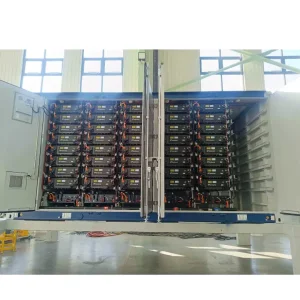
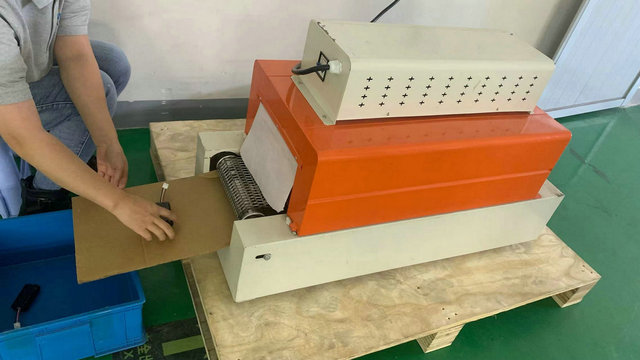
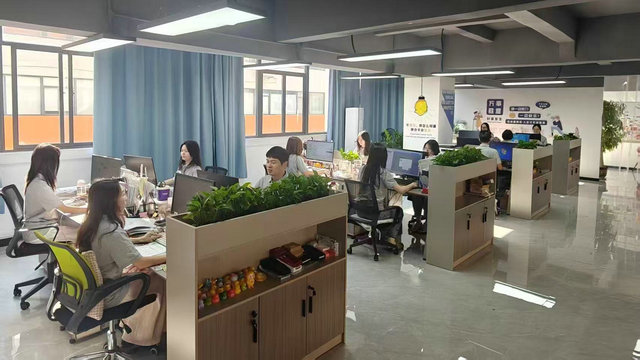
Take a closer look at our Shenzhen production campus, where state-of-the-art battery assembly lines and testing facilities ensure performance and safety standards.
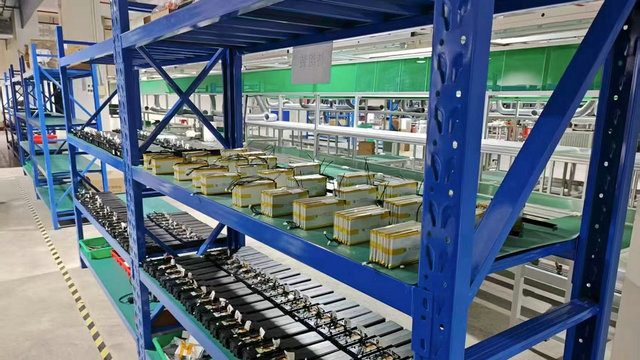
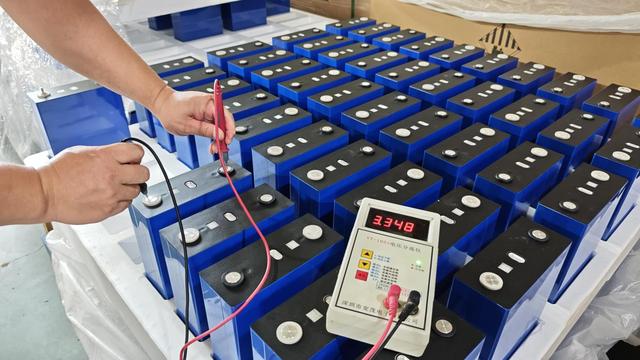
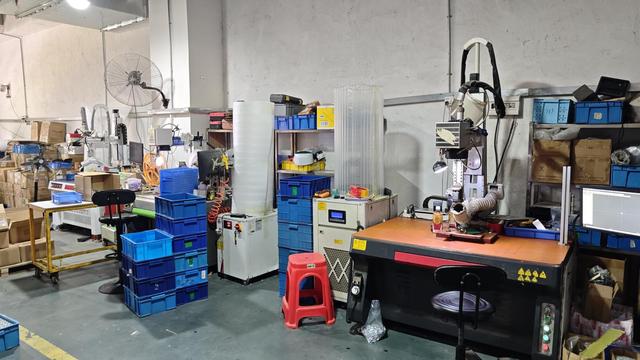
Explore our premium range of commercial, industrial, and residential backup systems designed for maximum stability and seamless grid-tie or off-grid operations.
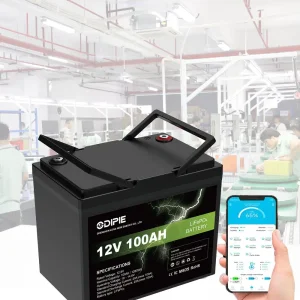
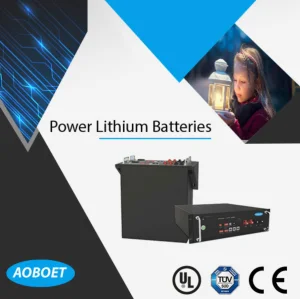
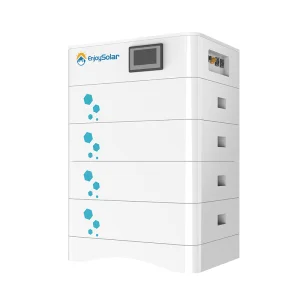
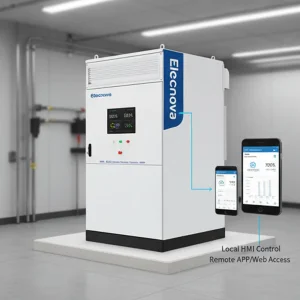
Essential technical and procurement questions answered directly by our engineering and logistics specialists.
LiFePO4 (Lithium Iron Phosphate) offers exceptional safety profile, thermal stability, and long service life. It supports up to 6000 cycles at 80% Depth of Discharge (DOD) without substantial degradation, unlike traditional lead-acid chemistries which struggle past 1000 cycles. Furthermore, LiFePO4 cells are non-toxic, pose minimal thermal runaway risks, and operate efficiently across a wide range of temperatures.
Our products undergo rigorous certification procedures to comply with international safety regulations, including UL 1973, UL 9540A (thermal runaway propagation test), IEC 62619 for industrial applications, and CE-EMC. All batteries shipped conform to UN 38.3 packaging and transport rules, ensuring hassle-free imports and local utility interconnection approvals.
Yes. As a direct manufacturer, we offer comprehensive OEM and ODM manufacturing services. This includes configuring specific capacities (from 5kWh home batteries to multi-megawatt containerized BESS setups), engineering tailored battery management systems (BMS), integrating communication protocols (CAN, RS485, Modbus), and offering private labeling/custom packaging options.
Our standard warranty for LFP storage systems ranges from 5 to 10 years depending on the model and project requirements. With proper thermal management and operating within recommended DOD levels, the functional lifespan of our cells exceeds 12-15 years, providing an excellent long-term return on investment (ROI).
Lithium batteries are classified as Class 9 Dangerous Goods. We maintain complete regulatory approval for international transport, providing certified shipping cartons, UN38.3 test summaries, and MSDS documentation. We coordinate with ocean freight partners to offer FOB, CIF, or DDP delivery options depending on your location and import capabilities.
 Ansar Energy