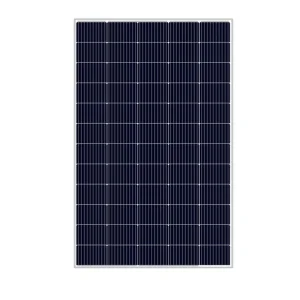
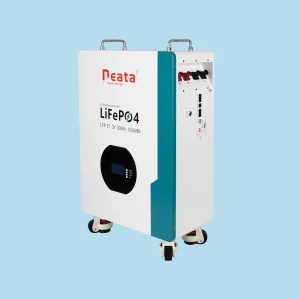
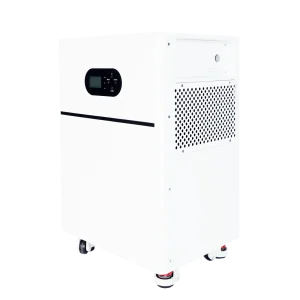
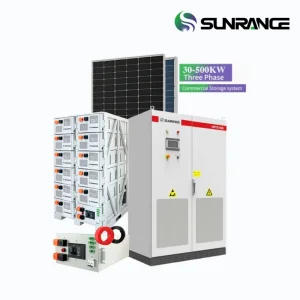
Explore our certified high-capacity energy storage containers, rack batteries, and integrated lithium packs designed for resilient power management.
Essential strategies for industrial, commercial, and utility-scale energy storage procurement in a shifting global regulatory environment.
The global transition to decentralized renewable grids mandates the deployment of highly efficient, reliable, and integrated Battery Energy Storage Systems (BESS). Energy storage is no longer merely a supporting component for photovoltaic setups; it is the cornerstone of grid stability, commercial demand-charge mitigation, and residential power self-reliance. As utility networks struggle to balance the intermittent power generation from solar and wind, system integrators, grid operators, and distributors require robust storage solutions capable of seamless dispatching, active safety controls, and intelligent operations.
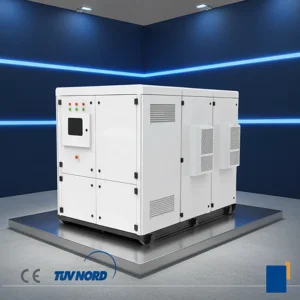
Achieving structural optimization and financial viability (low Levelized Cost of Storage - LCOS) demands a transition from loose piece-by-piece assembly to unified, factory-integrated architectures. BESS units built in premium facilities combine lithium iron phosphate (LiFePO4) cell topologies, liquid cooling manifolds, high-performance Power Conversion Systems (PCS), fire suppression networks, and smart Cloud-BMS platforms into singular plug-and-play nodes. This structural alignment reduces on-site commissioning costs by up to 60% and ensures long-term system protection, preventing grid integration bottlenecks.
Providing essential frequency response, peak shaving, and active reserve capacity to maximize system lifetime utility and unlock multiple revenue streams from existing regional energy markets.
Utilizing multi-layered thermal management, aerosol/FM200 containment protocols, and cell-level gas detection to exceed international UL9540A and IEC62619 safety standards.
Fully integrated supply chain alignment out of Shenzhen, enabling deep customize-to-spec capabilities, direct shipping, and optimized global B2B clearance logistics.
A trusted pioneer in advanced battery technology, customized renewable integrations, and intelligent power management.
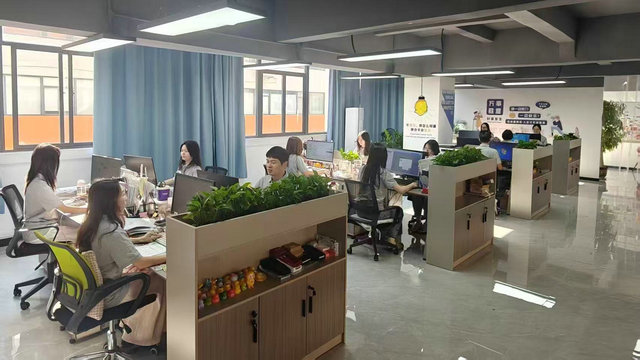
Shenzhen Ansar Energy Co., Ltd. is a professional manufacturer specializing in solar energy storage batteries and integrated renewable energy solutions for residential, commercial, and industrial applications. Headquartered in the technological hub of Shenzhen, Guangdong Province, China, the company is committed to supporting the global transition toward sustainable energy through advanced battery storage technologies and intelligent power management systems. With a modern manufacturing facility covering more than 18,000 square meters and a workforce of over 250 employees, Ansar Energy serves customers across international renewable energy markets.
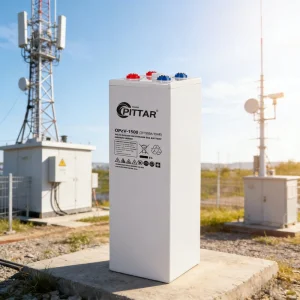
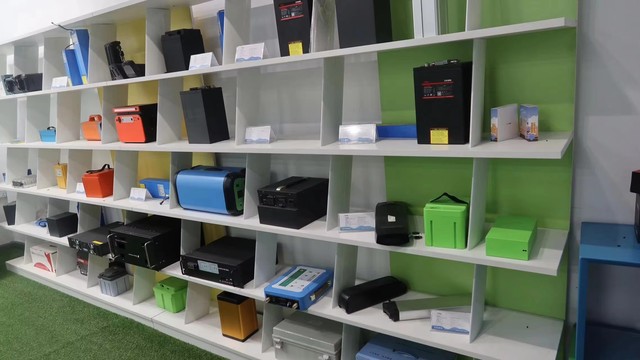
The company's core product portfolio includes solar energy storage batteries, residential energy storage systems, commercial battery storage solutions, industrial energy storage systems, off-grid solar battery systems, hybrid energy storage solutions, backup power batteries, lithium battery packs, and smart battery management systems (BMS). These systems are widely deployed in residential solar setups, commercial towers, complex industrial facilities, microgrid programs, telecommunications cell towers, emergency back-up services, and grid stability integrations worldwide.
Ansar Energy operates advanced battery assembly lines, testing laboratories, and quality control facilities equipped with modern manufacturing technologies. The company follows strict quality management procedures throughout product design, cell integration, system assembly, testing, and final inspection to ensure dependable performance, safety, and long-term reliability. Continuous investment in research and development enables the company to improve energy efficiency, battery lifespan, and system intelligence. In addition to standard configurations, Ansar Energy provides OEM and ODM manufacturing services, offering customized battery capacities, system setups, custom branding, and project-specific energy storage designs, collaborating with top-tier solar installers, energy developers, and system integrators globally.
Standardizing the future of energy containment via chemistry advancements, liquid thermal paths, and active BMS controllers.
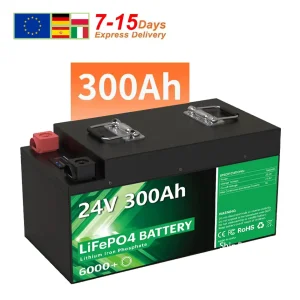
Our ongoing systems focus heavily on high-density Lithium Iron Phosphate (LiFePO4) chemistry due to its unparalleled structural safety and extended cycle life (exceeding 6000 cycles at 80% DOD). Simultaneously, our R&D wing is commercializing Sodium-Ion architectures specifically tailored for low-temperature climates and cost-optimized stationary backup arrays, ensuring system stability down to -30°C.
To maximize cell longevity and prevent localized hot-spots, we are phasing out conventional air cooling in heavy industrial cabinets. The new 2025 product lineups integrate internal liquid cooling pathways that maintain cell temperature variation within ≤3°C across the system. Combined with non-conductive dielectric fire containment barriers, this system drastically reduces the threat of thermal runaway propagates.
Modern grid deployment requires proactive monitoring. Our proprietary smart battery management systems (BMS) have transitioned to multi-tier cloud diagnostic architectures. By analyzing real-time cell voltages, impedances, and historical load trends, the system leverages AI forecasting to detect cell defects before failure. Active balancing circuits dynamically redirect energy to preserve capacity equilibrium.
How wholesale integrated energy storage delivers value across diverse geographic and structural environments.
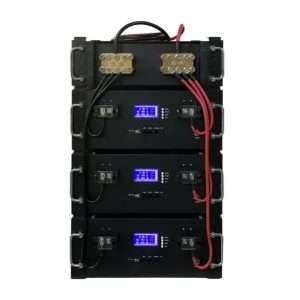
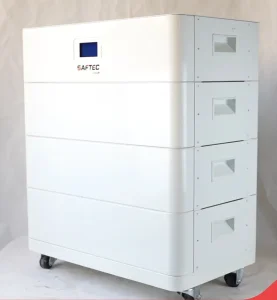
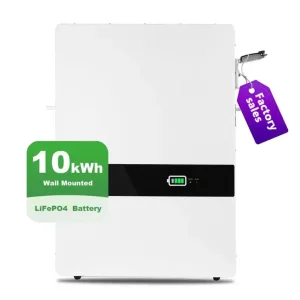
In areas with high retail electricity tariffs (e.g., Western Europe and California), stackable high-voltage and low-voltage LiFePO4 packs allow residential units to achieve complete solar self-consumption. With built-in hybrid inverter integrations, homes maintain uninterrupted power supply (UPS) during blackouts while feeding excess energy back to the grid for tariff-arbitrage profits.
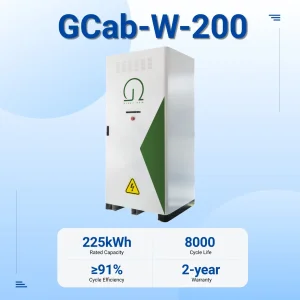
For industrial plants, peak demand charges account for a massive share of the operational utility bill. Ansar Energy's 100 kW / 150 kWh BESS containers monitor building load loads, automatically discharging stored green energy when peak power consumption thresholds are breached. This dynamic load shifting saves commercial enterprises thousands in demand-charge expenses.
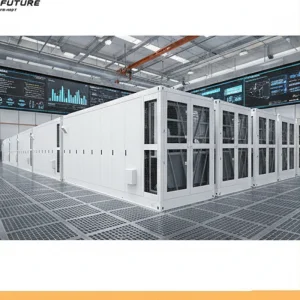
Remote islands, telecommunication stations, and mining projects depend on reliable microgrids where fuel transport is costly. Large utility-scale BESS containers act as key stabilizers. They smooth out high solar volatility, absorb voltage surges, and provide immediate black-start capabilities during sudden primary grid failures.
Leveraging deep industrial clusters in Shenzhen to deliver unmatched speed-to-market and high-precision quality control.
Operating out of Shenzhen gives Ansar Energy access to the world’s most advanced battery manufacturing ecosystem. This proximity allows us to secure Tier-1 automotive-grade cells directly from leading raw material refiners and electrochemical researchers. By reducing shipping times for components to zero, we eliminate the supply bottlenecks that frequently delay European and North American projects.
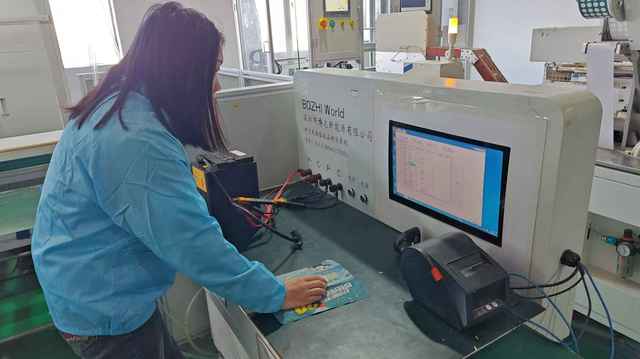
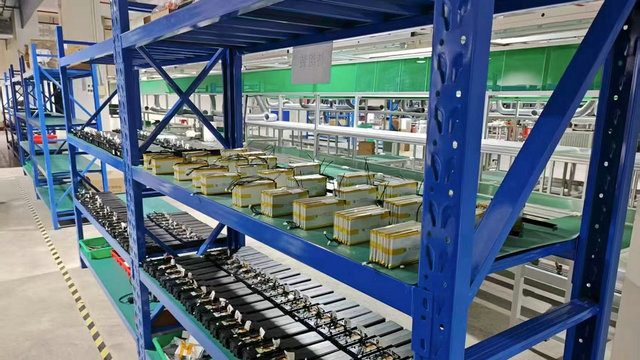
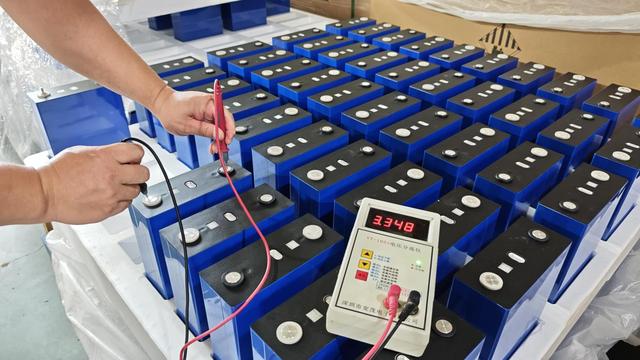
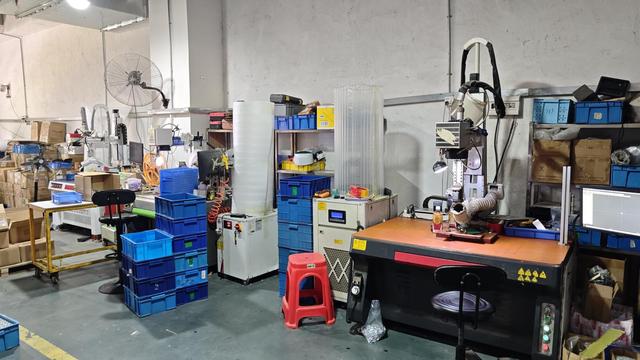
Our 18,000-square-meter facility features automated cell grading, laser-welding, and automated pack testing lines. This layout reduces human assembly errors while ensuring cell compatibility. Each cell is tested for voltage, impedance, and capacity variation before insertion into any rack module. This structural discipline ensures that your wholesale BESS modules operate with minimal cell divergence, maximizing safe lifespans and preventing premature cell failure.
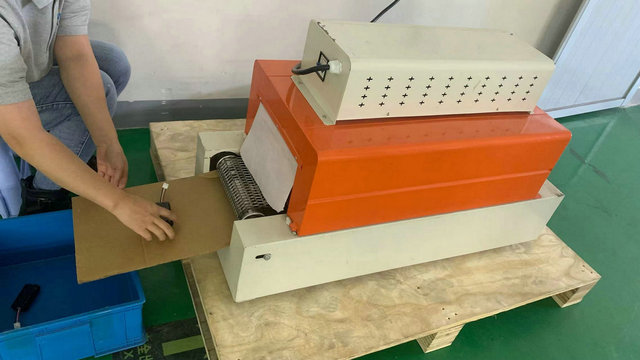
Inside our Shenzhen facility: advanced testing labs, cell matching setups, and fully integrated production processes.
Ensuring compliance across diverse regional grid rules while streamlining approvals and permitting.
Connecting a commercial battery array to national utility grids requires strict alignment with safety and operational standards. At Ansar Energy, compliance begins at the cell layer and extends to the complete package enclosure. Our systems meet or exceed international regulatory benchmarks, including IEC 62619, UL 1973, UL 9540A, UN 38.3, and CE declarations. This design simplifies approval processes with local utility inspectors, grid coordinators, and commercial insurance underwriters.
We work closely with localized distribution partners and engineering firms to resolve connection issues. From configuring Modbus/CAN network parameters for regional hybrid inverters to providing remote installation assistance, our support channels remain available. Our engineering teams assist with single-line drawings, protection coordination, and dynamic EMS control configurations, ensuring smooth integration with local utility infrastructure.
Direct technical explanations on design criteria, customization options, and logistics management.
High-efficiency monocrystalline solar panels, low-voltage home solutions, and grid-scale industrial backup batteries.
 Ansar Energy