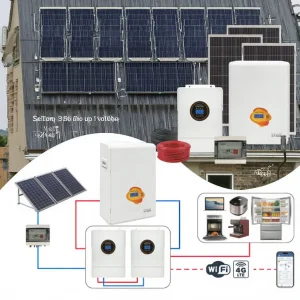
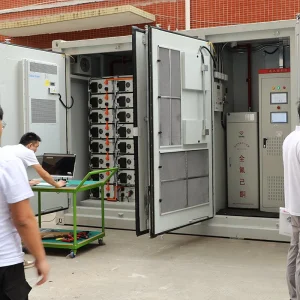
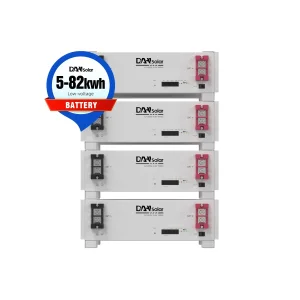
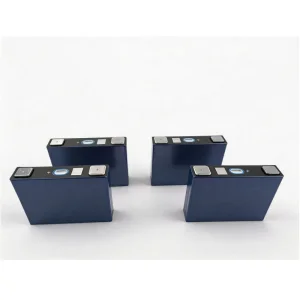
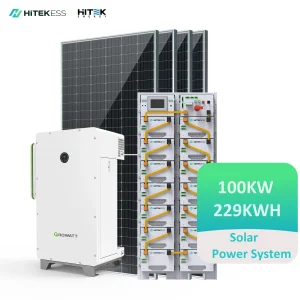
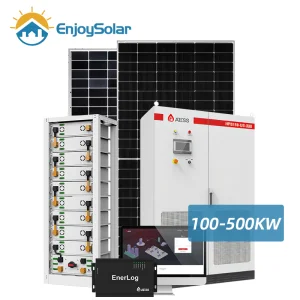
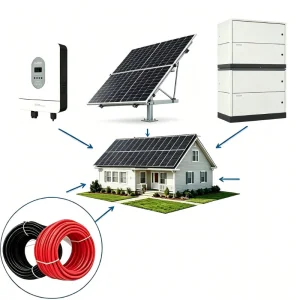
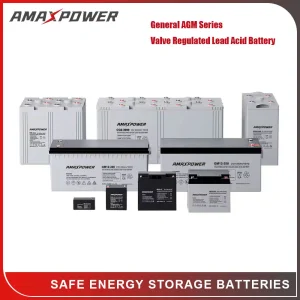
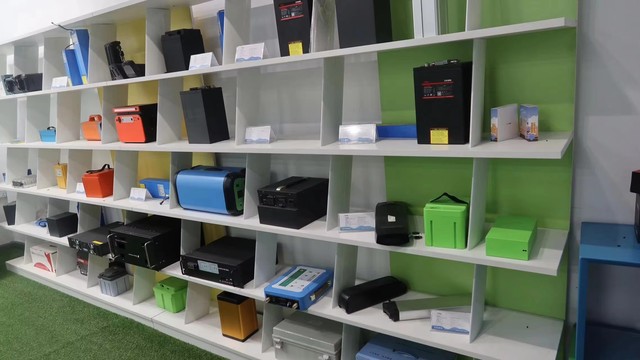
Explore our leading selection of engineered energy storage options, including high-capacity containerized platforms, industrial hybrid systems, and modular lithium battery packs designed to optimize renewable energy usage and peak load balancing.
Established in 2015 and headquartered in the high-tech hub of Shenzhen, Guangdong Province, China, Shenzhen Ansar Energy Co., Ltd. has established itself as an authoritative manufacturer specializing in solar energy storage batteries and integrated renewable energy solutions. Our engineering solutions support the global transition toward sustainable energy grids, powered by advanced battery storage technologies and intelligent energy management systems (EMS).
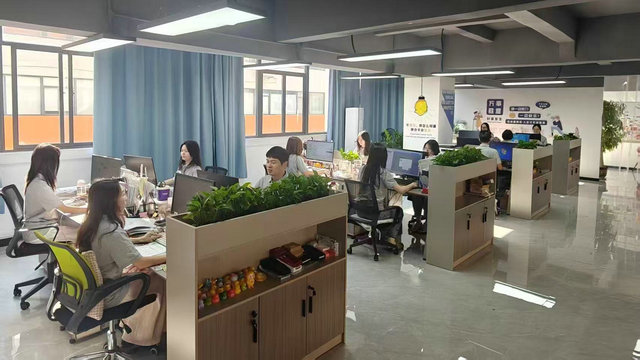
Ansar Energy operates a state-of-the-art manufacturing facility spanning more than 18,000 square meters and employs a highly qualified workforce of over 250 energy specialists, engineers, and quality assurance inspectors. Our comprehensive capabilities enable us to successfully serve demanding commercial, industrial, utility-scale, and residential energy storage clients globally.
We provide complete OEM/ODM capabilities to deliver custom battery capacities, bespoke containerized systems, customized smart BMS protocols, and site-specific microgrid designs. By working closely with EPC contractors, grid engineers, and industrial project developers, we bridge the gap between design complexity and field reliability.
"Our engineering vision centers around creating robust, safe, and interoperable decentralized grid architectures. With a clear manufacturing baseline in China, we ensure high supply chain control and cost competitiveness without sacrificing European and American compliance benchmarks."
Modern solar microgrids represent more than localized battery banks; they are dynamic, intelligent systems capable of managing complex dispatch scenarios. Depending on geographical location and local energy profiles, different industries face unique electrical demands. Our CE-certified microgrid systems are engineered to address these challenges directly.
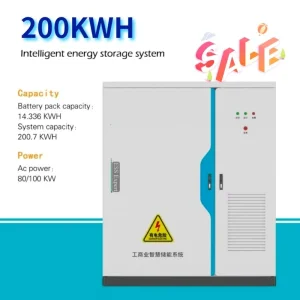
Demand charges often account for up to 50% of an industrial electricity bill. By integrating smart lithium energy storage container solutions, commercial operations can automatically discharge batteries during peak periods, capping total grid intake and lowering operational expenditures.
For off-grid and island communities, diesel dependency carries high fuel transport costs and significant environmental risks. Our 100kW to 1MW integrated microgrid container packages combine PV arrays and hybrid battery systems to deliver stable, round-the-clock electricity independent of mainland utility lines.
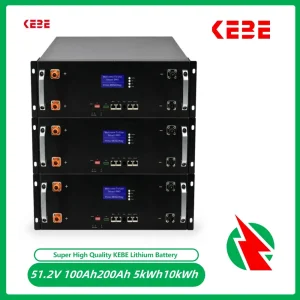
5G rollouts require distributed edge facilities with uninterruptible power. Rack-mounted LFP battery systems (such as the 51.2V 200Ah models) installed alongside hybrid chargers guarantee clean, stabilized DC power with minimal maintenance demands, outlasting traditional lead-acid options.
The energy storage industry is undergoing rapid technical evolution. At Ansar Energy, our R&D efforts are focused on four primary engineering fronts: smart cell technology, software-defined battery management systems, thermal runaway containment, and modular power conversion architectures.
| Technology Layer | Current Baseline (2024-2025) | Roadmap Horizon (2026-2027) | Ultimate Microgrid Impact |
|---|---|---|---|
| Cell Chemistry | Prismatic LiFePO4 (LFP) with high energy density (up to 160 Wh/kg), rated for 6000 cycles. | Ultra-safe solid-state electrolyte integration and sodium-ion configurations for low-temperature applications. | Minimized fire risks and reduced dependency on rare-earth raw materials. |
| Thermal Control | Air cooling with smart fan speed control and localized HVAC inside containers. | Liquid cooling plate architecture using non-toxic glycols to optimize cell-to-cell thermal profiles. | Lifecycle extension by up to 25% and elimination of high-temp charging degradation. |
| BMS & AI Analytics | Active balancing protocols with CANbus and RS485 communication lines. | Cloud-connected Digital Twin platforms utilizing predictive AI algorithms to identify anomalies before failure. | Unprecedented safety layers, preventative maintenance warnings, and optimal dispatch configurations. |
| Grid Interconnection | Standard hybrid off/on-grid bidirectional inverters matching regional utility codes. | Virtual Synchronous Machine (VSM) emulation and dynamic Vehicle-to-Grid (V2G) bidirectional charging loops. | Improved local grid frequency stabilization and support for grid inertia requirements. |
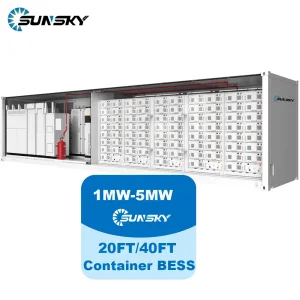
Additionally, we are actively developing advanced containerized BESS designs that feature modular plug-and-play connections. By minimizing on-site wire routing and mechanical configuration, these systems reduce installation timelines from weeks to hours, allowing for scaling from 100kWh to multi-megawatt configurations as energy requirements expand.
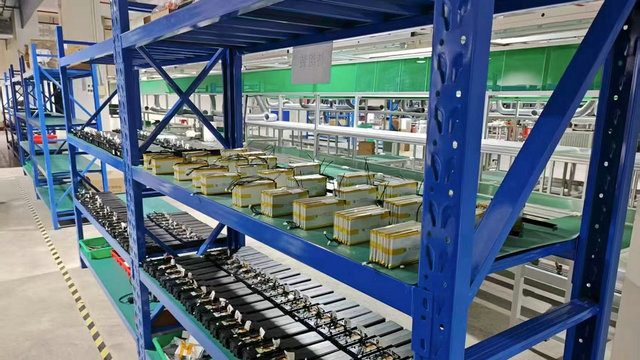
Operating within China's premier battery production ecosystem in Guangdong, Ansar Energy leverages a deeply integrated, end-to-end supply chain. This configuration guarantees consistent raw material availability, strict quality management, and cost-effective production output.
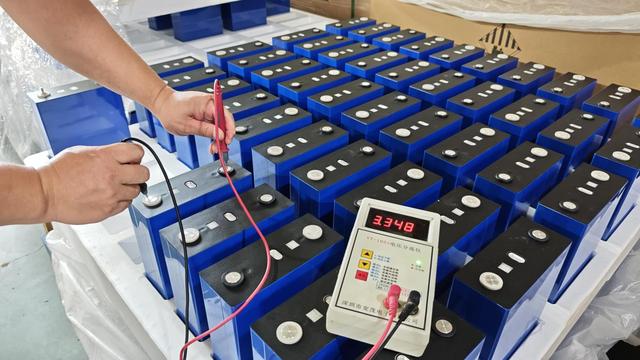
We perform strict capacity, internal resistance, and voltage grading on incoming cells, selecting only Tier-1 cells that display less than a 2% variance range.
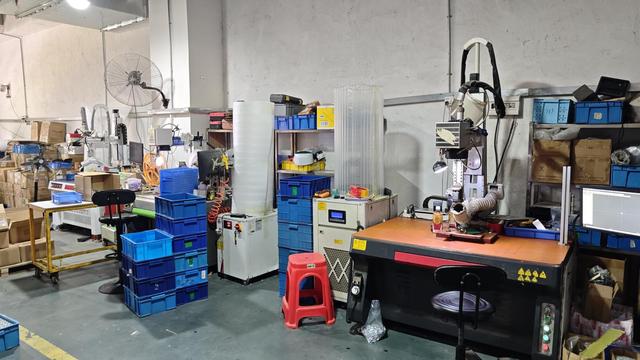
Automated laser welding rigs connect cell terminals with high-conductivity copper busbars, eliminating high-resistance contact points.
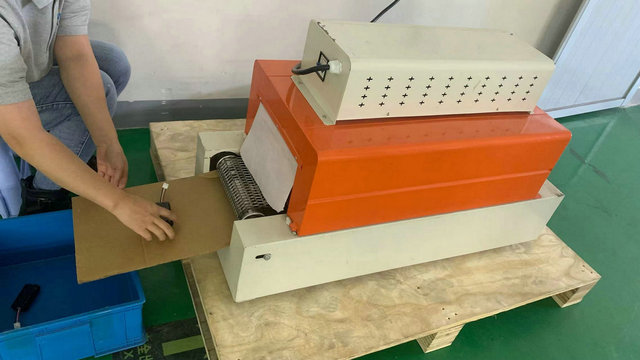
Fully assembled battery packs undergo complete charge and discharge aging cycles in temperature-regulated rooms to ensure structural integrity.
All production lots are verified against relevant international safety standards, including CE, UN38.3, MSDS, and RoHS protocols.
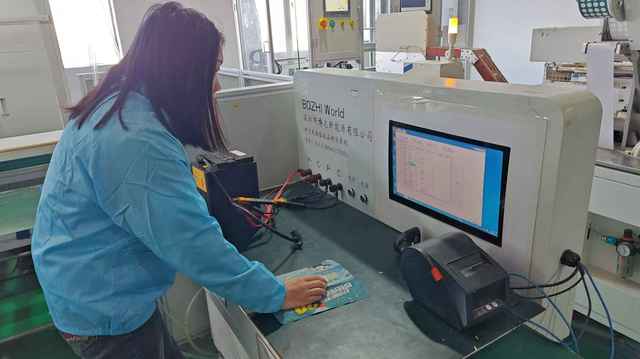
Our 18,000-square-meter facility features automated testing platforms that record parameters for each battery pack during production. This traceability system ensures that every product shipped can be tracked back to its original raw material batches, supporting long-term performance and accountability.
Global expansion requires strict adherence to localized technical standards. Installing an energy storage system (ESS) without proper certification can lead to regulatory delays, installation issues, and potential insurance complications. Ansar Energy ensures that our products carry the appropriate compliance marks for global markets.
For the European Union, CE Certification indicates compliance with the Low Voltage Directive (LVD 2014/35/EU) and Electromagnetic Compatibility (EMC) requirements. Our battery packs are systematically tested under EN 62619 (safety requirements for secondary lithium cells and batteries in industrial applications) and IEC 62109-1 / -2 (safety of power converters used in photovoltaic systems).
Furthermore, for shipping and logistical safety, every battery configuration holds valid UN38.3 test summary documentation alongside comprehensive Safety Data Sheets (SDS), ensuring smooth sea and air freight processes.
When planning a commercial or utility-scale energy storage installation, selecting the appropriate components is critical. The design process requires balancing the Levelized Cost of Storage (LCOS), daily cyclic depth, and site environmental conditions. Below is a roadmap showing our process for prospective BESS buyers and procurement directors.
Analyze load profiles and local utility structures. Determine energy needs (kWh) and peak discharge rate (kW) requirements.
Determine optimal battery configurations. Factor in DoD (typically 80% to 90% for LFP systems) and daily cyclic demands.
Match system communications (such as CANbus or Modbus) with existing building controls, SCADA software, or solar inverters.
Verify system insulation, loop continuity, and communication protocols. Implement local thermal management settings.
Find answers to technical questions regarding solar microgrids, compliance standards, and storage battery manufacturing processes.
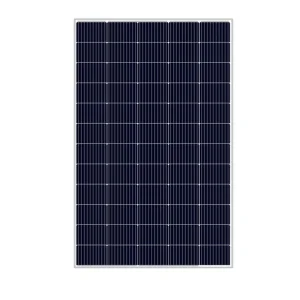
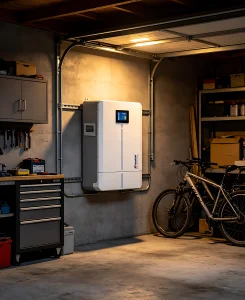
Review our second tier of modular lithium battery packs, solar panels, and integrated containerized energy systems designed for scalable off-grid and hybrid installations.
 Ansar Energy