Solar Power Storage System Overview
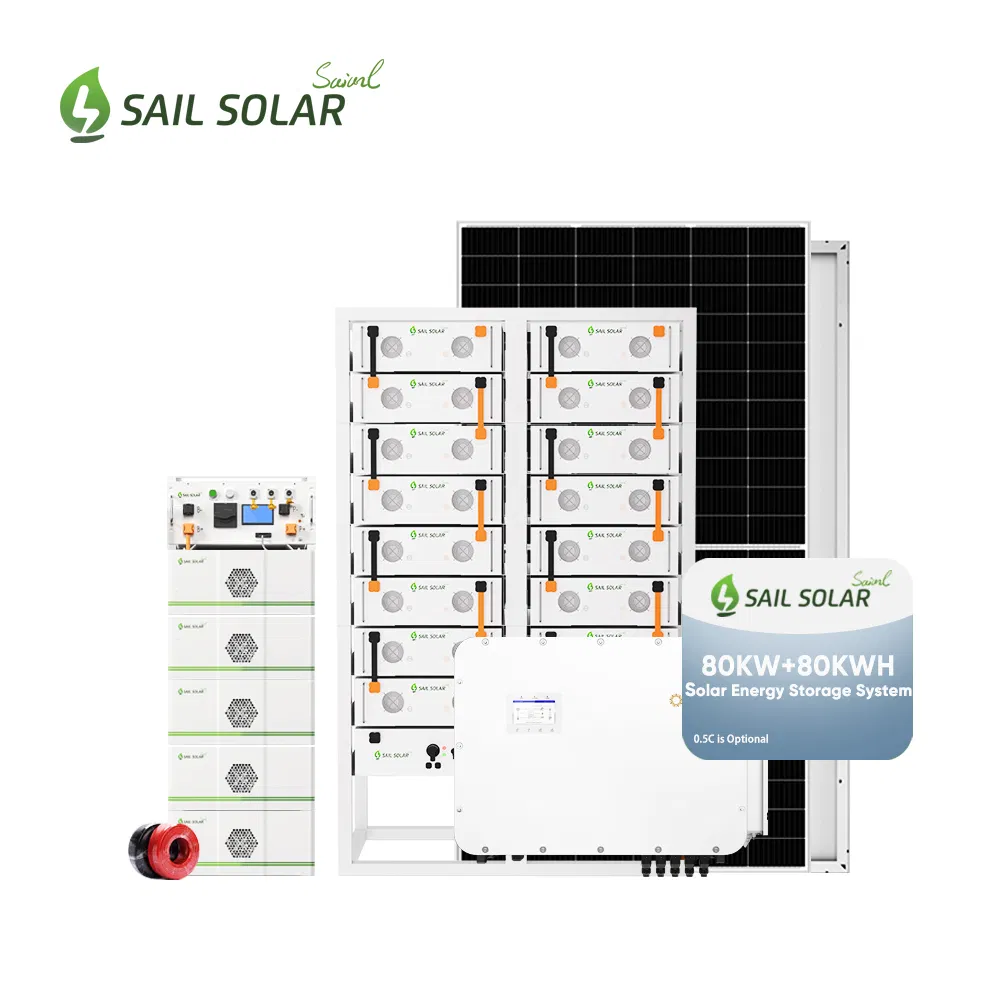
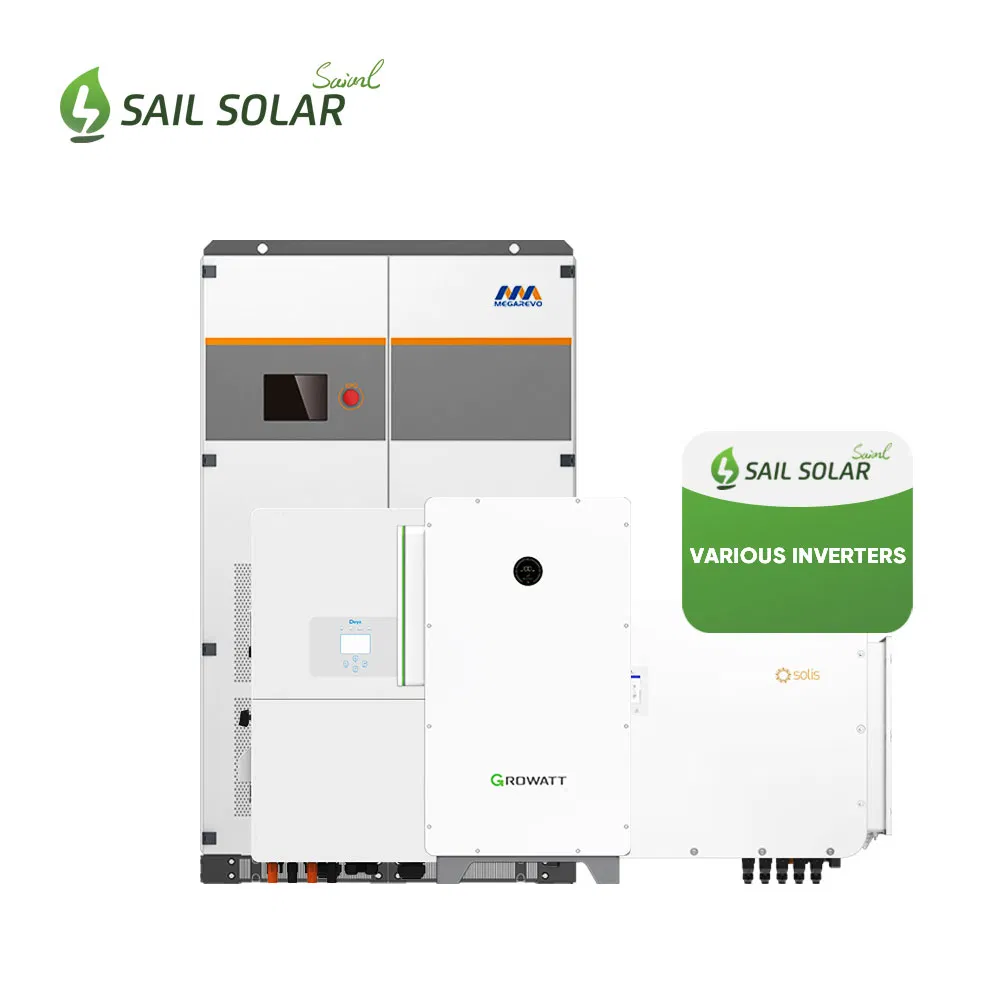
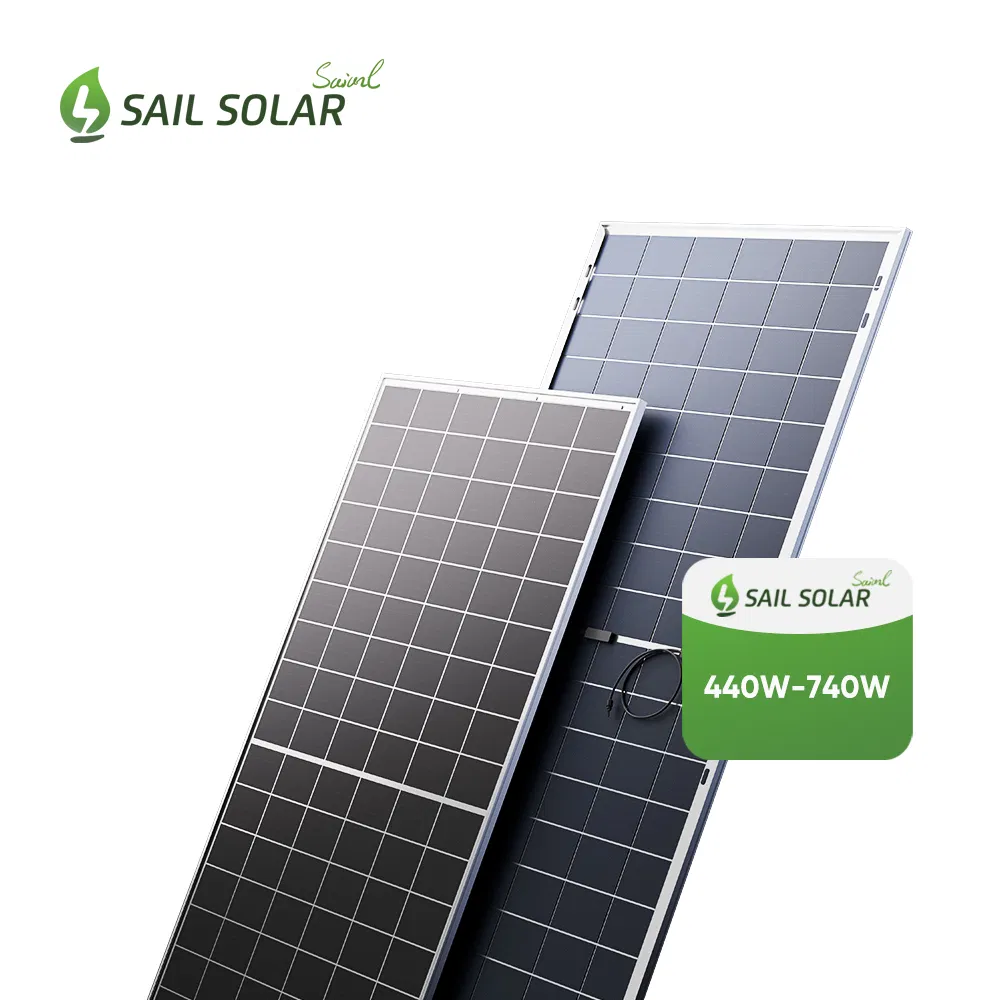
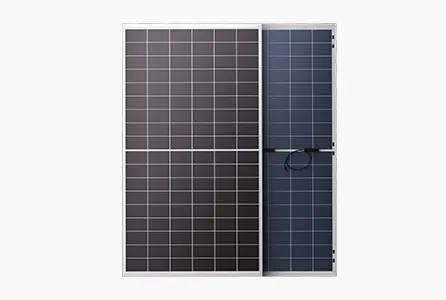
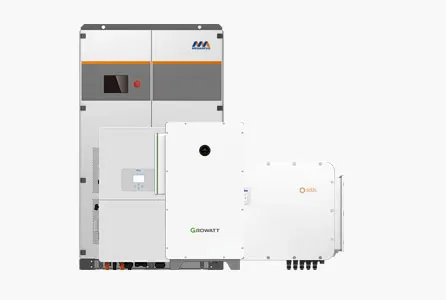
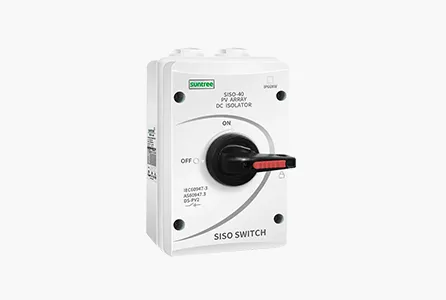
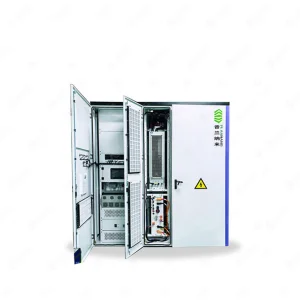
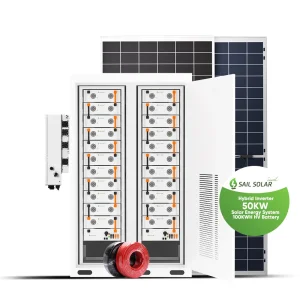
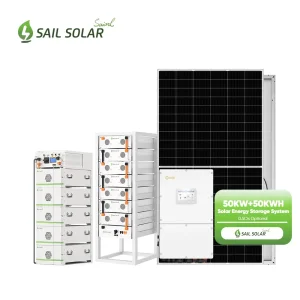
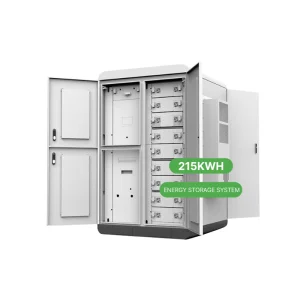
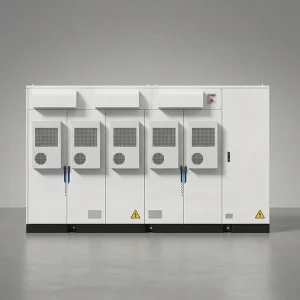
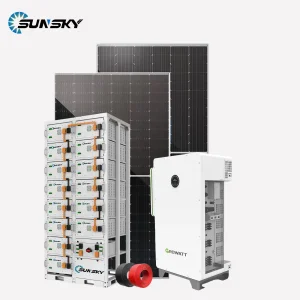
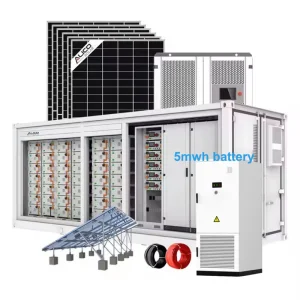
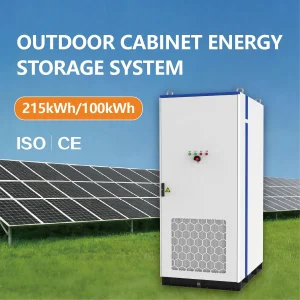
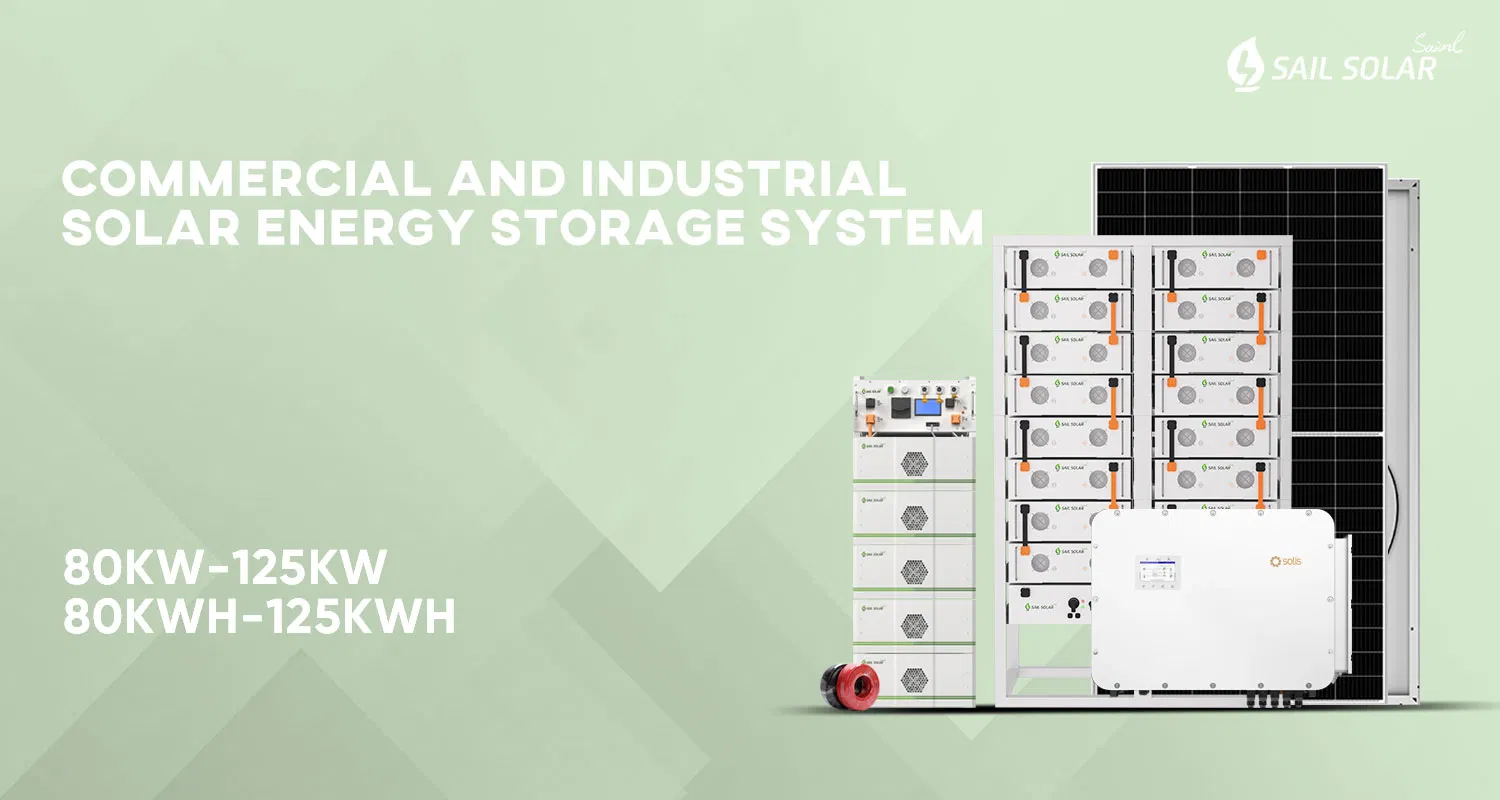
Solar panels produce DC electricity, which can be converted into AC electricity through an inverter for direct use by household loads. Extra DC electricity can charge the battery as a backup for nighttime or rainy days. The inverters feature a state grid supplementing function, meaning when the power stored in the battery is insufficient, the grid can directly run the load. Users can also utilize the grid to charge the battery during low electricity price periods. This commercial and industrial hybrid system also supports diesel generator integration for comprehensive energy backup.
Manufacturing & Quality
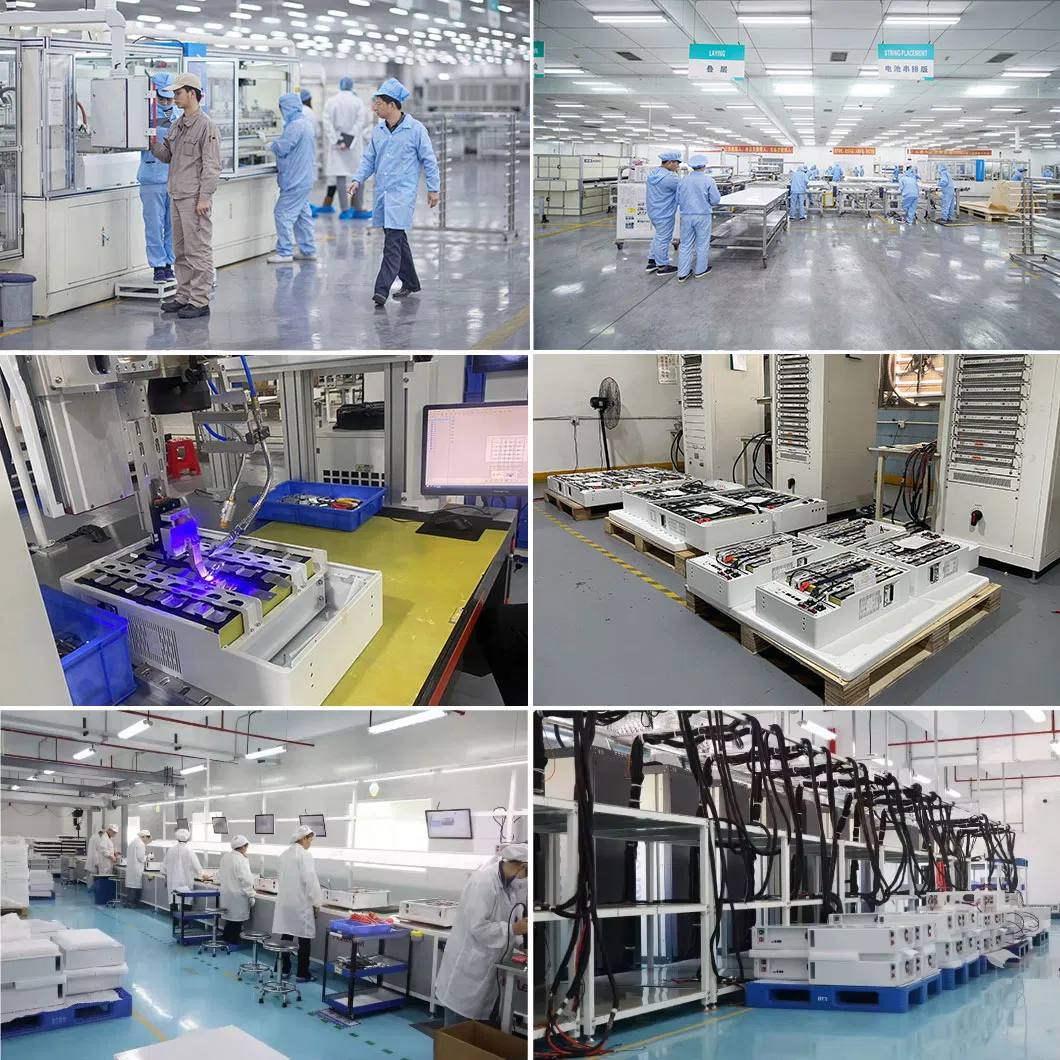
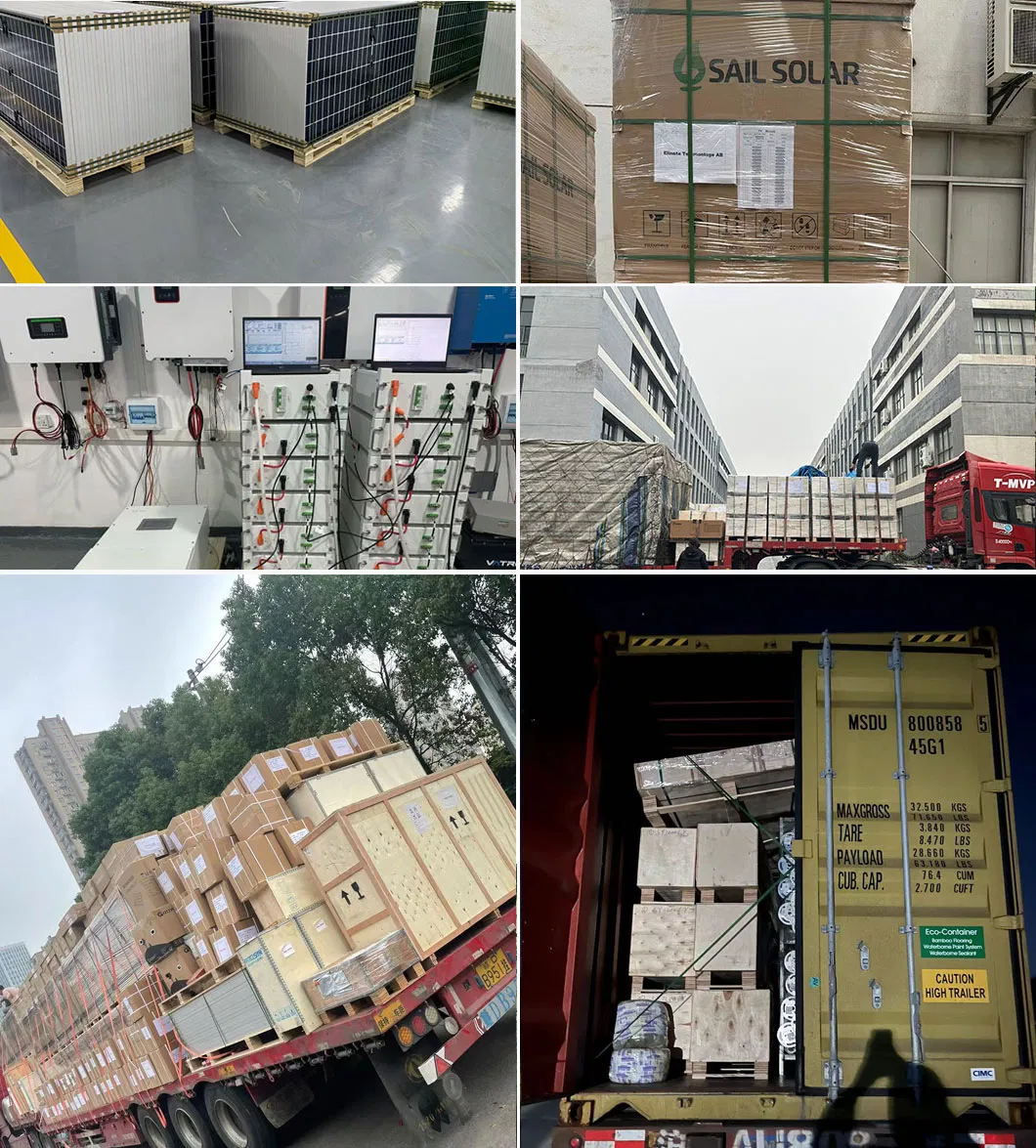
Our systems are produced in industry-leading intelligent manufacturing facilities using world-class automation, AI, and image recognition technologies. We utilize predictive algorithms and 5G to ensure maximum production efficiency and product reliability.
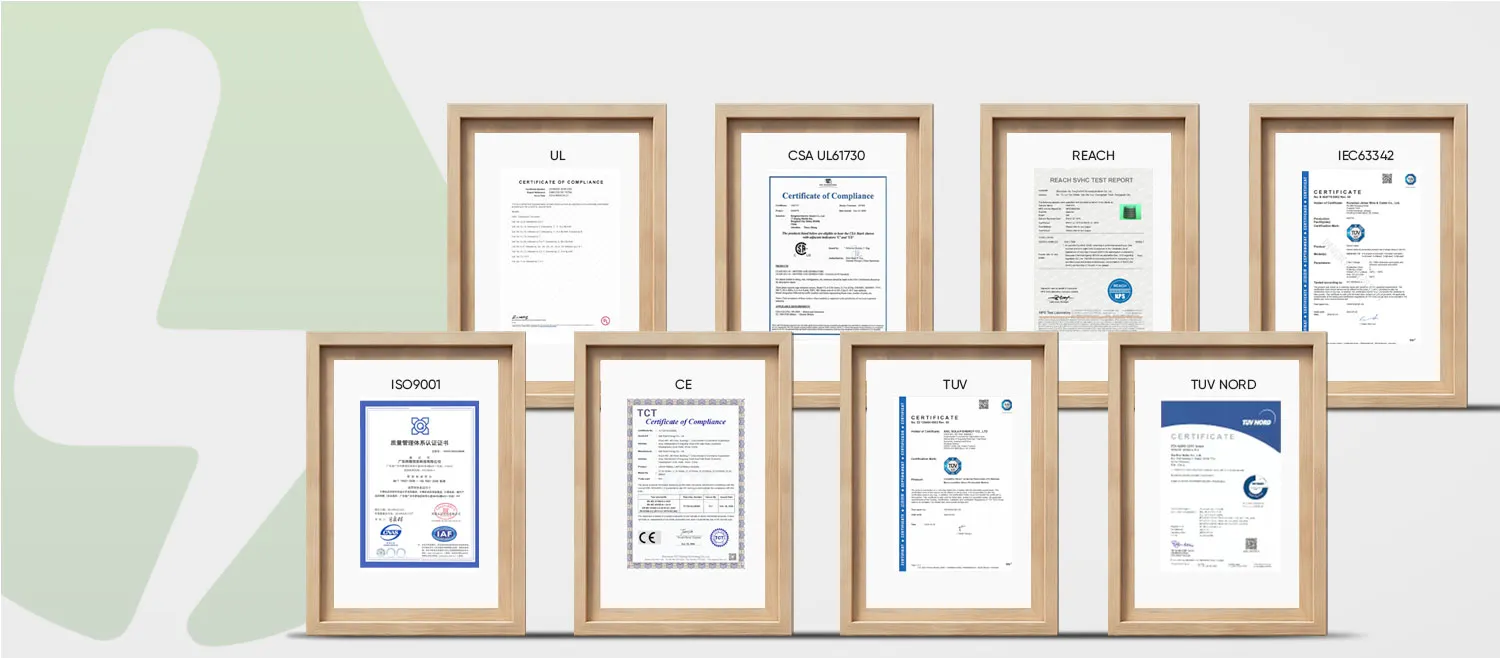
Certified Excellence: The systems have passed rigorous testing including IEC62619, IEC/EN60730, UL1973, and CE-EMC.
Frequently Asked Questions
● What is the advantage of a hybrid solar system?
A hybrid system combines the benefits of on-grid and off-grid systems. It can use solar energy first, store excess in batteries, and switch to the grid or a generator if solar and battery power are insufficient.
● Can this system support industrial-grade loads?
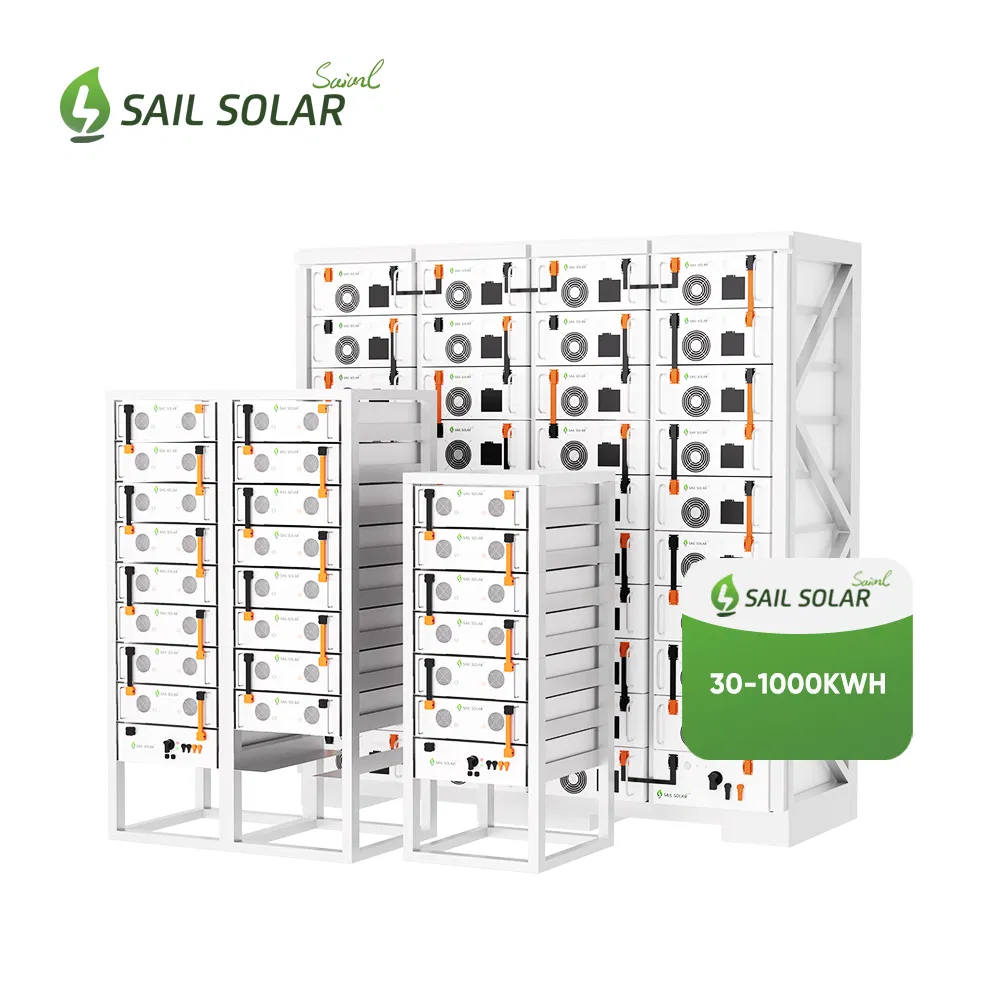
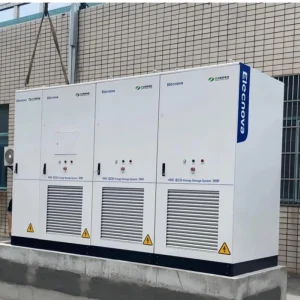
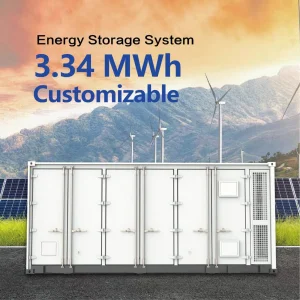
Yes, our systems range from 30KW to 10MW and are specifically designed for commercial and industrial (C&I) applications, capable of handling heavy machinery and large-scale equipment.
● How long do the lithium batteries last?
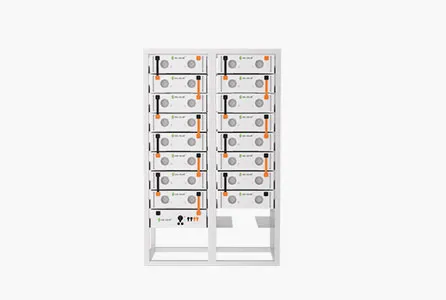
The high-quality LiFePO4 cells are rated for over 8000 cycles, providing reliable energy storage for many years with minimal degradation.
● Is the system monitored remotely?
Yes, the hybrid inverters include a comprehensive WIFI monitoring system that allows you to track electricity production and consumption data in real-time via a mobile app or web portal.
● Is the mounting system suitable for all roof types?
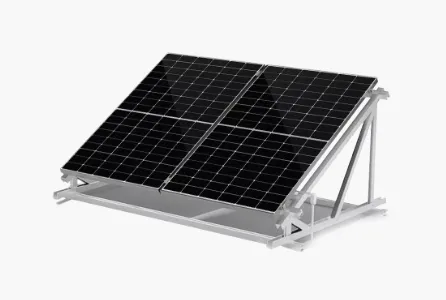
We offer customized mounting solutions for residential pitched roofs, commercial flat roofs, workshop roofs, and even ground-mount or carport installations.
● How does the system perform in harsh environments?
Our solar panels are PID resistant and feature high resistance to salt and ammonia, making them suitable for coastal areas and agricultural environments.
 Ansar Energy