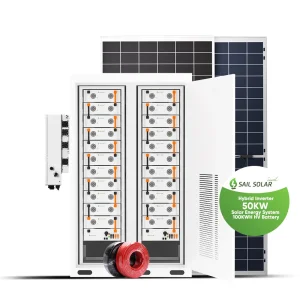
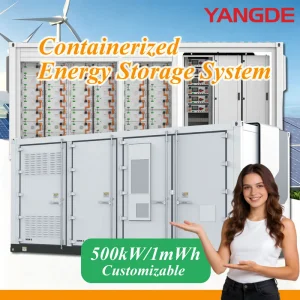
Engineered for High-Performance Peak Shaving and Load Leveling in Mozambique's Demanding Power Environments.
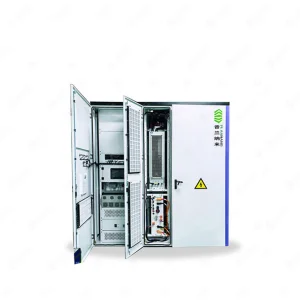
Mozambique is experiencing rapid economic growth driven by natural gas, mining, logistics, and agricultural expansion. However, commercial and industrial (C&I) sectors face persistent electricity challenges. The state utility grid, Electricidade de Moçambique (EDM), faces substantial reliability issues, including frequent voltage fluctuations, sudden blackouts, and localized load shedding, which severely impact business continuity. Large manufacturing plants, agro-processors, ports, and remote mining operations in regions like Tete, Nampula, and Beira often have to rely on expensive diesel generators to survive, resulting in higher operational costs and significant carbon emissions.
Deploying robust Commercial & Industrial Battery Energy Storage Systems (BESS) has shifted from a decarbonization goal to a core operational necessity. Transitioning to hybrid solar-plus-storage frameworks helps Mozambican businesses achieve two main objectives: secure grid independence during power cuts and reduce overall energy costs by utilizing peak shaving strategies to lower high demand charges.
Sub-Saharan Africa's distribution network struggles with high impedances and weak grid connections. In Mozambique, remote facilities are often at the end of long radial lines, making them prone to severe voltage sags. Installing an active Energy Storage System (ESS) acts as a dynamic shock absorber. The system can inject reactive power in milliseconds, stabilize voltage profiles, and support the local grid structure during peak usage periods.
Production Facility (sqm)
Experienced Battery Specialists
Standard Cell Life Cycles
Global Energy Customization
Mozambique's coastal climate features high average temperatures, high relative humidity, and corrosive marine air. Under these conditions, standard lithium-ion batteries can experience accelerated degradation if not properly configured. Commercial solar battery systems must feature high-grade specifications to operate reliably long-term:
Our solutions exclusively use Lithium Iron Phosphate (LiFePO4 or LFP) chemistry. LFP provides high thermal stability, safety, and a long cycle life (over 6000 cycles at 80% Depth of Discharge). Compared to traditional lead-acid batteries, LFP chemistry delivers lower total cost of ownership (TCO) and operates efficiently in hot climates without requiring constant energy-intensive air conditioning.
Customized applications configured to solve specific regional energy challenges and reduce operational overhead.
Maintains uninterrupted operations during heavy equipment startup in remote mining concessions. Peak shaving reduces demand penalties from regional grids, while hybrid solar integration reduces fuel costs by lowering diesel dependency.
Protects temperature-sensitive agricultural goods and seafood shipments at the Beira and Maputo ports. Automated switchovers keep industrial cooling equipment running smoothly during sudden power outages.
Provides steady three-phase microgrid power for cotton ginning, sugar milling, and grain processing facilities in Nampula and Sofala, enabling regional businesses to operate independently of weak main grids.
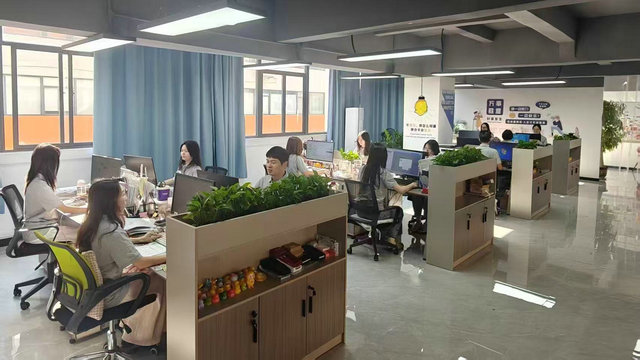
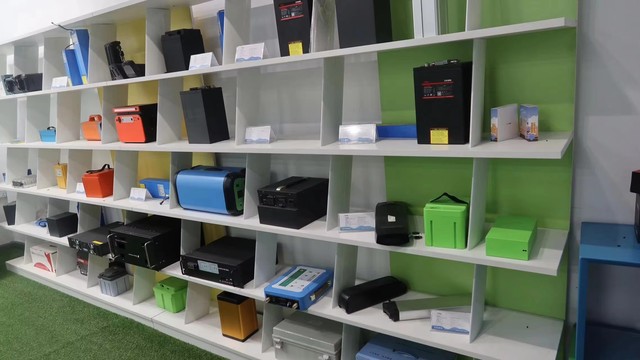
Founded in 2015 and based in Shenzhen, China, Shenzhen Ansar Energy Co., Ltd. specializes in solar energy storage batteries and integrated renewable energy systems. Operating a modern, certified 18,000-square-meter facility with over 250 personnel, we provide advanced commercial and utility-scale energy storage products to markets worldwide.
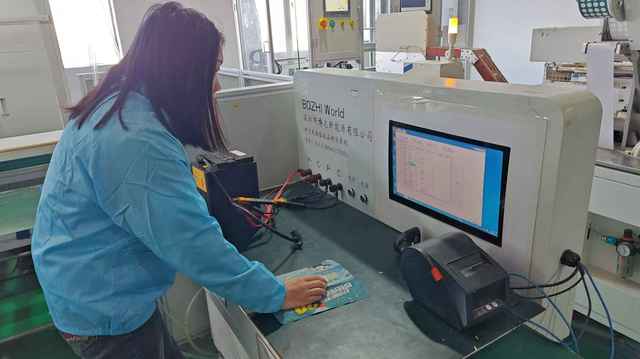
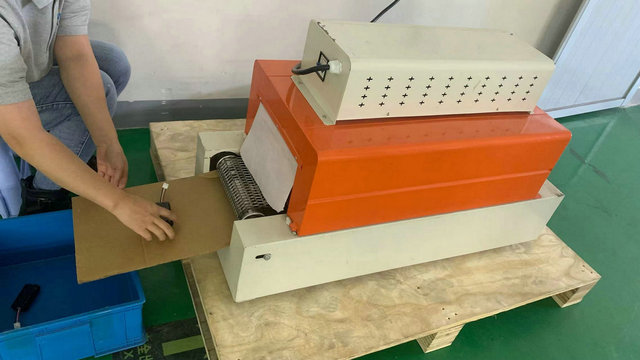
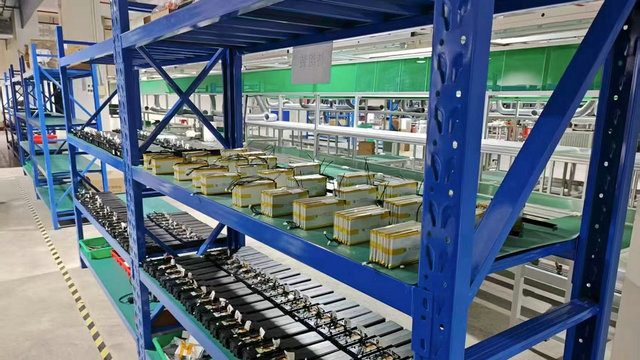
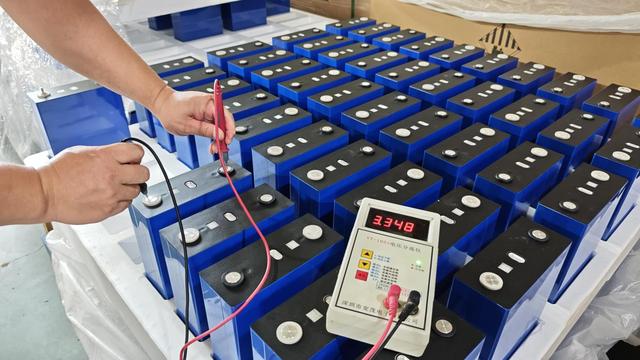
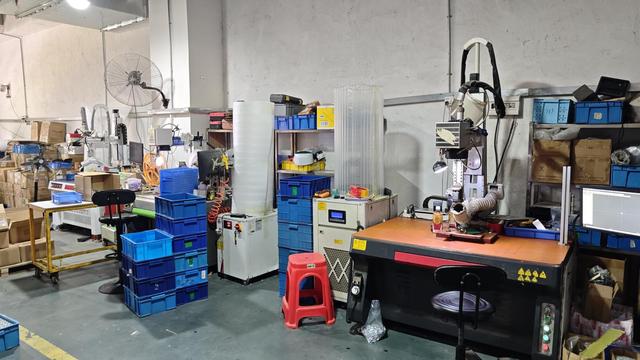
Our smart assembly lines incorporate automatic sorting, automated module welding, and strict testing protocols. With direct access to high-quality cell supplies in the Pearl River Delta, we maintain production stability and competitive lead times, ensuring our products comply with international safety standards like IEC, CE, and UN38.3.
We provide comprehensive OEM and ODM support, tailoring system parameters, branding, and layouts for projects in Mozambique. From grid-tied peak-shaving systems to off-grid industrial microgrids, our engineering team designs systems optimized for tropical operations.
When investing in solar energy storage, selecting the right battery chemistry is critical for long-term viability. The table below illustrates why LFP (Lithium Iron Phosphate) has become the industry standard over traditional Lead-Acid (VRLA/GEL) systems under the environmental conditions found in Mozambique:
| Parameter | Ansar LiFePO4 (LFP) Systems | Traditional Lead-Acid (VRLA/GEL) |
|---|---|---|
| Expected Lifespan | 6,000+ Cycles @ 80% DoD | 1,200 - 1,500 Cycles @ 50% DoD |
| Optimal Temp. Window | -20°C to +60°C (with smart liquid cooling) | 15°C to 25°C (degrades rapidly above 30°C) |
| Depth of Discharge (DoD) | Up to 95% usable capacity | 50% maximum for optimal cycle life |
| Energy Efficiency (RTE) | 92% - 95% round-trip efficiency | 75% - 80% round-trip efficiency |
| BMS Integration | Embedded, active balancing, remote diagnostics | External monitoring, passive balancing only |
Investing in LFP systems reduces replacement intervals, minimizes active HVAC power consumption, and provides higher energy availability, helping lower total cost of ownership for Mozambican C&I facilities.
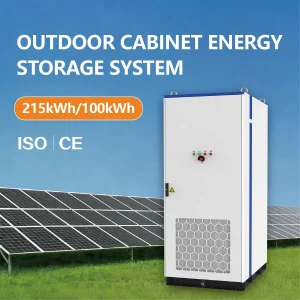
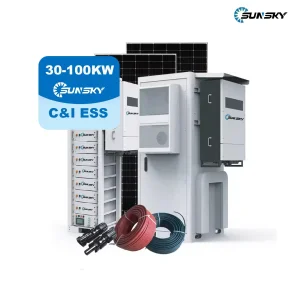
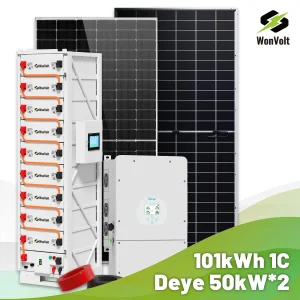
Explore our complete range of certified energy storage systems designed for factory, grid-connected, and off-grid configurations.
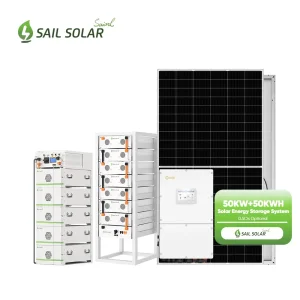
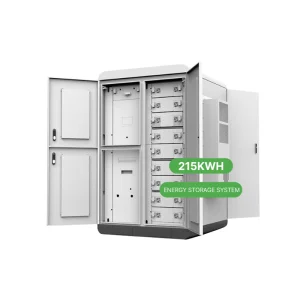
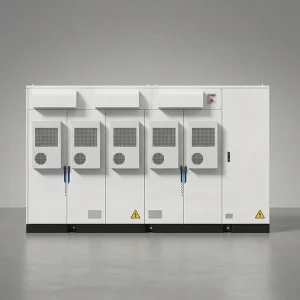
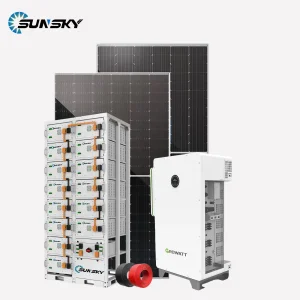
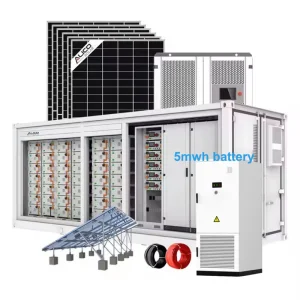
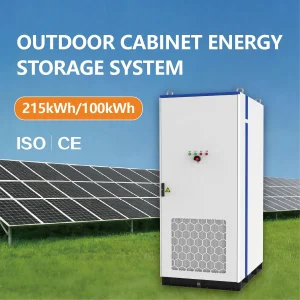
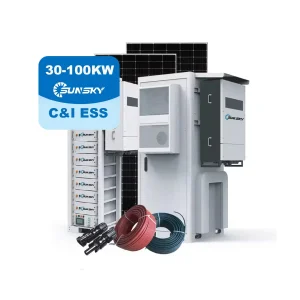
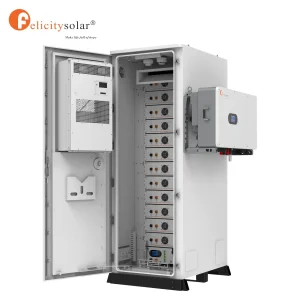
Technical guidance and answers for utility directors, engineers, and purchasing officers.
Mozambican commercial energy tariffs include charges based on peak demand. A Battery Energy Storage System (BESS) discharges during peak demand periods to cap consumption from the grid. This process, known as peak shaving, reduces overall demand charges and lowers monthly electricity bills.
LiFePO4 (LFP) chemistry does not contain cobalt, making it more environmentally friendly and thermally stable. LFP batteries can withstand higher operating temperatures before thermal degradation, which reduces active cooling requirements. LFP also offers up to 6000 cycles at 80% DoD, outlasting lead-acid alternatives.
For coastal sites, we recommend IP55 or IP65 outdoor cabinets. Enclosures should feature marine-grade C5-M anti-corrosion coatings to protect inner circuits from saline humidity, dust, and moisture.
Our hybrid systems feature automatic transfer switches that transition the load to battery power in less than 10-20 milliseconds. This quick response ensures continuous operation for critical electronics, servers, and cold storage units.
Yes, our commercial battery storage systems are modular. You can scale capacity by connecting multiple battery cabinets in parallel, and scale power output by placing multiple PCS (Power Conversion System) units in parallel.
Our energy storage solutions feature smart BMS and EMS units that transmit system telemetry via 4G/LTE or local networks. Operators can monitor state of charge, temperature, cell voltages, and system health via a central dashboard, enabling predictive maintenance.
Contact our engineering team for technical layouts, capacity sizing calculations, and factory-direct pricing for the Mozambican market.
Send Inquiry Now Ansar Energy