High-voltage battery racks, industrial liquid-cooled containers, and customizable configurations engineered for modern grid demands.
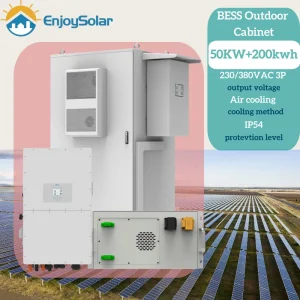
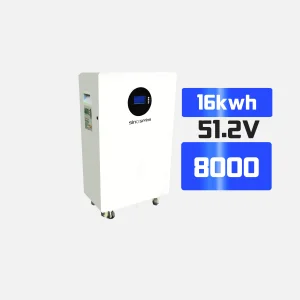
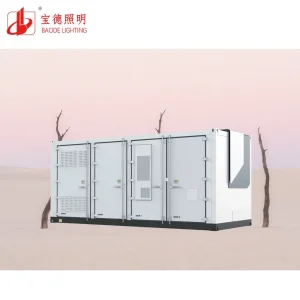
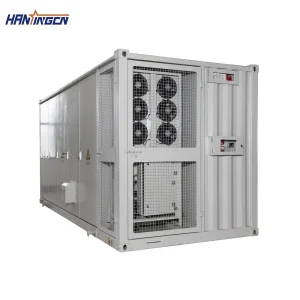
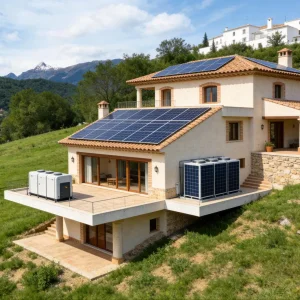
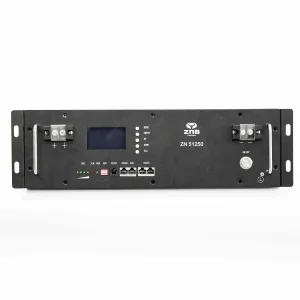
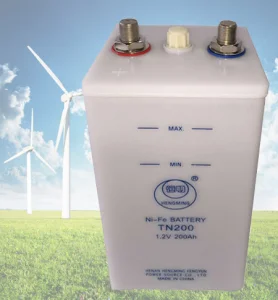
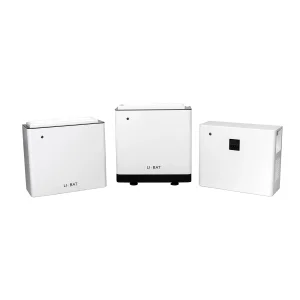
The global energy framework is experiencing a profound paradigm shift. Fluctuating fossil fuel prices, grid instability, and aggressive decarbonization mandates have forced utility operators, commercial operations, and residential microgrids to transition from passive energy consumption to dynamic energy generation and storage. At the heart of this grid modernization sits the Hybrid Solar Energy System.
Unlike traditional on-grid solar platforms, which shut down during grid outages to prevent islanding hazards, or off-grid systems that isolate the operator from the economics of the utility market, hybrid solar energy systems offer a unified energy matrix. By combining solar photovoltaic (PV) generation, intelligent energy storage, and bidirectional grid connectivity, they allow operators to dynamically manage their power flows. This ensures that energy generated during peak production hours can be stored, arbitrated, or consumed dynamically depending on real-time market dynamics and load demands.
As the industry scales, several key technologies are shaping the design parameters of hybrid systems:
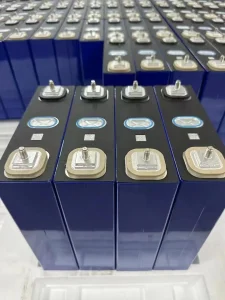
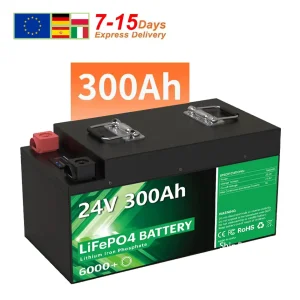
Utilizes ultra-stable Lithium Iron Phosphate chemistry, providing over 6,000 deep cycles at 80% Depth of Discharge (DoD) without performance degradation.
Delivers high conversion efficiency (>95% DC-to-DC) to minimize conversion losses through low-impedance internal connections.
Multi-stage microcontrollers verify cell voltages, temperatures, and state-of-health (SoH) at millisecond intervals for ultimate safety.
Enterprise buyers, utility planners, and EPC (Engineering, Procurement, and Construction) contractors operate under strict capital expenditure (CAPEX) and operational expenditure (OPEX) constraints. Procurement processes are focused on specific metrics:
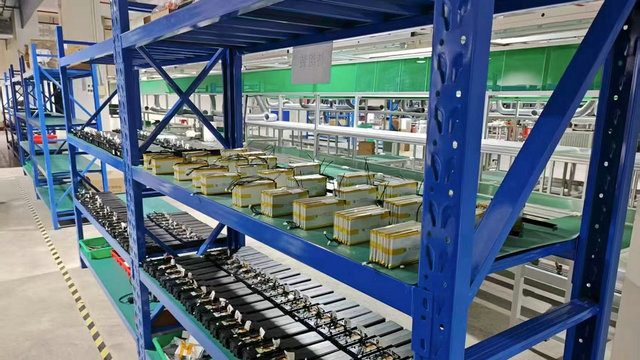
Shenzhen, China, has established itself as the global hub for battery manufacturing and electronic innovation. The integration of Factory 4.0 standards represents a transition to fully automated, digitally traceable production pipelines.
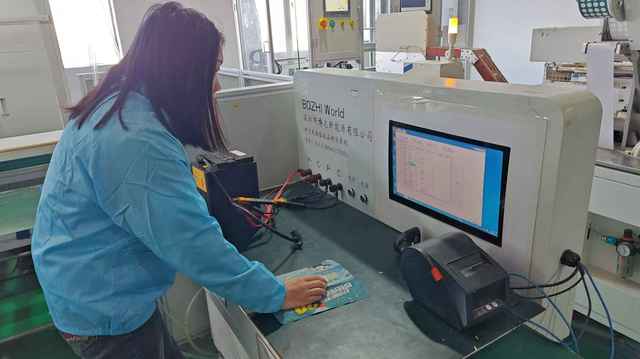
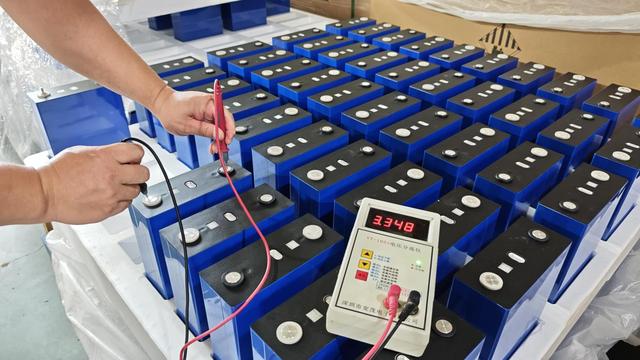
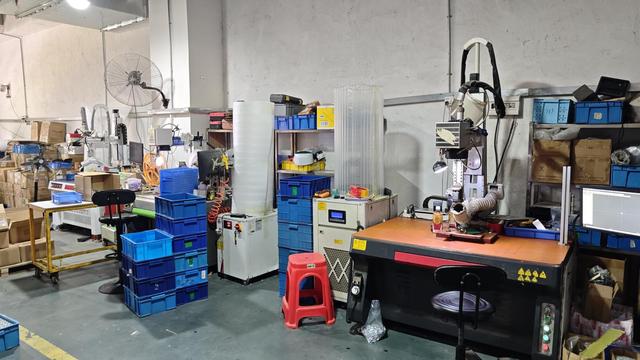
By utilizing robotic cell sorting, automatic laser welding, and dynamic computerized testing platforms, modern manufacturing facilities eliminate the human errors that compromise battery pack consistency. The performance of a hybrid battery string is defined by its weakest cell; thus, maintaining high consistency in cell impedance, voltage, and capacity ensures long system lifespans.
Furthermore, local access to raw lithium carbonate, premium BMS microcontrollers, sheet metal fabrication, and advanced power electronics optimizes the supply chain. This concentration of resources minimizes lead times, stabilizes costs against geopolitical shifts, and allows for rapid customization of client specifications.
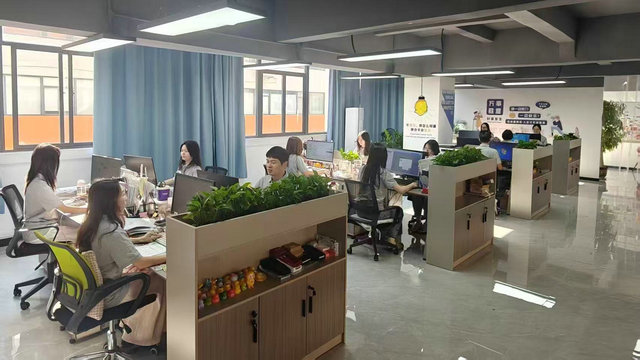
Established in 2015 and headquartered in Shenzhen, Guangdong Province, China, Shenzhen Ansar Energy Co., Ltd. is a professional manufacturer specializing in solar energy storage batteries and integrated renewable energy solutions for residential, commercial, and industrial applications. Driven by innovation, sustainability, and customer-focused engineering, the company serves international renewable energy markets from a modern manufacturing facility covering more than 18,000 square meters, supported by a workforce of over 250 employees.
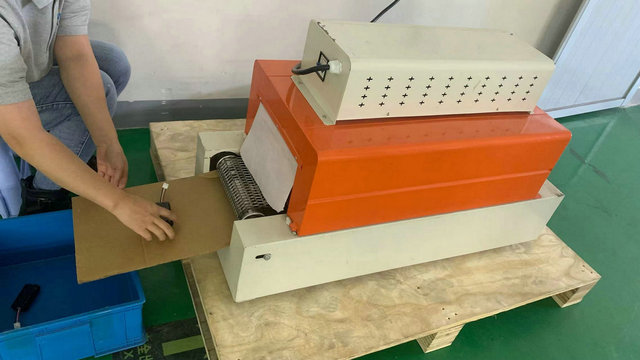
Our advanced assembly lines, testing laboratories, and quality control facilities employ modern manufacturing technologies to follow strict quality management procedures throughout product design, cell integration, system assembly, testing, and final inspection. In addition to standard models, Ansar Energy provides OEM and ODM manufacturing services, offering customized battery capacities, system configurations, branding solutions, and project-specific energy storage designs.
Globally, peak utility grid constraints have driven up Time-of-Use (ToU) energy tariffs. Commercial buildings and factories face high costs if their peak power draws cross specific thresholds. Here, a hybrid solar system acts as a financial buffer.
During periods of low tariff rates (typically overnight or during midday solar peaks), the system charges the battery storage units. When peak tariffs apply, or when facility power demand spikes, the system discharges the batteries, avoiding expensive grid charges. Additionally, this infrastructure qualifies enterprises for Virtual Power Plant (VPP) initiatives, allowing operators to export power back to the grid during shortages for financial incentives.
The requirements for hybrid energy systems vary by geographic and economic region:
Low-voltage batteries (typically 48V–51.2V) are highly compatible, safer for residential DIY installations, and easy to expand in parallel. High-voltage batteries (ranging from 200V up to 800V) offer greater transmission efficiency over distance, lower current requirements, and faster charging/discharging capabilities, making them ideal for larger commercial and industrial systems.
Liquid-cooling systems circulate a specialized thermal fluid directly through cooling plates adjacent to the battery cells. This process provides highly uniform cooling, keeping cell temperature variance under 3°C. Air-cooling relies on forced air circulation, which can lead to thermal hot spots in dense packing layouts, accelerating cell degradation and increasing fire hazards.
Yes. Our commercial energy storage systems support multi-mode operation, including on-grid, off-grid, and hybrid configurations. When a grid blackout is detected, the system shifts to off-grid mode in under 10–20 milliseconds, providing continuous power to critical loads.
Yes, we provide extensive OEM and ODM services. We customize battery capacities, voltage configurations, shell sizes, cycle requirements, communication protocols (CAN/RS485/RS232), and screen branding to align with your market and system requirements.
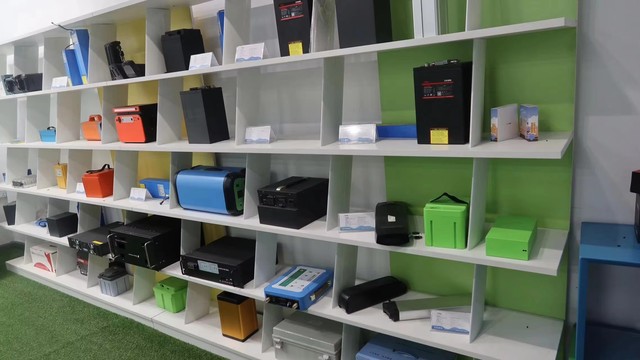
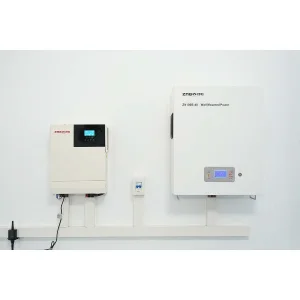
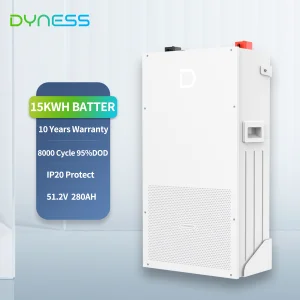
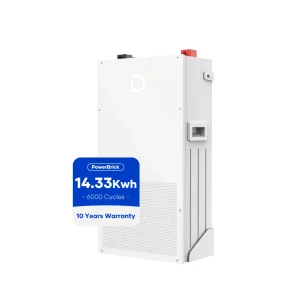
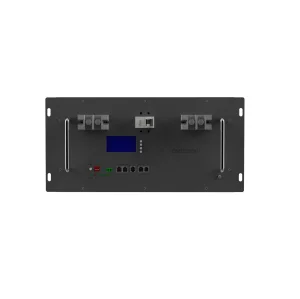
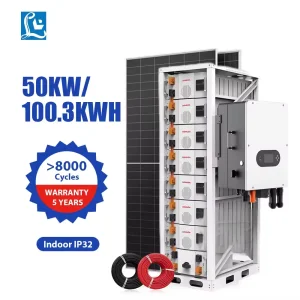
Explore our line of wall-mounted batteries, energy storage modules, and containerized systems for global export.
 Ansar Energy