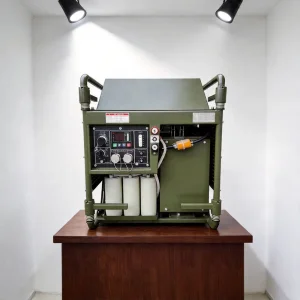
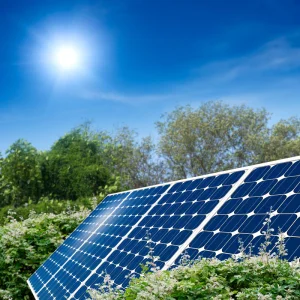
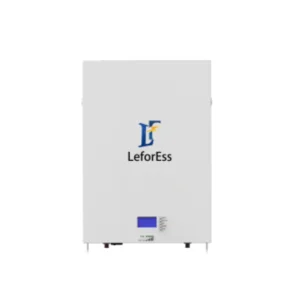
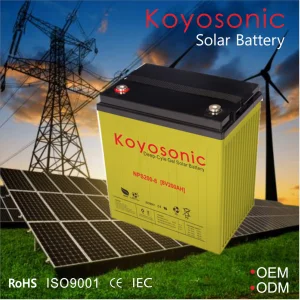
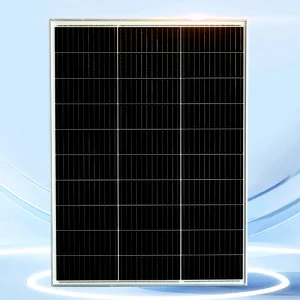
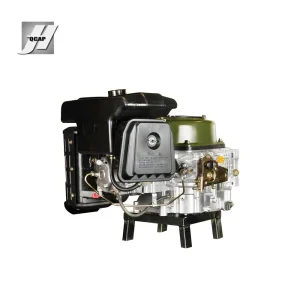
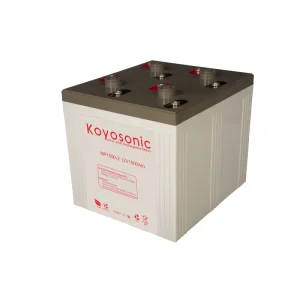
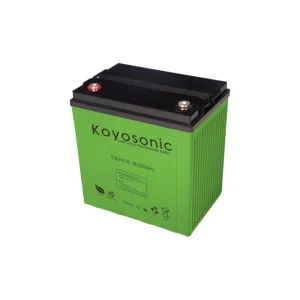
Pre-engineered configurations ready for quick deployment across Namibian commercial operations, industrial mines, and agricultural microgrids.
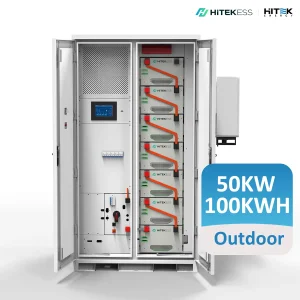
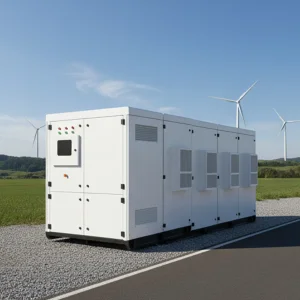
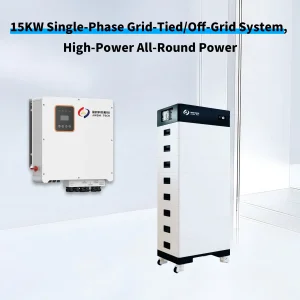
Namibia is endowed with some of the highest solar irradiation levels in the world, with Global Horizontal Irradiation (GHI) levels reaching over 2,200 kWh/m²/year across the Erongo, Khomas, and Otjozondjupa regions. However, the nation historically relies on importing up to 60% of its electrical energy from neighboring countries within the Southern African Power Pool (SAPP), specifically Eskom in South Africa. As regional grids face historical capacity crises and load shedding, Namibia's local commercial, industrial, and agricultural enterprises are actively shifting toward decentralized energy solutions.
Under NamPower's Modified Single Buyer (MSB) framework, large energy consumers (contestable customers) are permitted to purchase up to 30% of their energy requirements directly from private Independent Power Producers (IPPs). This regulatory shift, combined with volatile Time-of-Use (ToU) tariffs implemented by Regional Electricity Distributors (REDs) such as Erongo RED, CENORED, and NORED, makes distributed solar storage systems a financially imperative asset. Integration of Battery Energy Storage Systems (BESS) allows companies to capture excess solar power during midday hours and discharge it during peak tariff periods (typically 07:00-10:00 and 17:00-19:00).
Deploying energy storage systems in Southern Africa requires careful engineering to overcome unique environmental and topological challenges.
Namibian outdoor temperatures often exceed 45°C. Systems must utilize active cooling (either liquid or HVAC direct-expansion cooling) alongside high-integrity Lithium Iron Phosphate (LiFePO4) chemistries, which offer thermal runaway limits of up to 270°C compared to conventional cobalt-based batteries.
High wind speeds coupled with fine desert sands present severe risks to power electronics. Outdoor enclosures deployed in regions like Swakopmund or Walvis Bay require an IP55 or IP65 minimum rating, along with anti-corrosion C5 coating to withstand coastal saline environments.
Many Namibian farms and lodges rely heavily on diesel generation. Advanced EMS (Energy Management Systems) must offer seamless synchronization protocols for dynamic genset control, optimizing fuel consumption by maintaining the generators at their highest operating efficiency points.
For Namibia's infrastructure developers and mine managers, procuring distributed energy solutions is a capital-intensive decision that demands long-term ROI verification. To ensure bankability, systems must possess comprehensive IEC certification (including IEC 62619, IEC 62109, and UN38.3 compliance). Furthermore, integration with modern industrial communication standards such as Modbus TCP/IP, CAN, and DNP3 is vital to ensure compatibility with national utility networks and private SCADA monitoring setups.
Our solutions cater directly to these criteria. We prioritize scalability—allowing modular installation of parallel racks to easily scale storage configurations from 50kWh to several megawatt-hours. By sourcing directly from our modern production facility, developers in Namibia bypass intermediate margins, ensuring optimal pricing structures alongside custom engineering services designed to meet specific local grid requirements.
| Parameter | Requirement for Namibia |
|---|---|
| Cell Chemistry | Lithium Iron Phosphate (LiFePO4) or high-grade Lead Carbon |
| Operating Life | >6000 cycles at 80% Depth of Discharge (DoD) |
| Cooling Topology | Active HVAC or Liquid Cooling with BMS thermal interlocks |
| Enclosure Spec | Double-walled outdoor enclosure with IP54/IP55 ingress rating |
| Grid Compliance | NamPower Grid Code compatibility (harmonics, power factor range) |
Delivering engineered energy resilience through rigorous production standards and comprehensive customization capabilities.
Shenzhen Ansar Energy Co., Ltd. is a professional manufacturer specializing in solar energy storage batteries and integrated renewable energy solutions for residential, commercial, and industrial applications. Established in 2015 and headquartered in Shenzhen, Guangdong Province, China, the company is committed to supporting the global transition toward sustainable energy through advanced battery storage technologies and intelligent power management systems. With a modern manufacturing facility covering more than 18,000 square meters and a workforce of over 250 employees, Ansar Energy serves customers across international renewable energy markets.
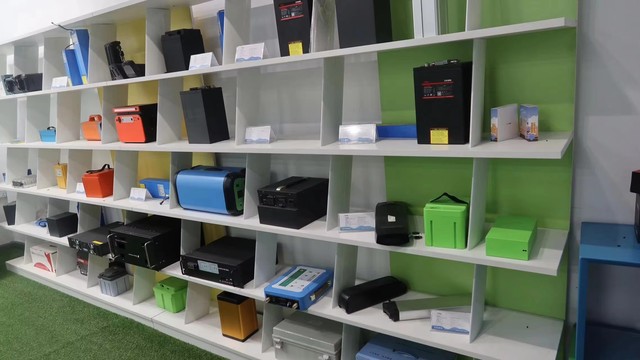
The company's core product portfolio includes solar energy storage batteries, residential energy storage systems, commercial battery storage solutions, industrial energy storage systems, off-grid solar battery systems, hybrid energy storage solutions, backup power batteries, lithium battery packs, and smart battery management systems. These products are widely used in residential solar installations, commercial buildings, industrial facilities, microgrid projects, telecommunications infrastructure, emergency backup power applications, and renewable energy integration projects.
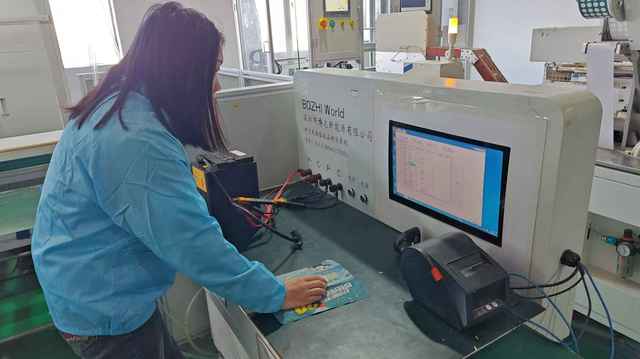
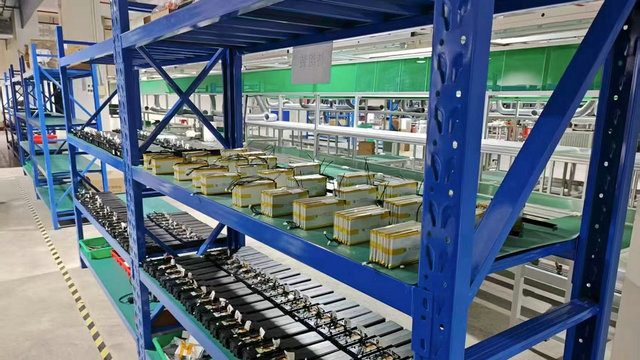
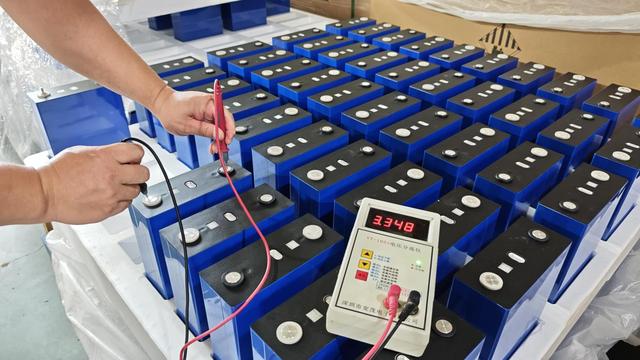
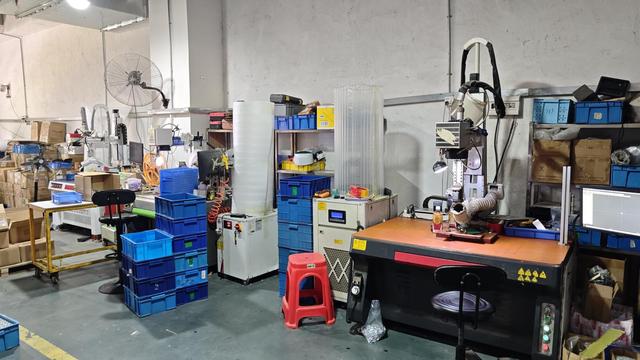
Ansar Energy operates advanced battery assembly lines, testing laboratories, and quality control facilities equipped with modern manufacturing technologies. The company follows strict quality management procedures throughout product design, cell integration, system assembly, testing, and final inspection to ensure dependable performance, safety, and long-term reliability. Continuous investment in research and development enables the company to improve energy efficiency, battery lifespan, and system intelligence.
In addition to standard products, Ansar Energy provides OEM and ODM manufacturing services, offering customized battery capacities, system configurations, branding solutions, and project-specific energy storage designs. The company collaborates closely with solar installers, energy developers, distributors, and system integrators worldwide.
Driven by innovation, sustainability, and customer-focused engineering, Shenzhen Ansar Energy Co., Ltd. is dedicated to delivering reliable solar energy storage solutions that help customers achieve greater energy independence, operational efficiency, and long-term renewable energy value.
Preserving all original equipment configurations designed to satisfy multiple application matrices in the Southern African regions.
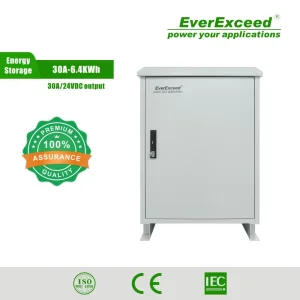
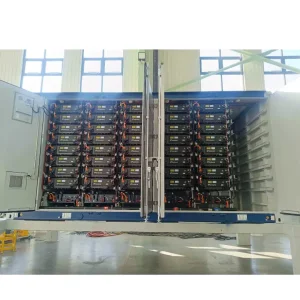
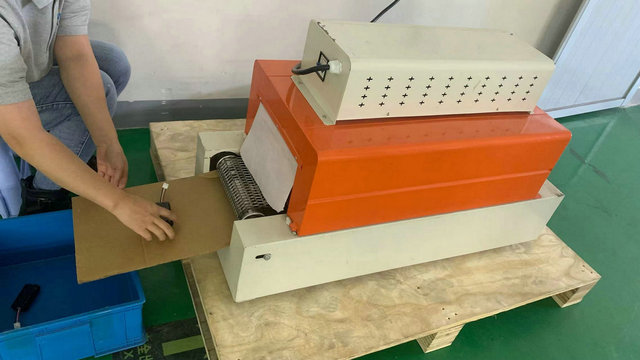
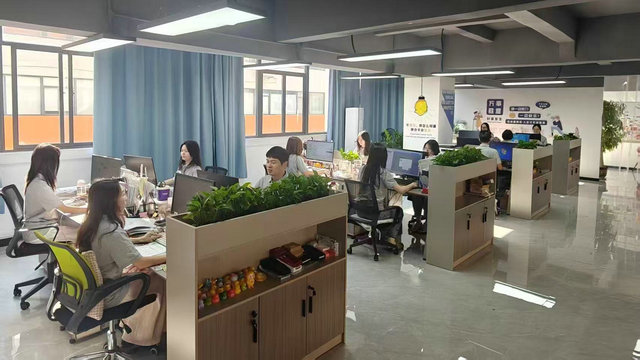
A detailed view inside our quality-controlled assembly environments where durability meets innovation.
Our engineering team answers technical and financial questions common to Namibian installations.
Connect with our technical design team for custom load profiling, OEM system configuration, and export quotes tailored for Namibian deployment.
Send Inquiry Now Ansar Energy