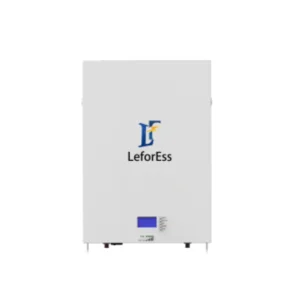
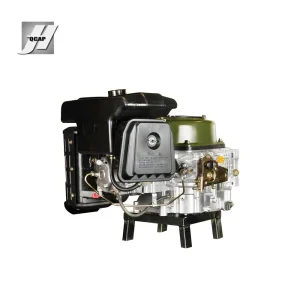
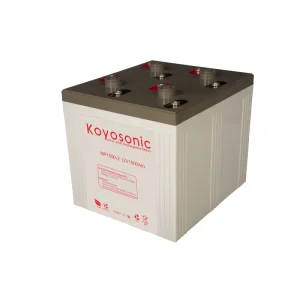
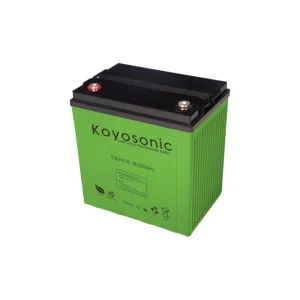
Industrial-grade and high-resiliency battery storage units tailored for mining infrastructure, telecommunication stations, and remote C&I microgrids.
Understanding the unique challenges, mining demands, and economic rationale for decentralized solar storage integration in one of Africa's fastest-growing energy markets.
The Democratic Republic of the Congo (DRC) houses some of the world's most vital mineral deposits, notably cobalt, copper, lithium, and tantalum, centered in provinces such as Katanga and Lualaba. However, the commercial and industrial operations powering these extraction sectors face a severe domestic energy paradox. The national utility grid (SNEL) features an electrification rate of less than 19% nationwide, with remote rural and mining outposts dropping below 5%. Heavy reliance on long-distance transmission lines from the Inga Dam leads to frequent voltage drops, blackouts, and transmission losses.
To sustain critical operations, multi-national extraction and logistics entities in the DRC burn millions of liters of diesel fuel annually. The price of industrial diesel—compounded by complex overland logistics corridors from South African or East African ports—inflates operating expenditures (OPEX) exponentially. In this fiscal climate, Distributed Solar-Plus-Storage Battery Systems (BESS) represent a highly lucrative alternative. By capturing daytime solar irradiation and storing it for peak-shaving, nighttime operations, and grid stabilization, C&I operators can reduce fuel reliance by 40% to 80% while establishing absolute energy sovereignty.
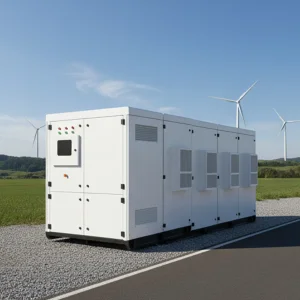
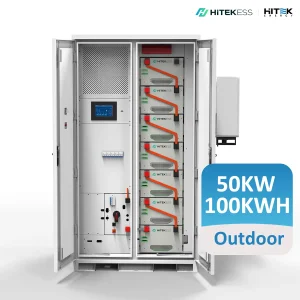
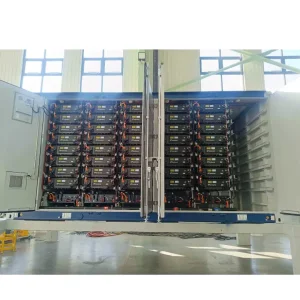
Standard consumer-grade energy storage systems suffer from rapid capacity degradation in regions like the Congo Basin, where daytime ambient temperatures frequently exceed 40°C. Ansar Energy designs active-liquid cooled and dust-proofed container solutions built specifically to operate continuously up to 55°C without thermal runaway or accelerated capacity fade.
| Parameter | Traditional Diesel Grid | Ansar Hybrid Solar BESS |
|---|---|---|
| Levelized Cost of Energy (LCOE) | $0.35 - $0.55 per kWh | $0.08 - $0.14 per kWh |
| System Reliability (Uptime) | Variable due to supply chain | 99.9% Autonomous Uptime |
| Carbon Intensity | High (2.68 kg CO2/L diesel) | Zero Carbon Offsets Added |
| Investment Payback Period | Continuous Operational Cost | 3.5 to 5 Years |
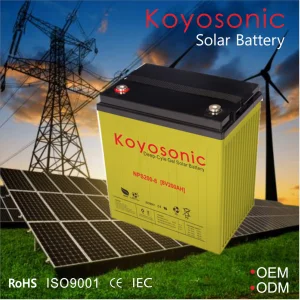
Ansar Energy utilizes premium lithium iron phosphate (LiFePO4) and advanced lead-carbon cells to ensure continuous cycle stability, system safety, and longevity under daily deep discharge.
Equipped with automated cell balancing, dynamic thermal profiling, and real-time remote monitoring via GSM or satellite link, allowing engineers in Kinshasa or Shenzhen to check the health of remote mining sites.
Our outdoor BESS cabinets deploy dual-circuit liquid-cooling or high-efficiency HVAC temperature regulations to prevent internal cell hot-spots, preserving cycle life at 6,000+ cycles at 80% DOD.
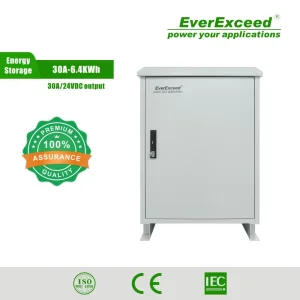
Designed to withstand the harsh red-dust environments of mineral transport lines and copper smelters in Kolwezi, our cabinets stop airborne particles and heavy tropical rain from penetrating the core hardware.
As an established manufacturer with over 18,000 square meters of production space, Shenzhen Ansar Energy Co., Ltd. does not rely on a one-size-fits-all product philosophy. We provide full customization capabilities including container dimensions, battery chemistry selection (LFP or Lead Carbon depending on capital expense structures), smart communications compatibility, and heavy-duty switchgear integration. Our custom configurations ensure seamless pairing with international inverter standards such as Elecnova, SMA, Sungrow, and Victron.
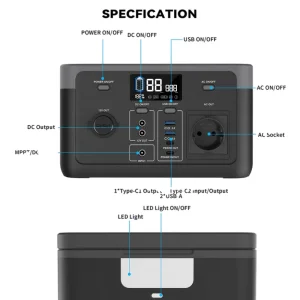
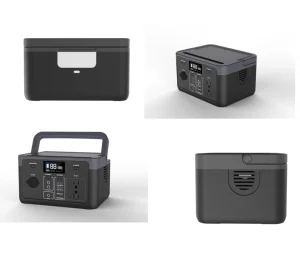
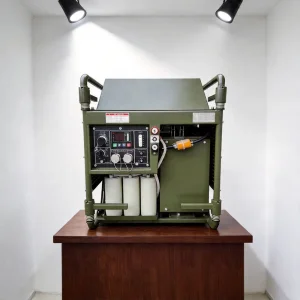
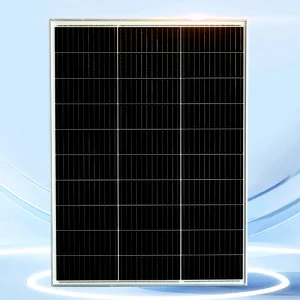
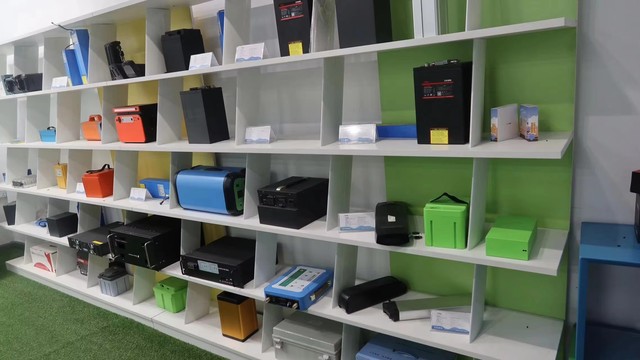
Deployable microgrid equipment, industrial battery packs, and modular range extenders for diverse utility conditions across the DR Congo.
A premier Chinese manufacturing and export hub driving off-grid resilience and microgrid stability across emerging global markets.
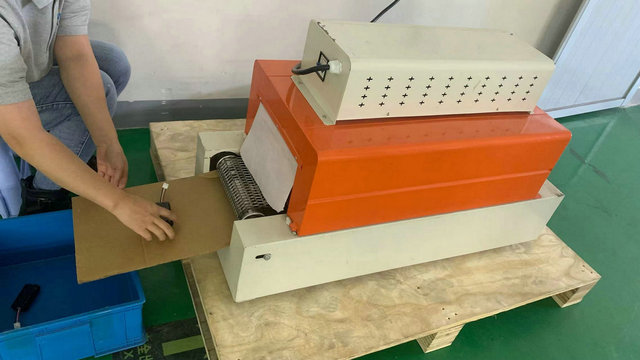
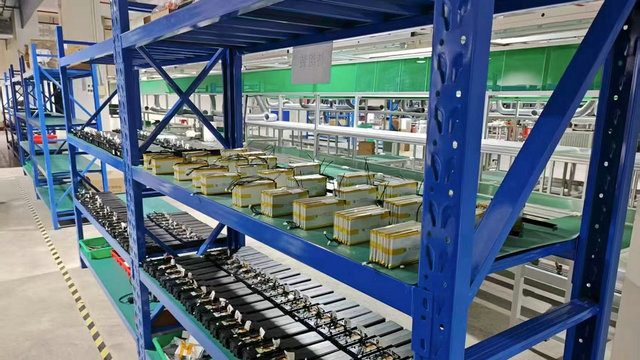
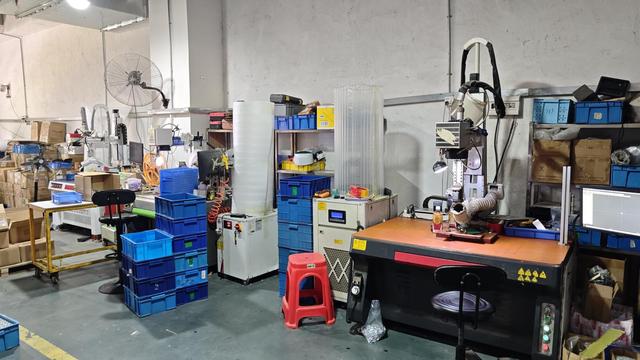
Established in 2015 and headquartered in the high-tech capital of Shenzhen, Guangdong Province, China, Shenzhen Ansar Energy Co., Ltd. has grown from a specialized manufacturer of lithium batteries into a global provider of integrated commercial and industrial (C&I) energy storage systems. Our ISO9001-certified factory operates advanced automated assembly lines, climate-controlled aging chambers, and high-precision testing labs.
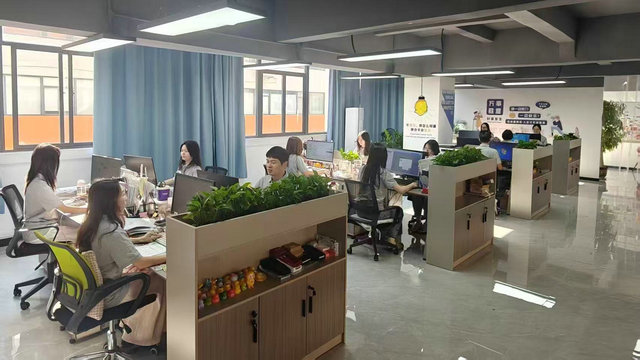
With an production footprint spanning more than 18,000 square meters and over 250 employees—including an R&D team of 30+ electrical and thermal engineers—we guarantee that every containerized BESS and residential storage pack meets international standards (CE, UN38.3, IEC62619, UL9540A). We actively support EPC partners, local developers, and resource conglomerates throughout Africa, Southeast Asia, and South America to fast-track their decarbonization pipelines.
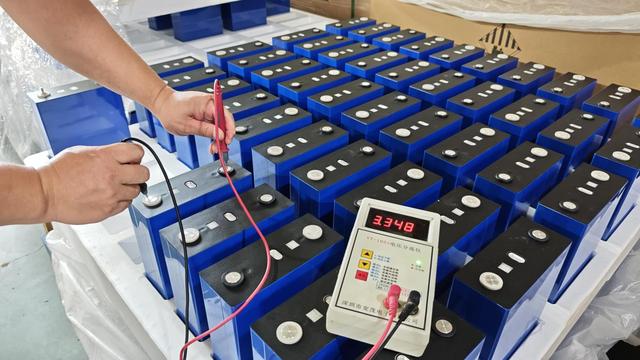
Our quality management procedures track every step of system production: cell incoming inspections, BMS calibration, structural chamber assembly, and full load discharge testing. This meticulous oversight minimizes onsite installation issues, a key advantage for remote regions in the DRC where logistics and onsite diagnostics are challenging.
Send Inquiry Now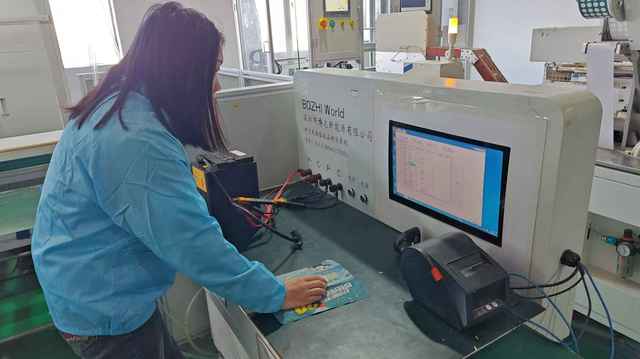
A guide to the delivery channels, regulatory compliance steps, and localized technical setups required for smooth operations in the Democratic Republic of the Congo.
Transporting high-capacity lithium battery systems (classified as Class 9 Dangerous Goods) to inland destinations such as Lubumbashi, Kolwezi, or Bukavu requires experienced transport support. We handle shipping from Shenzhen/Guangzhou ports to two primary gateways:
Imports into the DR Congo require a Bureau Veritas / BIVAC certificate (Pre-Shipment Inspection). Ansar Energy coordinates all pre-shipment inspections at our Shenzhen factory to prevent customs delays. We ensure that our equipment aligns with the requirements of ANSER (National Agency for Energy Services in Rural and Sub-urban Areas) and the DRC Ministry of Hydraulic Resources and Electricity.
To support remote C&I installations, we assist our engineering partners in the DRC with complete diagnostic toolkits, critical replacement components (such as spare BMS modules and contactors), and hands-on training.
Our built-in smart remote monitoring platforms run on 4G/LTE cellular modules, providing real-time technical oversight. Local maintenance teams can track state-of-health (SoH) metrics and handle software updates remotely, minimizing the need for onsite service calls.
Whether you are a developer executing a project for ANSER or an EPC contractor building a hybrid solar farm for a mining facility in Kolwezi, we offer detailed technical support, CAD layout models, electrical schematics, and competitive factory-direct pricing.
Detailed technical and logistical answers for procurement managers, engineering firms, and distributors operating in the DRC.
Standard manufacturing lead times for customized container systems (such as the 1MWh to 5MWh containerized BESS) range between 45 to 60 days at our Shenzhen facility. Ocean transport to major African ports (Durban, Dar es Salaam, or Mombasa) takes approximately 30 to 40 days, and overland transit to regions like Kolwezi or Lubumbashi requires an additional 15 to 25 days, depending on customs clearance times and infrastructure conditions. We suggest planning procurement schedules 5 to 6 months before your scheduled grid-commissioning date.
While initial capital expenditures for Lead Carbon batteries are lower, LiFePO4 (LFP) chemistry offers a much lower total cost of ownership (TCO) for intensive daily cycling. LFP systems handle 6,000+ cycles at 80% Depth of Discharge (DoD), compared to approximately 1,500 to 2,000 cycles for lead-carbon. Additionally, LFP batteries maintain high round-trip efficiency (>95%) in hot climates and do not experience sulfation issues when left at a partial state of charge—a common challenge with lead-acid batteries in solar microgrids.
Our commercial and industrial outdoor cabinets feature active thermal management, deploying high-efficiency HVAC units or closed-loop liquid cooling plates. The system controllers continuously adjust cooling performance based on real-time cell temperature inputs from the BMS. This maintains internal temperatures within the optimal 20°C to 30°C operating window, even when ambient temperatures reach 45°C or higher, preventing thermal runaway and protecting the battery's lifespan.
Yes. We frequently collaborate with international EPCs, project developers, and NGOs to meet technical requirements for tenders issued by ANSER, the World Bank, or the DRC government. We can customize enclosure ratings (e.g., NEMA 3R, IP55, IP65), integrate specialized warning and fire suppression systems (such as aerosol or Novec 1230), and brand components with custom labels and colors to match project requirements.
Contact our engineering team to request detailed technical datasheets, CAD drawings, factory-direct pricing, or custom layout support.
Send Inquiry Now Ansar Energy