China Best Grid-Tied Energy Solution Manufacturer & Exporters

Pioneering Next-Generation Renewable Integrations, Commercial & Industrial BESS, and Intelligent Hybrid Energy Storage Systems Worldwide.

Shenzhen Ansar Energy Co., Ltd.

Leading China's transition towards high-density, safety-driven grid-tied storage solutions.

Established in 2015 and headquartered in Shenzhen, Guangdong Province, China, Shenzhen Ansar Energy Co., Ltd. has developed into a premier professional manufacturer specializing in state-of-the-art solar energy storage batteries and integrated renewable energy solutions. We address utility-scale, commercial, industrial (C&I), and high-end residential applications globally.

Spanning a modern manufacturing footprint of over 18,000 square meters and driven by a workforce of more than 250 skilled specialists, we maintain deep domain expertise in cell integration, thermal management, dynamic battery management systems (BMS), and containerized microgrid systems. Ansar Energy serves major international renewable energy markets across Europe, North America, the Middle East, and Asia Pacific.

Our commitment is rooted in strict quality management procedures throughout system design, cell matching, structural construction, electrical assembly, and final functional verification. This ensures our systems deliver unparalleled reliability, safety, and long-term asset value in complex grid-tied deployment contexts.
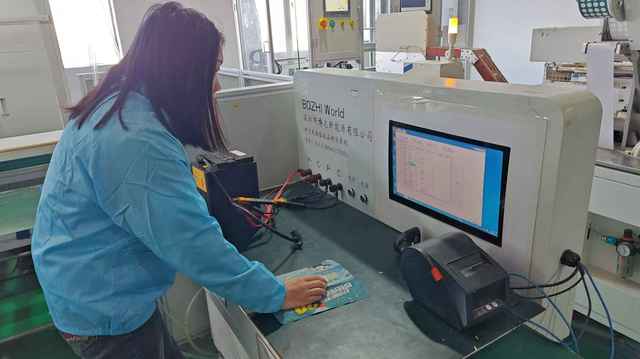
18,000+
Production Space (sqm)
250+
Energy Specialists & Engineers
2015
Established Year

Global Grid-Tied Energy Landscape & Trends

Analyzing key structural shifts, regulatory frameworks, and engineering demands driving industrial battery storage integration.

Technology Roadmap & Solution Architectures

How Ansar Energy builds structural stability and energy resilience into heavy commercial and microgrid configurations.

Macro Application Scenarios

Industrial Peak Shaving & Peak-to-Average Reduction
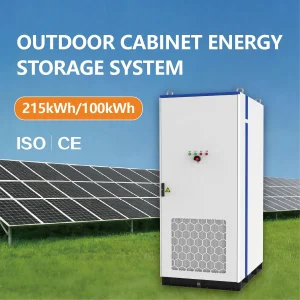
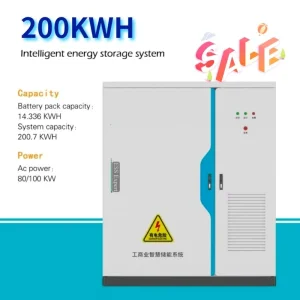
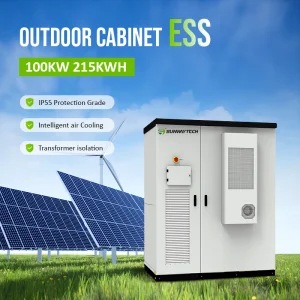
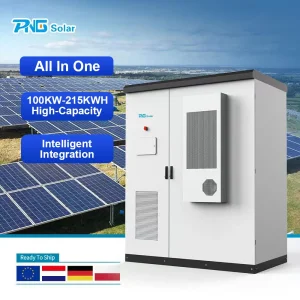
Deploying modular air-cooled or liquid-cooled Bess Containers (100kwh/215kwh/241kwh) to discharge during peak utility charge rates, dropping demand-based commercial electric bills significantly.
Microgrid Resilience & Isolated Networks
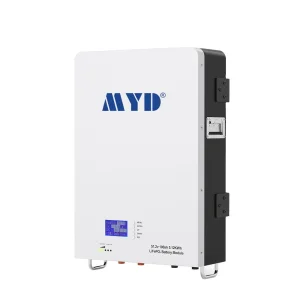
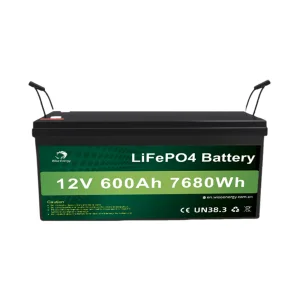
Integrating LiFePO4 chemistry with hybrid multi-mode inverters for remote mines, island communities, and military zones to form stable, self-healing grid topologies without generator dependence.
Utility-Scale Generation-Side Buffer Systems
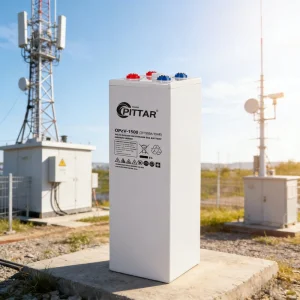
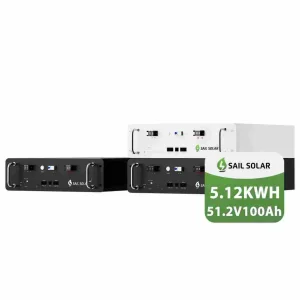
Deploying high-cycle tubular gel VRLA batteries (e.g., 2V 1500Ah) or large-scale LiFePO4 rack formats at solar parks to eliminate ramp-rate violations and absorb excess solar energy.

Technological Advantages

Dual-Active Balancing & Cloud EMS
Our smart BMS modules offer precise cell monitoring, balancing currents up to 2A, and continuous diagnostics (SoC, SoH, SoC anomalies) reported to local SCADA networks or cloud monitoring apps.
Enhanced Fire Prevention & Gas Exhaust
Every custom container is fitted with dual optical aerosol detection, temperature-mapped sensors, and direct multi-valve clean gas discharge loops to contain internal failure.
Global OEM/ODM Customization Capabilities
We support solar developers, EPCs, and distributors by providing fully tailored packaging, specific communication protocols (Modbus, CAN, Profinet), and localized grid compliance setups.

Precision Manufacturing & Infrastructure

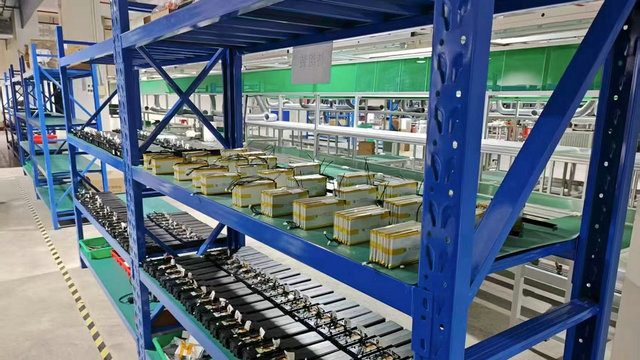
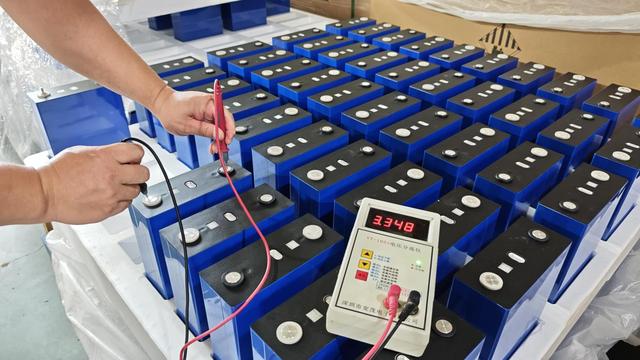
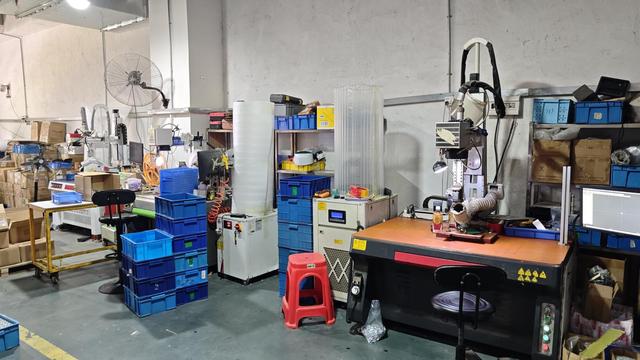
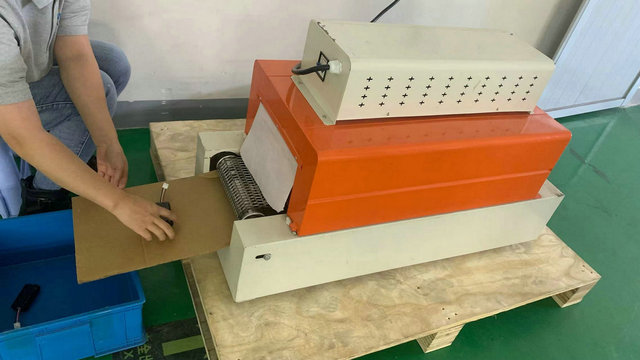
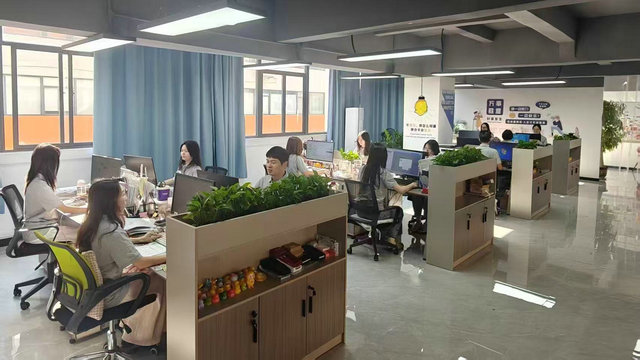
Take a look inside our 18,000㎡ facility equipped with advanced assembly lines, testing chambers, and precision QC stations.
Expert Q&A: Grid-Tied BESS Deployment

Crucial technical responses to aid engineering, sizing, implementation, and purchasing decisions.

1. What are the core advantages of LiFePO4 versus Tubular Gel batteries in grid-tied scenarios?
LiFePO4 (Lithium Iron Phosphate) offers exceptional energy density, shallow/deep cycle efficiency up to 95%, and long lifespan (typically over 6,000 cycles at 80% DOD). This makes them perfect for active applications like frequent peak shaving, ancillary markets, and space-constrained installations. In contrast, Tubular Gel (VRLA) batteries, such as our 2V 1500Ah models, are extremely cost-effective for standby storage, emergency backup, thermal stability under simple ambient conditions, and utility-scale installations with less frequent cycle profiles.
2. How does the cooling system work in the 100kwh/215kwh BESS containers?
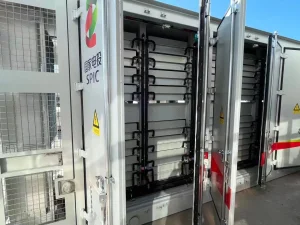
Our containerized battery energy storage systems (BESS) use smart air-cooling or liquid-cooling paths depending on customer parameters. Industrial air-cooling systems cycle clean, filtered air across battery module rows, maintaining interior temperatures within ±3°C of target values. For extremely hot environments or high charge-discharge rates (C-rates of 1C or higher), liquid-cooling plates directly trace the battery cells, ensuring uniform thermal management, preventing hot spots, and extending battery pack lifetime by up to 20%.
3. Can Ansar Energy solutions integrate with pre-existing plant EMS and utility SCADA?
Yes. Our intelligent Smart Battery Management Systems (Smart BMS) and Power Conversion Systems (PCS) support standard communication protocols including Modbus RTU/TCP, CAN bus, Ethernet, and Profinet. They integrate seamlessly with third-party Energy Management Systems (EMS) and utility SCADA systems. This allows real-time remote commands, state updates, state of charge (SoC) management, and active/reactive power dispatch.
4. What design modifications are available for OEM and ODM projects?
Our engineering team offers extensive OEM/ODM configurations. We support customized battery container lengths (10ft, 20ft, 40ft), custom voltage layouts (ranging from low-voltage 48V residential stacks up to 1000V/1500V high-voltage commercial lines), unique brand aesthetics, personalized software interfaces (BMS dashboard design), and integration of specific hybrid inverter brands (such as Deye, Growatt, SMA, or Sungrow).
5. What measures prevent thermal runaway in high-power setups?
Safety is built into our designs through physical and electrical barriers. We use top-tier Grade A cells with built-in venting paths. Internally, each cell is isolated using aerogel fire-resistant insulation panels. The BMS provides continuous monitoring at the module level, triggering alarms and automatically disconnecting circuits if voltage or temperature drift anomalies occur. Finally, our containers feature dry pipe gas suppressants or direct aerosol canisters designed to extinguish issues before fire can spread outside the pack housing.
6. How does grid synchronization occur, and is there islanding protection?
Our grid-connected systems coordinate with the local grid using integrated Power Conversion Systems (PCS) complying with local codes (e.g., IEEE 1547, UL 1741, CE). Built-in anti-islanding safety loops instantly disconnect the energy storage output within milliseconds during a grid blackout. This safeguards maintenance crews working on power lines and stabilizes localized circuits prior to a controlled microgrid backup takeover.