How to Prepare for the Future of Solar Energy Storage?

Time:2026-09-22 Author:Sophia
0%

Solar energy is expanding quickly, but generation alone cannot guarantee reliable electricity after sunset. The real question is what is the future of solar energy storage technology as grids become more renewable, distributed, and weather-dependent?

The International Energy Agency’s Batteries and Secure Energy Transitions report estimates that global energy storage capacity must increase sixfold to 1,500 gigawatts by 2030. Batteries are expected to provide most of that growth. Fatih Birol, the IEA’s Executive Director, stated, “There is no clean energy transition without batteries.” His point reaches beyond electric vehicles. It also describes a solar system that stores midday electricity and releases it during evening demand.

The technology path is becoming broader. Lithium-ion systems remain dominant, while flow batteries, sodium-ion batteries, thermal storage, and hydrogen could serve longer-duration needs. The U.S. National Renewable Energy Laboratory’s Annual Technology Baseline shows continuing cost reductions for utility-scale battery storage, although actual project costs vary by location, labor, financing, and grid connection.

A practical future may look less dramatic than expected. A suburban battery could charge at 1:00 p.m., then power lights, refrigeration, and a heat pump at 8:00 p.m. Safety monitoring, recycling, cybersecurity, and responsible mineral sourcing will matter as much as capacity.

Storage is not a perfect answer. Batteries degrade. Long-duration systems remain expensive. Recycling infrastructure is still developing. These limitations deserve honest attention, not optimistic slogans. Preparing now means comparing technologies, planning for extreme weather, and designing flexible systems that can improve over time.
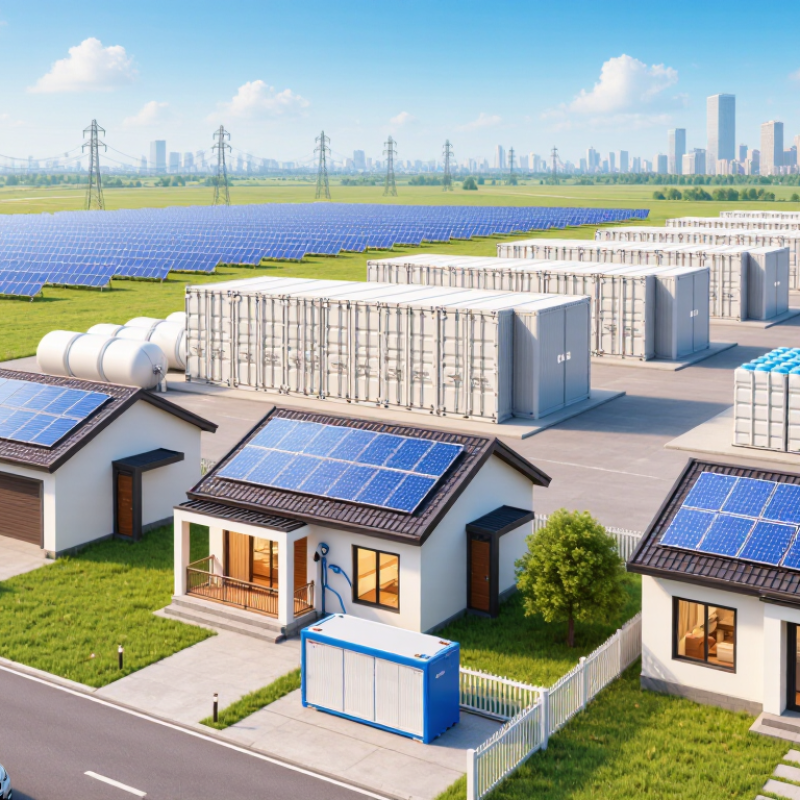
How to Prepare for the Future of Solar Energy Storage?

Solar Energy Storage Fundamentals and Emerging Technologies

Solar storage begins with a simple mismatch: panels produce power at noon, while homes often need it after sunset. A battery shifts that energy, but its value depends on capacity, power rating, efficiency, and cycling limits. Capacity is measured in kilowatt-hours. Power is measured in kilowatts. Confusing them can produce an expensive design mistake. Round-trip efficiency shows how much stored electricity returns after charging losses. Depth of discharge and temperature also affect battery life. Practical assessments should examine hourly demand, outage needs, roof output, and local grid rules.

Most current systems use lithium-based cells because they offer strong energy density and mature controls. However, thermal management, fire protection, and responsible end-of-life handling remain essential. Emerging options are changing the discussion. Sodium-ion cells may reduce dependence on scarce materials, while flow batteries suit longer-duration applications. Solid-state designs could improve safety and energy density, though manufacturing costs and field evidence still need attention. Thermal storage can preserve heat directly, avoiding repeated electrical conversion. Green hydrogen may serve seasonal storage, but its efficiency is lower and infrastructure is demanding.

Preparing for these technologies requires more than buying a larger battery. Use an energy management system that learns load patterns and responds to weather forecasts. A qualified installer should verify ventilation, wiring, protection equipment, and local compliance requirements. Keep records of charging cycles, temperatures, maintenance alerts, and actual backup performance. Independent testing and transparent warranties matter more than impressive capacity claims. Specifications can look perfect on paper. Real sites are messier. A shaded panel, a cold room, or an unexpected evening load can change results.

Assessing Future Energy Needs and Choosing the Right Storage System

Preparing for the future of solar energy storage starts with an honest assessment of future energy needs. A home using 12 kilowatt-hours today may consume much more after adding an electric vehicle, heat pump, or home office. Review twelve months of electricity bills, then map hourly usage if possible. Evening demand often matters more than daily totals. Include critical loads, such as refrigeration, medical equipment, lighting, internet access, and water pumps. Do not size the system from average consumption alone.

Storage selection should reflect operating conditions, not only battery capacity. Compare usable capacity, power output, round-trip efficiency, expected cycle life, degradation, and warranty terms. A system with high capacity may still struggle to start a pump or support several appliances together. Check its performance during cloudy winter weeks, not just bright summer days. Local temperature, installation space, ventilation, fire protection, and electrical regulations also influence the decision. Qualified installers should provide documented calculations and explain maintenance requirements clearly.

My early planning estimates were too optimistic because I ignored evening cooking and short winter days. That mistake showed why a load profile needs real measurements. Leave some capacity for future demand, but avoid buying excessive storage that sits unused. Consider whether backup power is essential or whether the goal is mainly lower grid consumption. Energy prices, export rules, and household habits can change. Recheck the design every few years. Forecasts are useful, but they are never perfect.

Preparing Solar Panels, Batteries, and Smart Energy Controls

Future-ready solar storage begins with the panel layout, not the battery brochure. Inspect roof direction, shade from nearby trees, and afternoon heat. A clear roof can still lose output when dust builds up. Leave safe access for cleaning and inspection. Choose panels with verified performance data and strong temperature ratings. Local installers should document wiring, protective devices, and expected annual production. Do not rely on optimistic estimates alone.

Batteries need a realistic job description. Size them around evening loads, outage priorities, and seasonal sunlight. A family may need lights, refrigeration, and internet, not every appliance at once. Keep batteries in a dry, ventilated area with required clearance. Smart energy controls can shift water heating or vehicle charging toward sunny hours. They can also limit discharge during expensive periods. Set alerts for unusual temperatures, low capacity, or communication failures. Technology helps, but settings are not always perfect.

Tips: Record one week of electricity use before choosing storage. Test backup circuits during daylight and after sunset. Review software permissions and update schedules. Ask for maintenance records and written safety instructions. Battery capacity will decline over time. Plan for it. I would also question whether maximum independence is worth the added cost. A smaller system may be easier to maintain. That trade-off deserves honest numbers, not excitement.

How to Prepare for the Future of Solar Energy Storage?

Global annual additions of solar photovoltaic capacity and battery storage capacity, 2020–2024

Solar capacity additions increased sharply from 127 GW in 2020 to 452 GW in 2024, while battery storage additions grew from approximately 5 GW to 63 GW. This trend highlights the importance of preparing with appropriately sized solar panels, expandable batteries, and smart energy controls that can shift loads, manage charging, and improve resilience.

Sources: International Renewable Energy Agency (IRENA), Renewable Capacity Statistics 2025; International Energy Agency (IEA), Global Energy Review and battery storage analysis. Values are rounded global annual additions.

Planning for Safety, Maintenance, Costs, and System Expansion

How to Prepare for the Future of Solar Energy Storage?

Planning for Safety, Maintenance, Costs, and System Expansion

Solar storage planning begins with safety, not capacity. Install systems with clear separation distances, thermal monitoring, ventilation, and emergency shutdown access. NFPA 855 and UL 9540A provide widely used safety guidance for stationary energy storage. Local fire officials should review the design before installation. Small details matter. Keep battery rooms dry, visible, and free from stored materials.

Maintenance should include monthly visual checks and scheduled electrical inspections. Review temperature readings, alarm history, connection torque, and battery state of health. A spreadsheet cannot predict every failure. That is an uncomfortable limitation. However, documented inspections can reveal gradual capacity loss before it affects household reliability. The International Energy Agency projects global battery storage capacity must reach about 1,200 GW by 2030 in its net-zero pathway. More installations will require better monitoring skills, not only cheaper equipment.

Costs should include replacement reserves, software, insurance, inspections, and possible inverter upgrades. Lazard’s 2024 Levelized Cost of Storage report places utility-scale battery costs across a wide range, depending on duration and operating assumptions. Expansion planning also deserves restraint. Leave physical space, conduit capacity, and switchgear headroom for future modules. Oversizing today may waste capital. Underbuilding can create expensive electrical work later. Review the plan every two or three years as tariffs, safety codes, and storage prices change.

Adapting to Grid Changes, New Policies, and Recycling Requirements

Preparing for the future of solar energy storage requires more than buying a larger battery. Grid conditions, policies, and recycling rules can change during the system’s lifetime. My first storage estimate was too optimistic. Household demand grew after adding efficient heating equipment.

Review electricity bills across seasons before choosing capacity. Record evening consumption, outage priorities, and available installation space. Ask the local utility about interconnection limits, export rules, and future rate changes. These details can affect savings more than battery size.

Policies deserve regular attention. Incentives may require specific certifications, installation dates, or performance records. Keep permits, invoices, warranties, and maintenance reports in one secure folder. Check official government and utility updates, rather than relying on social media claims. Plans change.

Choose equipment with clear safety documentation and service procedures. A qualified installer should explain emergency shutdowns, ventilation needs, and software updates in plain language. Request a written plan for battery replacement and end-of-life handling. Do not assume every recycling center accepts every chemistry. Contact the recycler before removal, and confirm transport requirements.

Recycling should influence today’s purchase. Favor systems with traceable components, replaceable parts, and a documented collection pathway. Ask who owns the battery at retirement and who pays for processing. These questions can feel inconvenient. They prevent expensive surprises later.

A resilient system also needs periodic review. Recalculate household demand after major lifestyle changes. Inspect cables, enclosures, and warning labels during scheduled maintenance. No forecast is perfect. A flexible plan is safer than a confident guess.

FAQS

Why is solar energy storage useful?

Solar panels often produce the most electricity around noon. Homes may need more power after sunset. A battery stores some midday energy for evening lighting, cooking, and refrigeration.

What is the difference between capacity and power?

Capacity measures stored energy in kilowatt-hours. Power measures how quickly the system can deliver electricity in kilowatts. Confusing them may create an expensive design mistake.

How should a household estimate its storage needs?

Review twelve months of electricity bills and measure hourly use when possible. Include refrigeration, lighting, internet access, water pumps, and other critical loads. Daily averages alone can hide heavy evening demand.

Should future electricity use affect battery sizing?

Yes. An electric vehicle, heat pump, or home office may increase future consumption. Leave reasonable room for growth, but avoid buying storage that stays unused. Bigger is not always better.

What should homeowners compare between storage systems?

Compare usable capacity, power output, round-trip efficiency, cycle life, degradation, and warranty terms. Check performance during cloudy winter weeks. A system may have high capacity but still struggle with a pump starting.

Where should a battery be installed?

Use a dry, ventilated area with required clearances and suitable protection equipment. Local temperature and installation space affect performance. A qualified installer should verify wiring, ventilation, and compliance requirements.

How can smart energy controls improve performance?

Controls can shift water heating or vehicle charging toward sunny hours. They may reduce discharge during expensive periods. Set alerts for unusual temperatures, low capacity, and communication failures. Settings are not always perfect.

How can homeowners prepare for battery aging and changing needs?

Record charging cycles, temperatures, maintenance alerts, and actual backup performance. Test backup circuits during daylight and after sunset. Battery capacity will decline over time. Plan for decline.

Which emerging storage technologies deserve attention?

Sodium-ion systems may reduce reliance on scarce materials. Flow batteries may suit longer-duration storage. Solid-state designs could improve safety, but costs and field evidence remain uncertain. Green hydrogen may support seasonal storage, though efficiency and infrastructure remain difficult.

What mistakes can occur during storage planning?

My early estimate was too optimistic because it ignored evening cooking and short winter days. Shaded panels, dust, cold rooms, and unexpected loads can change results. Real sites differ. Recheck the design every few years.

Conclusion

This article explores the fundamentals of solar energy storage and the emerging technologies shaping its future. It explains how batteries and alternative storage methods can capture excess solar power, improve energy reliability, and support greater independence from traditional electricity sources. Readers will learn how to assess future energy needs by considering household consumption, peak demand, backup expectations, and the possibility of system expansion. The article also highlights the importance of properly preparing solar panels, batteries, monitoring equipment, and smart energy controls so that the entire system can operate efficiently.

It further examines practical planning for safety, maintenance, installation costs, warranties, and long-term upgrades. As electricity grids evolve, users must remain aware of changing policies, connection requirements, and recycling responsibilities for used equipment. By understanding these factors, homeowners and organizations can make flexible, responsible decisions and better prepare for what is the future of solar energy storage technology.

Sophia

Sophia

Sophia is a dedicated marketing professional with an exceptional depth of knowledge about her company's products and services. With a keen understanding of market trends and customer needs, she crafts insightful blog posts that not only inform but also engage readers, enriching the company’s online......