As more households and businesses install solar panels, attention is shifting from generation to timing. Solar panels often produce their most electricity at midday, while demand rises after sunset. This mismatch can leave valuable clean energy unused. So, what are the benefits of solar energy storage? The answer involves more than simply keeping extra electricity in a battery.
A well-designed storage system can save daytime solar power for evening lighting, cooking, cooling, or electric vehicle charging. It may reduce reliance on expensive grid electricity during peak periods. During outages, compatible batteries can support essential loads, such as refrigerators, medical equipment, and internet routers. That practical security can feel significant during a summer storm or a winter power failure. Storage may also improve solar self-consumption and reduce pressure on local power networks.
However, batteries are not a perfect solution. Their performance depends on capacity, temperature, installation quality, and maintenance. Manufacturing also requires materials and energy, so environmental benefits should be judged across the system’s full life cycle. A battery can be oversized, underused, or financially unsuitable for a particular home. That reality is sometimes overlooked.
Reliable decisions require more than attractive savings estimates. Homeowners should review electricity tariffs, outage patterns, battery warranties, usable capacity, and expected degradation. Professional installers can assess roof production, household demand, and safety requirements. Results vary by location. They vary by household, too. Understanding these limits helps readers evaluate solar storage realistically, rather than treating it as a universal answer.
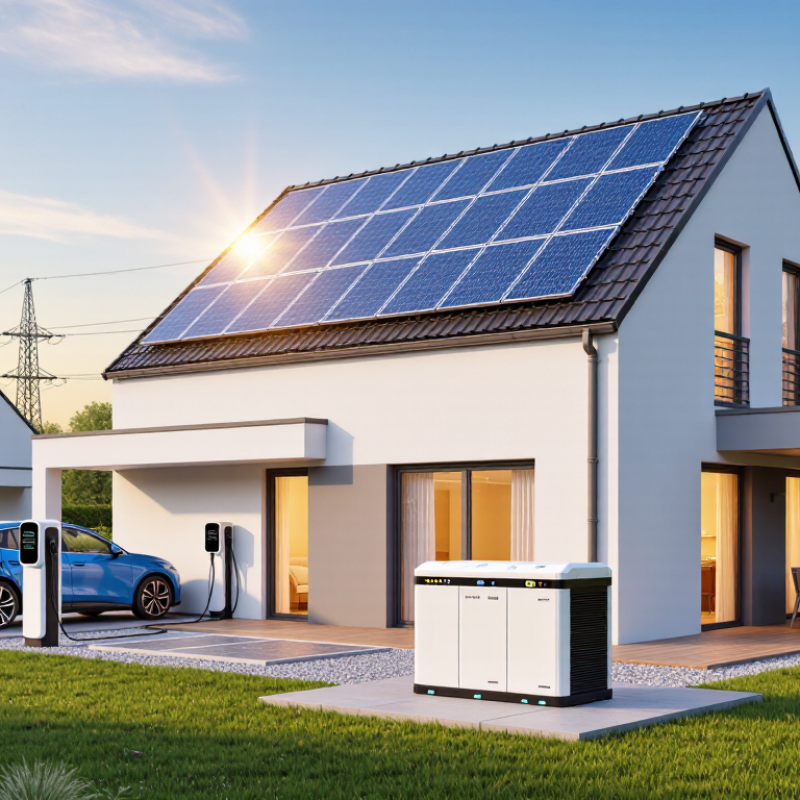
Solar energy storage captures electricity when solar panels produce more power than a home needs. A battery stores this surplus as chemical energy. Later, an inverter changes it back into usable alternating current. The system can power lights, refrigerators, and communication devices after sunset.
It works through a simple control cycle. Sensors measure solar production, household demand, and battery charge. A controller then directs energy to the right place. During bright afternoon hours, extra electricity charges the battery. In the evening, stored power supplies selected loads. Some systems can also provide backup power during grid interruptions.
Storage improves solar self-consumption and reduces dependence on grid electricity. It may also help households avoid expensive peak-time rates, where local rules allow. However, batteries are not effortless equipment. Capacity declines gradually with age, temperature, and charging habits. Small batteries may empty quickly during extended outages. Large batteries cost more and require suitable ventilation, protection, and professional installation.
A practical system should match daily energy use, outage expectations, and available sunlight. A household with a medical refrigerator needs different planning from a small apartment. Monitoring data can reveal poor settings or unexpected consumption. Even then, predictions remain imperfect. Cloudy weather can last longer than expected. Careful sizing matters more than impressive capacity figures.
What Are the Benefits of Solar Energy Storage?
Solar panels generate electricity during daylight, but household demand often peaks after sunset. Energy storage captures unused solar power and releases it later. This timing improves reliability because essential appliances can keep running when sunlight disappears. During an outage, a properly designed system can support lights, refrigeration, internet equipment, and selected medical devices. The system is not perfect. Its performance depends on battery capacity, weather, temperature, and household consumption.
Reliable solar storage begins with accurate planning. Energy professionals review hourly electricity use, outage history, roof conditions, and local climate before selecting equipment. They also separate critical circuits from nonessential loads. This prevents a large appliance from draining the battery too quickly. Automatic transfer equipment can switch to stored power within seconds. However, several cloudy days may reduce available energy. Battery aging can also lower storage capacity over time. A larger battery is not always better; poor sizing can increase costs without improving resilience.
Tips: Track your evening electricity use for one week. Keep a reserve for outages instead of using every stored kilowatt-hour daily. Ask for clear maintenance schedules, safety information, and realistic backup estimates. Recheck the system after major changes, such as adding an electric vehicle or heat pump. Small planning errors matter.
Energy storage improves solar power reliability by saving excess daytime generation for evening demand and other periods when sunlight is unavailable. The chart compares typical round-trip efficiency ranges for major storage technologies.
Round-trip efficiency indicates how much electricity remains available after charging and discharging. Values shown are representative industry ranges.
Solar energy storage changes when electricity is used, not just how it is generated. A battery stores surplus daytime solar power for evening cooking, cooling, or heating. This can reduce electricity purchases during expensive peak periods. It may also improve the value of an existing solar system.
Financial benefits depend on local tariffs, battery prices, and household consumption. A home using power after sunset may gain more than one exporting most electricity. During an outage, stored energy can keep essential lights, refrigeration, or medical equipment operating. However, backup capacity is limited. Large appliances can drain a battery quickly.
Storage can also reduce pressure on fossil-fuel generation during high-demand hours. Over time, this may lower operational emissions when the battery uses clean electricity. The environmental result is not automatic. Manufacturing, transport, recycling, and battery replacement all carry impacts. Choosing an appropriately sized system matters. An oversized battery may remain partly unused, weakening both financial and environmental benefits.
Real savings should be tested against installation costs, maintenance, efficiency losses, and expected lifespan. The numbers need checking. Weather patterns also matter. A cloudy week can change the calculation. Careful monitoring after installation can reveal whether the system performs as predicted, or whether daily habits need adjusting.
Solar energy storage captures surplus electricity for use after sunset, during cloudy hours, or during short grid interruptions. Common systems include batteries, thermal storage, pumped hydro, and hydrogen storage. Each option handles energy differently, so performance depends on location, climate, and daily demand.
Battery storage is the most practical choice for many homes and small businesses. Lithium-based batteries respond quickly and can power lights, refrigerators, pumps, and communication equipment. They usually include a battery management system for temperature control and safe charging.
However, usable capacity falls gradually with age, especially in hot rooms. Proper ventilation and professional installation matter. Very much.
Thermal storage keeps heat or cold instead of electricity. Water tanks, molten salts, and phase-change materials can support water heating, space heating, or industrial processes. This approach often wastes less energy when the final need is heat.
Pumped hydro stores electricity by moving water uphill, then releasing it through turbines. It offers long service life but requires suitable land, elevation, and environmental planning.
Hydrogen storage can hold energy for longer periods, although conversion losses and equipment costs remain significant.
A reliable design begins with load measurements, not guesswork. Track evening consumption, backup priorities, and seasonal changes before selecting capacity. I would not size a system from one sunny day. Weather surprises expose weak assumptions. A qualified installer should check wiring, fire protection, inverter compatibility, and local electrical requirements. Fancy specifications cannot repair poor planning.
Solar storage lets households use midday generation after sunset. It can reduce grid purchases and provide limited backup during outages. The benefit depends on matching the system to real consumption. A battery that is too small may empty before dinner. An oversized unit can add cost without meaningful use. Evening cooking, cooling, and water heating deserve close attention.
Check usable capacity, not just advertised capacity. Round-trip efficiency shows how much energy survives charging and discharging. Cycle life matters for daily use. Safety certifications, ventilation needs, and temperature limits should be verified. In hot or freezing climates, performance may change. Ask about warranty terms, service response, software access, and battery replacement. These details are less exciting, but they affect ownership.
Review local electrical rules and outage requirements before installation. Backup loads may need a separate panel. Confirm whether the system can start heavy equipment, such as a pump. Compare total installed cost with expected savings, demand charges, and export rates. A careful load analysis is better than a sales estimate. Still, forecasts remain imperfect. Electricity prices change. Household habits change too. Leave room for that uncertainty.
| Category | Dimension | Typical Data or Range | Why It Matters | Points to Consider Before Choosing |
|---|---|---|---|---|
| Financial Benefit | Solar self-consumption | Often increases from approximately 20–40% without storage to about 50–80% with appropriately sized storage. | Stored daytime solar electricity can be used during evening and early-morning demand. | Actual results depend on household load patterns, battery size, solar production, and energy-management settings. |
| Financial Benefit | Peak-demand or time-of-use reduction | Commonly provides several hours of load shifting; many residential systems are designed for approximately 2–10 hours of usable duration. | Energy can be discharged when electricity prices or demand charges are higher. | Compare the tariff structure, peak periods, battery power rating, and expected annual savings. |
| Energy Independence | Backup power capability | Backup duration may range from a few hours to more than one day, depending on usable capacity and electrical load. | A battery can supply selected circuits during grid interruptions. | Confirm whether the system supports backup operation, automatic transfer, essential-load circuits, and solar recharging during an outage. |
| Efficiency | Round-trip efficiency | Lithium-ion systems commonly achieve approximately 85–95%; lead-acid systems are often around 70–85. | Higher efficiency means less solar electricity is lost during charging and discharging. | Check whether the published figure includes the inverter, standby consumption, and other balance-of-system losses. |
| Capacity | Usable energy capacity | Usable capacity is lower than nominal capacity because systems normally reserve a portion to protect battery life and maintain operating limits. | Determines how much energy can actually be delivered to appliances. | Size the battery using measured daily consumption and critical-load requirements rather than solar-panel capacity alone. |
| Power Delivery | Continuous and peak power | Power ratings are commonly stated in kilowatts (kW), while energy capacity is stated in kilowatt-hours (kWh). | A system may have enough energy but still be unable to start or run high-power appliances simultaneously. | Check startup surge requirements for pumps, refrigerators, air conditioners, and other motor-driven equipment. |
| Battery Life | Cycle life | Many lithium-ion systems are rated for approximately 3,000–10,000 cycles, depending on chemistry, operating conditions, and end-of-life criteria. | Cycle life affects replacement frequency and long-term ownership cost. | Review the test conditions, allowable depth of discharge, temperature assumptions, and retained-capacity threshold. |
| Battery Life | Depth of discharge | Lithium-ion systems commonly permit approximately 80–100% usable depth of discharge; the recommended value varies by system design. | A higher usable percentage can provide more energy from the same nominal battery size. | Do not compare nominal capacities without comparing usable capacity and the related warranty conditions. |
| Technology | Battery chemistry | Lithium-ion is widely used because of its high efficiency and energy density; lead-acid generally has lower upfront cost but lower usable energy and shorter cycle life. | Chemistry affects weight, space, performance, maintenance, and expected service life. | Evaluate safety controls, ventilation requirements, temperature limits, recycling options, and installation space. |
| Installation | Compatibility and system integration | Compatibility depends on inverter architecture, voltage range, communication protocols, electrical ratings, and local code requirements. | Poor integration can reduce performance or prevent backup operation. | Have a qualified installer verify the solar inverter, battery inverter, main panel, meter, disconnects, and permitting requirements. |
| Environmental Conditions | Operating temperature | Performance and charging limits vary with temperature; many systems require controlled operation within a specified temperature range. | Extreme heat or cold can reduce available power, efficiency, and battery life. | Review the installation location, thermal management, weather protection, and any cold-weather charging restrictions. |
| Economics | Total cost of ownership | Includes equipment, installation, permits, monitoring, maintenance, financing, electricity savings, incentives, and potential replacement costs. | The lowest purchase price does not always provide the lowest cost per delivered kilowatt-hour. | Compare lifetime delivered energy, expected degradation, warranty coverage, and payback under conservative electricity-price assumptions. |
| Safety | Protection and certification | A complete system should include battery-management, overcurrent, thermal, isolation, and fault-protection features appropriate to the installation. | Safety controls reduce risks related to electrical faults, overheating, and improper operation. | Use qualified professionals and verify compliance with applicable electrical, fire, building, and product-safety requirements. |
| Monitoring | Energy-management functions | Common functions include solar priority, backup reserve, time-of-use scheduling, demand management, and remote performance monitoring. | Smart controls help align battery operation with energy prices, weather, and household demand. | Check software reliability, user controls, data access, communications requirements, and whether key features require ongoing fees. |
Note: The figures shown are typical industry ranges or planning estimates. Actual performance depends on system design, battery chemistry, climate, operating profile, installation quality, and local electricity tariffs.
It stores surplus daytime electricity for use after sunset. Essential lights, refrigeration, internet equipment, and selected medical devices can keep operating. The system is not perfect.
Yes, if the system includes suitable backup equipment and separated critical circuits. Automatic transfer equipment may switch power within seconds. Battery capacity remains limited.
Prioritize lights, refrigerators, communication equipment, pumps, and selected medical devices. Large heaters or cooking appliances can drain batteries quickly. Priorities need honest review.
Track evening electricity use for one week. Review outage history, weather, seasonal demand, and backup priorities. A larger battery is not always better.
Heat, cold, aging, cloudy weather, and heavy consumption can reduce available energy. Capacity gradually declines over time. One sunny day proves very little.
It may reduce purchases during expensive evening periods. Benefits depend on local electricity rates, installation costs, efficiency losses, and household habits. The numbers need checking.
It can reduce reliance on fossil-fuel generation during high-demand hours. Manufacturing, transport, recycling, and replacement also create environmental impacts. The result is not automatic.
Thermal storage keeps heat or cold for later use. Pumped hydro moves water uphill, while hydrogen can store energy longer. These options need suitable locations and equipment.
The installer should check wiring, ventilation, fire protection, inverter compatibility, roof conditions, and local electrical requirements. Fancy specifications cannot fix poor planning.
Solar energy storage captures excess electricity produced by solar panels and saves it for later use, typically in batteries or other storage technologies. When sunlight is limited, stored energy can supply homes or businesses, helping balance daily changes in solar production. This improves reliability by providing backup power during cloudy periods, nighttime hours, or grid interruptions, while also making solar energy more useful and predictable.
Understanding what are the benefits of solar energy storage involves considering both financial and environmental advantages. Storage can reduce reliance on expensive peak-time electricity, improve energy independence, and increase the amount of clean power used instead of wasted. Common options include battery systems, thermal storage, and mechanical storage, each with different performance characteristics. Before choosing a system, users should evaluate capacity, efficiency, safety, lifespan, installation requirements, maintenance, upfront cost, and local energy needs.

Ansar Energy