Choosing the best solar energy storage battery starts with understanding your household’s real energy needs. A larger battery is not always better. It may increase cost, weight, and installation demands without improving daily performance. Before comparing products, ask: what is a solar energy storage battery, and what role should it play in your energy system?
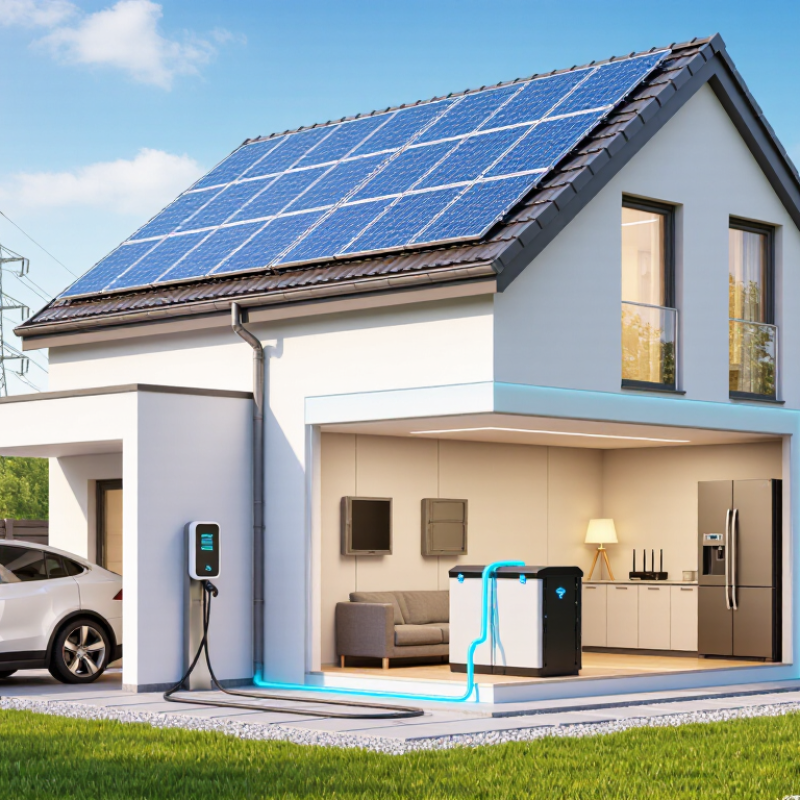
A solar energy storage battery stores electricity produced by solar panels for later use. This stored power can support evening lighting, refrigeration, internet equipment, or essential medical devices during outages. In practical installations, battery capacity, usable depth of discharge, round-trip efficiency, and warranty terms matter greatly. Chemistry matters too. Lithium iron phosphate batteries often offer strong safety characteristics and long cycle life, while other options may suit different budgets or temperatures.
Real conditions can change the decision. A shaded roof, winter heating demand, or frequent grid interruptions may require a different battery size. Your electricity bill provides useful evidence, but it does not reveal every future need. That is where careful load measurement helps. Record appliance wattage and operating hours for several days. Small details matter.
Reliable selection also requires checking certification, installer experience, monitoring systems, and manufacturer support. Do not rely on a dramatic capacity number alone. Usable energy is more important. Safety comes first.
Even experienced buyers can misjudge future consumption. I might choose a smaller system for a modest home, then reconsider after adding an electric vehicle. Therefore, compare realistic scenarios rather than chasing the highest specification. A qualified installer should verify compatibility with your inverter, local conditions, and electrical requirements before purchase.
Understanding battery chemistry matters more than chasing the highest advertised capacity. Lithium-ion batteries usually offer high efficiency, compact installation, and responsive daily cycling. Lithium iron phosphate cells generally provide stronger thermal stability and longer cycle potential. Nickel-based lithium cells can deliver higher energy density, but temperature control becomes more important.
Lead-acid batteries cost less initially, yet they need ventilation and tolerate deep discharge poorly. Flow batteries suit larger systems needing long discharge periods, although their tanks require more space. Sodium-ion technology is developing quickly, but its residential track record remains limited.
Not every option fits.
The International Energy Agency’s 2024 Batteries and Secure Energy Transitions report projects a fourteenfold increase in global battery storage capacity by 2030 under its net-zero pathway. That growth increases the value of careful chemistry selection.
For a rooftop system, compare usable capacity, round-trip efficiency, cycle life, warranty conditions, and cold-weather performance. A battery rated at 10 kilowatt-hours may provide less usable energy after reserve limits and operating losses.
The U.S. Department of Energy’s storage guidance also stresses application-specific testing, because laboratory ratings may not match heat, dust, or irregular household demand. I would avoid choosing by price alone. A cheaper battery can become expensive when replacement timing, installation space, and backup priorities are overlooked. The best decision may still involve compromise.
Lithium-ion batteries are compact, efficient, and responsive for daily cycling. Lithium iron phosphate cells usually offer stronger thermal stability and longer cycle potential. Nickel-based lithium cells store more energy in less space, but temperature control matters. Lead-acid batteries cost less initially, yet they need ventilation and dislike deep discharge. Flow batteries suit larger systems with long discharge periods. Sodium-ion technology is developing, but residential experience remains limited. Not every option fits.
Match usable capacity with evening electricity use, not future hopes. Measure refrigeration, lighting, heating, and other appliances for several days. If evening demand reaches 6 kilowatt-hours, an 8.3-kilowatt-hour rating may be more realistic. This allows for losses and a 20% reserve. Check usable capacity, not only the casing label. Bigger is not always better.
Round-trip efficiency shows how much stored energy reaches your appliances. A 90% efficient battery loses about 1 kilowatt-hour after handling 10 kilowatt-hours. Confirm whether the figure includes the inverter and standby consumption. Testing may use unusually favorable conditions. Real homes face clouds, short charging periods, and changing loads. Check the assumptions.
Cycle life describes repeated charging and discharging. Calendar aging occurs even when the battery is rarely used. Daily cycling can reduce capacity faster than occasional backup use. Heat may accelerate the decline. Review capacity retention, operating temperature limits, and independent testing. A five-year-old battery may still work, but it may store less energy. Estimates can fail.
Check the operating temperature range and cold-weather charging performance. Heat can speed capacity loss and shorten service life. Cold conditions may reduce available energy and charging ability. Ask how the system manages ventilation, temperature, and dust. Laboratory ratings may not match a hot garage or dusty utility room. Local conditions deserve attention.
Compare delivered energy rather than purchase price alone. Include usable capacity, efficiency, annual cycles, and degradation. A 10-kilowatt-hour unit with 90% efficiency delivers about 9 kilowatt-hours before aging. Add permits, installation, financing, monitoring, and eventual replacement. Divide total costs by lifetime delivered kilowatt-hours. Cheap hardware can become expensive.
Review warranty years, retained capacity, cycle limits, and throughput limits. Check whether labor, removal, and replacement costs are covered. A ten-year warranty may end earlier after reaching its throughput limit. Ask how capacity will be tested. Request written exclusions and transfer conditions. Read the uncomfortable parts.
A larger battery helps only when the household can use its energy regularly. It may waste money if it remains mostly idle. Identify essential loads, such as refrigeration, lighting, and heating. Keep about 15% reserve capacity when outages matter. Backup power is not guaranteed. Installation quality and household demand can change performance. Some uncertainty remains.
Choosing the right solar storage battery begins with understanding the available battery types and how each one supports a home energy system. If you are asking, “what is a solar energy storage battery,” it is a device that stores excess electricity produced by solar panels for use when sunlight is limited or energy demand increases. Homeowners should assess daily electricity consumption, backup priorities, available installation space, and expected periods of low solar production before selecting a system.
Important comparison factors include usable capacity, charging and discharging efficiency, expected lifespan, and performance under regular cycling. Safety features, compatibility with existing solar equipment, ventilation, maintenance, and professional installation requirements should also be considered. Finally, evaluate the total cost, including installation and future replacement, rather than focusing only on the initial price. A clear warranty, reliable operating performance, and long-term energy savings can help determine whether a battery offers genuine value for your household.

 Ansar Energy